WikiBiomeThe human microbiome encyclopedia
WikiBiome/Search: “infection”
Encyclopedia search

Search: “infection”

Ranked matches across titles, topics, categories, and article introductions, filtered to microbe.

29 records in this view
A
B
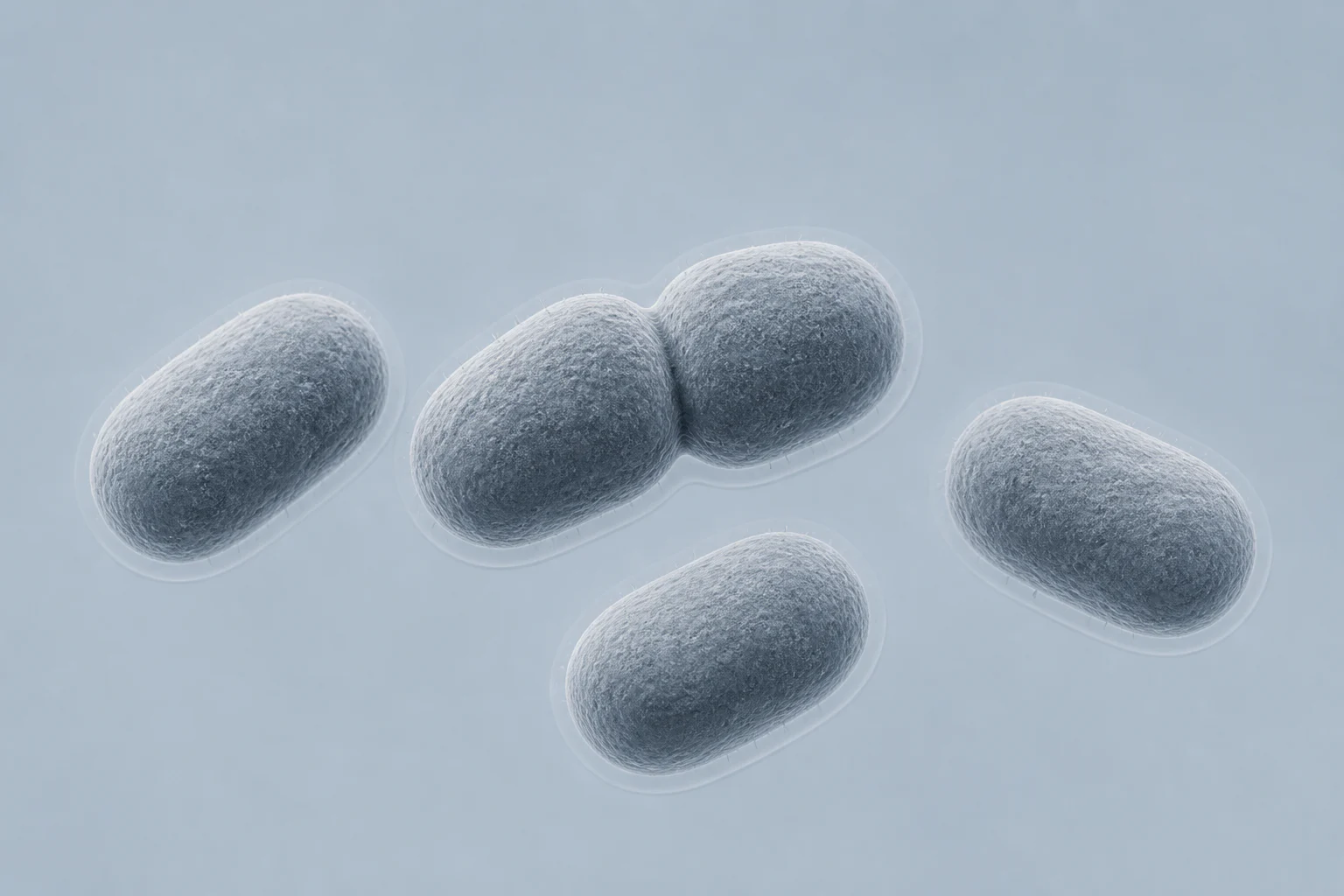
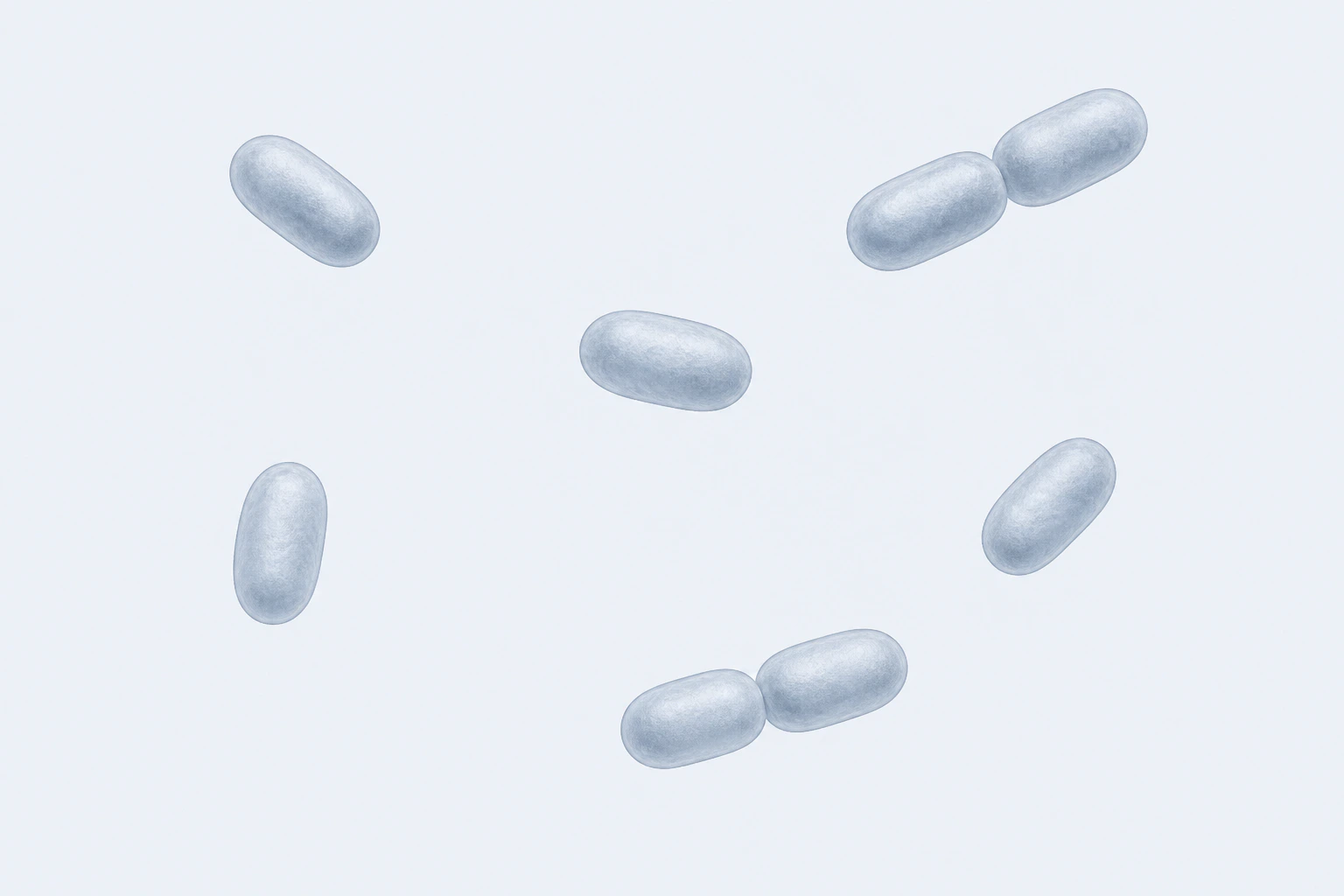
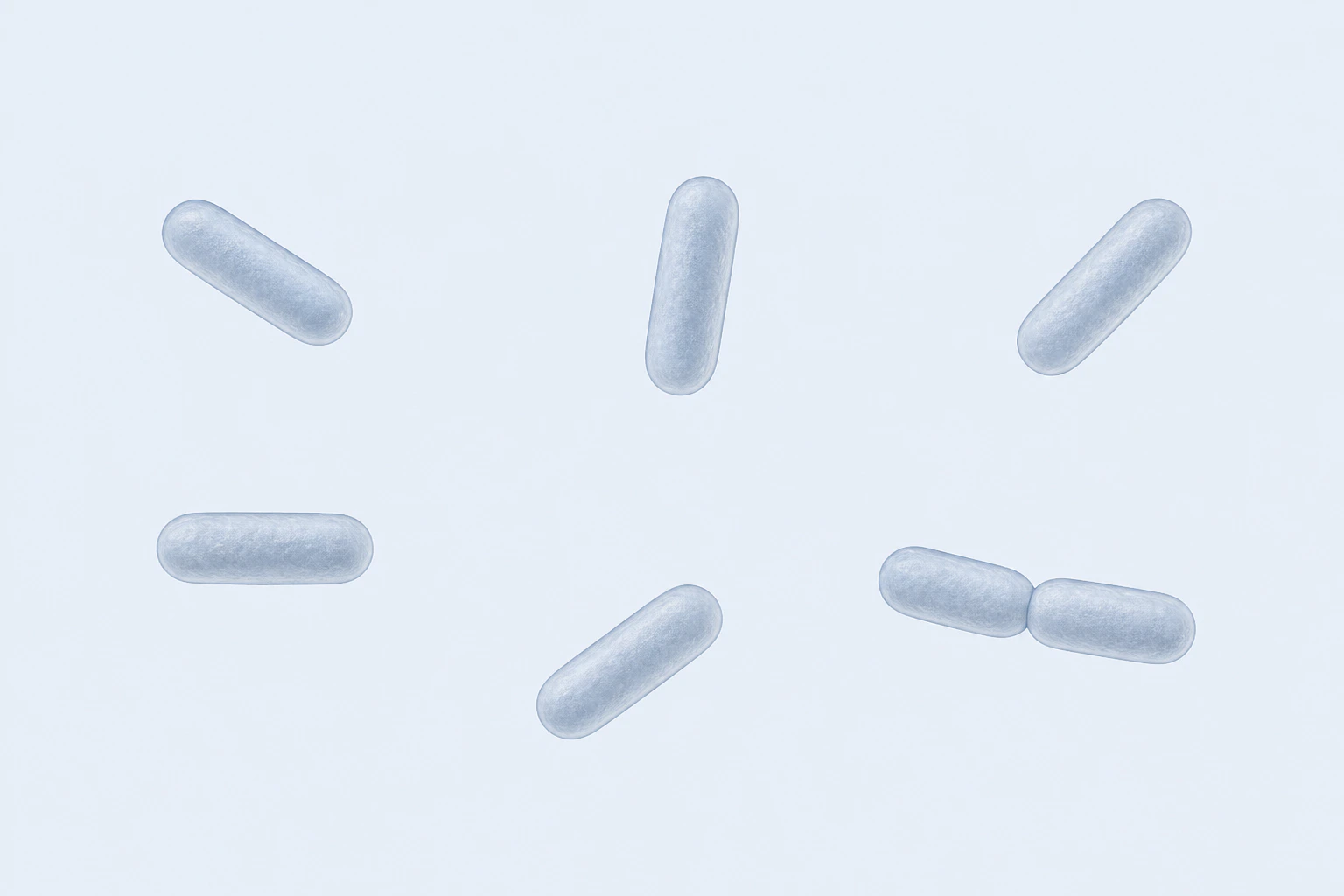
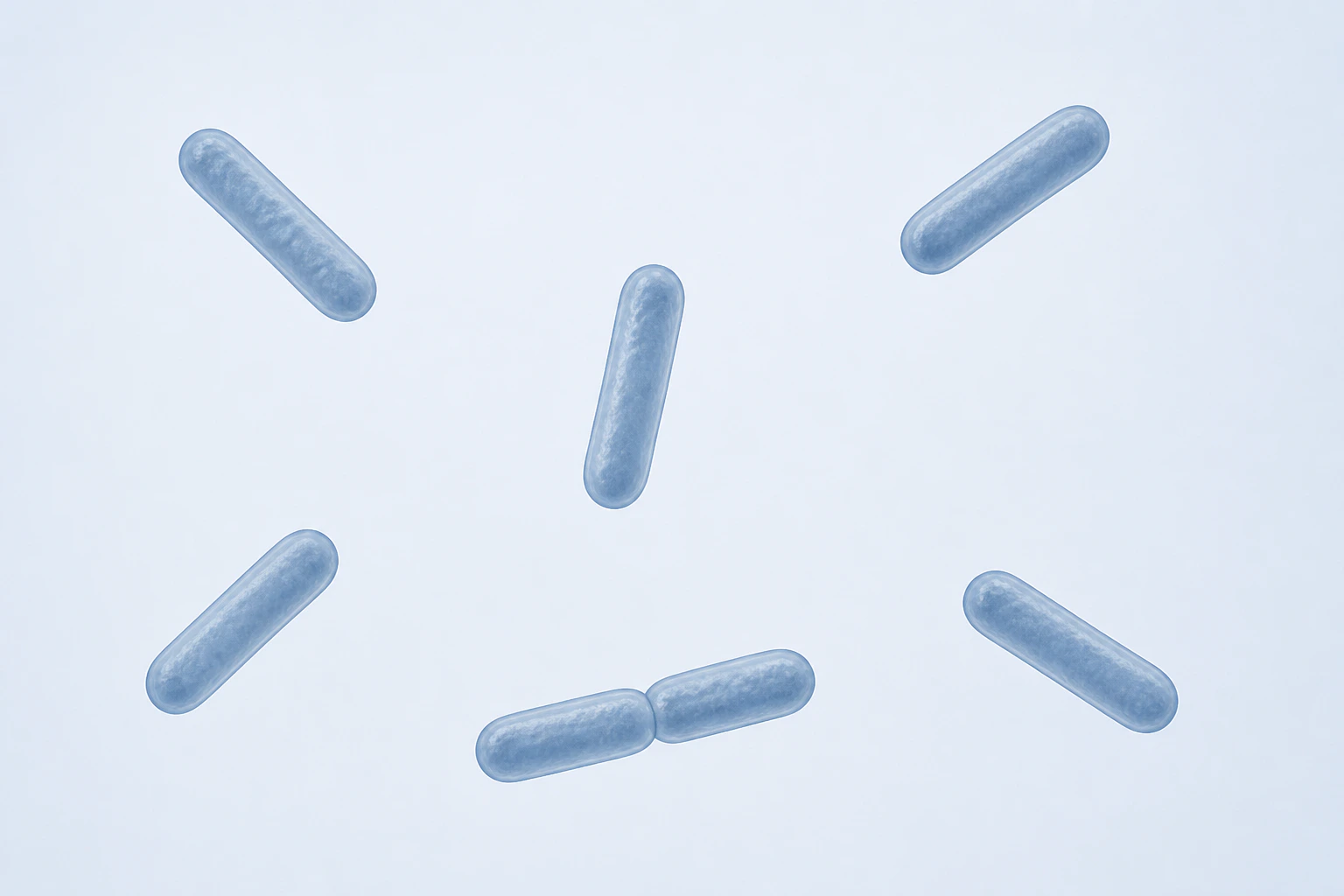
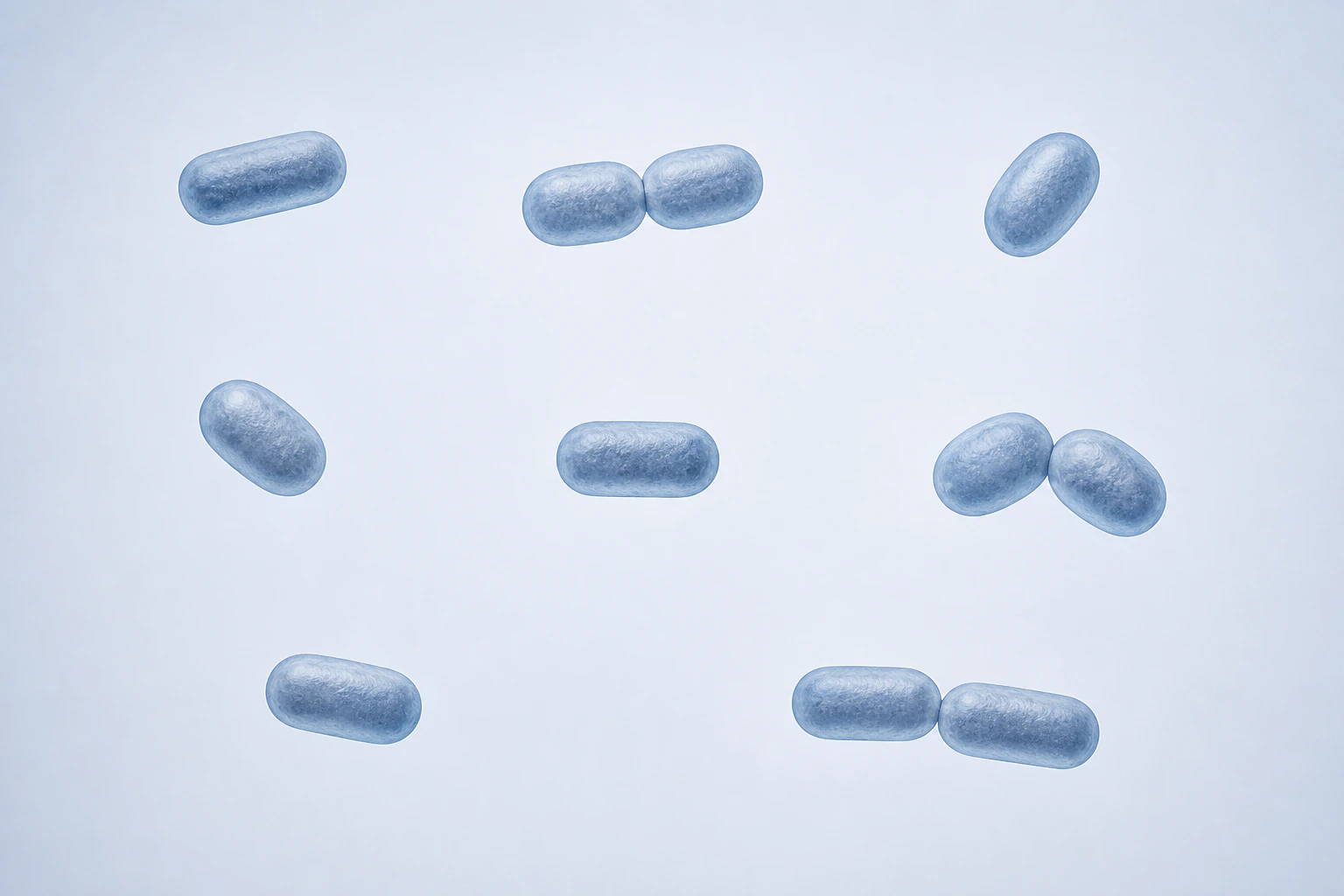
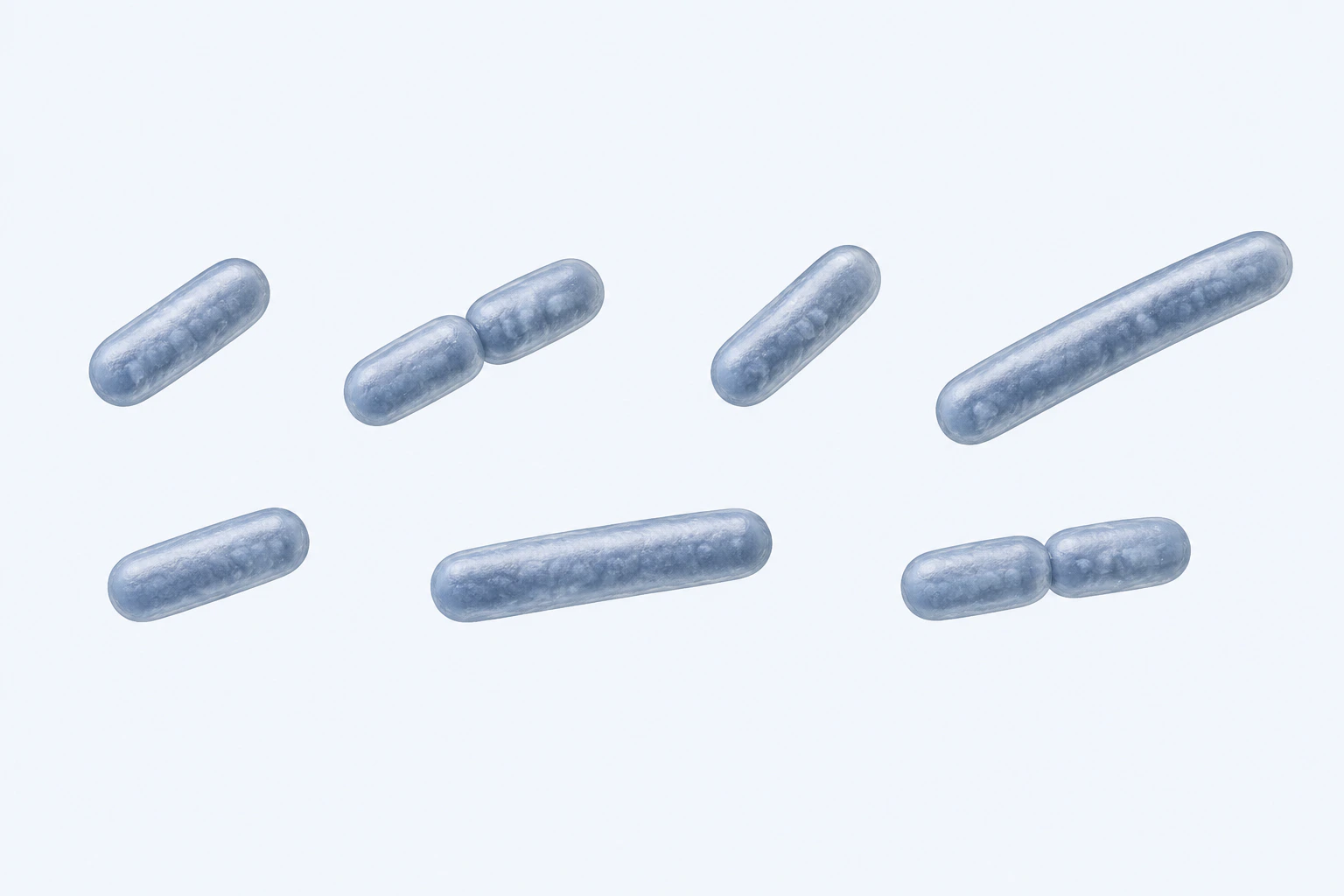
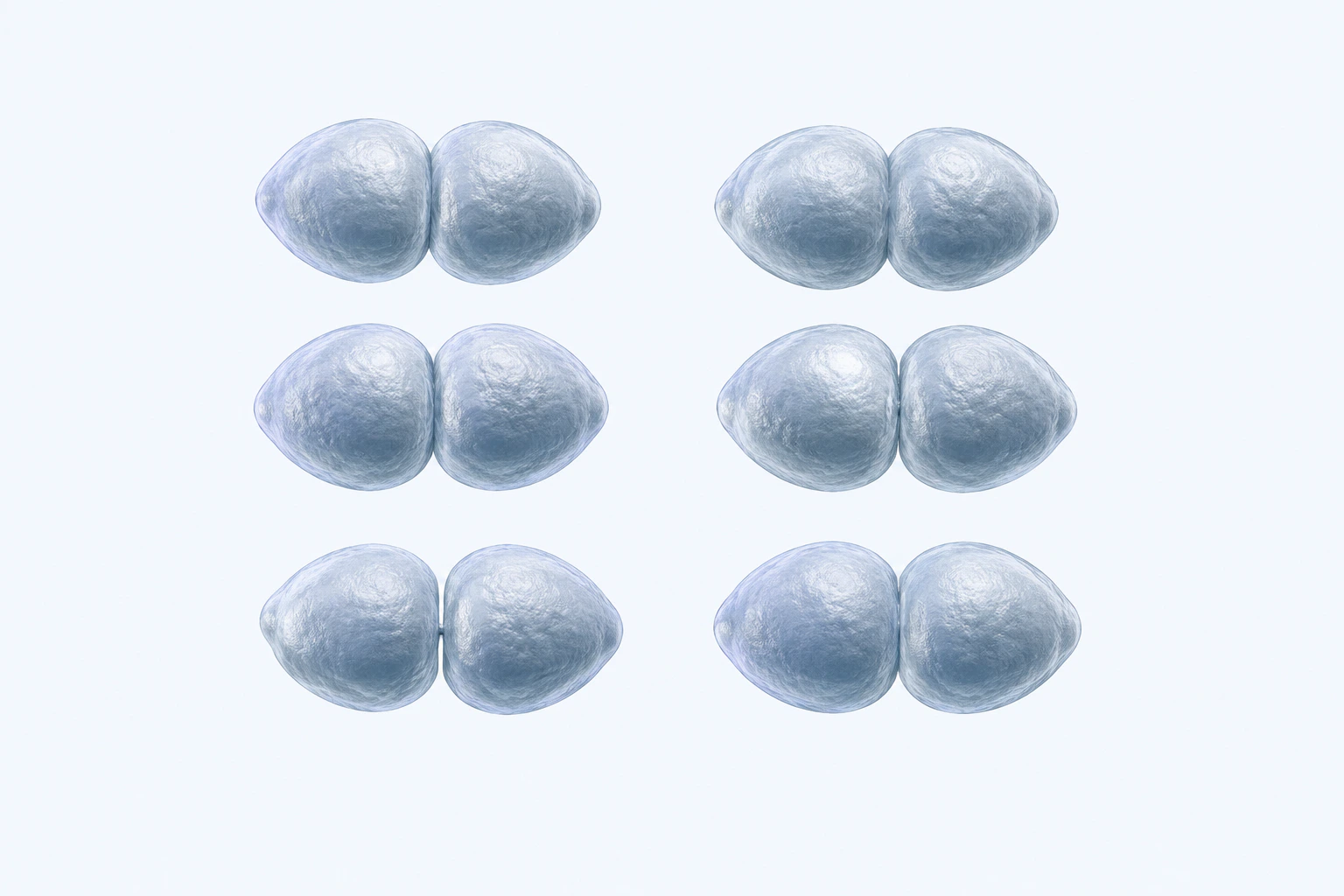
Eight plump Brucella coccobacillary bodies appear in six groupings: four singles and two touching pairs, each oval to very short and longer than wide.
Microorganisms1 sources

Brucella

A genus of Gram-negative intracellular pathogens causing brucellosis, the most common bacterial zoonosis worldwide. Brucella species depend on nickel-activated urease for gastrointestinal survival during the initial phase of infection, and urease immunization has been s…

C
E
G
L
M
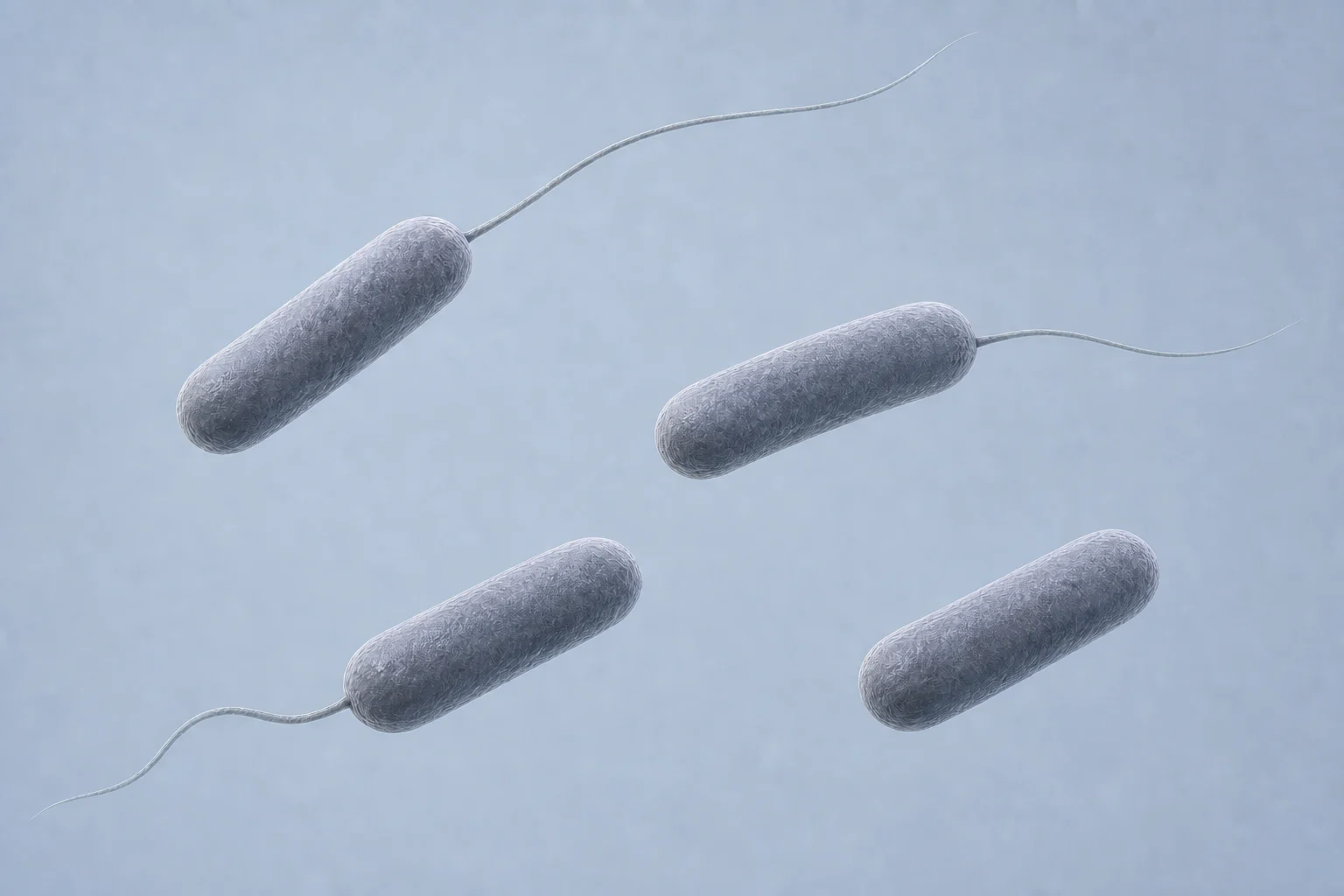
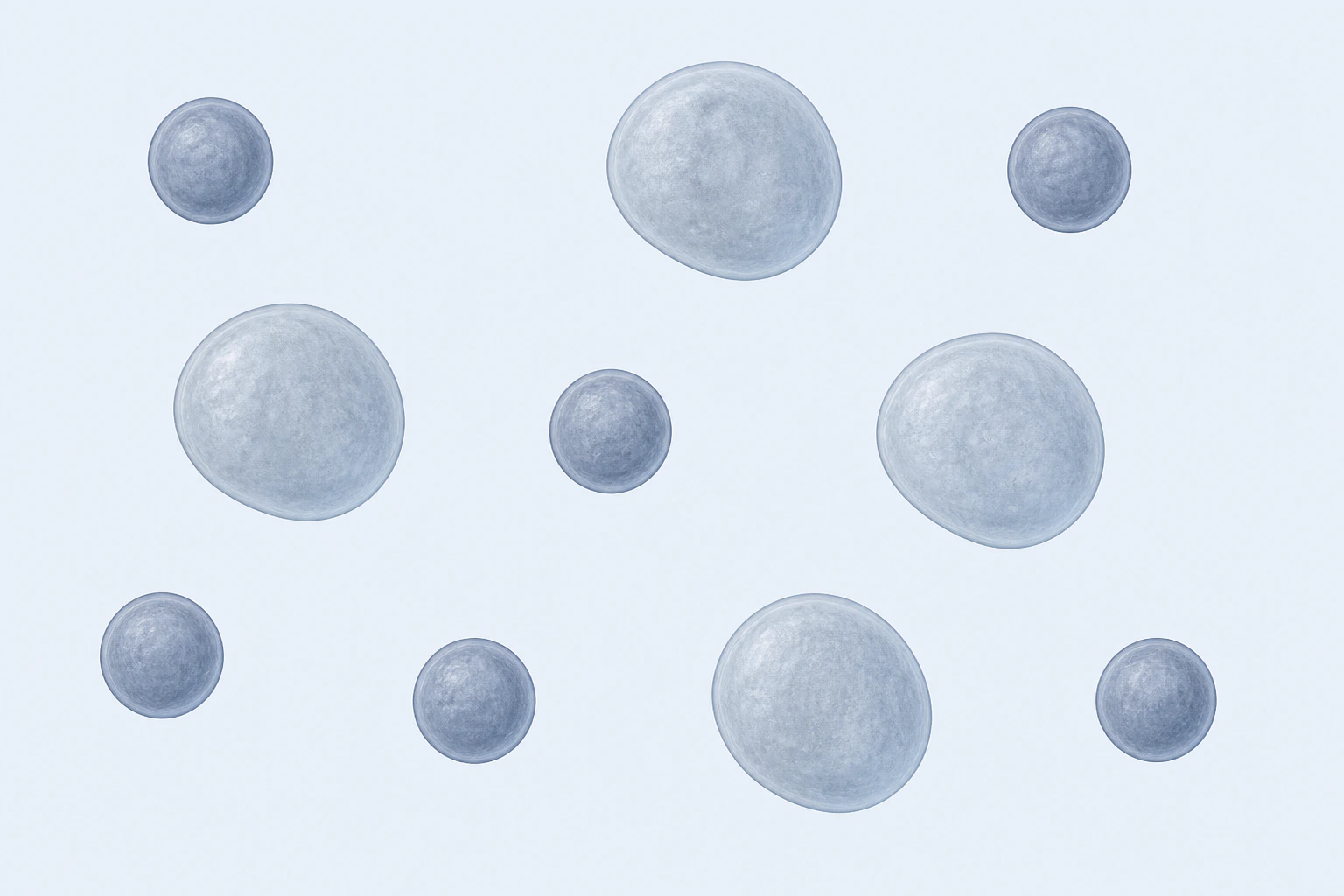
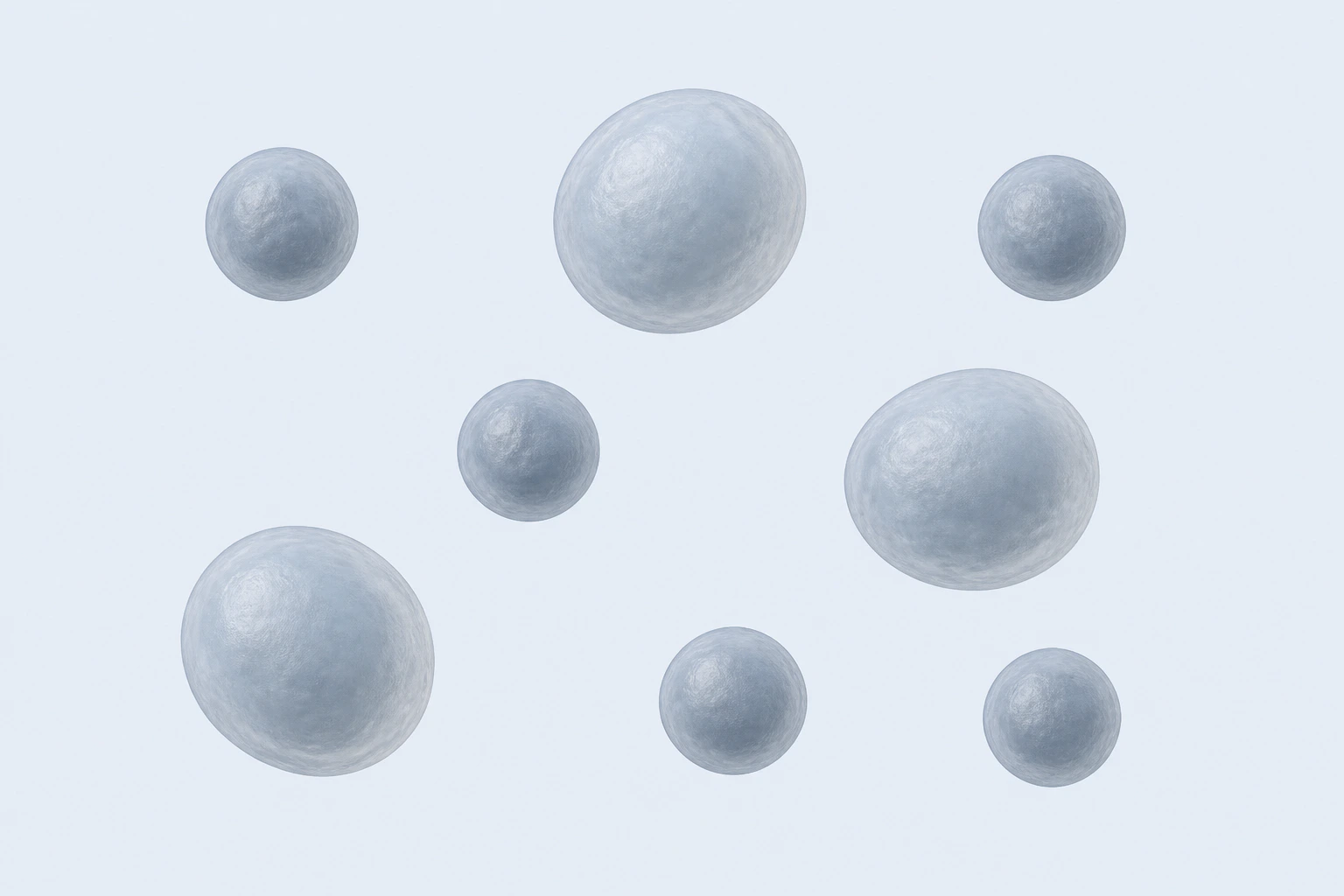
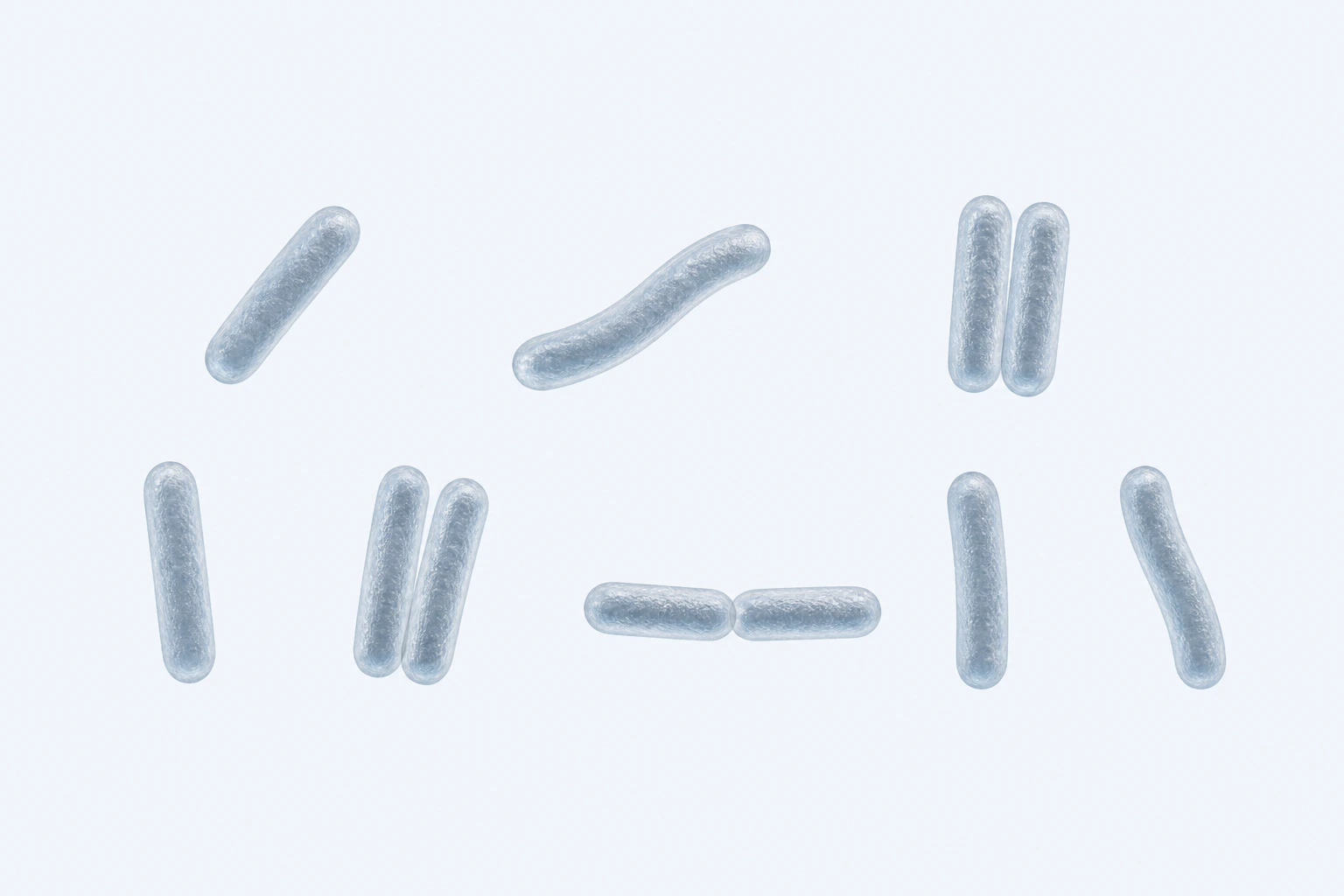
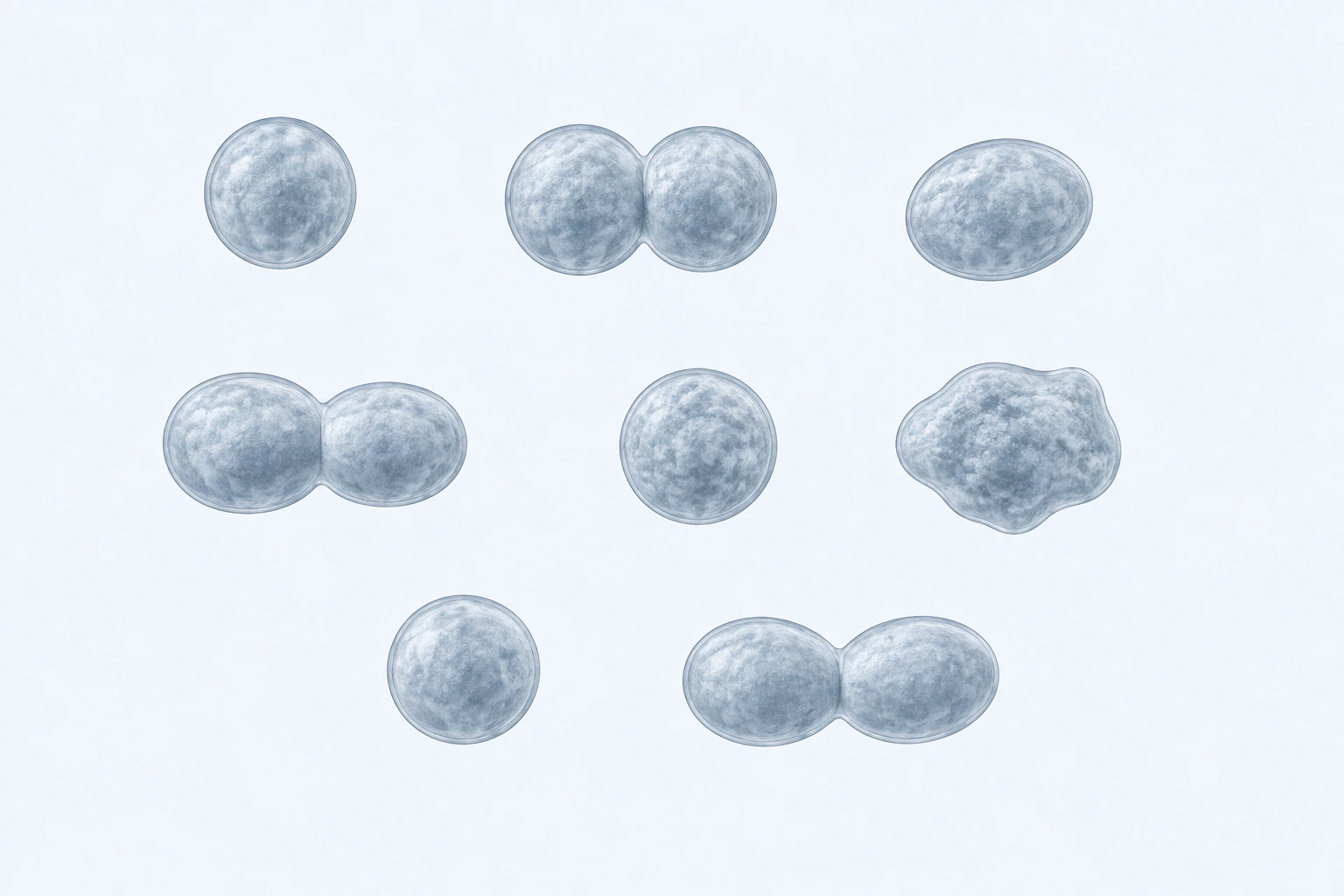
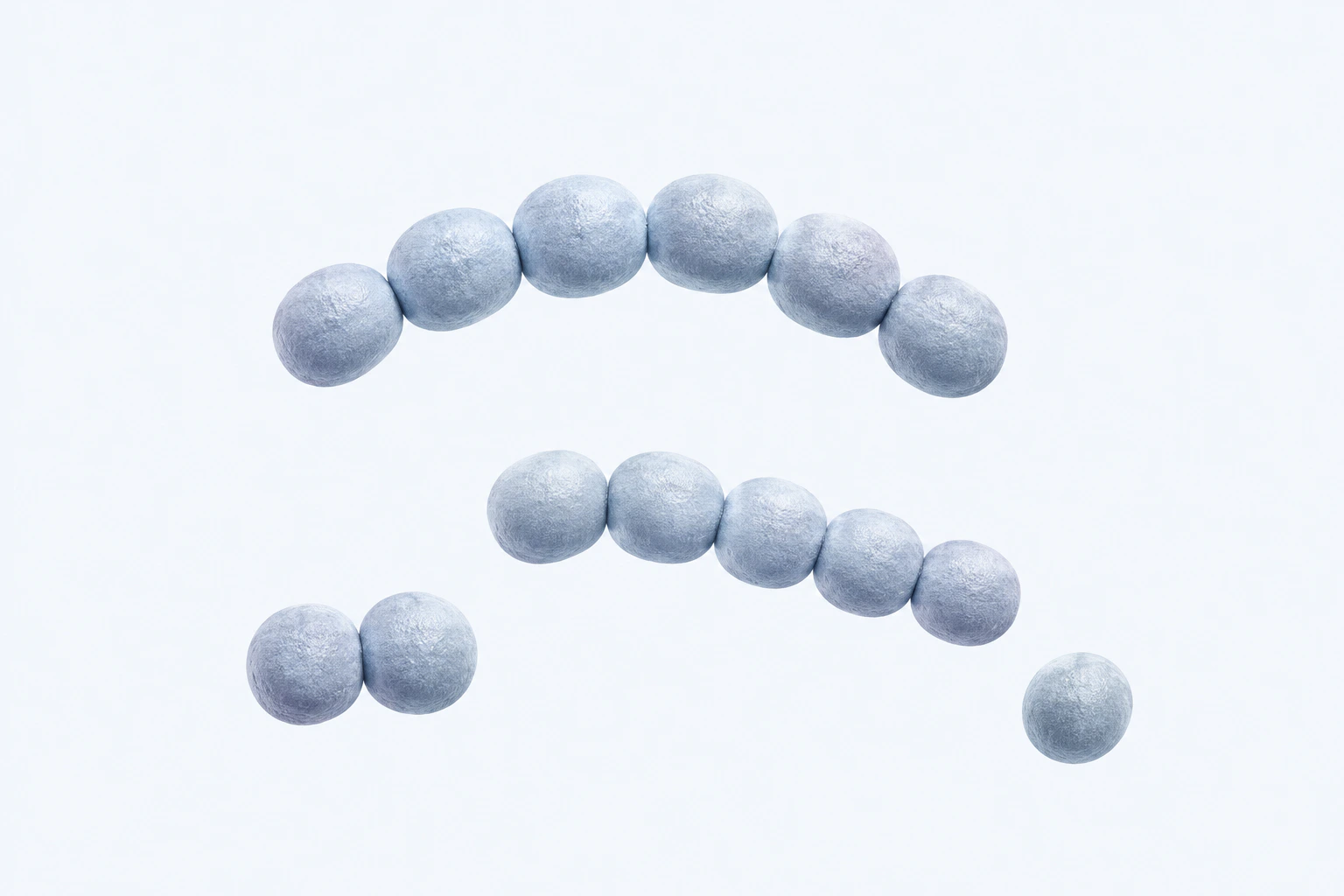
Eleven selected Mycoplasma rounded-to-ovoid bodies appear in eight groupings: five singles and three touching pairs.
Microorganisms6 sources

Mycoplasma

Mycoplasma is a genus of wall-less bacteria in the class Mollicutes, characterized by the smallest genomes of any self-replicating organisms (~580–1,350 kb). The lack of a cell wall makes them intrinsically resistant to beta-lactam antibiotics and undetectable by Gram s…

P
S
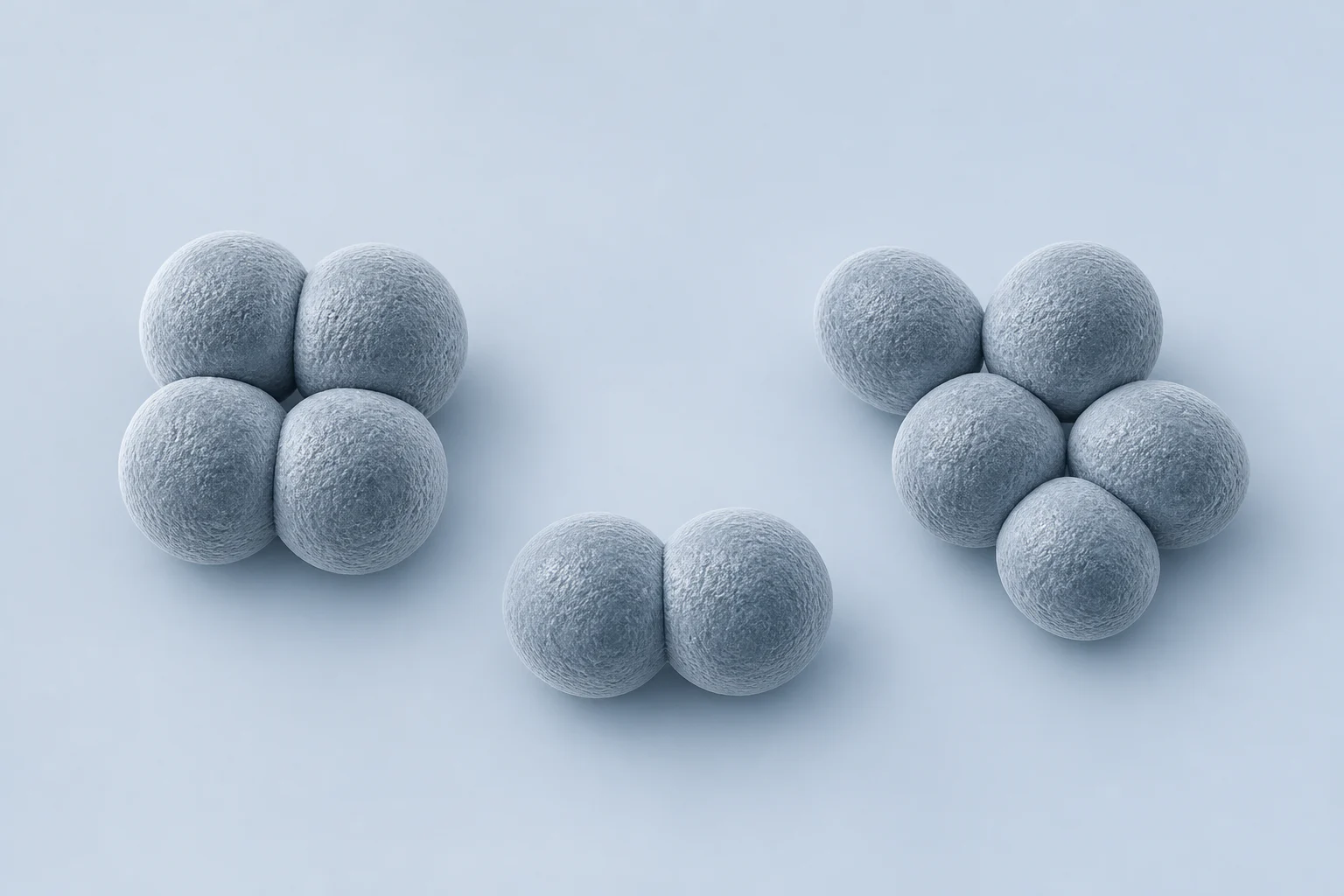
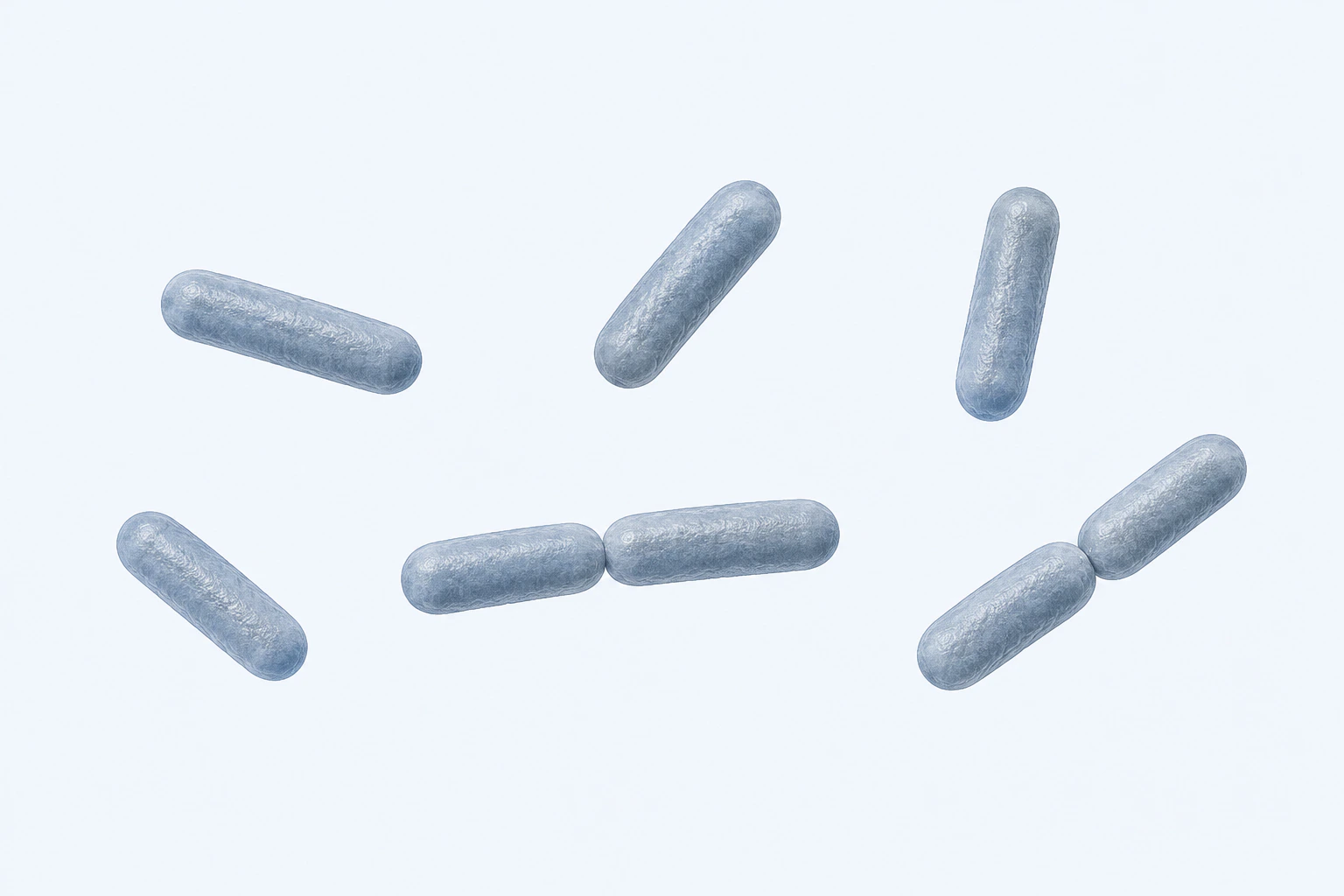
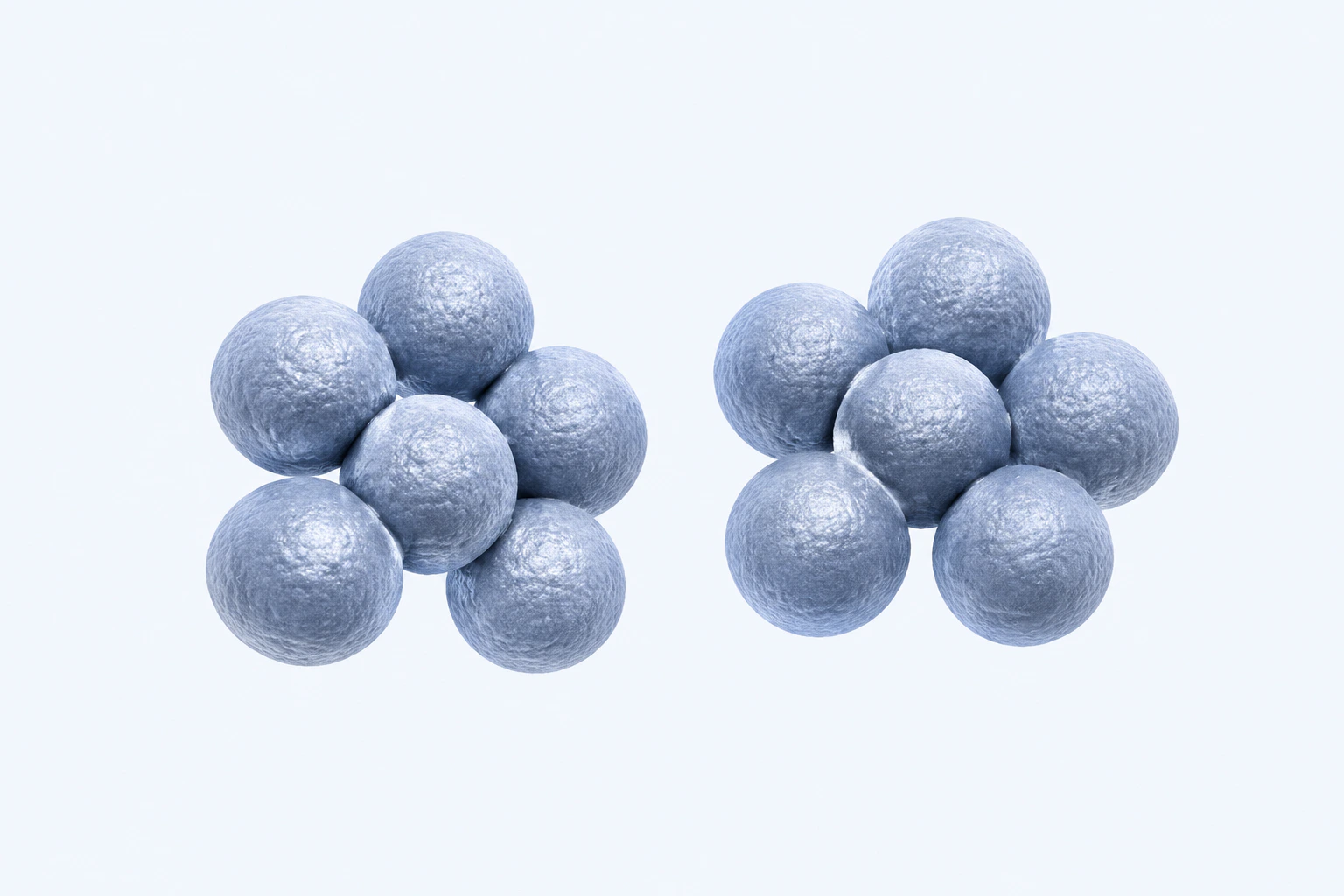
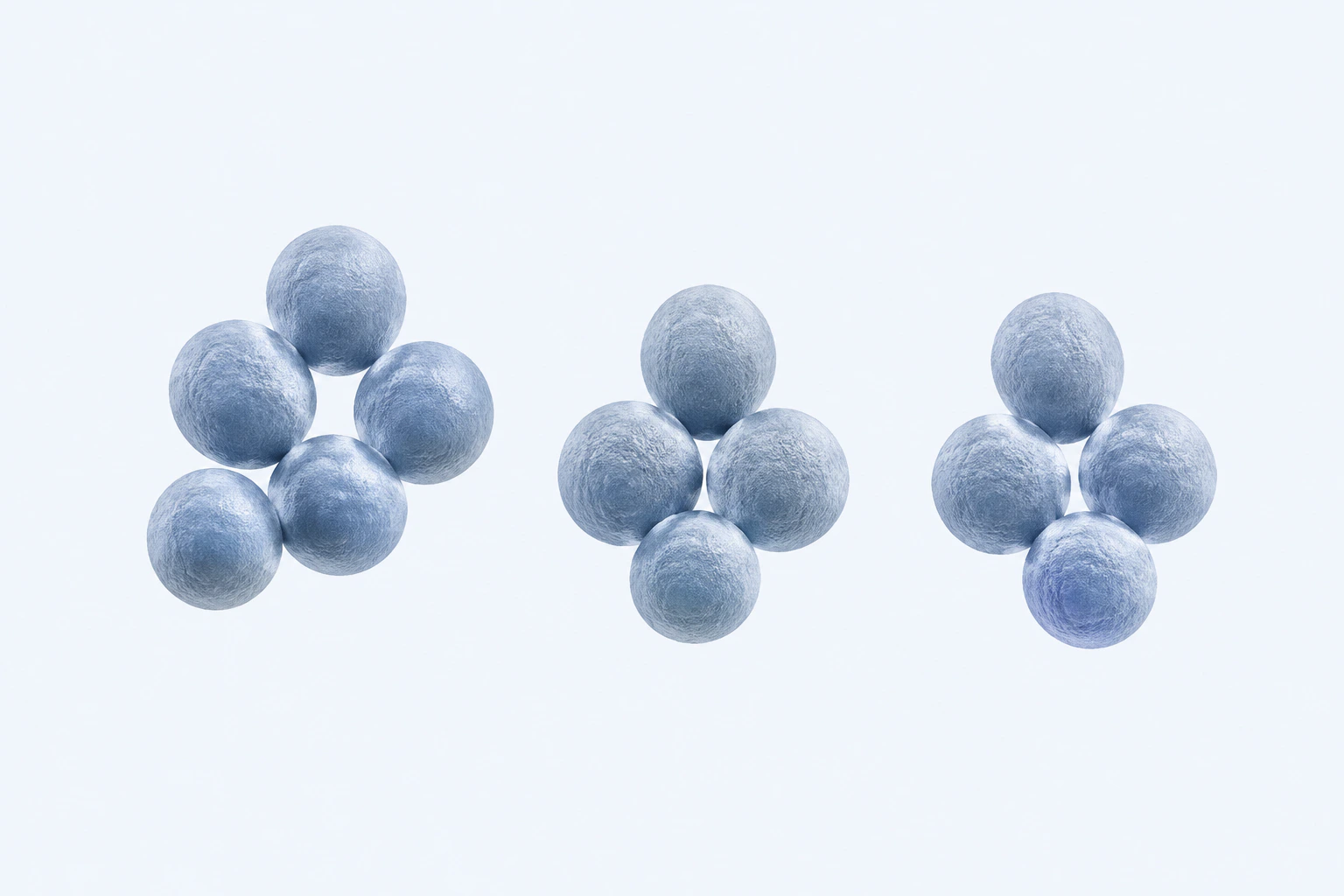
Twelve selected Staphylococcus aureus cocci appear in two irregular clusters of six.
Microorganisms6 sources

Staphylococcus aureus

A versatile Gram-positive pathogen with one of the best-characterized nutritional immunity evasion systems known. S. aureus requires nickel, iron, zinc, and manganese for virulence and has evolved dedicated acquisition systems for each, including the novel metallophore …

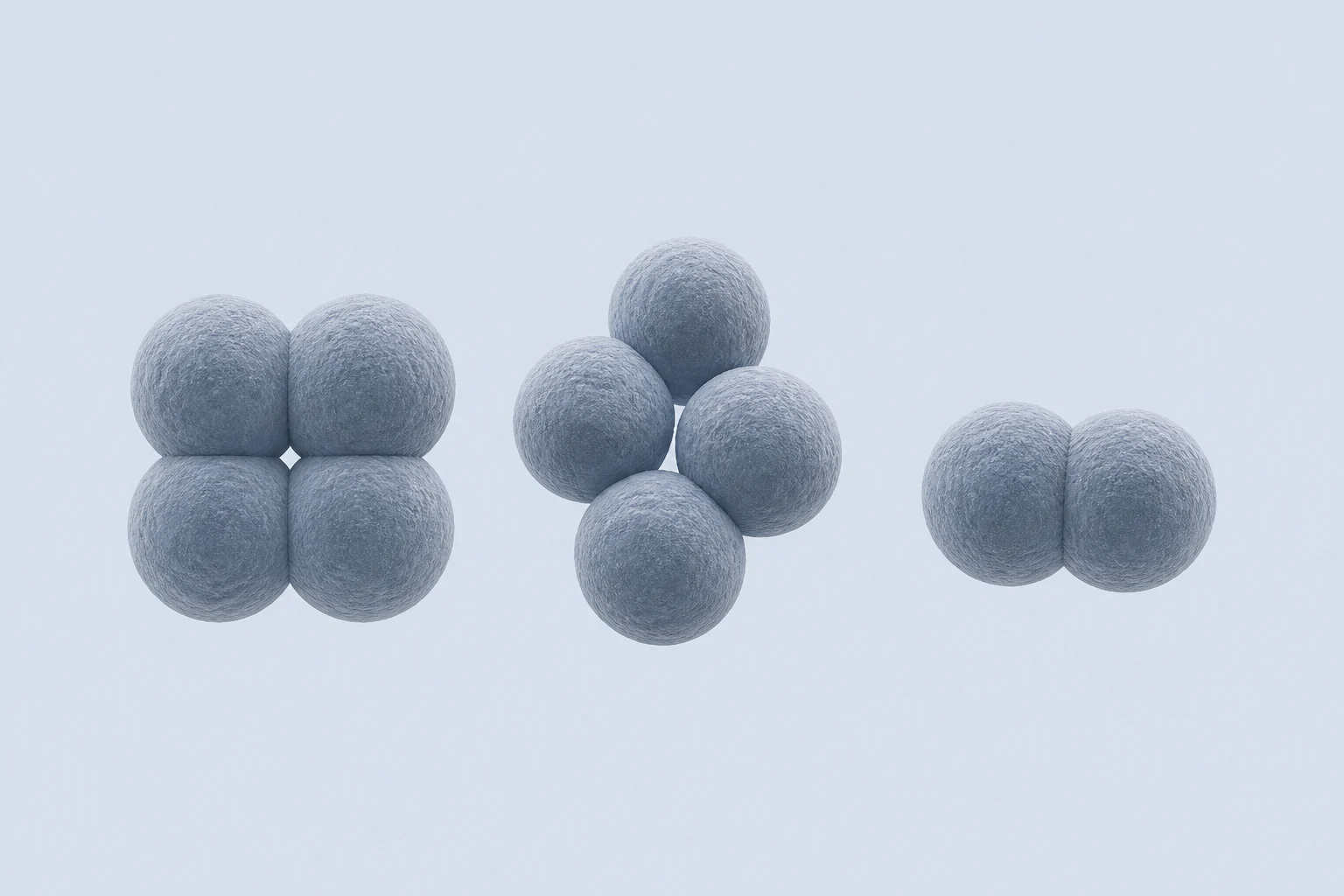
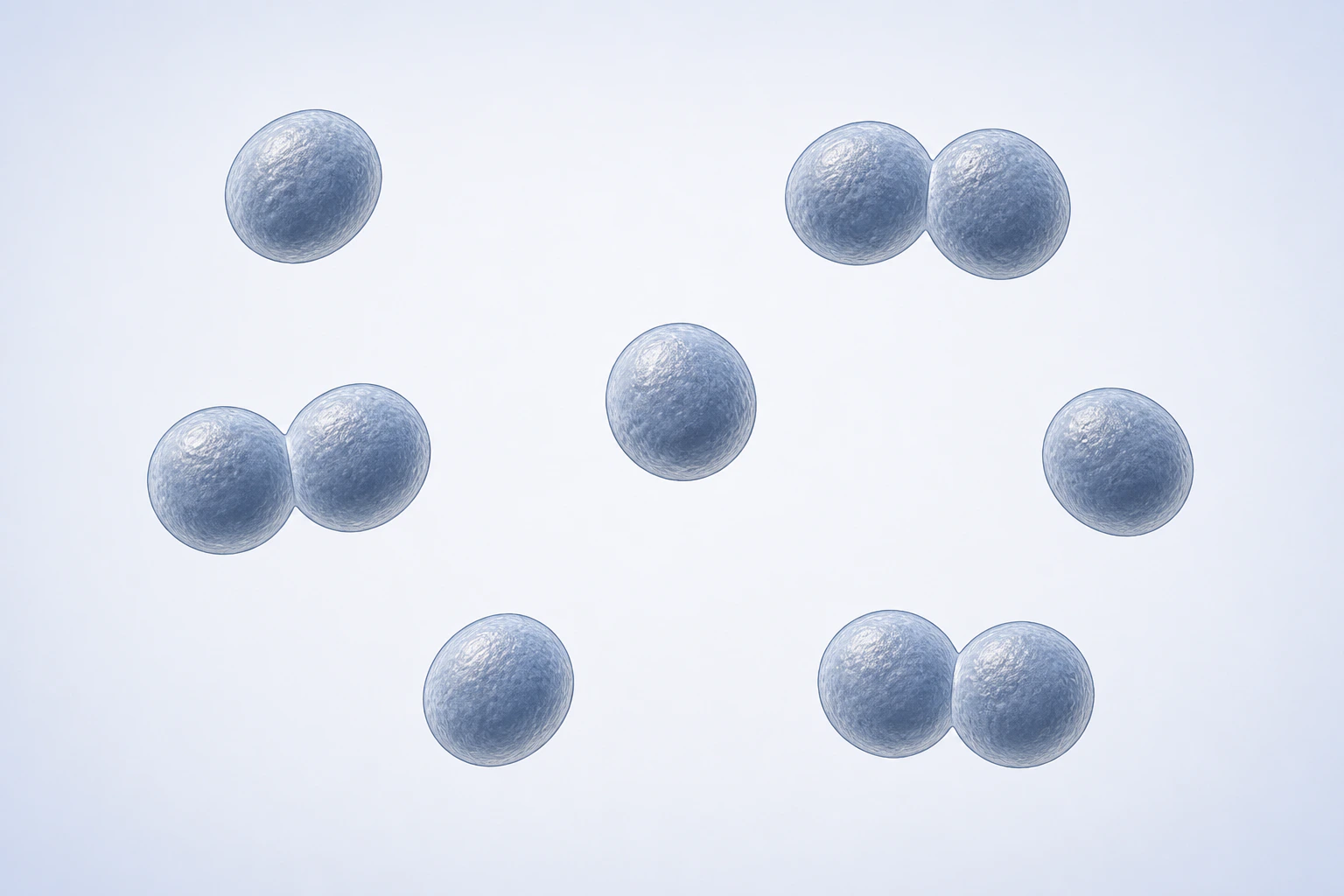
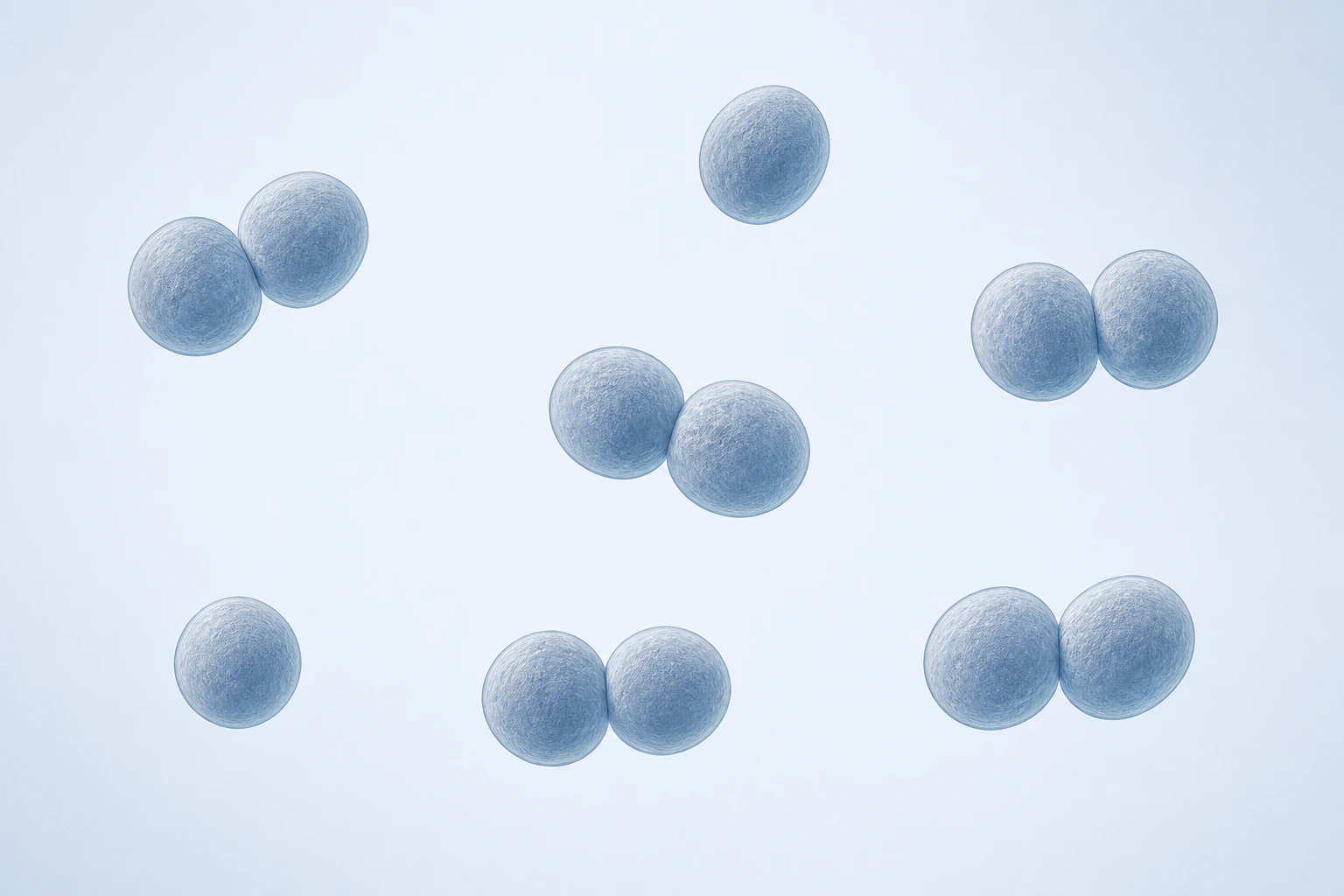
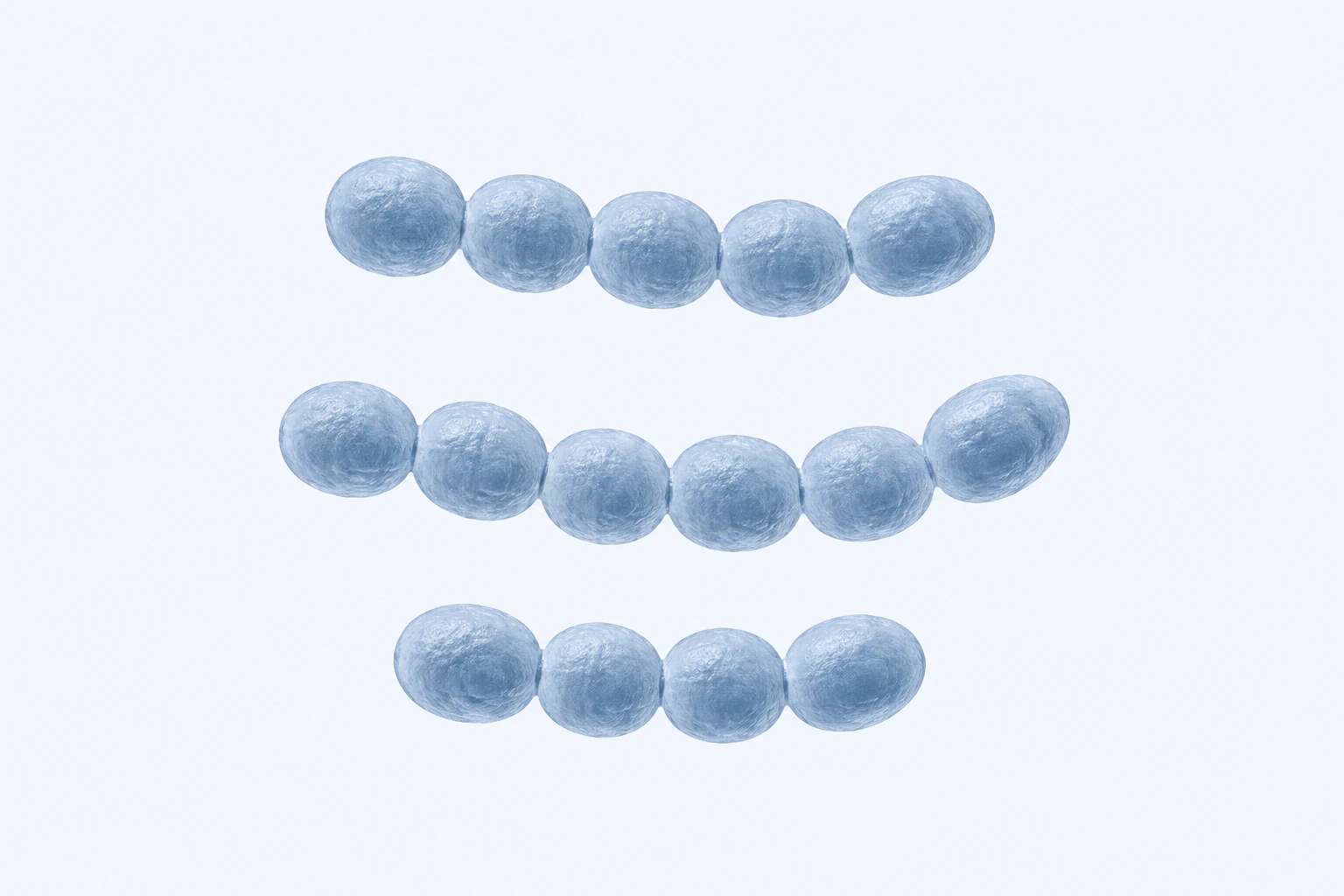
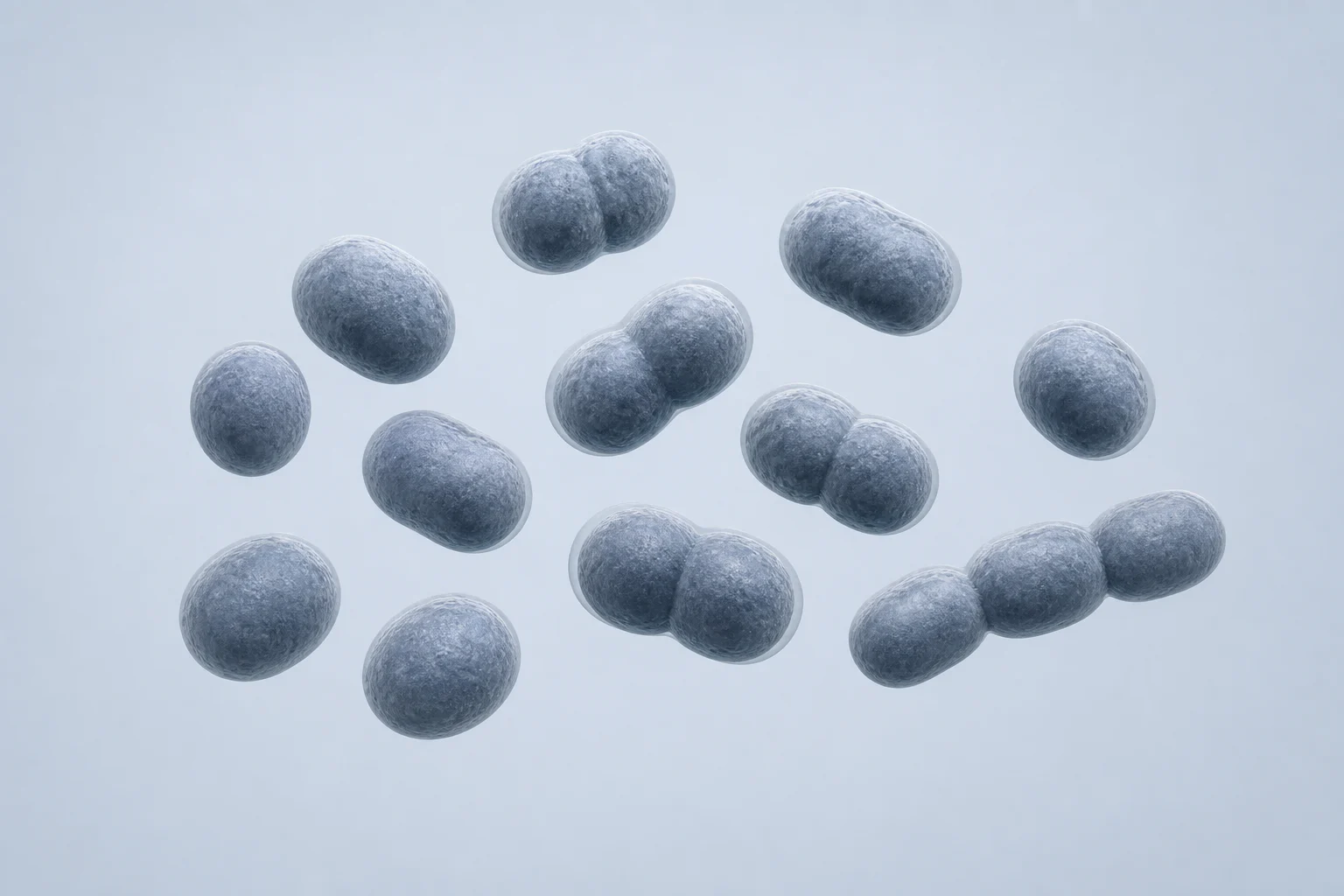
Twelve selected Streptococcus pneumoniae cocci appear as six opposed ovoid pairs.
Microorganisms7 sources

Streptococcus pneumoniae

A Gram-positive pathogen (the "pneumococcus") that depends on iron, manganese, and zinc for virulence and has evolved dedicated transport systems for each. Iron is required for viability itself, manganese powers the superoxide dismutase needed to survive the oxidative b…

T