Metallomics
This knowledge-base record is being expanded from WikiBiome’s evidence graph.
WikiBiomeThe human microbiome encyclopediaRanked matches across titles, topics, categories, and article introductions, filtered to mechanism.
This knowledge-base record is being expanded from WikiBiome’s evidence graph.
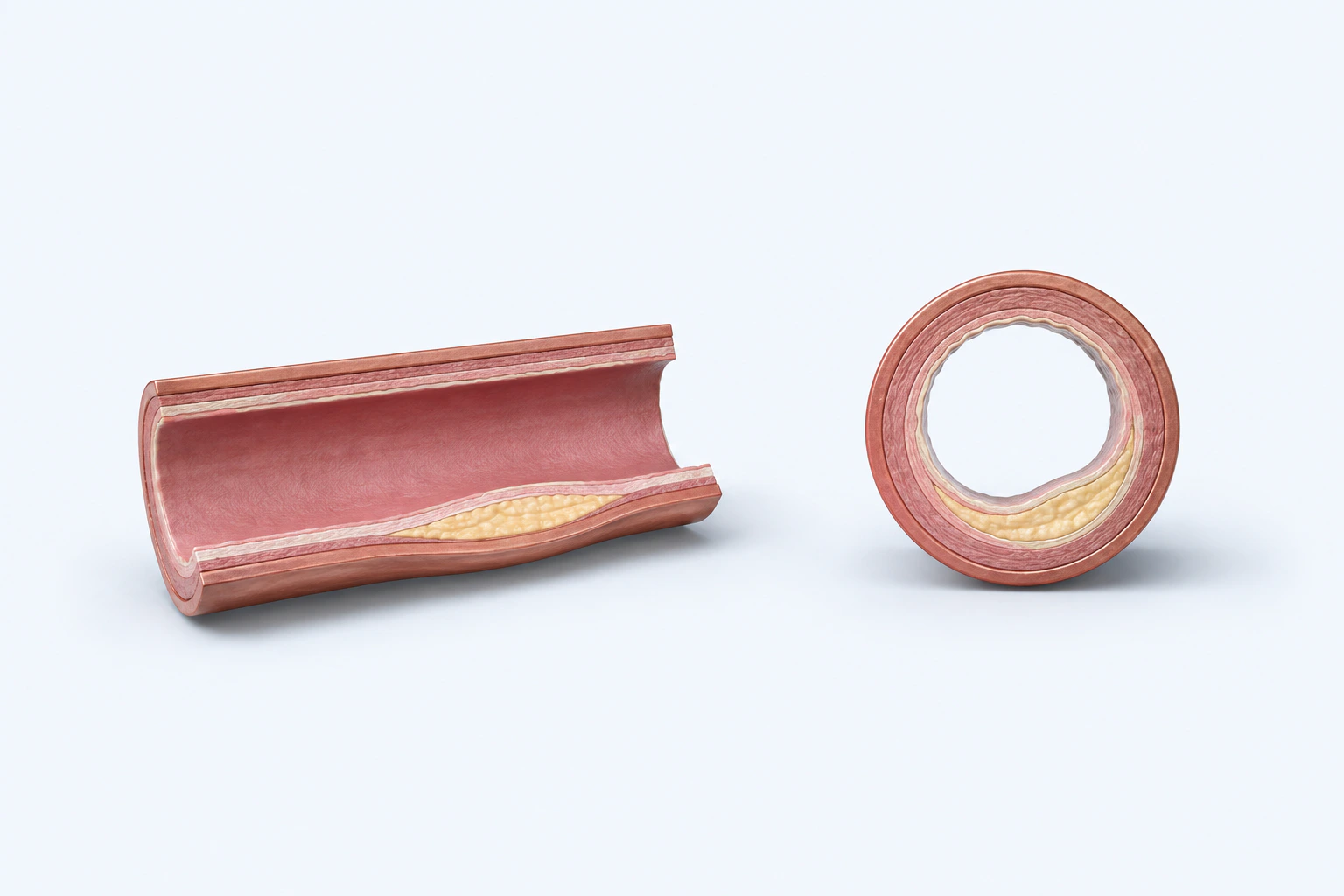
Progressive inflammatory disease of the arterial wall characterized by lipid accumulation, immune cell infiltration, and fibrous plaque formation. In the metallomics framework, atherosclerosis sits at the convergence of three interacting systems: heavy metal toxicity, g…
Measurable indicators of biological state, exposure, or disease. In the metallomics context, biomarkers span three interconnected domains: metal biomarkers (quantifying exposure and body burden), microbiome biomarkers (reflecting microbial community disruption), and met…
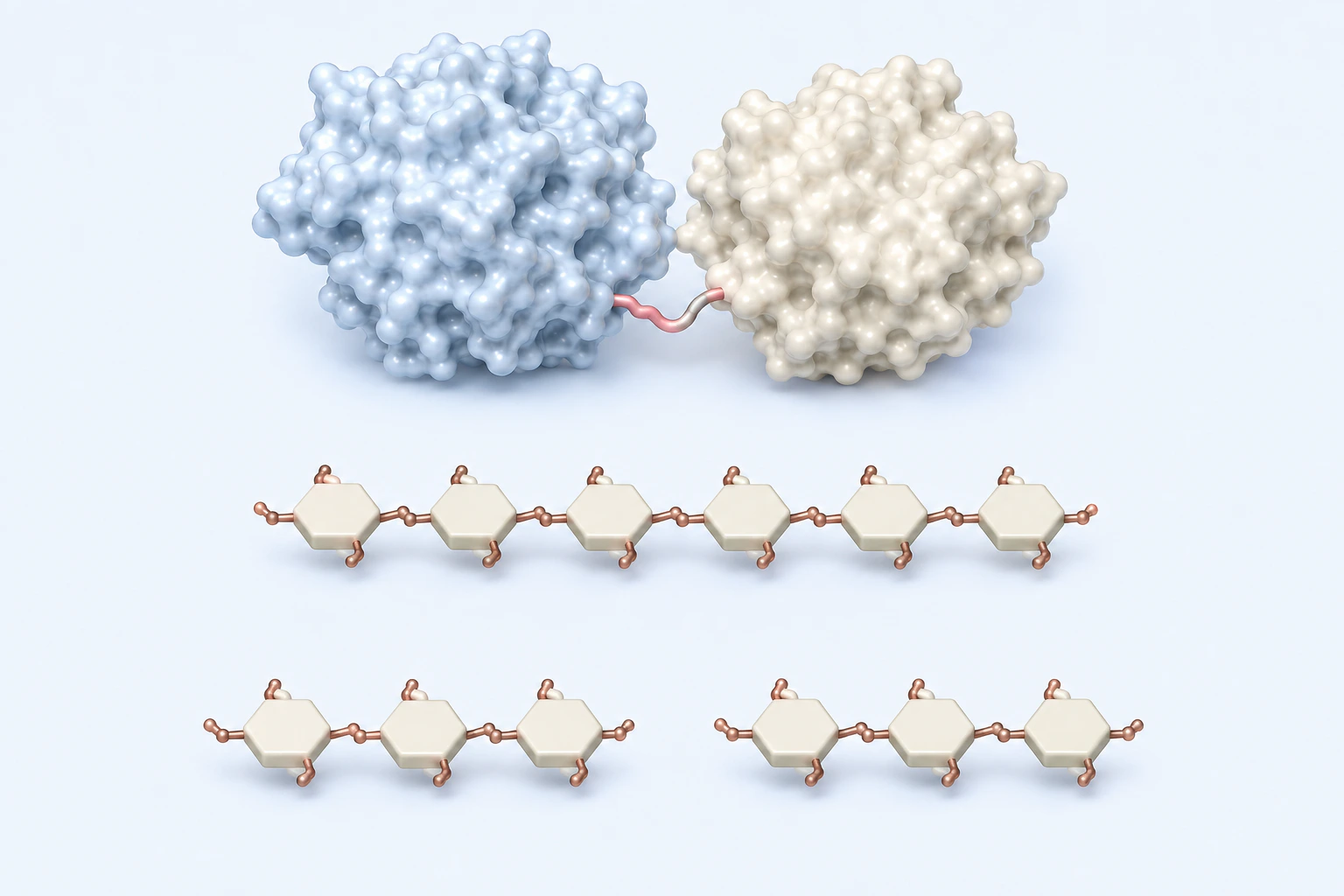
Chitotriosidase (CHIT1) is a human chitinase that degrades chitin — the structural polysaccharide of fungal cell walls, insect exoskeletons, and parasitic helminths. It is the most abundant chitinase in human serum and represents a direct arm of innate nutritional immun…
The co-occurrence of multiple diseases in the same individual at rates exceeding chance. Comorbidity patterns are a central puzzle in medicine -- why do IBD patients develop CVD? Why does PCOS cluster with T2D? Why do neurodegenerative diseases associate with depression…
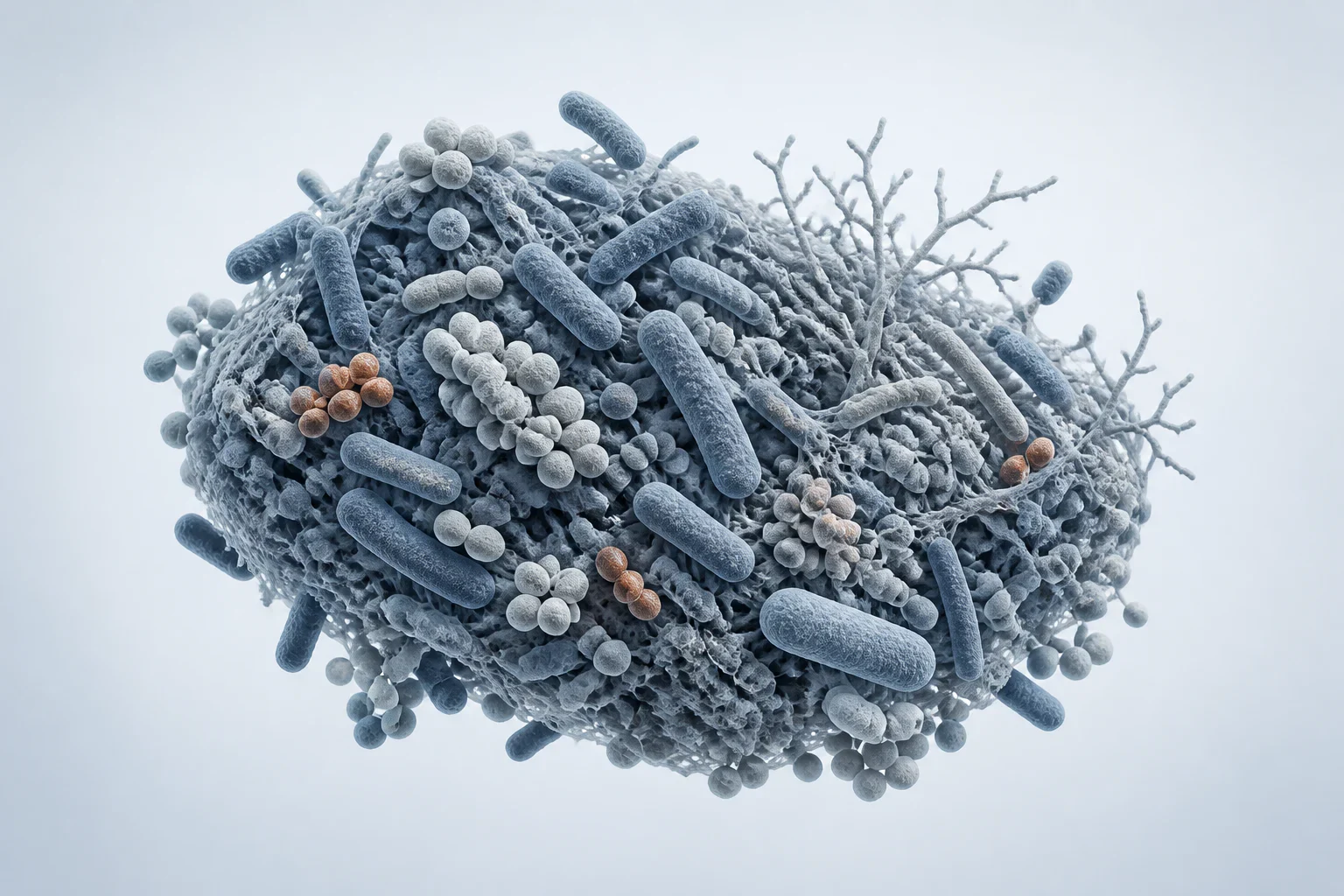
Disruption of the normal composition and metabolic function of microbial communities, particularly the gut microbiome. In the metallomics context, dysbiosis is both a consequence of metal toxicity and an amplifier of further disease -- creating vicious cycles where meta…
Exogenous chemicals that interfere with hormone synthesis, secretion, transport, binding, or elimination, mimicking or blocking endogenous hormones at physiologically relevant concentrations. In the metallomics-microbiome framework, endocrine disruptors occupy a critica…
Microglia are the resident immune cells of the central nervous system, constituting 5-12% of all brain cells. They function as the brain's surveillance and defense system -- scanning for damage, clearing debris, pruning synapses during development, and mounting inflamma…
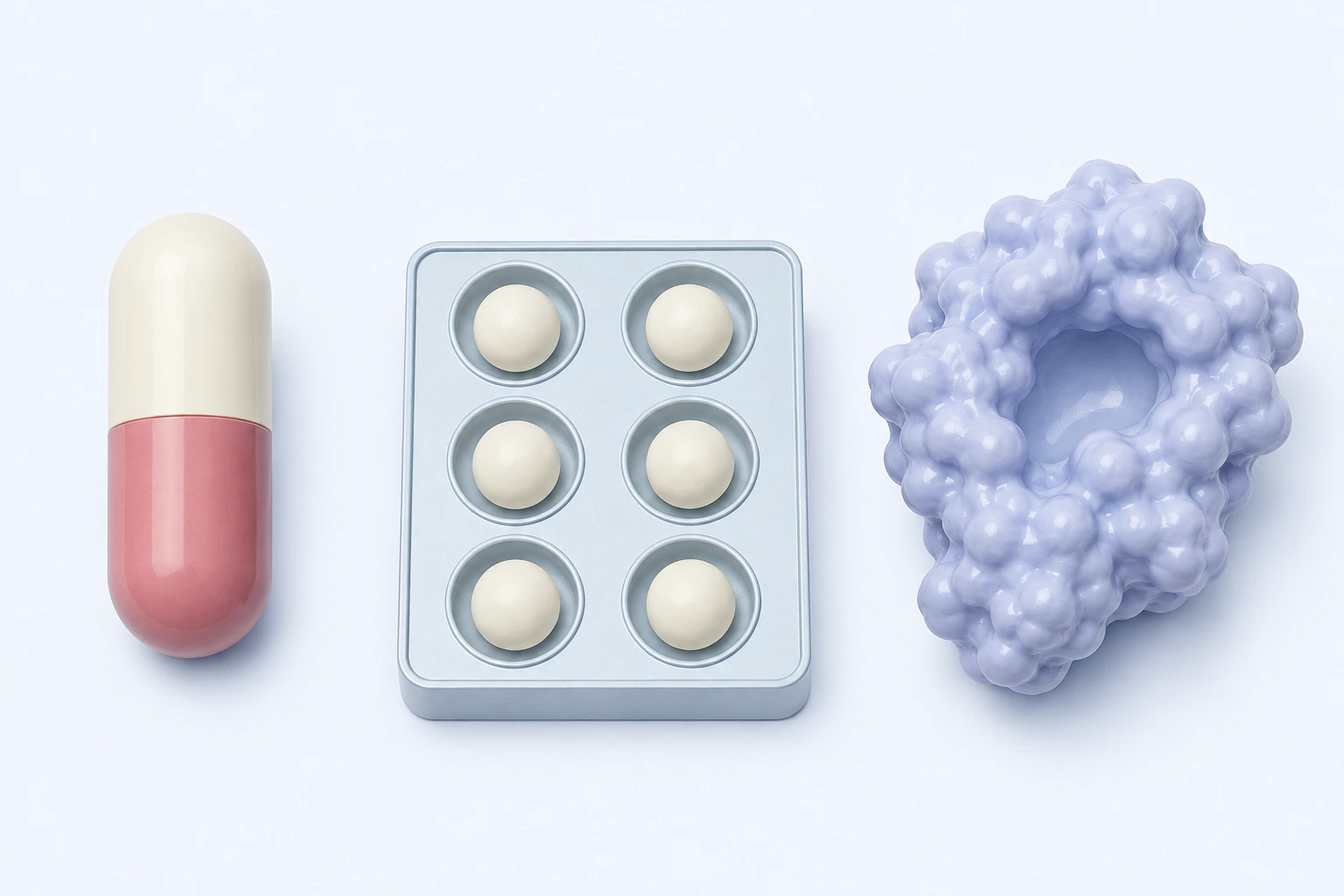
Pharmacomicrobiomics is the study of bidirectional interactions between drugs and the microbiome. The gut microbiome is not a passive bystander in pharmacology -- it actively metabolizes drugs, alters their bioavailability, and modulates therapeutic efficacy. Conversely…
Polyphenols are a diverse class of plant-derived compounds characterized by multiple phenol structural units. They are among the most abundant antioxidants in the human diet, found in fruits, vegetables, tea, coffee, wine, chocolate, and spices. What makes polyphenols p…
Tau is a microtubule-associated protein essential for maintaining the structural integrity of neuronal axons. In health, tau binds to and stabilizes microtubules, enabling axonal transport of organelles, vesicles, and signaling molecules. When tau becomes hyperphosphory…
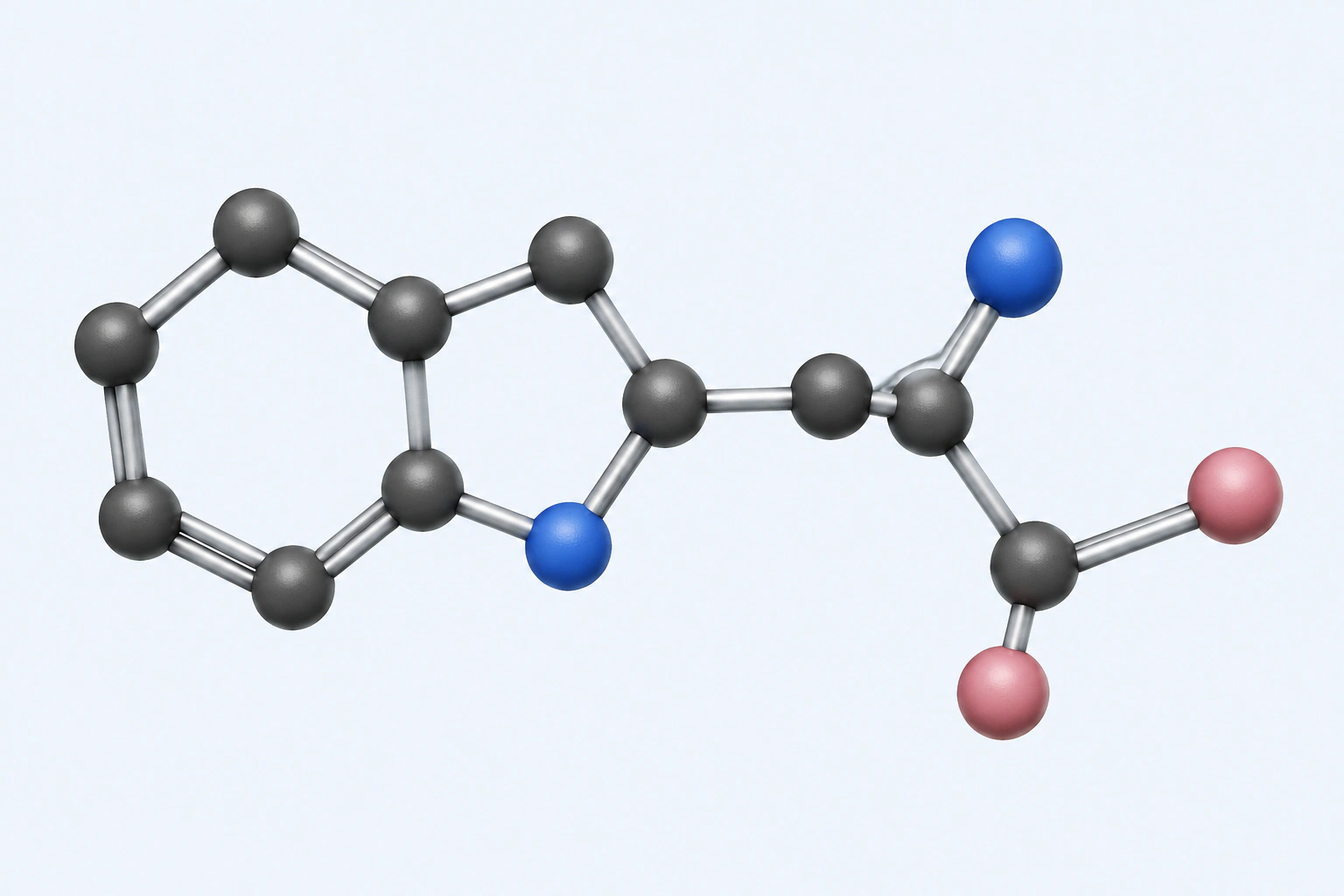
Tryptophan (Trp) is an essential amino acid that the human body cannot synthesize and must obtain from diet. It occupies a uniquely important position at the intersection of neuroscience, immunology, and microbial ecology because it is the sole precursor to serotonin, a…