WikiBiomeThe human microbiome encyclopedia
WikiBiome/Search: “regulatory”
Encyclopedia search

Search: “regulatory”

Ranked matches across titles, topics, categories, and article introductions.

29 records in this view

Organizations & projects

Public evidence indexHeavy Metal IndexA public reference library for heavy metals in foods, consumer products, and human health, operated by the Institute of Contaminant Standards.heavymetalindex.com
Mechanisms5 sources

Dietary Lead Exposure

lead (Pb) has no safe level of exposure. Unlike most dietary metals, lead does not play any known biological role — every atom absorbed represents toxic burden. While environmental lead exposure (paint, soil, air) has decreased dramatically since leaded gasoline phase-o

Mechanisms5 sources

Gene Regulation

Gene regulation in bacteria is the process by which cells control when and how much of each gene product is made. In the metallomics context, gene regulation is the mechanism by which bacteria respond to the metal environment -- sensing metal availability and adjusting

Reference0 sources

Glossary

Alphabetical definitions of specialist terms used throughout this wiki. Where a full concept page exists, the term links to it. --- AhR (aryl hydrocarbon receptor) -- A ligand-activated transcription factor that senses microbial metabolites (especially indoles from tryp

Mechanisms9 sources

Immune Balance

The immune system is not a monolith but a dynamic equilibrium between pro-inflammatory effector responses (Th1, Th2, Th17) and anti-inflammatory regulatory responses (Treg, IL-10, TGF-beta). Metals and the microbiome are two of the most potent environmental modulators o

Mechanisms8 sources

Metal Sensing

Metal sensing is the set of regulatory mechanisms bacteria use to detect intracellular metal concentrations and adjust gene expression accordingly. Because metal ions cannot be synthesized or degraded -- only imported, exported, sequestered, or trafficked -- sensing and

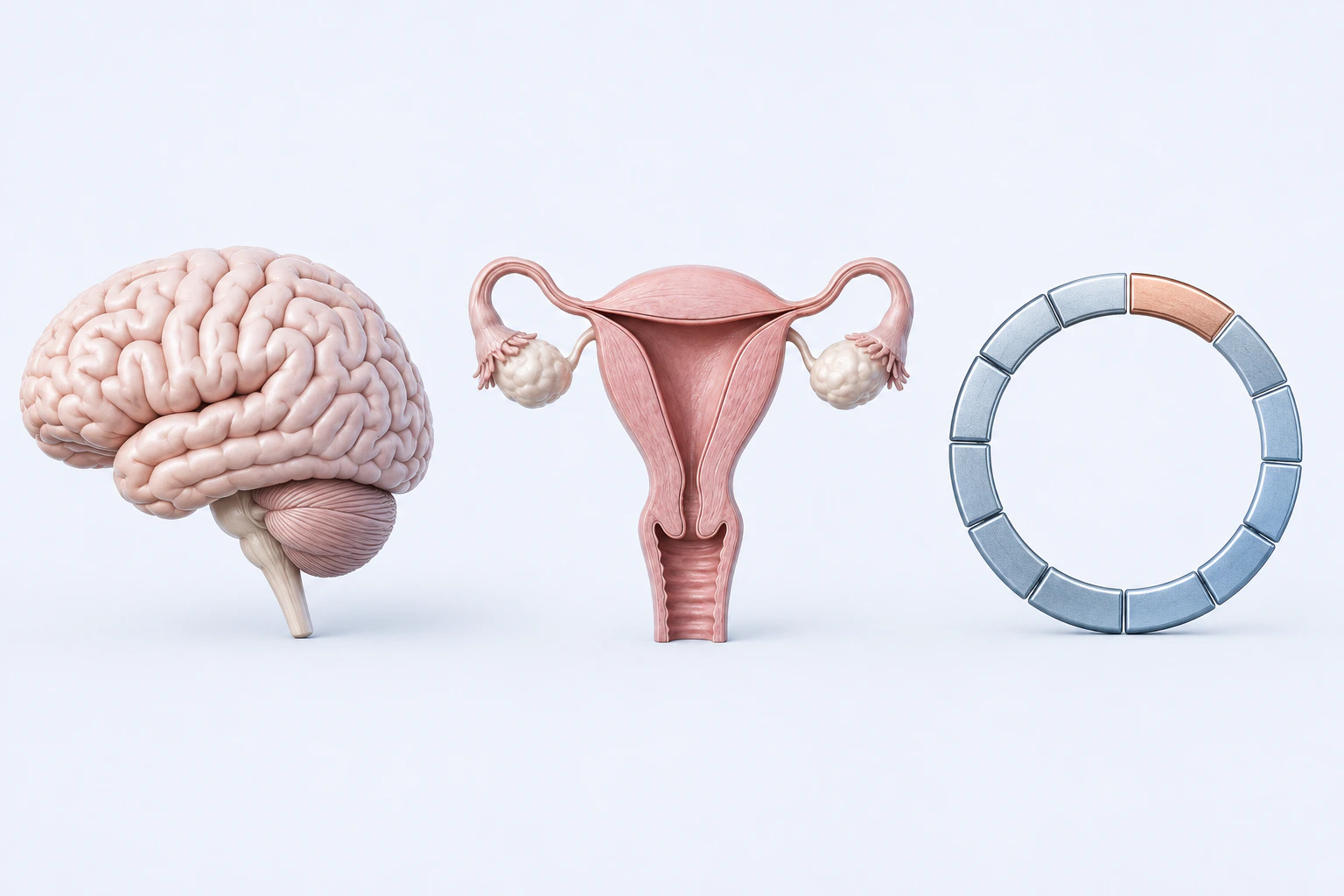
A neutral brain, reproductive anatomy, and an unnumbered timing ring appear separately for postpartum-depression orientation.
Diseases13 sources

Postpartum Depression

Postpartum depression (PPD) affects 10-20% of women after delivery, with profound consequences for maternal health, infant bonding, and child neurodevelopment chao 2025 microbiota gut brain perinatal depression. The standard framing centers on hormonal withdrawal (estro

Mechanisms7 sources

Th17/Treg Balance

The Th17/Treg balance is the immunological equilibrium between pro-inflammatory T helper 17 (Th17) cells and anti-inflammatory regulatory T (Treg) cells. This balance is the master switch between immune tolerance and autoimmune/inflammatory pathology — and the gut micro