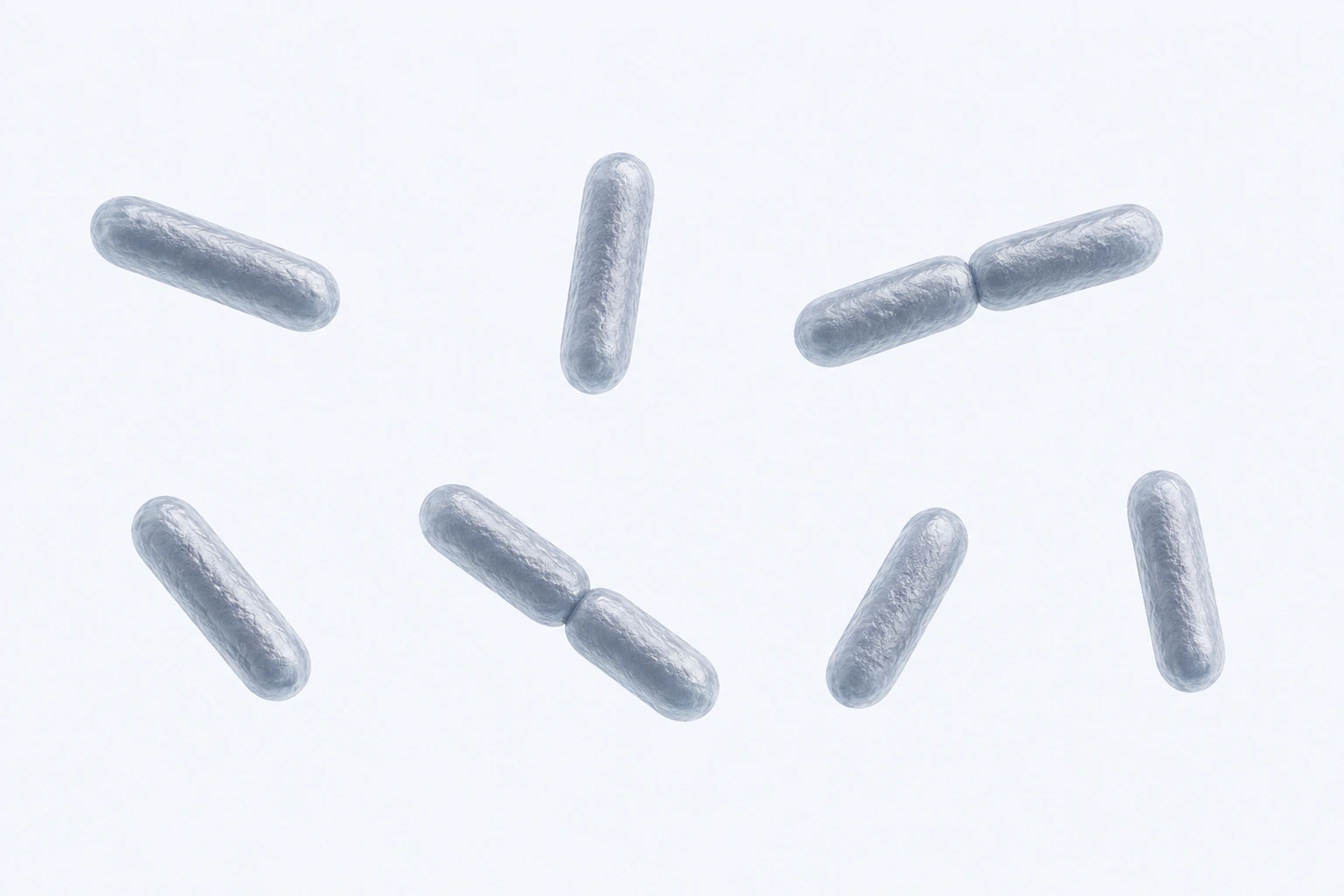
A pathotype of escherichia coli that adheres to and invades intestinal epithelial cells, survives and replicates within macrophages, and is strongly associated with ileal Crohn's disease. Unlike classical diarrheagenic E. coli pathotypes (EPEC, ETEC, EHEC), AIEC does no…
Anxiety disorders are the most prevalent mental health conditions globally, affecting ~280 million people (~4.8% of the world population). They encompass generalized anxiety disorder (GAD), social anxiety, panic disorder, and phobias. In the WikiBiome context, anxiety f…
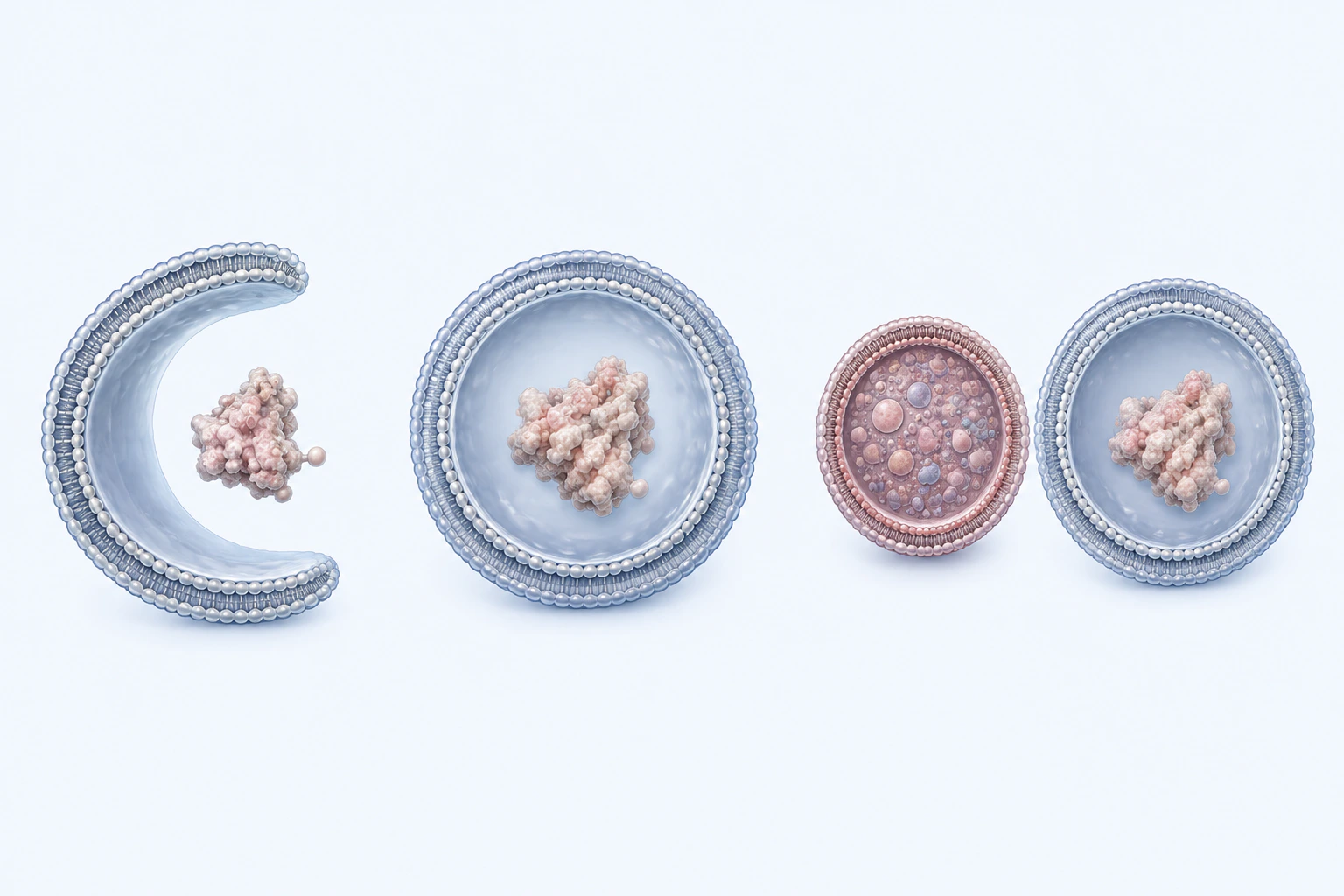
Autophagy (from Greek, "self-eating") is the cellular process of degrading and recycling damaged organelles, misfolded proteins, and intracellular pathogens through lysosomal digestion. It is the cell's primary quality control mechanism -- a housekeeping system that bec…
A Gram-negative obligate anaerobe and the most clinically significant member of the Bacteroides genus. B. fragilis occupies a unique dual position in gut microbiology: as a non-toxigenic commensal (NTBF), it produces polysaccharide A (PSA) that shapes immune tolerance; …
Candida tropicalis is an opportunistic fungal pathogen and occasional gut commensal, increasingly recognized as one of the most clinically significant non-albicans Candida (NAC) species. Once considered a distant runner-up to C. albicans, it has emerged as a major drive…
A chronic, relapsing-remitting inflammatory bowel disease (IBD) characterized by transmural inflammation of the gastrointestinal tract, most commonly affecting the terminal ileum and colon but capable of involving any segment from mouth to anus zhang 2017 intestinal mic…
Debaryomyces is a genus of ascomycetous fungi, with D. hansenii being the most clinically relevant species, that represents a prominent opportunistic pathobiont enriched in inflammatory bowel disease, particularly crohns disease. Unlike many commensal fungi, Debaryomyce…
Defensins are small (29–45 amino acid) cationic antimicrobial peptides that form the first line of chemical defense at mucosal surfaces. Alpha-defensins (HD5, HD6) are produced by Paneth cells in the small intestinal crypts; beta-defensins (hBD1-4) are produced by epith…
Research summary — not medical advice. This page synthesizes published research on a mechanism-level intervention. It is not a clinical recommendation. Consult a qualified healthcare provider before making any changes to diet, supplementation, or treatment.
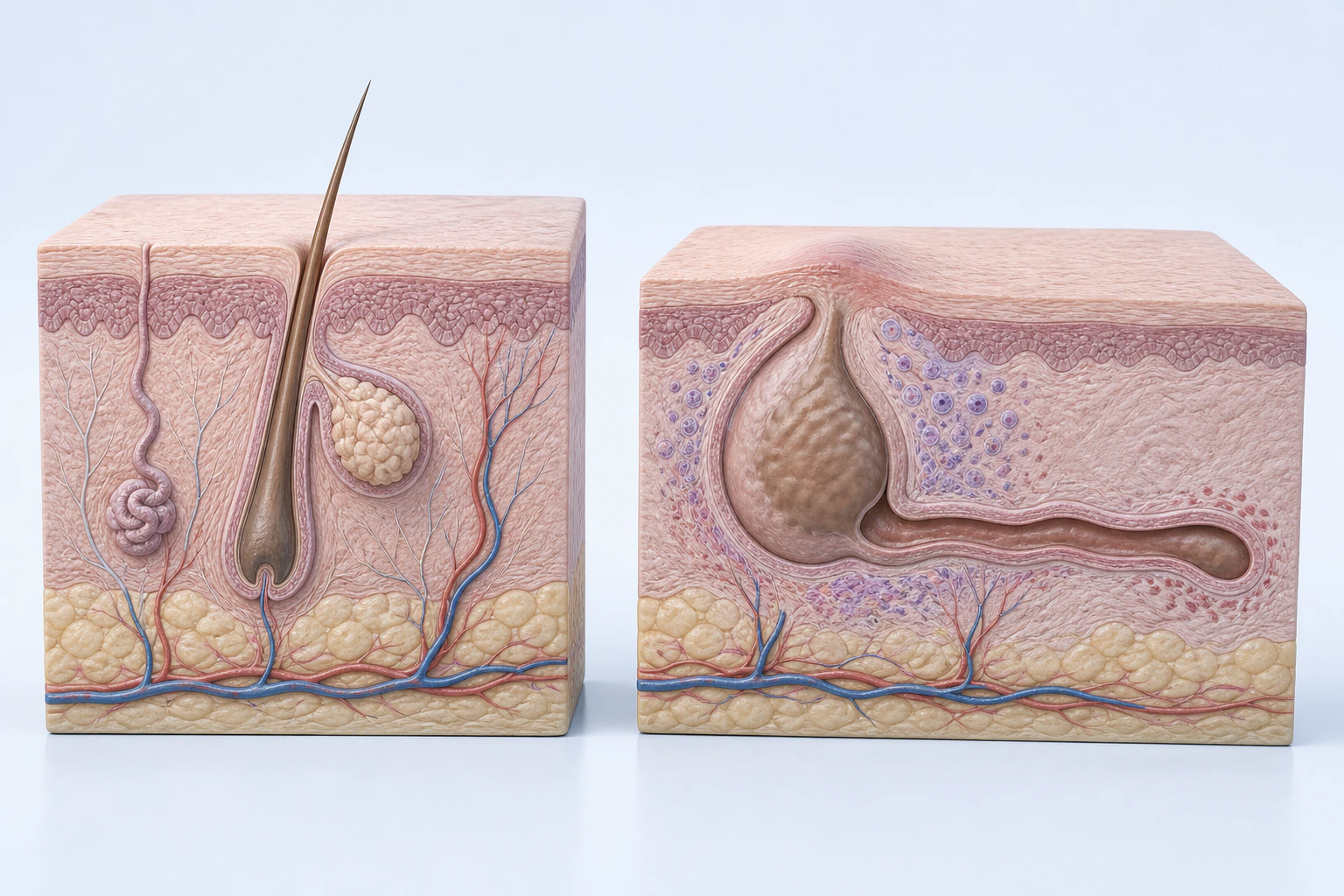
Hidradenitis suppurativa (HS) is a chronic, relapsing inflammatory skin disease characterized by painful nodules, abscesses, and sinus tracts in apocrine gland-bearing skin (axillae, groin, inframammary folds). Long classified as a purely dermatological condition, emerg…
Research summary — not medical advice. This page synthesizes published research on a mechanism-level intervention. It is not a clinical recommendation. Consult a qualified healthcare provider before making any changes to diet, supplementation, or treatment.
Hypoxia refers to a state of low oxygen tension (partial pressure of O₂ < 5% in tissue, vs. ~21% in air). In the context of microbiome metallomics, hypoxia is a critical ecological determinant that reshapes bacterial community structure by favoring obligate and facultat…
An umbrella term for chronic relapsing-remitting inflammatory conditions of the gastrointestinal tract, principally crohns disease (CD; transmural, any GI segment) and ulcerative colitis (UC; mucosal, colon only). Approximately 6 million patients worldwide. IBD represen…
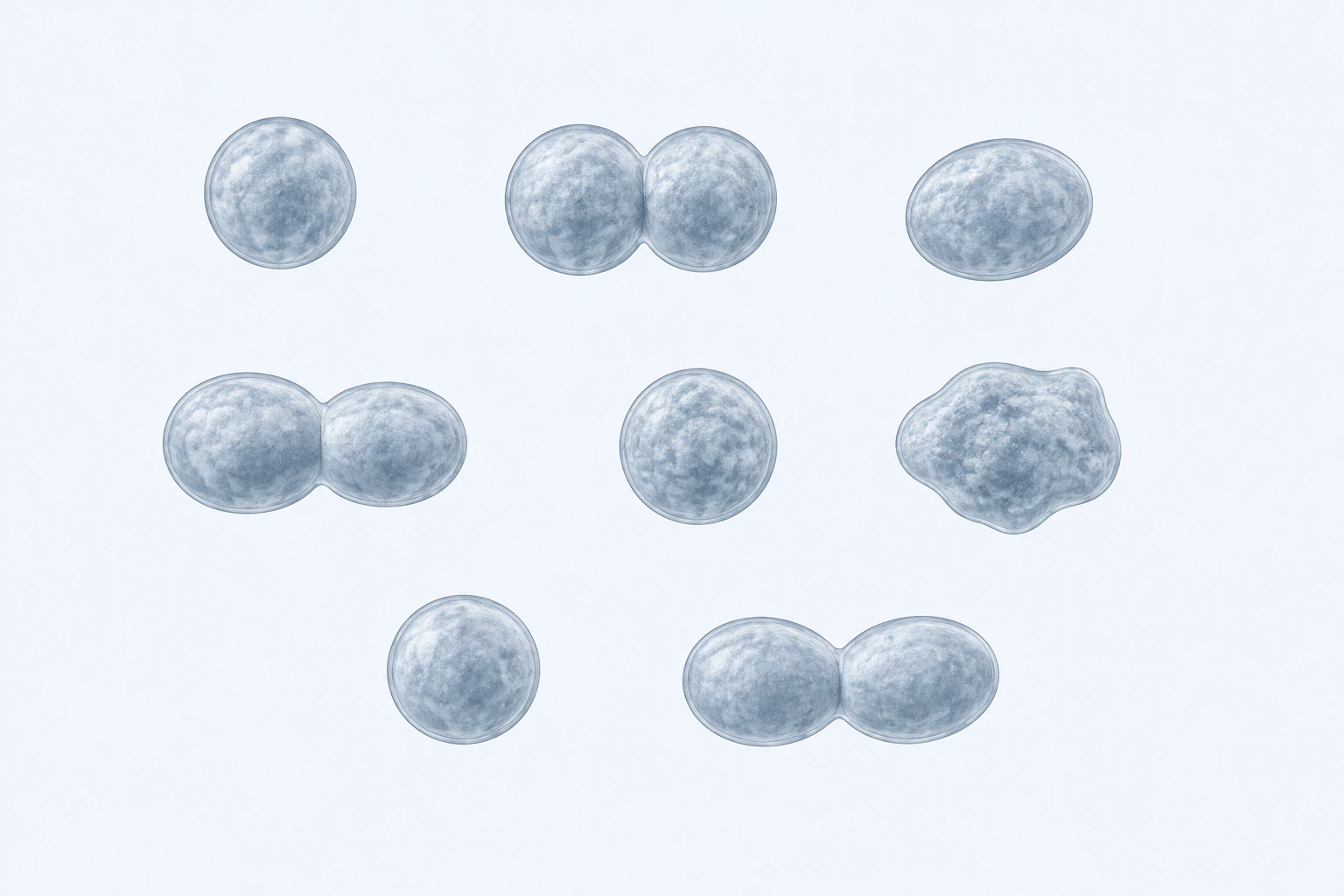
Mycoplasma is a genus of wall-less bacteria in the class Mollicutes, characterized by the smallest genomes of any self-replicating organisms (~580–1,350 kb). The lack of a cell wall makes them intrinsically resistant to beta-lactam antibiotics and undetectable by Gram s…
Peptidoglycan (murein) is the polymer of N-acetylglucosamine and N-acetylmuramic acid cross-linked by short peptides that forms the bacterial cell wall. It is a major pathogen-associated molecular pattern (PAMP) recognized by host TLR2 (intact peptidoglycan), NOD1 (meso…
A Gram-positive obligate anaerobe that has emerged as a pro-inflammatory pathobiont enriched across multiple disease states including crohns disease, depression, and multiple sclerosis. R. gnavus produces a species-specific inflammatory polysaccharide that activates int…
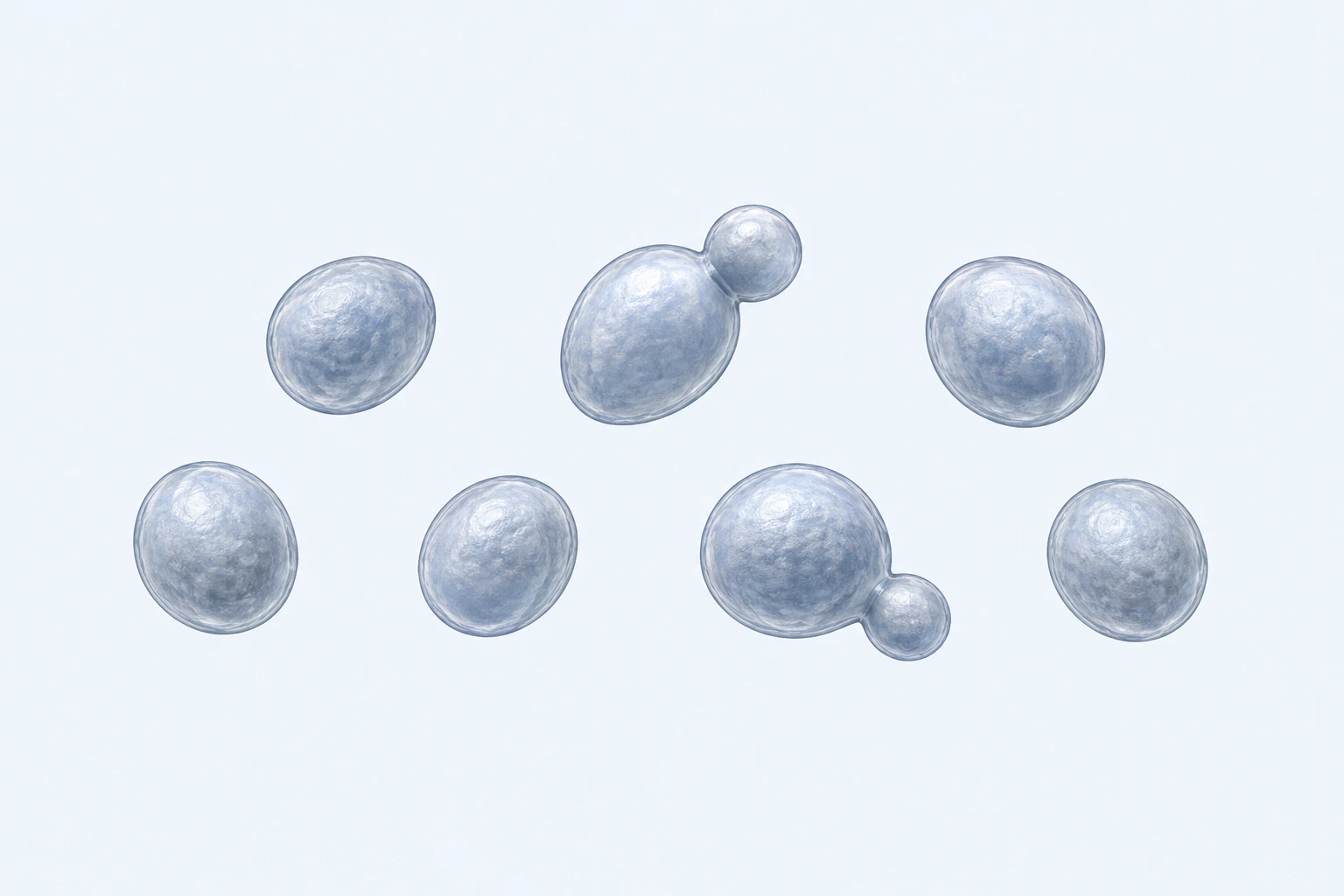
Saccharomyces cerevisiae is a unicellular budding fungus (ascomycete) ubiquitous in fermentation, brewing, bread-making, and increasingly used as a pharmaceutical probiotic (Hatoum et al. 2012). The strain S. boulardii (also called S. cerevisiae var. boulardii) is the m…
Serratia marcescens is a Gram-negative, facultatively anaerobic member of the Enterobacteriaceae, historically recognized by its distinctive red pigment prodigiosin. Once considered a harmless environmental saprophyte, S. marcescens is now recognized as a significant op…
Warning: Clinical Disclaimer: This STOP page represents a hypothesis based on mechanistic evidence and should NOT replace clinical judgment. Always consult with a qualified healthcare provider before modifying any treatment plan. Evidence quality ratings reflect the str…
Research summary -- not medical advice. This page synthesizes published research on why a commonly prescribed intervention may be counterproductive in this specific clinical context. Consult a qualified healthcare provider before making any changes to treatment.
Warning: Clinical Disclaimer: This STOP page represents a hypothesis based on mechanistic evidence and should NOT replace clinical judgment. Always consult with a qualified healthcare provider before modifying any treatment plan. Evidence quality ratings reflect the str…
A synbiotic is a combination of a probiotic (live beneficial microorganism) and a prebiotic (substrate that selectively feeds beneficial microbes), designed to work synergistically — the prebiotic supports the survival and colonization of the probiotic organism. Synbiot…
A chronic inflammatory bowel disease characterized by continuous mucosal inflammation of the colon, extending proximally from the rectum. Unlike crohns disease, UC is limited to the colon, affects only the mucosa/submucosa (not transmural), produces no skip lesions, and…