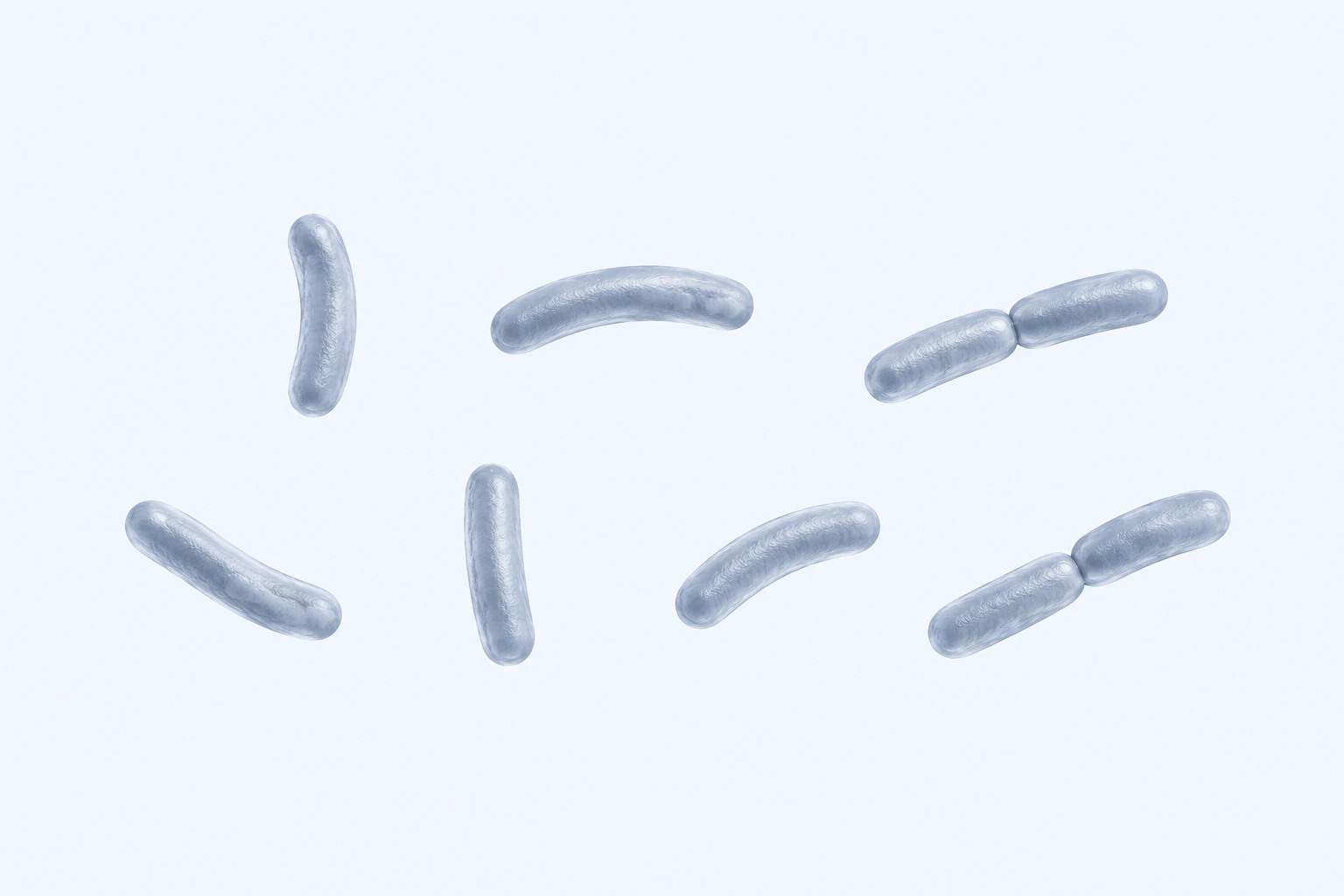
Roseburia intestinalis
This knowledge-base record is being expanded from WikiBiome’s evidence graph.
WikiBiomeThe human microbiome encyclopediaRanked matches across titles, topics, categories, and article introductions, filtered to microbe.
This knowledge-base record is being expanded from WikiBiome’s evidence graph.
A pathotype of escherichia coli that adheres to and invades intestinal epithelial cells, survives and replicates within macrophages, and is strongly associated with ileal Crohn's disease. Unlike classical diarrheagenic E. coli pathotypes (EPEC, ETEC, EHEC), AIEC does no…
Aeromonas is a genus of Gram-negative, facultatively anaerobic bacteria found in aquatic environments and, increasingly recognized as an opportunistic gut pathogen. Several species — particularly Aeromonas hydrophila, A. veronii, and A. caviae — are associated with gast…
A Gram-negative, obligate anaerobic, mucin-degrading bacterium first isolated from human feces and formally described as a second species within the genus Akkermansia. Like its well-studied sister species akkermansia muciniphila, A. mucinicola colonizes the intestinal m…
A Gram-negative, obligate anaerobic, mucin-degrading bacterium that colonizes the intestinal mucus layer and has emerged as one of the most important next-generation probiotics. A. muciniphila is consistently depleted in disease states associated with metal dyshomeostas…
Anaerococcus is a genus of Gram-positive, obligate anaerobic cocci within the phylum Firmicutes. It is a normal inhabitant of the human vaginal, skin, and gastrointestinal microbiota, but is recognized as an opportunistic pathogen in dysbiotic states, particularly when …
A genus of Gram-negative intracellular pathogens causing brucellosis, the most common bacterial zoonosis worldwide. Brucella species depend on nickel-activated urease for gastrointestinal survival during the initial phase of infection, and urease immunization has been s…
Clostridium perfringens is a Gram-positive, strictly anaerobic, spore-forming bacterium infamous for causing gas gangrene, food poisoning, and necrotizing enterocolitis (NEC) in premature infants. It is one of the most widely distributed pathogenic bacteria in nature, f…
A Gram-positive obligate anaerobe and key estrobolome member that links metabolic dysbiosis to hormone-driven diseases, particularly endometriosis. E. lenta is remarkable for its ability to inactivate cardiac glycosides (like digoxin) and to produce beta-glucuronidase, …
Enterococcus faecalis is a Gram-positive, facultatively anaerobic coccus that inhabits the gastrointestinal tract, oral cavity, and genitourinary tract of humans. It is a commensal in the healthy gut at low abundance but is one of the most clinically significant opportu…
Erysipelotrichaceae is a family within the phylum Firmicutes that has drawn increasing attention for its consistent enrichment in metabolic disorders. Members of this family are Gram-positive, obligate anaerobes found throughout the mammalian gastrointestinal tract, whe…
The most abundant bacterium in the healthy human colon (5-15% of total fecal microbiota), F. prausnitzii is the premier butyrate producer in the gut and a cornerstone of anti-inflammatory intestinal homeostasis. Its depletion is one of the most consistent microbiome sig…
A Gram-negative obligate anaerobe that has emerged as a major pathogen in colorectal cancer (CRC) and inflammatory bowel disease. F. nucleatum is significantly enriched in CRC tissue and tumors compared to healthy mucosa, making it one of the strongest microbe-cancer as…
A Gram-negative obligate anaerobe that occupies a paradoxical niche in the gut microbiota: as a weak butyrate producer (short-chain fatty acid), it has anti-inflammatory potential; as a virulent invasive pathobiont in inflammatory bowel disease (particularly ulcerative …
Haemophilus is a genus of small, Gram-negative, facultatively anaerobic coccobacilli that inhabit the upper respiratory tract, oral cavity, and gastrointestinal tract. The genus name literally means "blood-loving" -- a direct reference to its absolute requirement for he…
A Gram-negative, microaerophilic bacterium within the Epsilonproteobacteria (family Helicobacteraceae) that is the primary murine model of hepatobiliary and intestinal disease. Unlike its more famous relative helicobacter pylori, which colonizes the stomach, H. hepaticu…
A Gram-negative obligate anaerobe traditionally considered an oral commensal, but increasingly recognized as an opportunistic pathobiont with the ability to translocate from oral biofilms to the gastrointestinal tract and bloodstream. Leptotrichia species are prominentl…
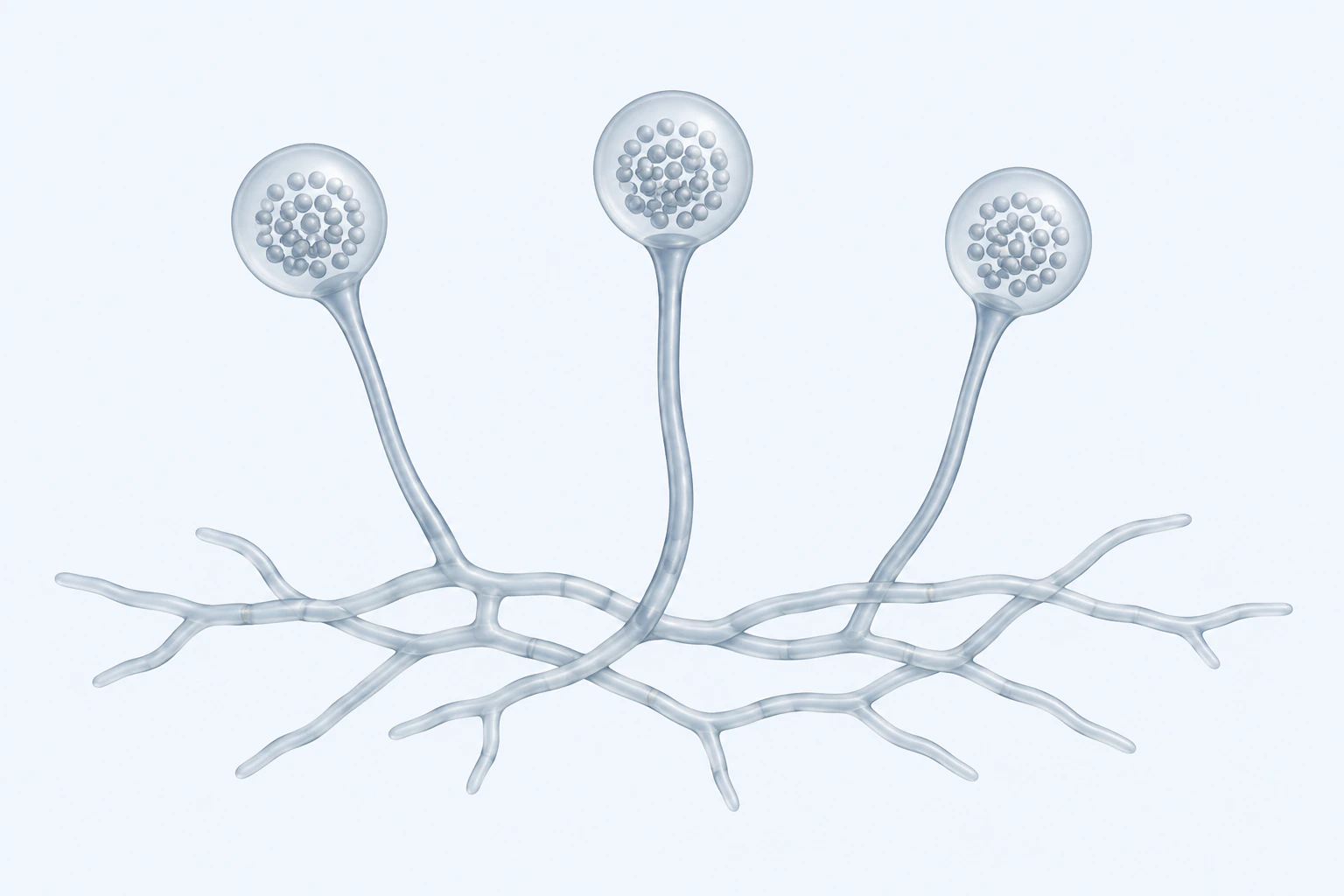
Mortierella is a genus of soil-dwelling fungi in the phylum Mortierellomycota (formerly placed in Zygomycota). While primarily known as environmental saprotrophs, Mortierella species have recently been identified as residents of the human gut mycobiome -- the fungal com…
A family of Gram-positive obligate anaerobes (formerly classified as the genus Oscillospira, now reclassified into Oscillibacter and related genera within Oscillospiraceae) that serve as keystone butyrate producers in the healthy human distal colonic microbiota (Konikof…
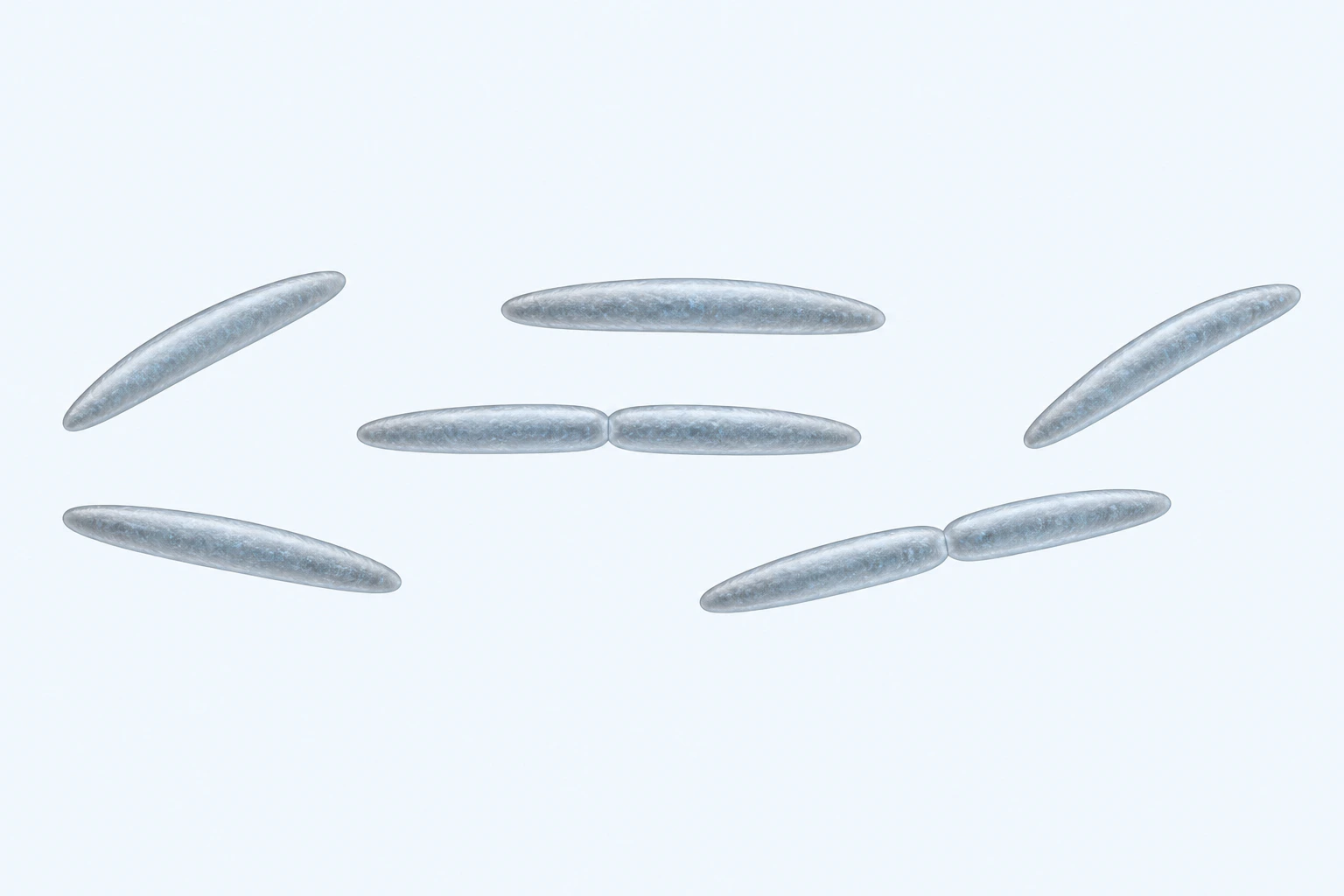
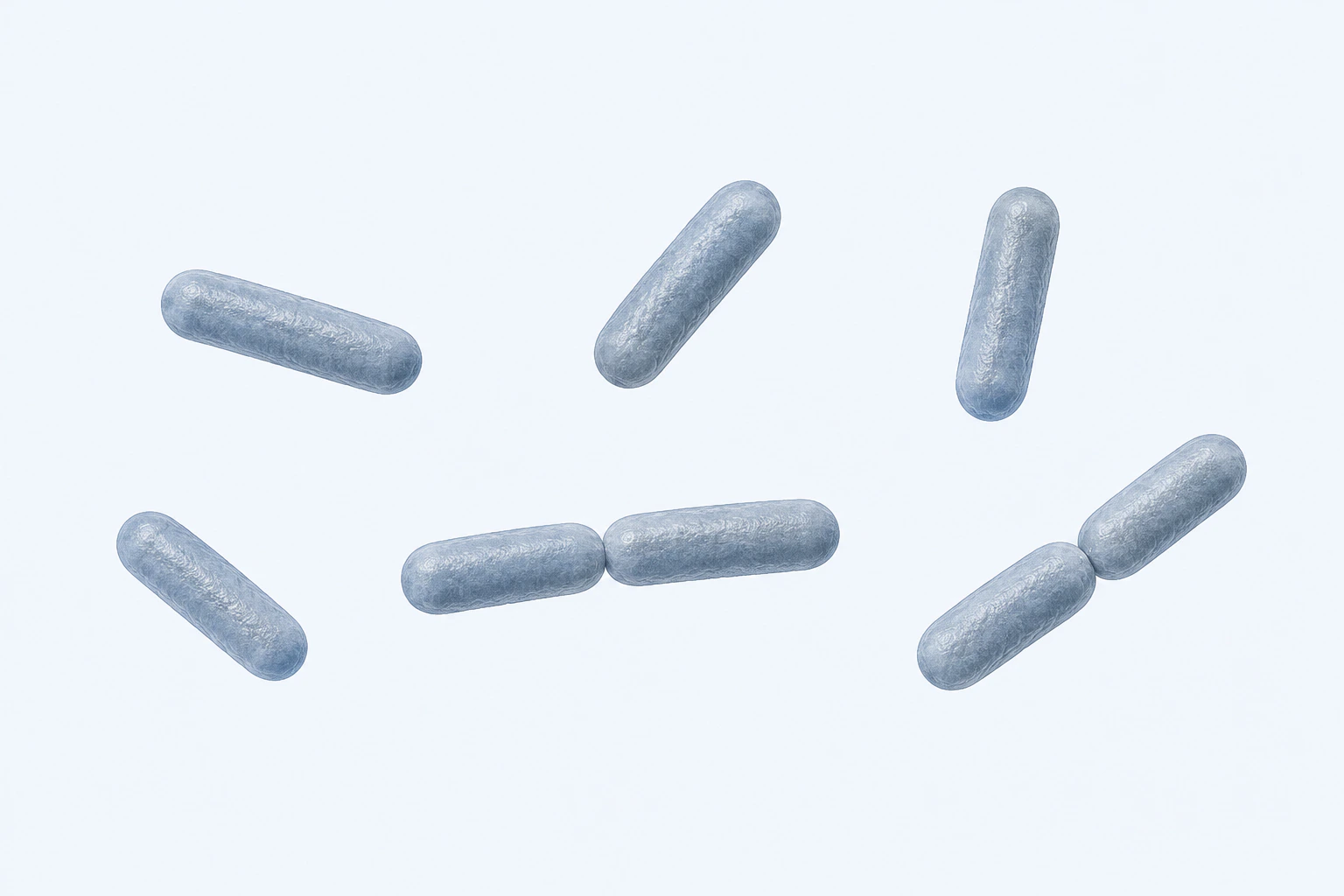
A genus of Gram-positive, obligate anaerobic, flagellated bacteria within the lachnospiraceae family that ranks among the most important butyrate producers in the human gut. Key species include R. intestinalis and R. hominis. Roseburia is consistently depleted across in…
A Gram-positive obligate anaerobe that has emerged as a pro-inflammatory pathobiont enriched across multiple disease states including crohns disease, depression, and multiple sclerosis. R. gnavus produces a species-specific inflammatory polysaccharide that activates int…
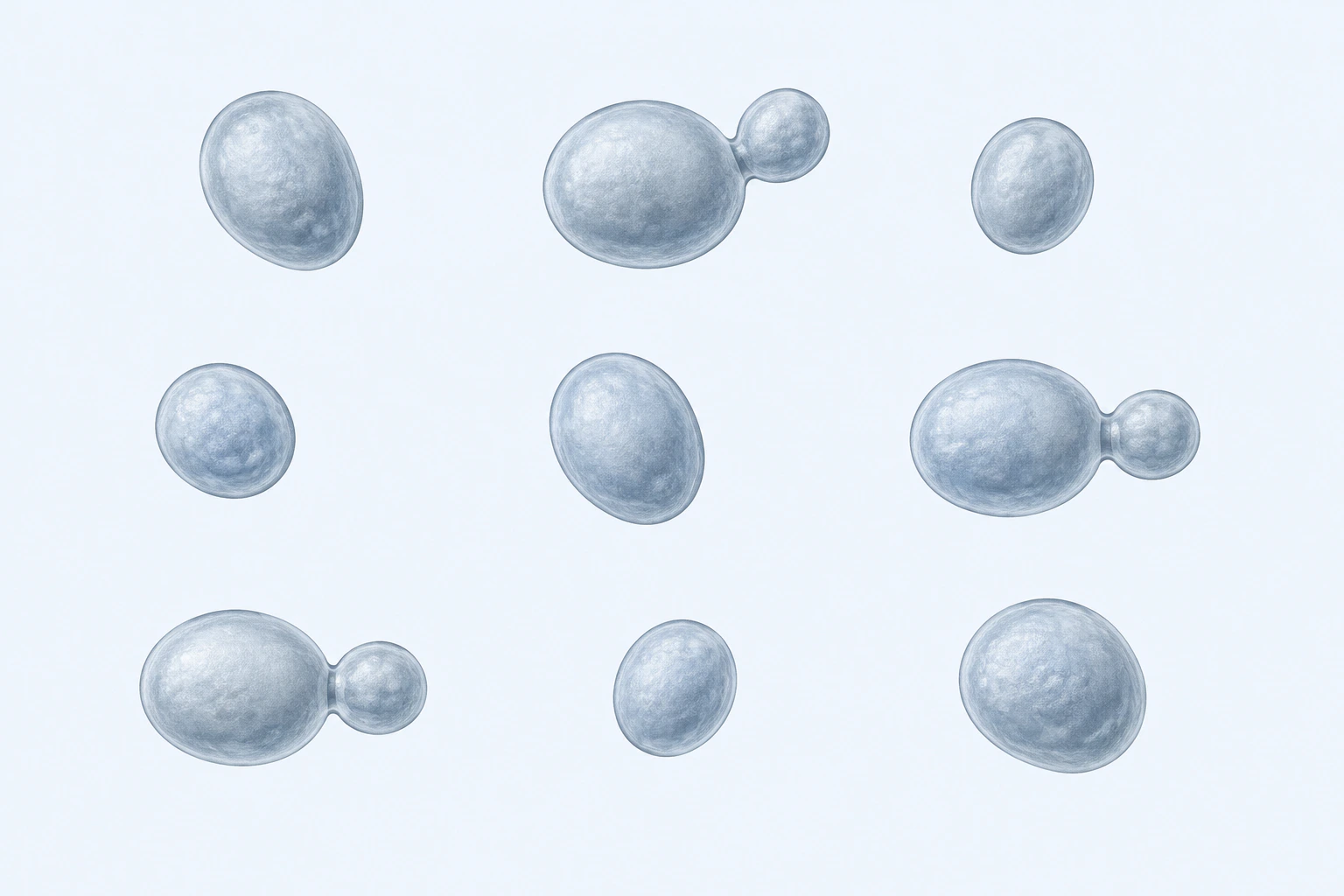
See also: saccharomyces (genus page) Saccharomyces boulardii is a non-pathogenic yeast strain used as a probiotic across a wide range of gastrointestinal and inflammatory conditions. Taxonomically a strain of S. cerevisiae, it is phenotypically distinct — optimally acti…
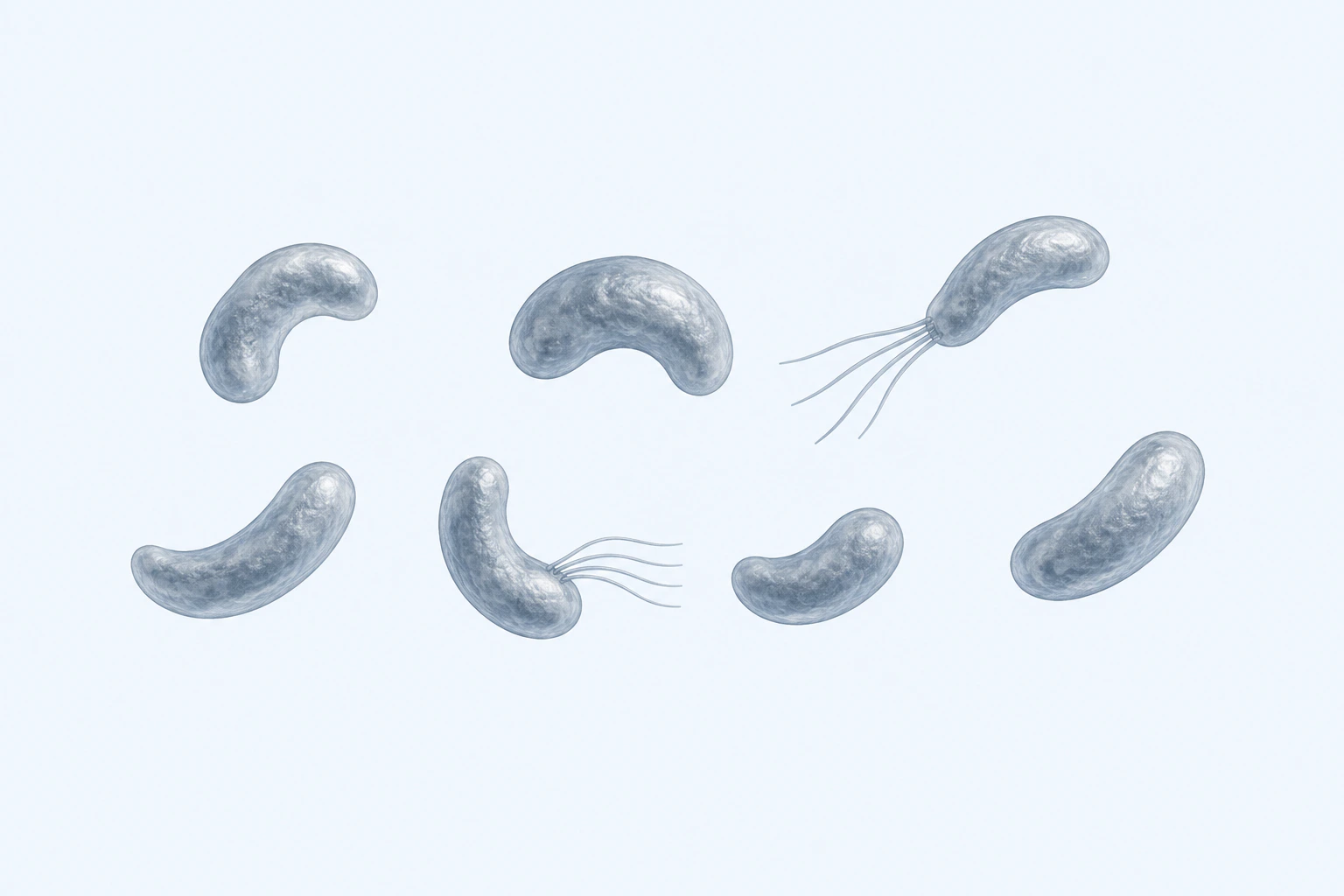
A genus of Gram-negative, crescent-shaped, strictly anaerobic bacteria found in both the oral cavity and the gastrointestinal tract. Selenomonas species are characterized by their distinctive morphology -- a curved rod with a tuft of flagella arising from the concave si…
Streptococcus thermophilus is a Gram-positive, facultative anaerobic coccus that is the primary probiotic species used in commercial yogurt fermentation and thermophilic dairy fermentation worldwide. Distinct from pathogenic Streptococcus species, S. thermophilus produc…