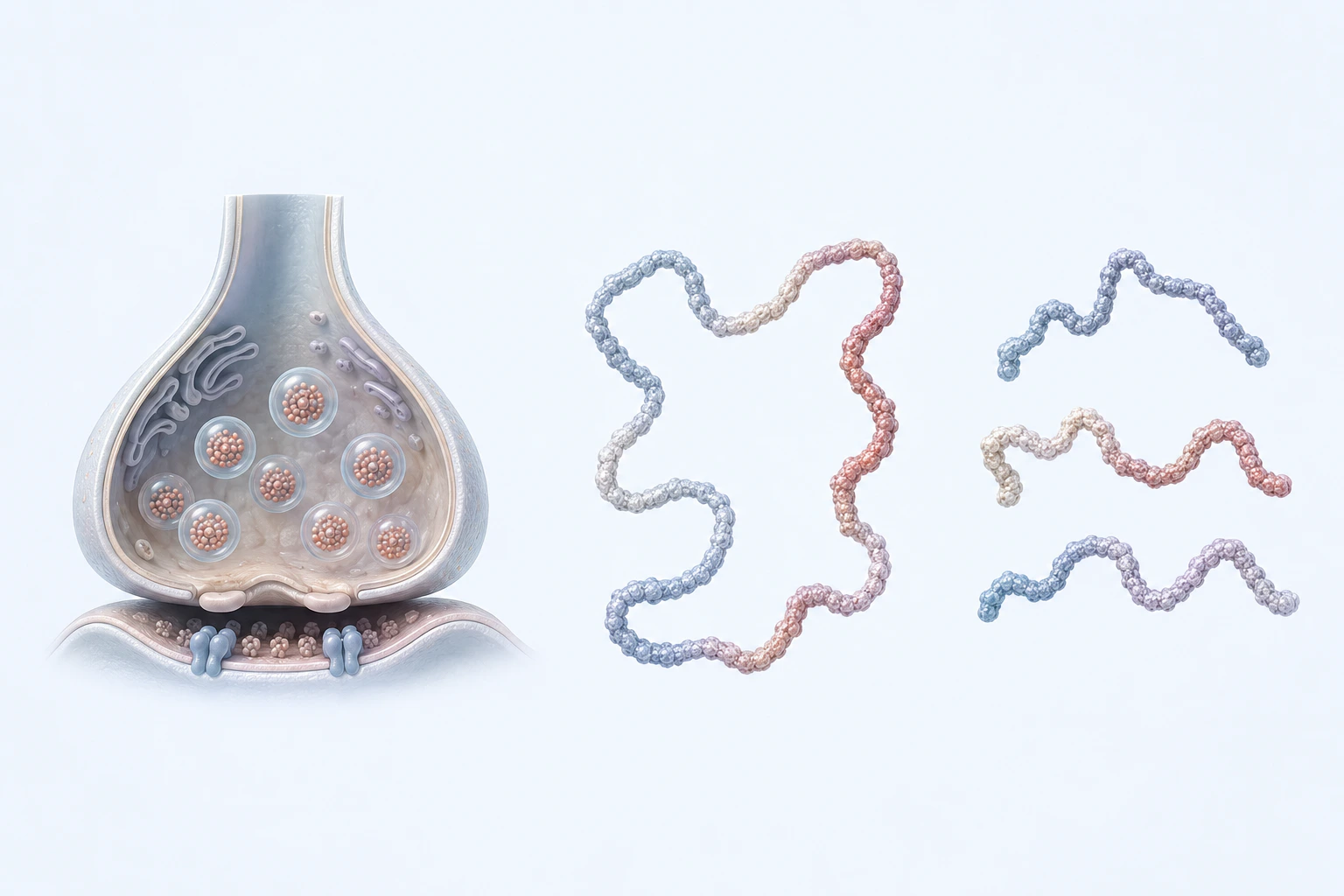
A 140-amino-acid presynaptic protein whose misfolding into insoluble fibrils and their deposition in Lewy bodies is the defining neuropathological hallmark of parkinsons disease and the broader family of synucleinopathies (including Lewy body dementia and multiple syste…
The most common form of dementia, affecting an estimated 55 million people worldwide and projected to triple by 2050 zhang 2024 recent advances alzheimers mechanisms trials. Characterized by progressive memory loss, cognitive decline, amyloid-beta plaques, and neurofibr…
Anxiety disorders are the most prevalent mental health conditions globally, affecting ~280 million people (~4.8% of the world population). They encompass generalized anxiety disorder (GAD), social anxiety, panic disorder, and phobias. In the WikiBiome context, anxiety f…
Aspirin (acetylsalicylic acid) is a non-steroidal anti-inflammatory drug (NSAID) that irreversibly inhibits cyclooxygenase (COX) enzymes, suppressing prostaglandin synthesis. While widely used as an antiplatelet and anti-inflammatory agent, aspirin carries significant i…
A neurodevelopmental condition affecting approximately 1 in 36 children (US CDC 2023 estimate), characterized by differences in social communication, restricted interests, and repetitive behaviors. From a metallomics perspective, ASD presents a compelling convergence of…
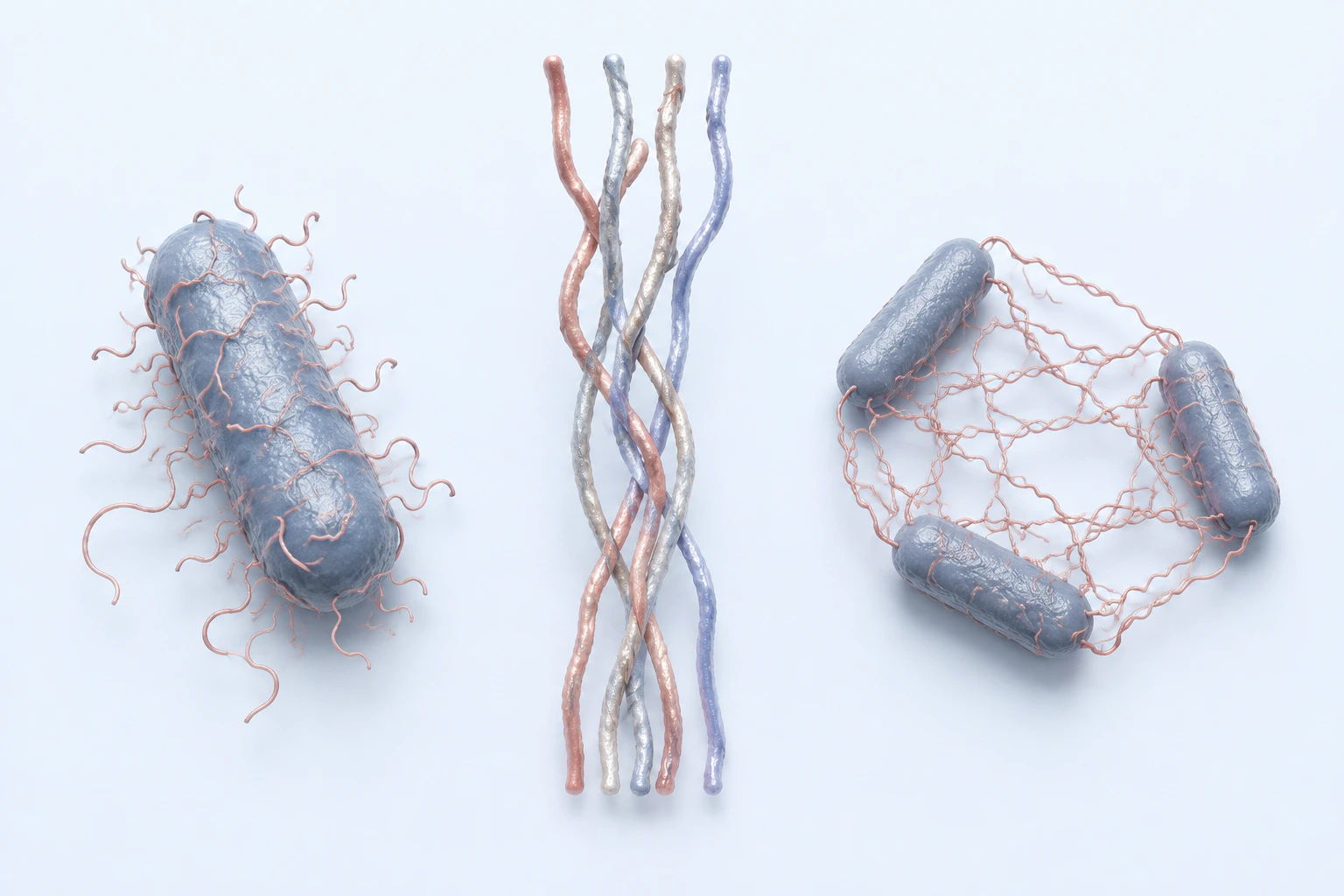
Curli are functional amyloid fibers produced by escherichia coli, salmonella, and other Enterobacteriaceae as the primary protein component of their extracellular biofilm matrix. The curli subunit CsgA polymerizes into cross-beta-sheet amyloid fibrils that are structura…
Depression is the most prevalent mental health disorder globally, affecting over 280 million people zhu 2025 microbiota gut brain axis depression review, and one of the most metal-sensitive conditions in this wiki. It sits at the convergence of nearly every pathway cata…
A genus of Gram-negative, obligate anaerobic, sulfate-reducing bacteria (SRB) that produces hydrogen sulfide (H2S) as its primary metabolic end-product. H2S is a potent cytotoxin that disrupts colonocyte energy metabolism, damages the gut barrier, and promotes chronic i…
The Fenton reaction is the iron-catalyzed generation of hydroxyl radicals (OH.) from hydrogen peroxide -- the most reactive oxygen species in biology. Discovered by H.J.H. Fenton in 1894, this reaction is the mechanistic bridge between metal accumulation and oxidative t…
Ferroptosis is a form of iron-dependent regulated cell death driven by the accumulation of lipid peroxides on cellular membranes pendergrass 2026 microbial metallomics parkinsons ferroptosis, riederer 2021 iron concert master parkinsons. Unlike apoptosis or necrosis, fe…
Alphabetical definitions of specialist terms used throughout this wiki. Where a full concept page exists, the term links to it. --- AhR (aryl hydrocarbon receptor) -- A ligand-activated transcription factor that senses microbial metabolites (especially indoles from tryp…
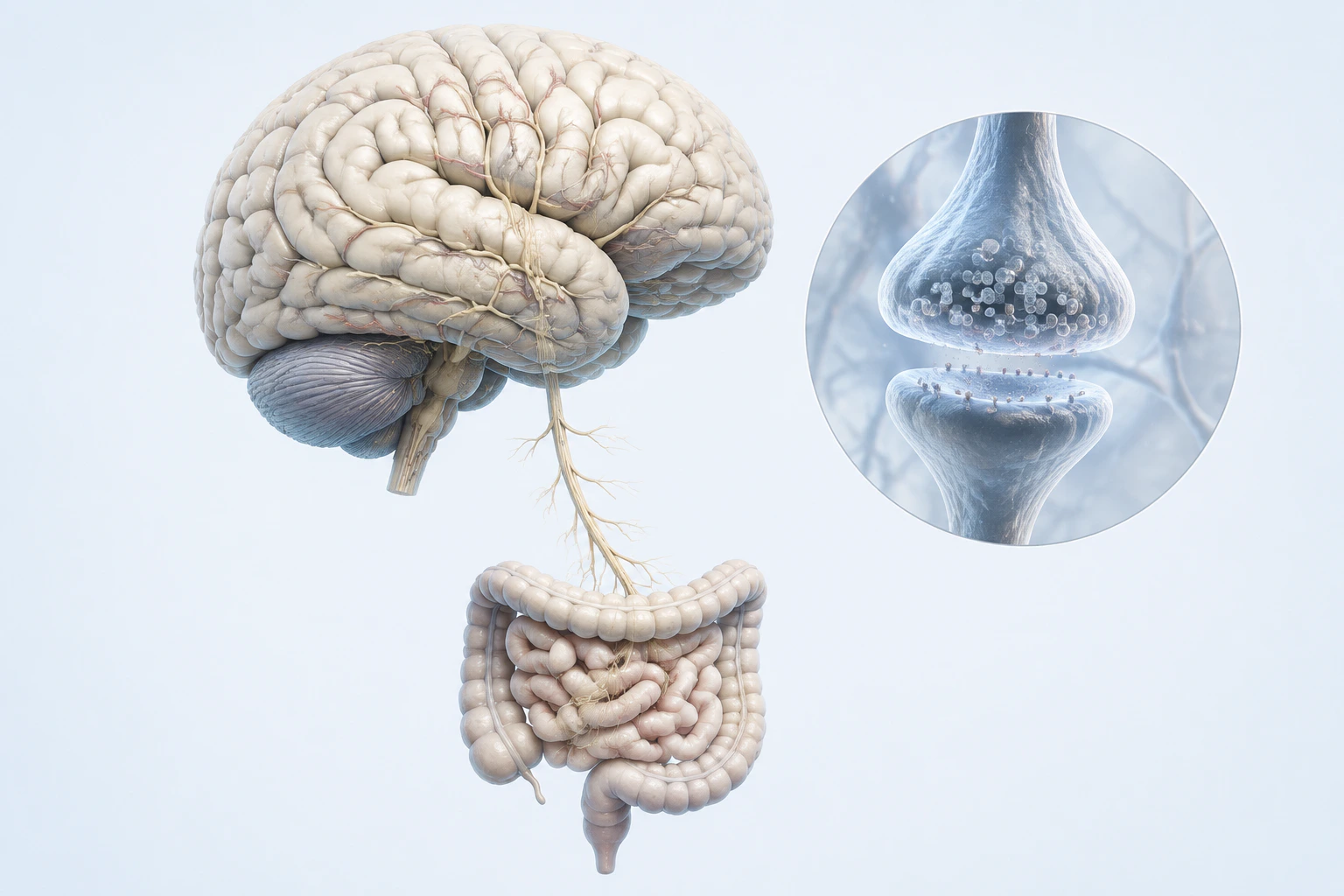
An umbrella concept encompassing the metallomic dimensions of Alzheimer's disease, Parkinson's disease, and other neurodegenerative conditions. The brain is uniquely vulnerable to metal toxicity: it has high metabolic demand, limited regenerative capacity, region-specif…
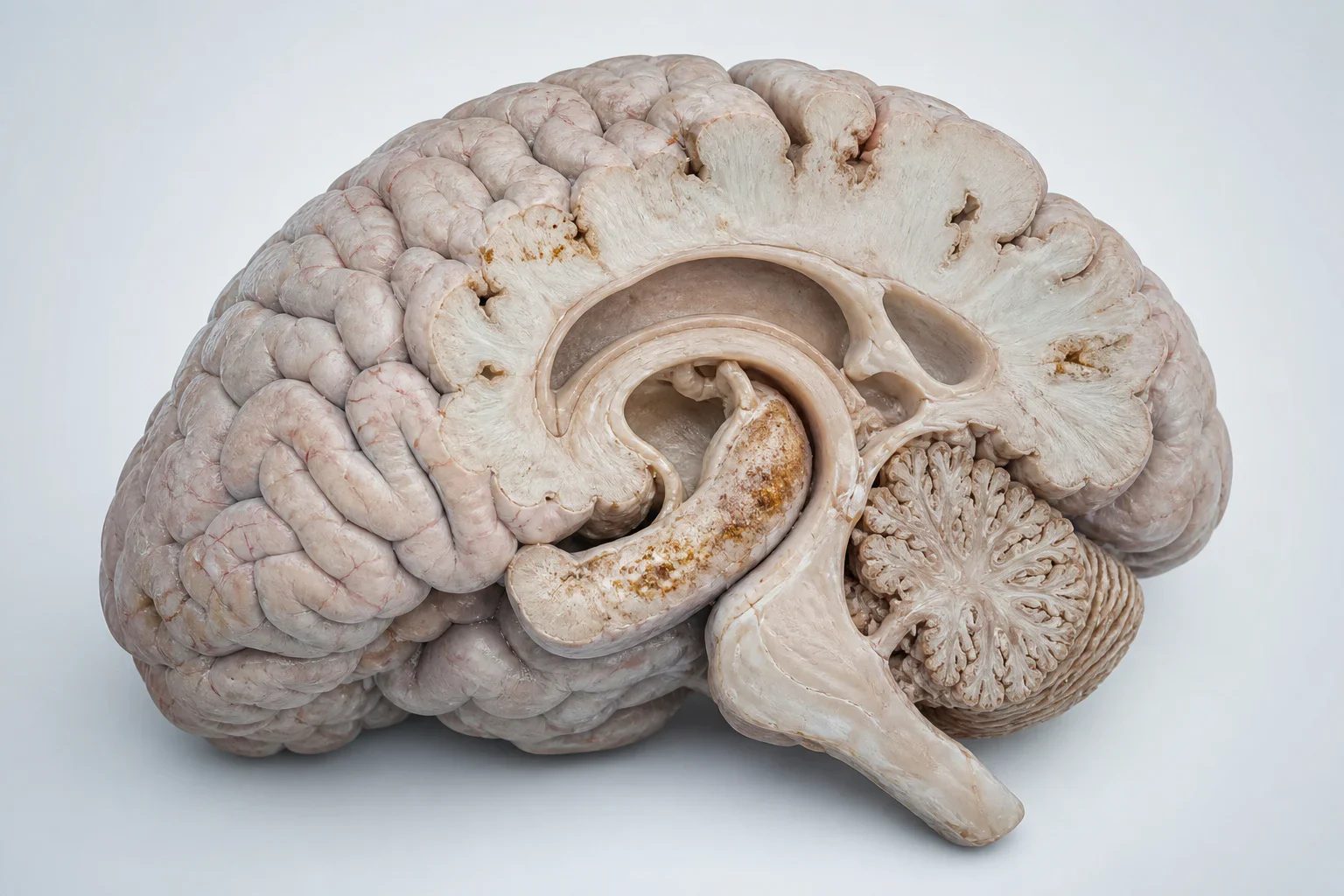
The second most common neurodegenerative disease, affecting over 10 million people worldwide dorsey 2018 parkinsons incidence meta analysis. Characterized by progressive loss of dopaminergic neurons in the substantia nigra, alpha-synuclein aggregation (Lewy bodies), and…
A Gram-negative obligate anaerobe and keystone pathogen of the oral microbiome that causes chronic periodontitis and is increasingly implicated in systemic diseases including alzheimers disease and cardiovascular disease. P. gingivalis virulence is fundamentally depende…
A family of Gram-negative, obligate anaerobic bacteria within the phylum Bacteroidota (formerly Bacteroidetes) that includes the genus prevotella and the recently described alloprevotella. Prevotellaceae are specialist fiber fermenters producing short-chain fatty acids,…
Statins (HMG-CoA reductase inhibitors) are the most widely prescribed drug class globally, used primarily for cholesterol lowering and cardiovascular risk reduction. Over 200 million people take statins worldwide. Beyond their canonical mechanism of inhibiting cholester…
Statins (HMG-CoA reductase inhibitors) are the most prescribed drug class worldwide for cholesterol lowering. In the WikiBiome framework, statins are notable for their microbiome-modulating effects and drug repurposing potential beyond cardiovascular disease — including…
Warning: Clinical Disclaimer: This STOP page represents a hypothesis based on mechanistic evidence and should NOT replace clinical judgment. Always consult with a qualified healthcare provider before modifying any treatment plan. Evidence quality ratings reflect the str…