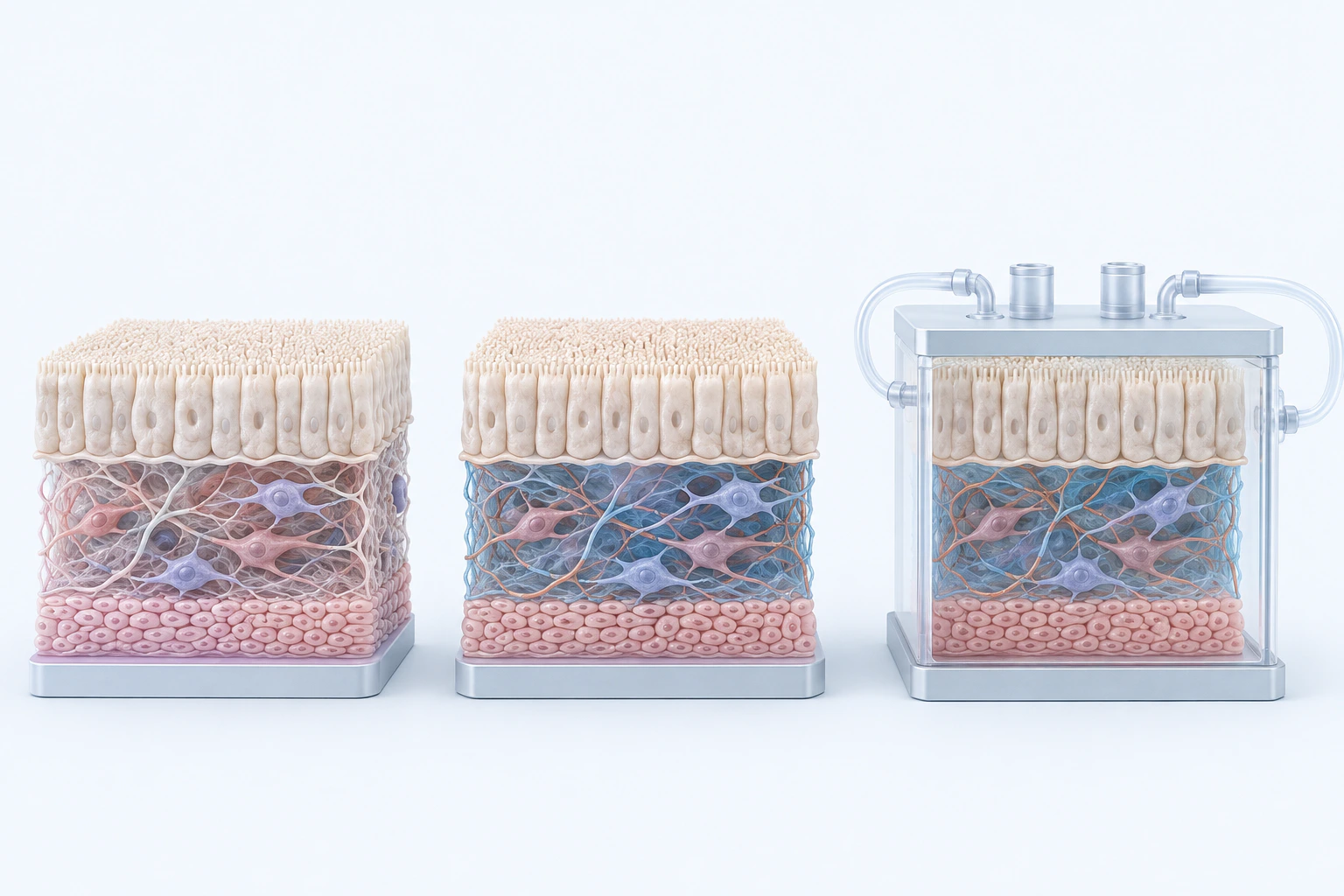
An acidic microenvironment is a local drop in pH — typically into the 4.5–6.5 range — inside a tissue, organ, or ecological niche. Acidification arises from three recurring sources: bacterial fermentative metabolism that releases short-chain fatty acids and lactate (lou…
The most abundant mineral in the human body, with ~99% stored in bones and teeth. Calcium's biological significance extends far beyond structural support -- it is the universal second messenger in cell signaling, controlling neurotransmitter release, muscle contraction,…
iron occupies a unique position among dietary metals: it is both an essential nutrient and a selective pressure that shapes the gut microbial ecosystem. The form, quantity, and bioavailability of dietary iron determines which microbes thrive and which are competitively …
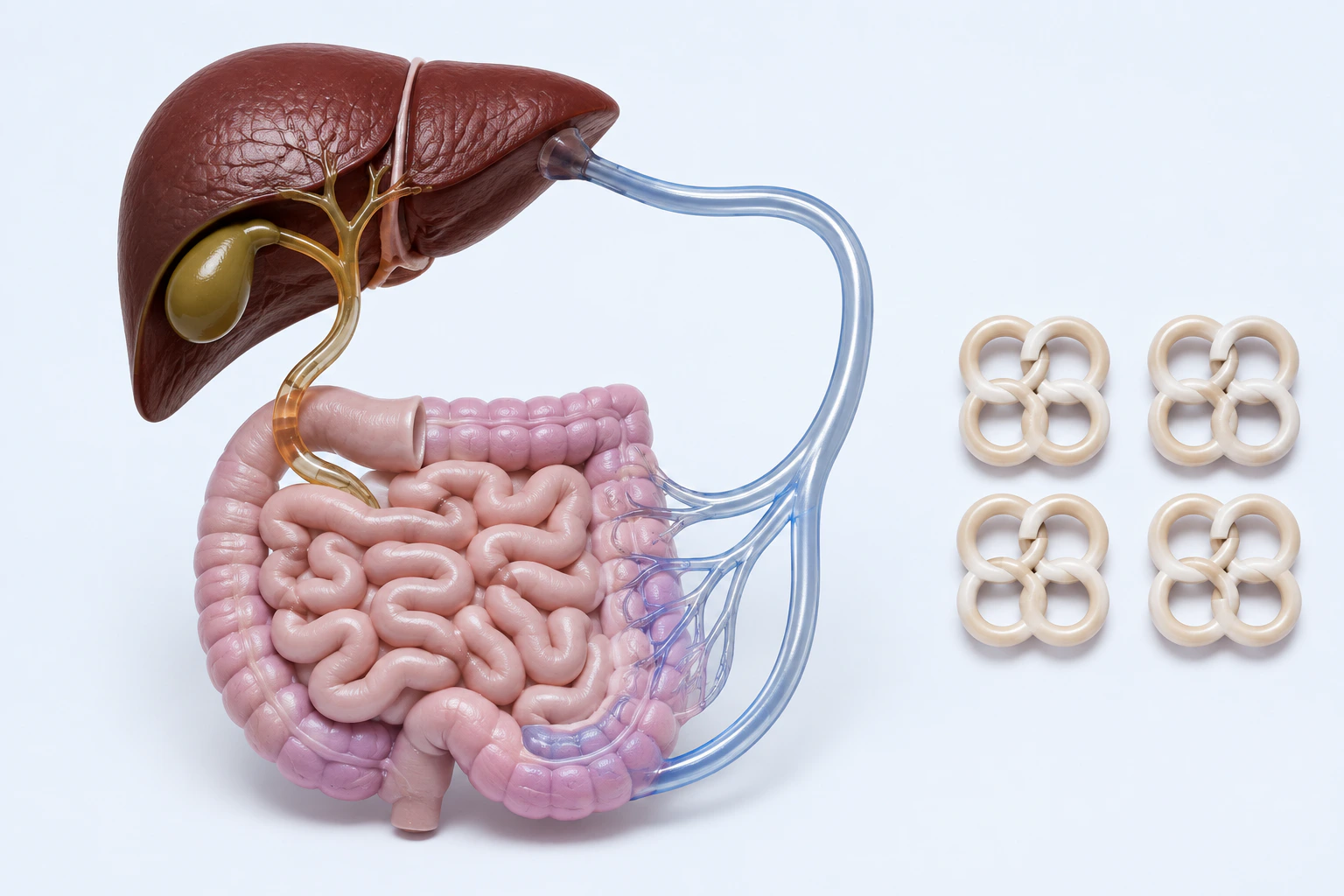
Enterohepatic circulation (EHC) is the recycling loop by which compounds—primarily bile acids, conjugated estrogens, conjugated glucuronides, and metabolites of drugs and xenobiotics—are excreted in bile, reach the intestine, undergo deconjugation or dehydroxylation by …
Metal speciation refers to the distribution of a metal among its possible chemical forms — free ions, complexed with organic or inorganic ligands, bound to proteins, or incorporated into mineral phases. In biological systems, speciation determines everything: a metal's …
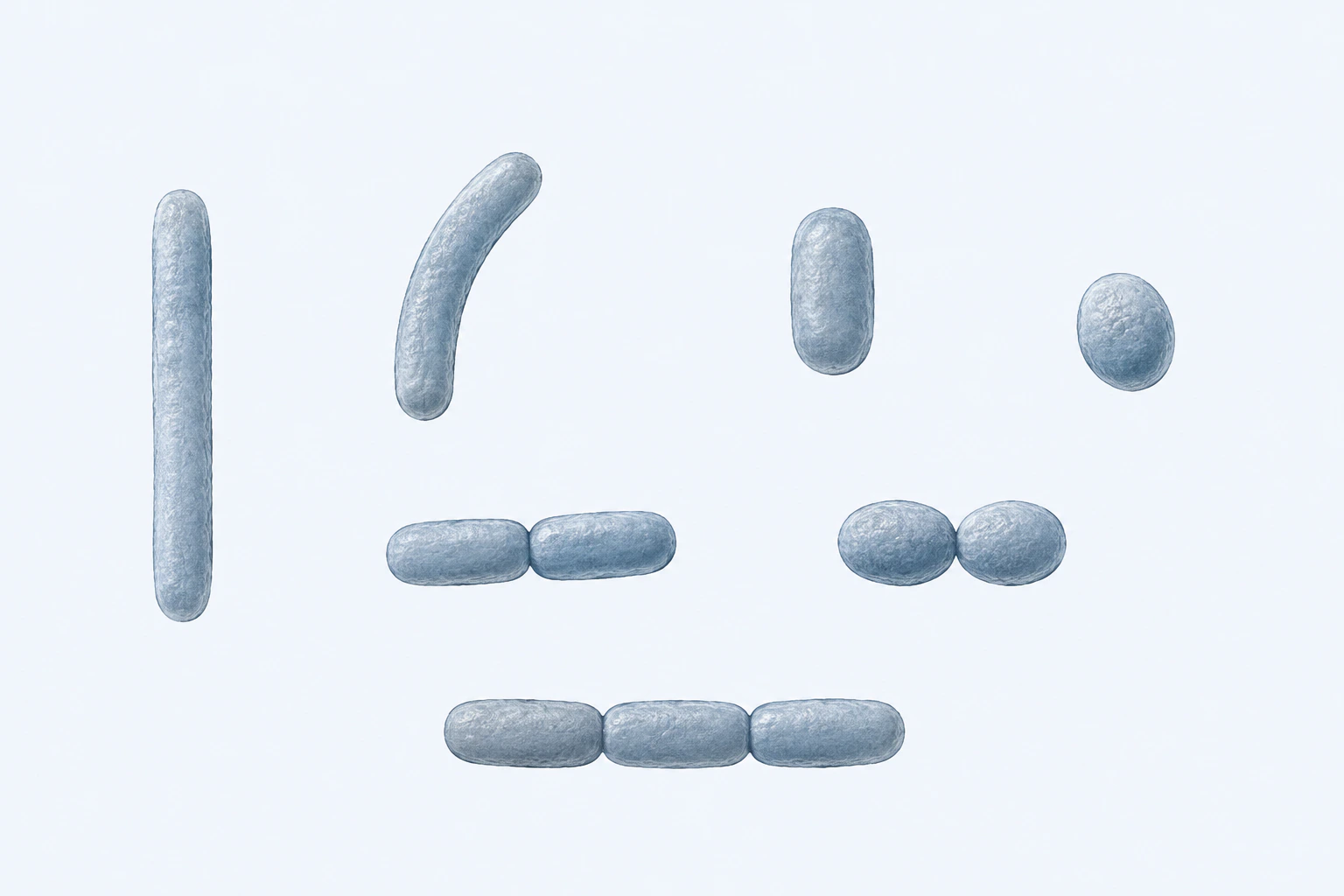
A family of Gram-positive obligate anaerobes (formerly classified as the genus Oscillospira, now reclassified into Oscillibacter and related genera within Oscillospiraceae) that serve as keystone butyrate producers in the healthy human distal colonic microbiota (Konikof…
Oxalate (ethanedioic acid, C2O4^2-) is a small dicarboxylic acid found in many plant foods that has outsized significance for mineral metabolism and kidney health. In the gut, oxalate's fate is determined by a single specialist bacterium -- Oxalobacter formigenes -- who…
Oxalobacter formigenes is an obligate anaerobic, Gram-negative bacterium that occupies a unique metabolic niche in the human gut as the primary oxalate-degrading specialist. Its loss from the gut microbiome — most commonly from antibiotic exposure — has cascading conseq…
pH sensing refers to the molecular mechanisms by which bacteria detect and respond to changes in environmental acidity. In the gut — where pH ranges from ~2 in the stomach to ~7.4 in the distal ileum and ~5.5-7.0 in the colon — pH is a master regulator of metal bioavail…
Pharmacomicrobiomics is the study of bidirectional interactions between drugs and the microbiome. The gut microbiome is not a passive bystander in pharmacology -- it actively metabolizes drugs, alters their bioavailability, and modulates therapeutic efficacy. Conversely…
Plant-based diets shift the gut microbiome from proteolytic to saccharolytic fermentation, reducing production of the uremic toxins indoxyl sulfate (IS) and p-cresyl sulfate (PCS) that accelerate CKD progression. Plant protein has lower bioavailability, which reduces gl…
Polyphenols are a diverse class of plant-derived compounds characterized by multiple phenol structural units. They are among the most abundant antioxidants in the human diet, found in fruits, vegetables, tea, coffee, wine, chocolate, and spices. What makes polyphenols p…
Live microorganisms that, when administered in adequate amounts, confer a health benefit on the host. In the context of this wiki, probiotics are relevant both as therapeutic agents for metal-related diseases and as mediators of gut metal microbiome interactions. Their …
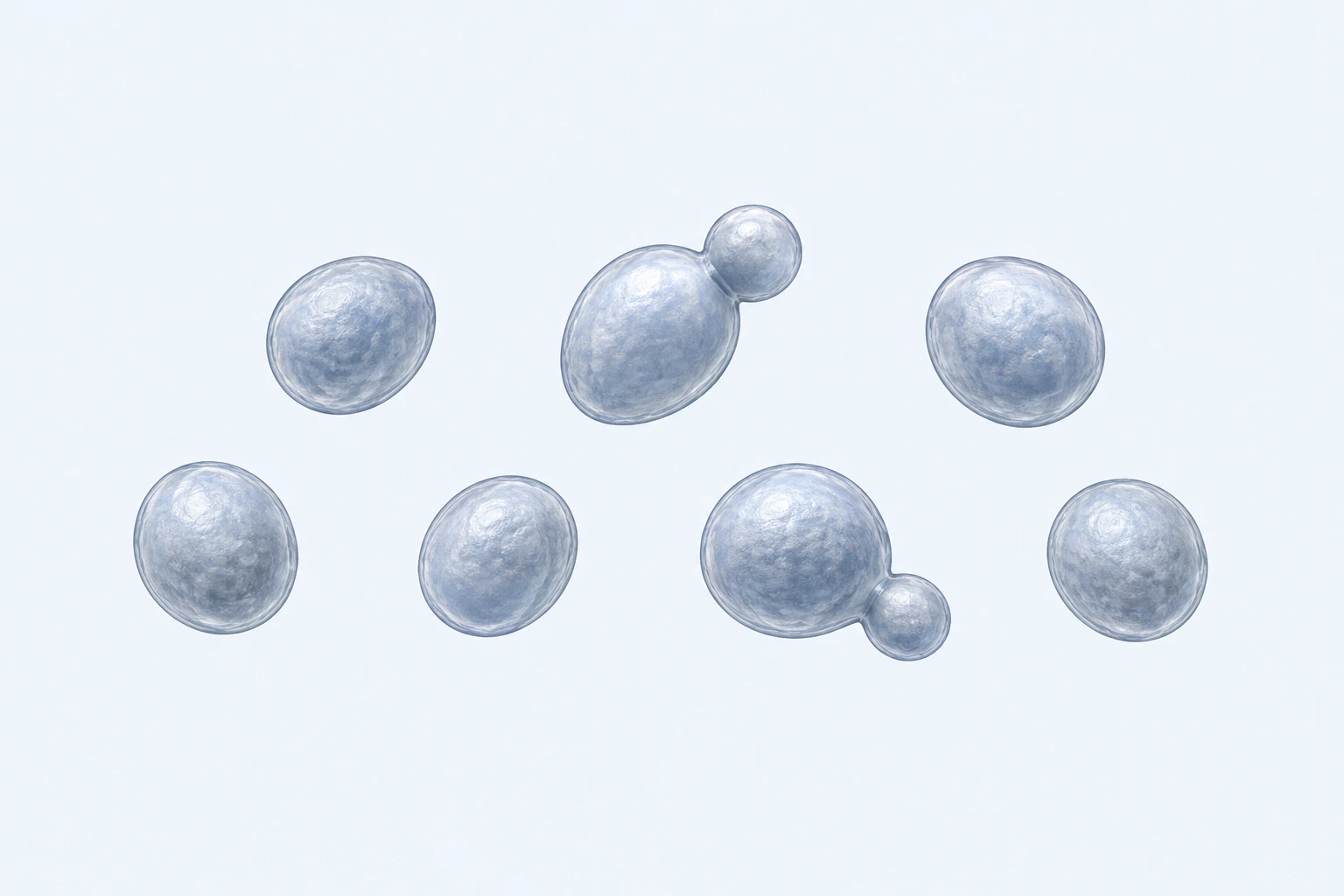
Saccharomyces cerevisiae is a unicellular budding fungus (ascomycete) ubiquitous in fermentation, brewing, bread-making, and increasingly used as a pharmaceutical probiotic (Hatoum et al. 2012). The strain S. boulardii (also called S. cerevisiae var. boulardii) is the m…