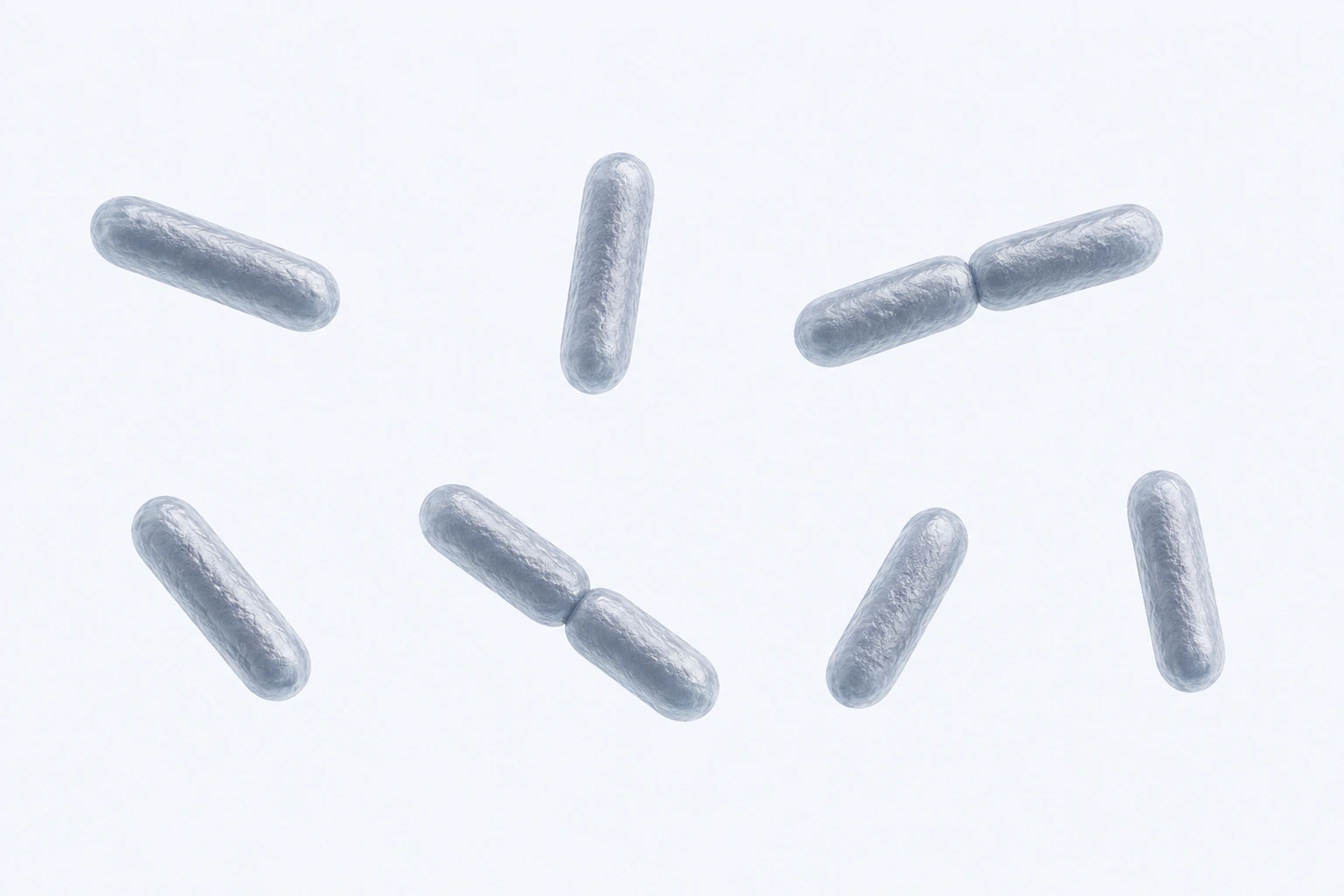
Aeromonas is a genus of Gram-negative, facultatively anaerobic bacteria found in aquatic environments and, increasingly recognized as an opportunistic gut pathogen. Several species — particularly Aeromonas hydrophila, A. veronii, and A. caviae — are associated with gast…
Bacteroidales is an order of obligate anaerobic, Gram-negative bacteria within the phylum Bacteroidetes. It includes the families Bacteroidaceae (bacteroides), Prevotellaceae (prevotella), Rikenellaceae, and Porphyromonadaceae (porphyromonas). Bacteroidales are among th…
Butyrivibrio is a genus of Gram-positive, obligate anaerobic bacteria within the family Lachnospiraceae (phylum Firmicutes). Originally characterized as a dominant fiber-fermenting genus in the rumen, Butyrivibrio species are also found in the human colon where they con…
Citrobacter is a genus of Gram-negative, facultatively anaerobic bacteria in the Enterobacteriaceae family, named for its ability to utilize citrate as a sole carbon source. Species include C. freundii, C. koseri, and C. rodentium (a mouse model for EHEC infection). In …
Clostridium symbiosum is a Gram-positive, obligately anaerobic bacterium within the Clostridium cluster XIVa — a taxonomic group enriched for short-chain fatty acid (SCFA) producers and specialized bile acid metabolizers. Despite its ambiguous name (suggesting symbiotic…
A Gram-positive obligate anaerobe and key estrobolome member that links metabolic dysbiosis to hormone-driven diseases, particularly endometriosis. E. lenta is remarkable for its ability to inactivate cardiac glycosides (like digoxin) and to produce beta-glucuronidase, …
A family of Gram-negative, facultative anaerobic Gammaproteobacteria that includes many of the most important human pathogens: escherichia coli, klebsiella pneumoniae, salmonella typhimurium, shigella flexneri, yersinia pestis, proteus mirabilis, Morganella, and Serrati…
The most abundant bacterium in the healthy human colon (5-15% of total fecal microbiota), F. prausnitzii is the premier butyrate producer in the gut and a cornerstone of anti-inflammatory intestinal homeostasis. Its depletion is one of the most consistent microbiome sig…
A Gram-negative, obligate anaerobic bacterium that has emerged as the most consistently CRC-associated microorganism in human gut microbiome studies. F. nucleatum is the primary species of concern, originally a commensal of the oral cavity that translocates to colorecta…
A family within the Firmicutes phylum (order Clostridiales, formerly Clostridium cluster XIVa) that serves as a sentinel indicator of gut health -- its depletion is the single most consistent microbiome signature across nearly every disease represented in this wiki. The…
Odoribacter splanchnicus is a Gram-negative, obligate anaerobic bacterium belonging to the family Odoribacteraceae within the phylum Bacteroidota (formerly Bacteroidetes). It is a commensal resident of the human colon recognized primarily as a producer of short chain fa…
A Gram-negative, obligate anaerobic genus within the Bacteroidetes phylum, closely related to bacteroides fragilis. The best-characterized species, P. distasonis, has emerged as a key anti-inflammatory commensal with significant roles in bile acid metabolism and metabol…
Paraprevotella is a genus of obligate anaerobic, Gram-negative bacteria in the family Prevotellaceae, related to prevotella. It is a gut commensal with emerging associations across neuropsychiatric and reproductive conditions. - Schizophrenia: Altered in gut-brain axis …
Parvimonas micra is a small (0.5–1.0 µm), Gram-positive, obligately anaerobic coccus originally isolated from the human oral cavity that has emerged as one of the most consistent and universally enriched pathobionts in colorectal cancer across all geographic regions, ag…
Peptostreptococcus stomatis is a Gram-positive, obligately anaerobic coccus originally isolated from the human oral cavity (oral streptococcal species) that has emerged as a carcinogenic oral pathobiont enriched in colorectal cancer, particularly in advanced stages. Unl…
A Gram-negative obligate anaerobe and keystone pathogen of the oral microbiome that causes chronic periodontitis and is increasingly implicated in systemic diseases including alzheimers disease and cardiovascular disease. P. gingivalis virulence is fundamentally depende…
A Gram-negative obligate anaerobe that occupies a unique context-dependent niche in the human gut microbiome. P. copri is significantly enriched in rheumatoid arthritis patients and is associated with metabolic syndrome and obesity, yet in other contexts it can function…
Proteobacteria (recently reclassified as Pseudomonadota) is the phylum that signals trouble. In a healthy adult gut, Proteobacteria comprise less than 1% of the community. When they bloom to 10-50% of the microbiome, it marks a fundamental ecological shift -- the collap…
Rikenella is a genus of obligate anaerobic, Gram-negative bacteria in the family Rikenellaceae (phylum Bacteroidetes). The primary species is R. microfusus. In the WikiBiome vault, Rikenella is consistently depleted across disease states — a protective commensal whose l…
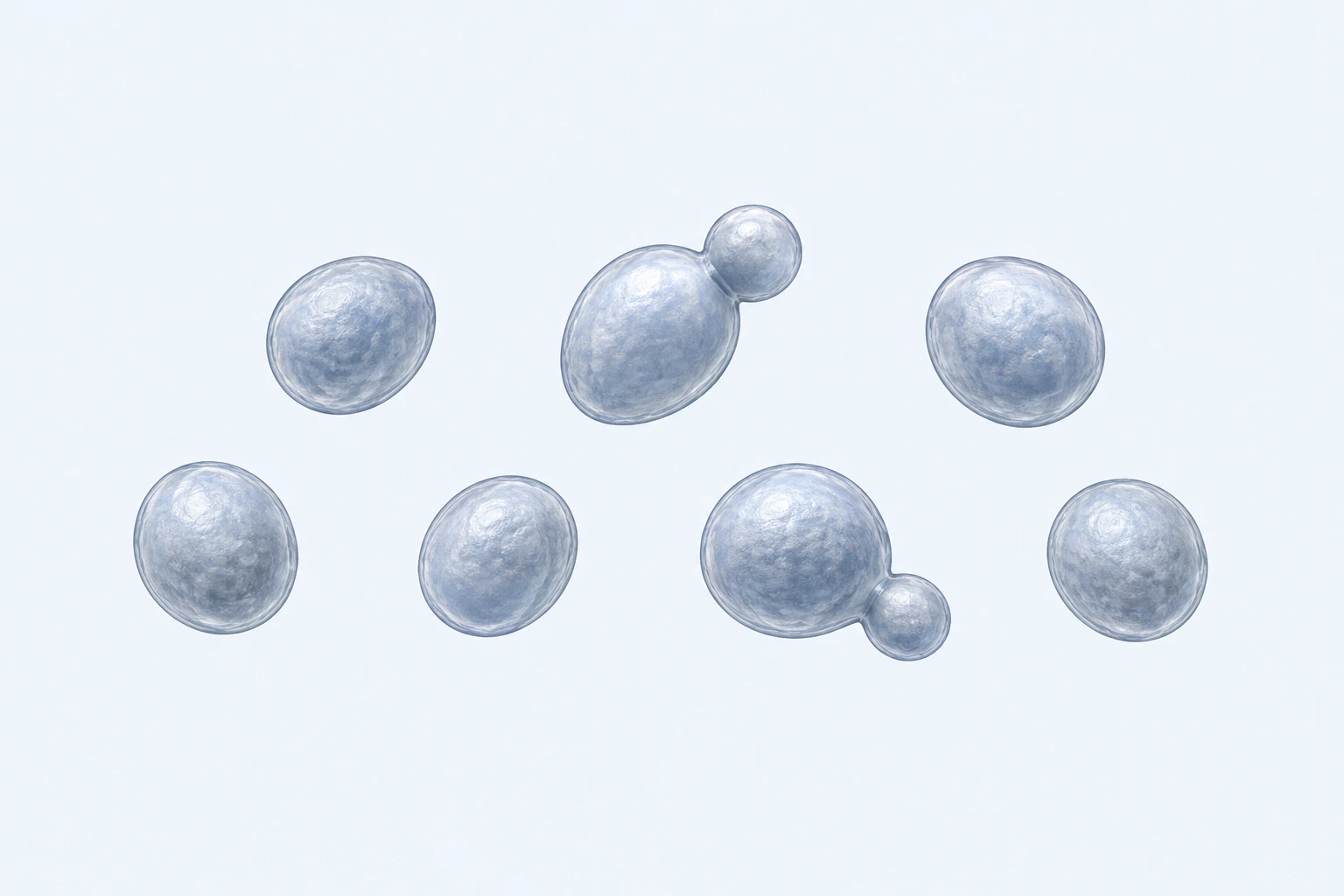
Saccharomyces cerevisiae is a unicellular budding fungus (ascomycete) ubiquitous in fermentation, brewing, bread-making, and increasingly used as a pharmaceutical probiotic (Hatoum et al. 2012). The strain S. boulardii (also called S. cerevisiae var. boulardii) is the m…
Serratia marcescens is a Gram-negative, facultatively anaerobic member of the Enterobacteriaceae, historically recognized by its distinctive red pigment prodigiosin. Once considered a harmless environmental saprophyte, S. marcescens is now recognized as a significant op…
Shigella is a genus of Gram-negative, facultatively anaerobic bacteria in the family Enterobacteriaceae, closely related to Escherichia coli — so closely that many 16S rRNA-based studies report them as the Escherichia/Shigella complex, unable to distinguish the two gene…
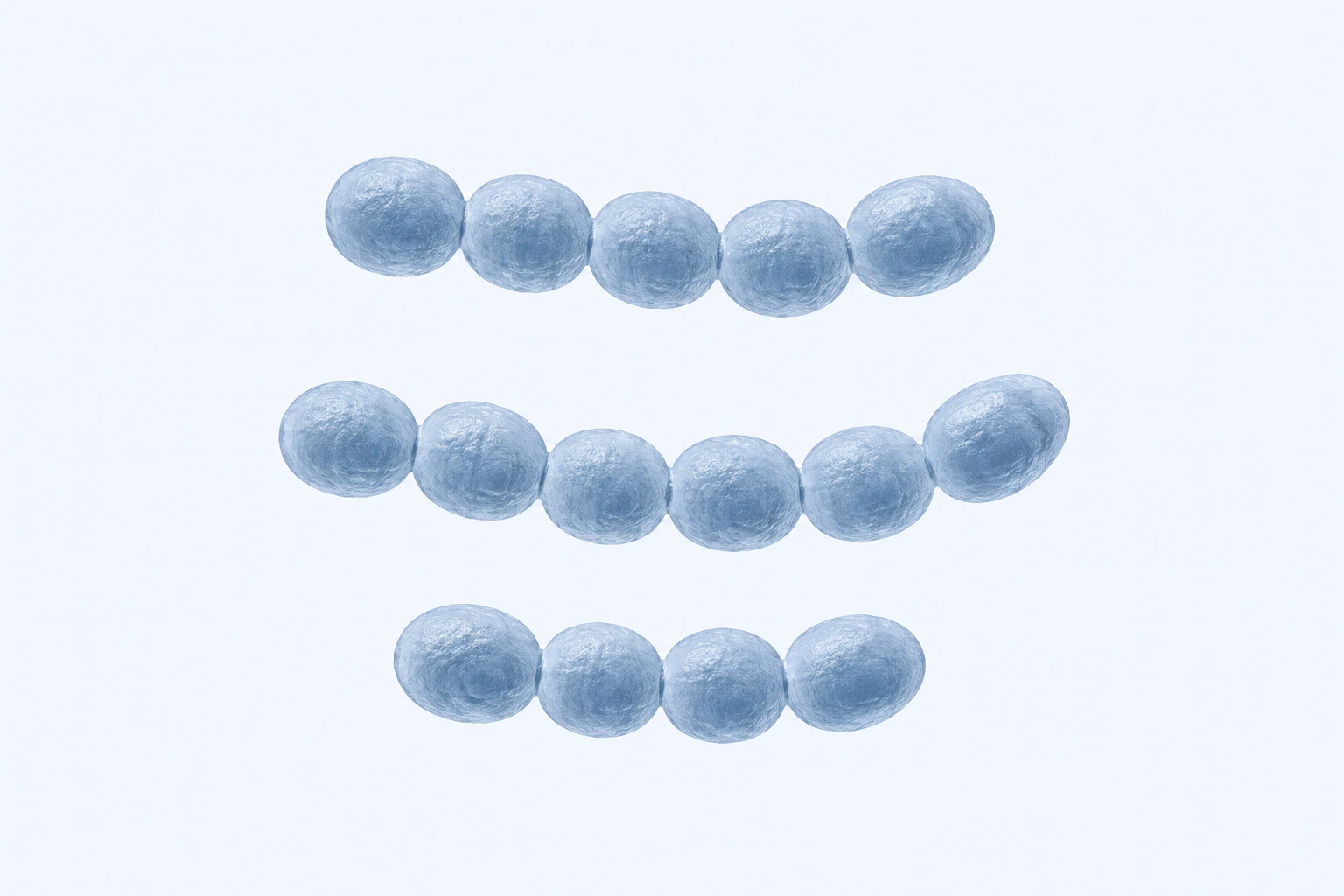
Streptococcus agalactiae, also known as Group B Streptococcus (GBS), is a Gram-positive, facultatively anaerobic coccus that exists in two clinical contexts: (1) as a major neonatal pathogen causing life-threatening meningitis and sepsis in newborns, and (2) as an enric…