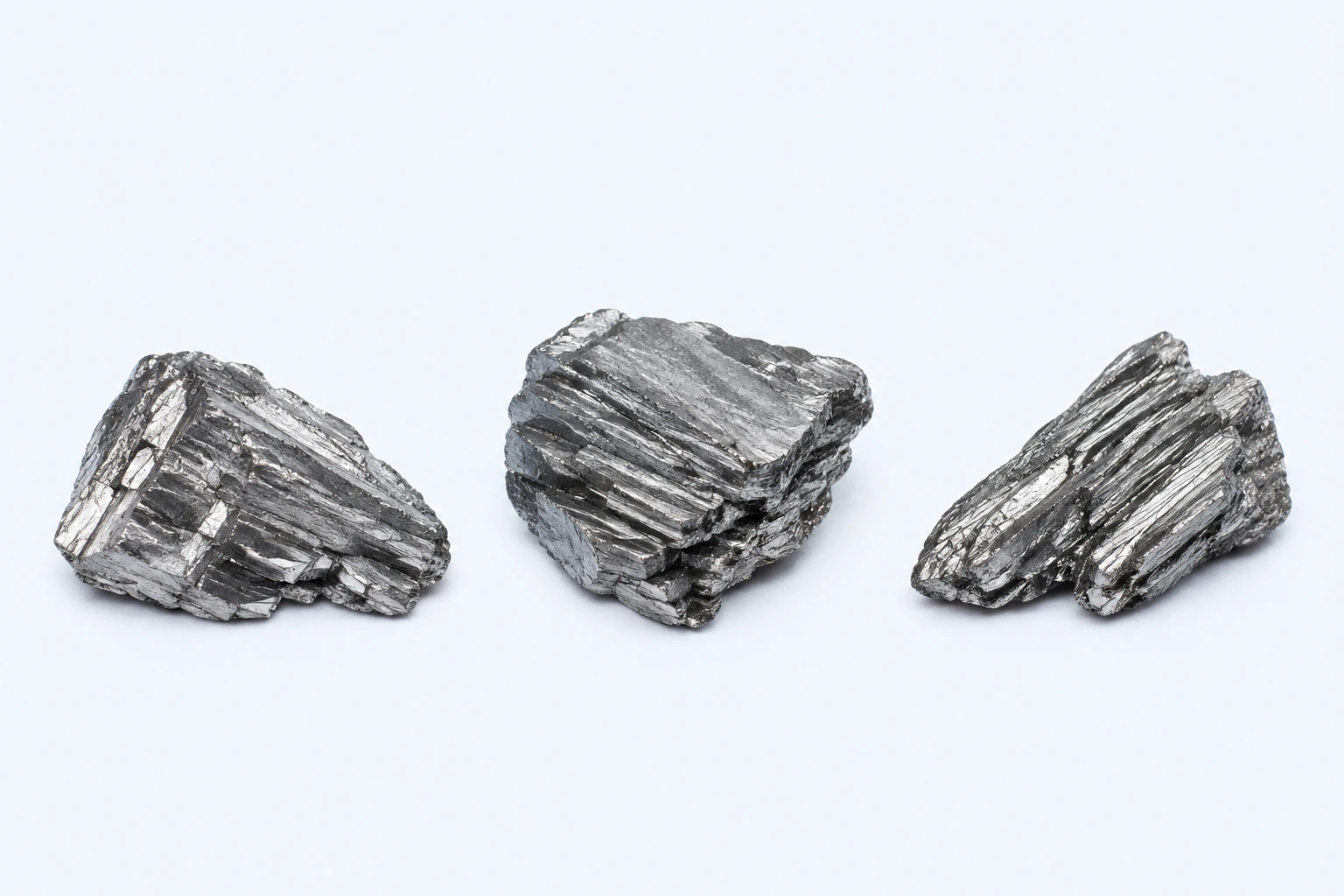
Arsenic is a metalloid and potent carcinogen (IARC Group 1) that ranks among the most widespread environmental toxicants affecting human health. An estimated 225 million people worldwide are chronically exposed through contaminated drinking water alone ghosh 2023 heavy …
A neurodevelopmental condition affecting approximately 1 in 36 children (US CDC 2023 estimate), characterized by differences in social communication, restricted interests, and repetitive behaviors. From a metallomics perspective, ASD presents a compelling convergence of…
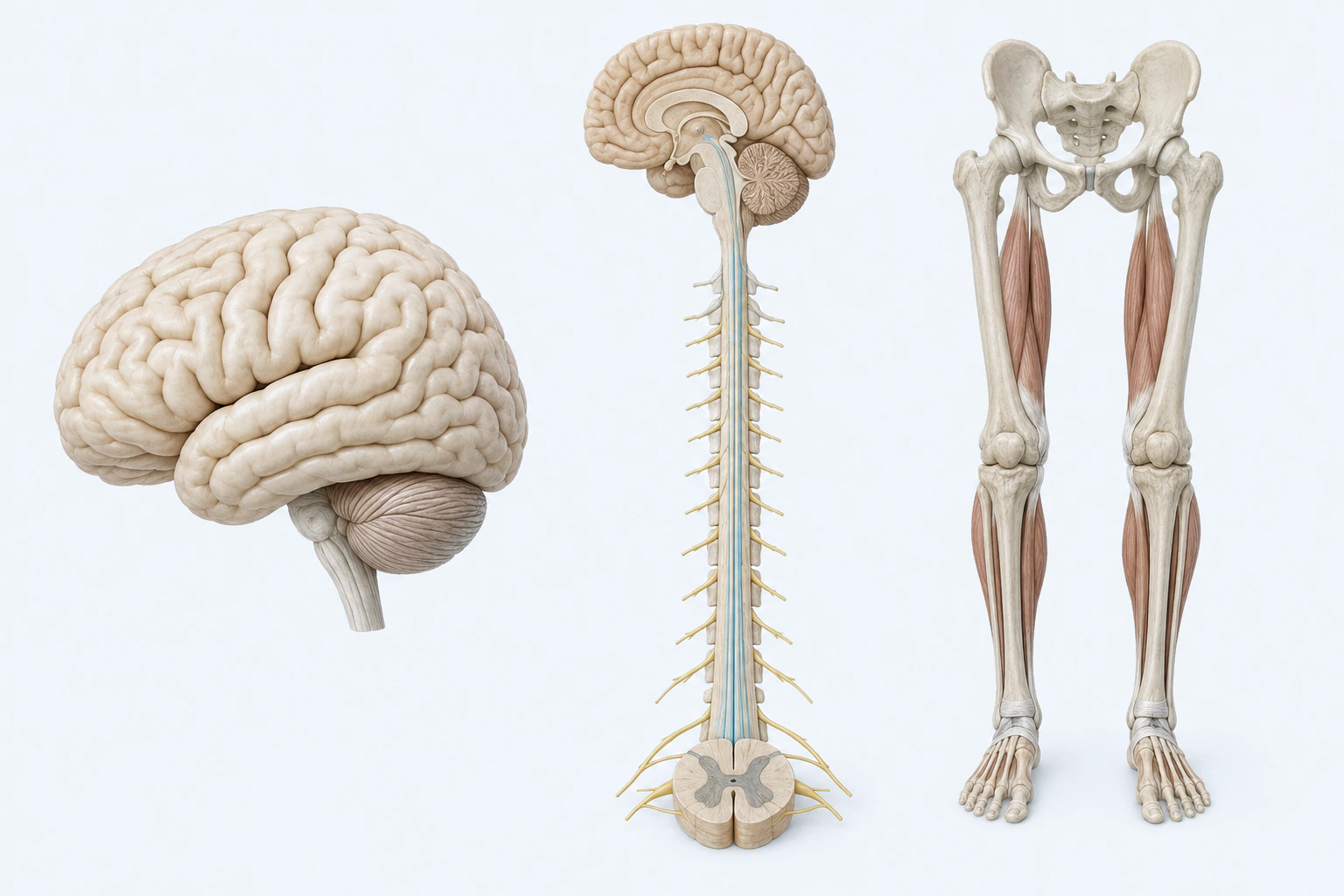
Cerebral palsy (CP) is the most common motor disability in childhood, affecting 2-3 per 1,000 live births allen 2021 multi organ dysfunction cerebral palsy. Characterized by non-progressive disturbances in movement and posture arising from injury to the developing brain…
This page unifies the infant formula contamination, pregnancy complications, autism spectrum disorder, necrotizing enterocolitis, and neurodevelopmental toxicity threads around a single organizing insight: metal toxicity is disproportionately severe during specific deve…
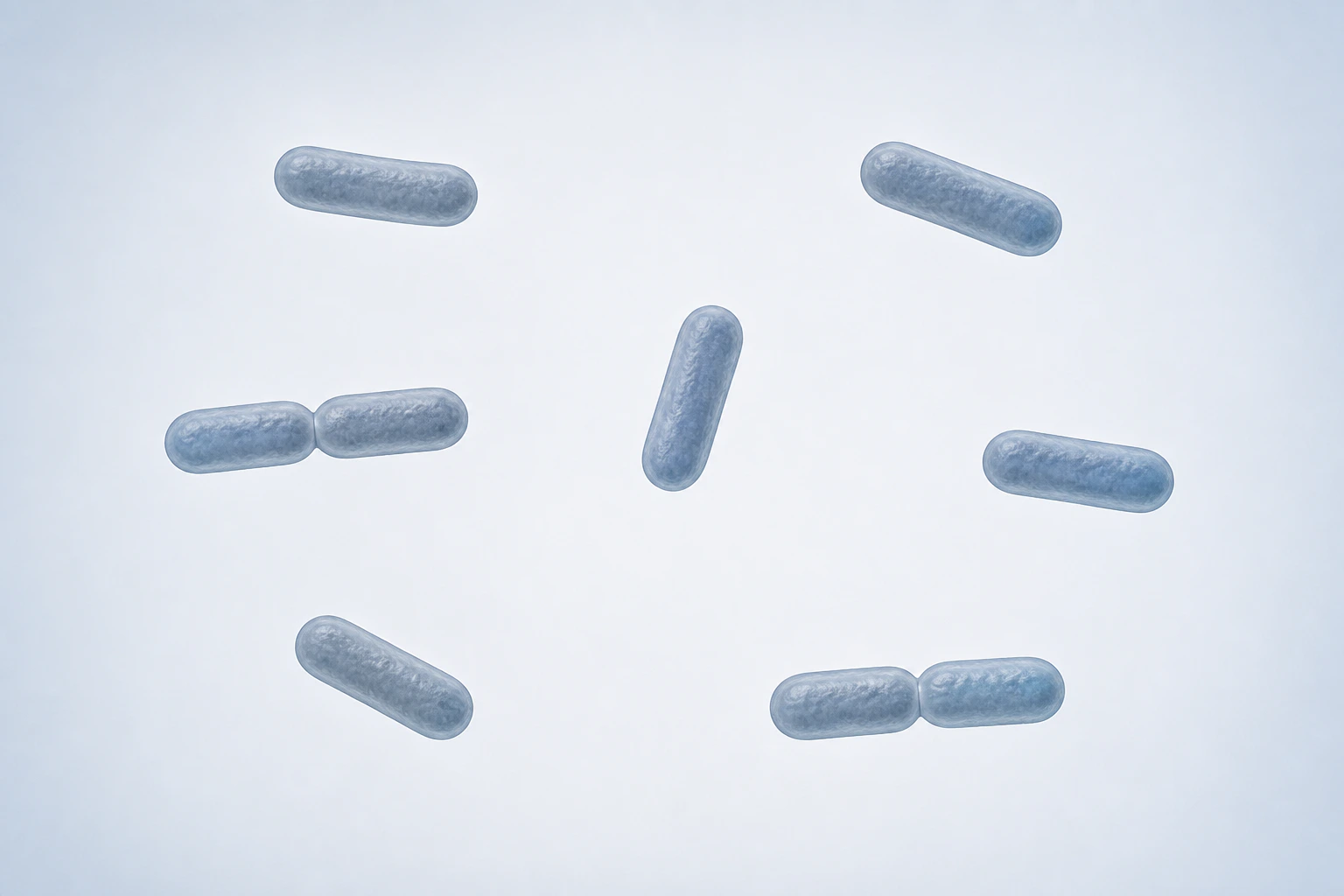
Dialister is a genus of Gram-negative, obligate anaerobic bacteria within the family Veillonellaceae that represents one of the strongest protective associations in gut-brain-axis research. Dialister depletion is a consistent and independent biomarker of depression, anx…
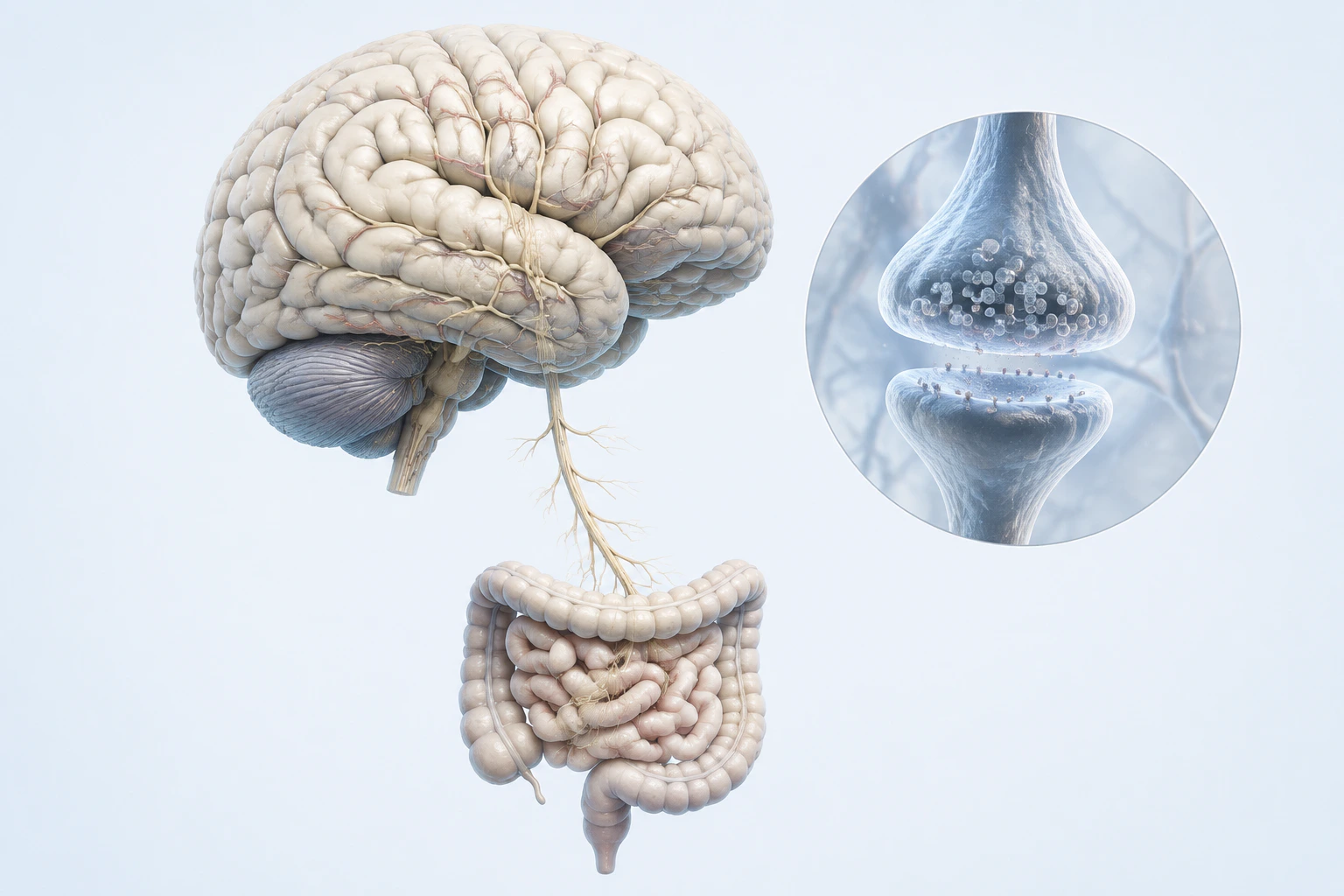
Bidirectional communication between the gut microbiota and the central nervous system, mediated by neural (vagus nerve, enteric nervous system), immune (cytokines, microglia), endocrine (HPA axis), and metabolic (SCFAs, neurotransmitter precursors, tryptophan metabolite…
A genus of Gram-positive, strictly anaerobic bacteria in the family Erysipelotrichaceae (phylum Firmicutes) that is emerging as one of the most consistently protective gut commensals in human disease. Holdemanella is depleted across a striking range of conditions -- inf…
Lead is a purely toxic heavy metal with no known biological function. It is the most extensively studied metal in relation to neurodevelopmental harm and is increasingly recognized as a contributor to chronic disease across virtually every organ system, even at levels o…
Maternal immune activation (MIA) describes the phenomenon in which infection or inflammatory stimulation during pregnancy produces persistent neurological and microbiome alterations in offspring, increasing risk for autism spectrum disorder, schizophrenia, and other neu…
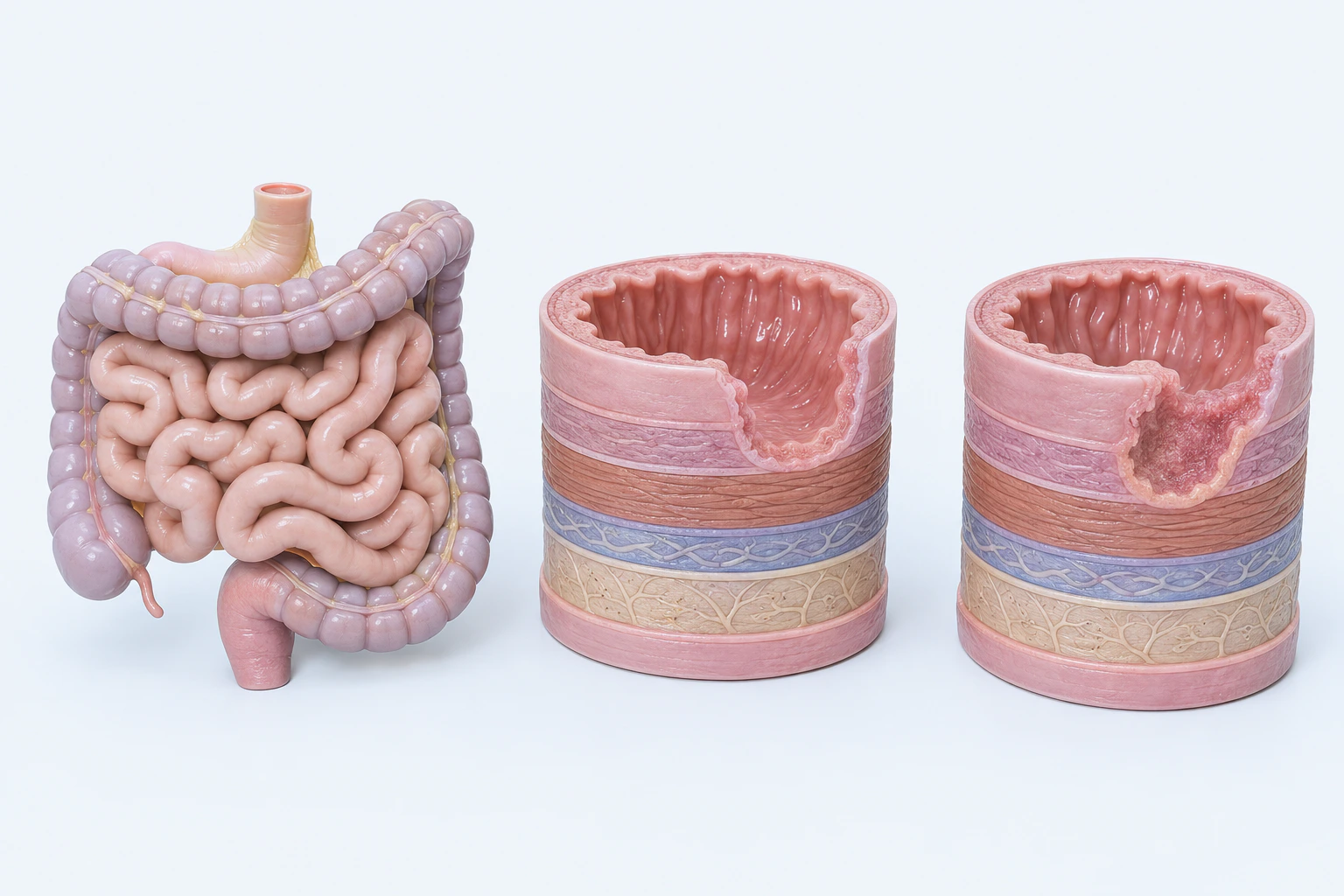
Necrotizing enterocolitis (NEC) is the most common and lethal gastrointestinal emergency in premature infants, affecting 5-12% of very low birth weight neonates (<1500 g) with mortality rates of 20-30%. Characterized by intestinal inflammation, necrosis, and perforation…
A transition metal occupying a central position in this wiki's evidence base. Nickel is toxic and carcinogenic to humans, yet an essential cofactor for pathogen virulence enzymes. It is the most frequent contact allergen worldwide and drives a wide spectrum of systemic …
Postpartum depression (PPD) affects 10-20% of women after delivery, with profound consequences for maternal health, infant bonding, and child neurodevelopment chao 2025 microbiota gut brain perinatal depression. The standard framing centers on hormonal withdrawal (estro…
A Gram-negative, microaerophilic genus within the Proteobacteria phylum (family Sutterellaceae). The primary species S. wadsworthensis is classified as a pathobiont due to its IgA-degrading capacity and associations with neurodevelopmental and inflammatory conditions. H…
Zinc is the most widely utilized transition metal cofactor in biology. Approximately 9-10% of the eukaryotic proteome and 5-6% of the bacterial proteome consists of zinc-binding proteins capdevila 2024 bacterial metallostasis sensing trafficking. An estimated one-third …