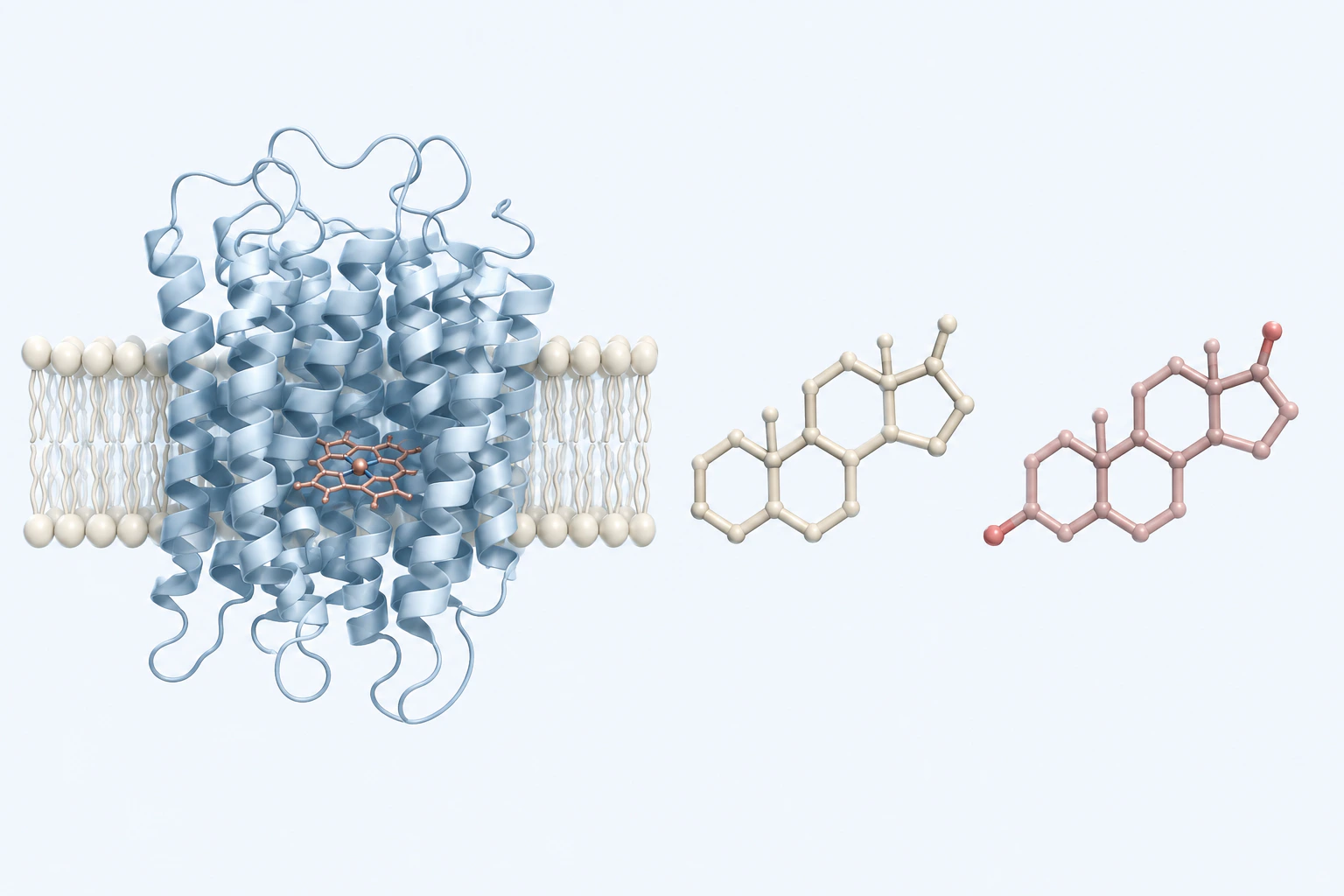
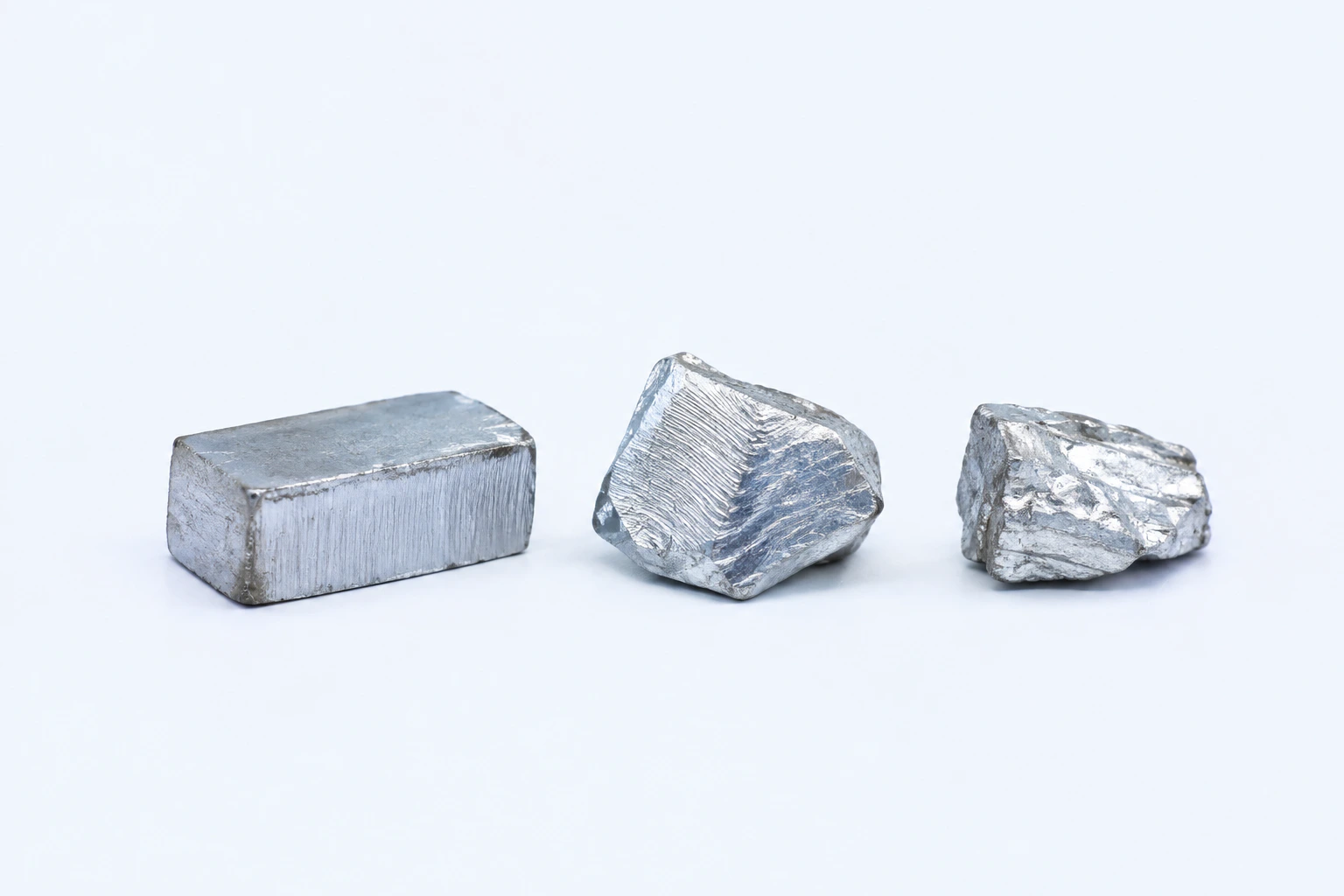
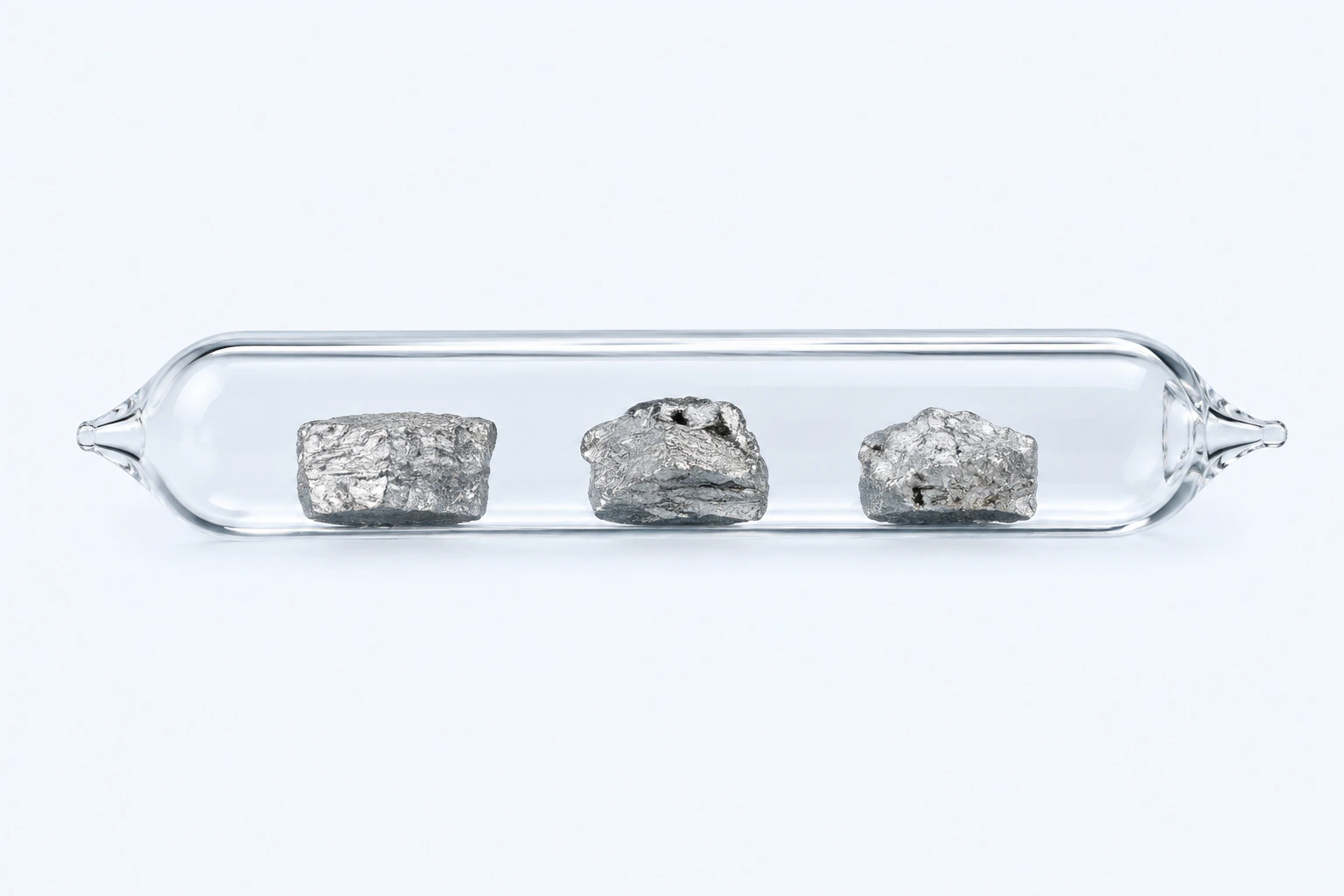
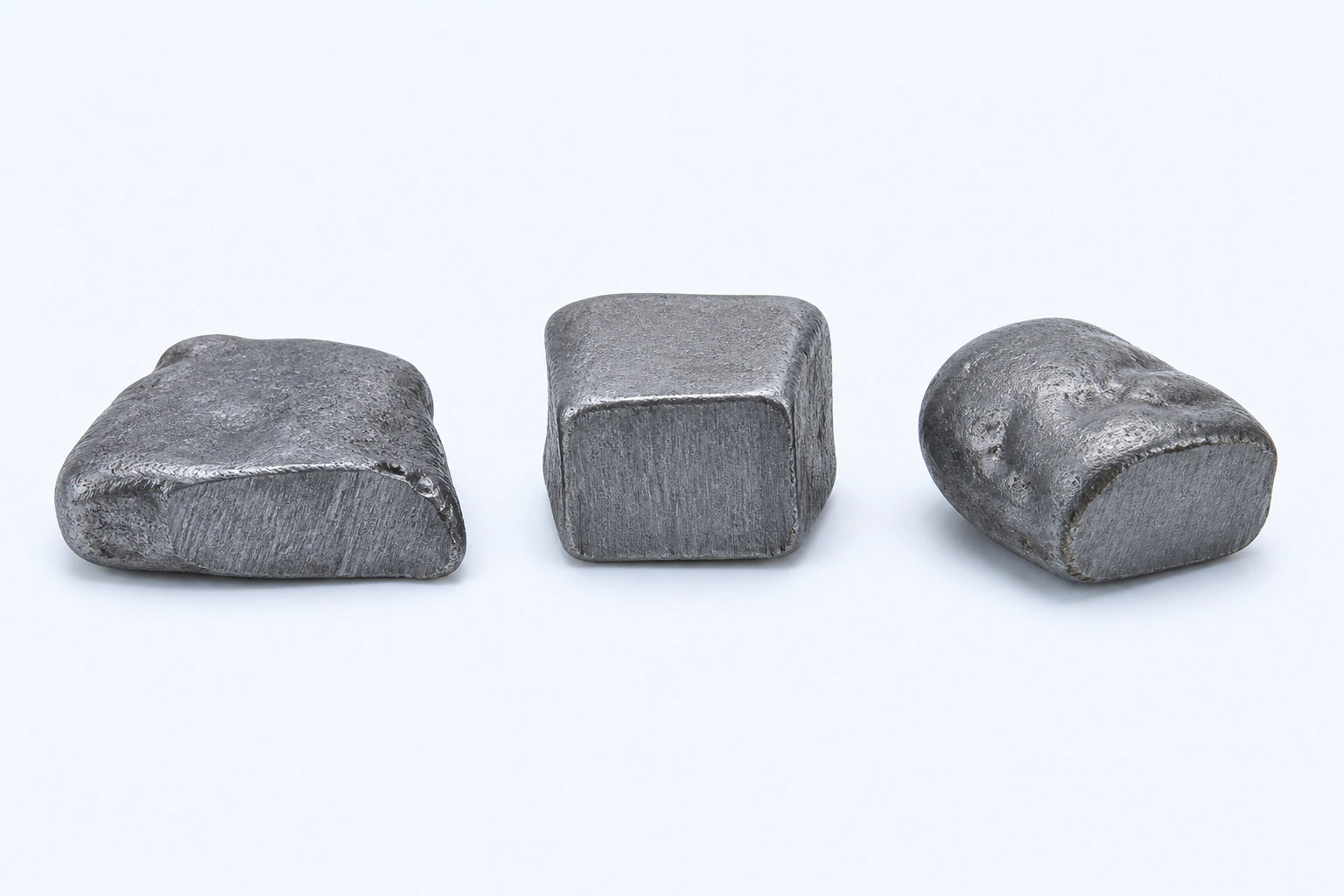
Aromatase (CYP19A1) is the cytochrome P450 enzyme that catalyzes the final and rate-limiting step of estrogen biosynthesis — the conversion of androgens (testosterone, androstenedione) to estrogens (estradiol, estrone). It is expressed in the ovaries, placenta, adipose …
Cadmium is a toxic non-essential heavy metal (IARC Group 1 carcinogen) with a biological half-life of 17--30 years in mammals, primarily accumulating in the renal cortex via proximal tubular reabsorption of the Cd-metallothionein complex rasin 2025 cadmium exposure heal…
The most abundant mineral in the human body, with ~99% stored in bones and teeth. Calcium's biological significance extends far beyond structural support -- it is the universal second messenger in cell signaling, controlling neurotransmitter release, muscle contraction,…
Hyperparathyroidism is the overproduction of parathyroid hormone (PTH), a master regulator of calcium homeostasis. While primary hyperparathyroidism (from parathyroid adenoma) is well described, the WikiBiome framework highlights secondary hyperparathyroidism -- the com…
Iron-sulfur (Fe-S) clusters are among the most ancient and ubiquitous metal cofactors in biology, present in all domains of life. These inorganic prosthetic groups -- typically [2Fe-2S] or [4Fe-4S] configurations -- mediate electron transfer, enzymatic catalysis, and re…
Lead is a purely toxic heavy metal with no known biological function. It is the most extensively studied metal in relation to neurodevelopmental harm and is increasingly recognized as a contributor to chronic disease across virtually every organ system, even at levels o…
An essential macromineral required as a cofactor for over 300 enzymatic reactions in the body, including energy metabolism, protein synthesis, DNA/RNA stability, and neuromuscular function. Magnesium is not a heavy metal or trace element but is frequently measured along…
An order of Gram-positive, obligate anaerobic bacteria within the class Clostridia (phylum Firmicutes) that has emerged as one of the most consistent markers of a healthy gut ecosystem. Oscillospirales members are butyrate producers associated with leanness and metaboli…
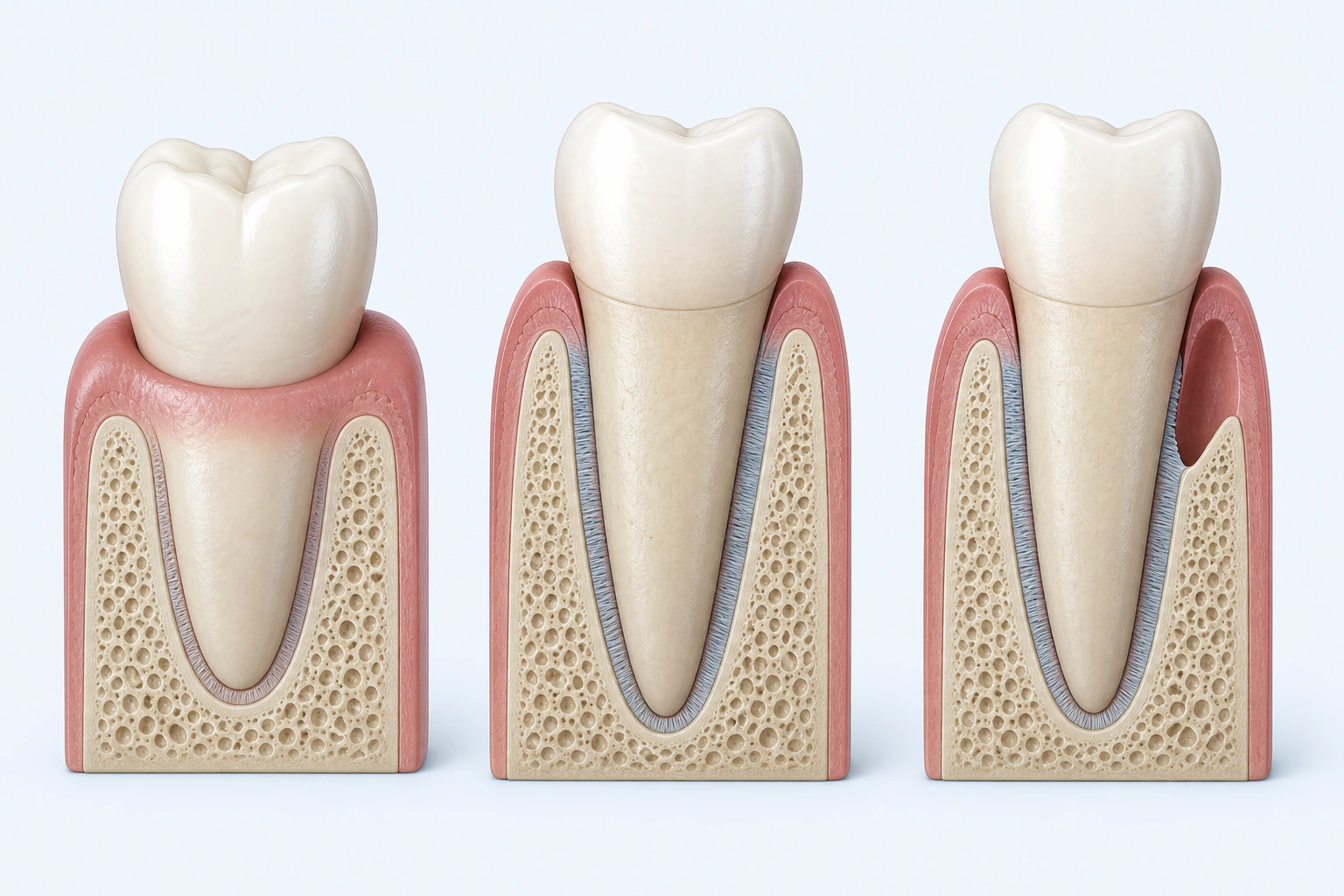
Periodontitis is a chronic inflammatory disease of the periodontal tissues (gingiva, periodontal ligament, alveolar bone) driven by a dysbiotic polymicrobial biofilm in the subgingival pocket. The keystone pathogen is porphyromonas gingivalis, whose zinc-dependent gingi…
A dense, chemically inert noble metal with no known biological function -- yet platinum compounds are the backbone of chemotherapy for ovarian, testicular, lung, and bladder cancers. The discovery that cisplatin inhibits bacterial cell division (Rosenberg, 1965) led to …
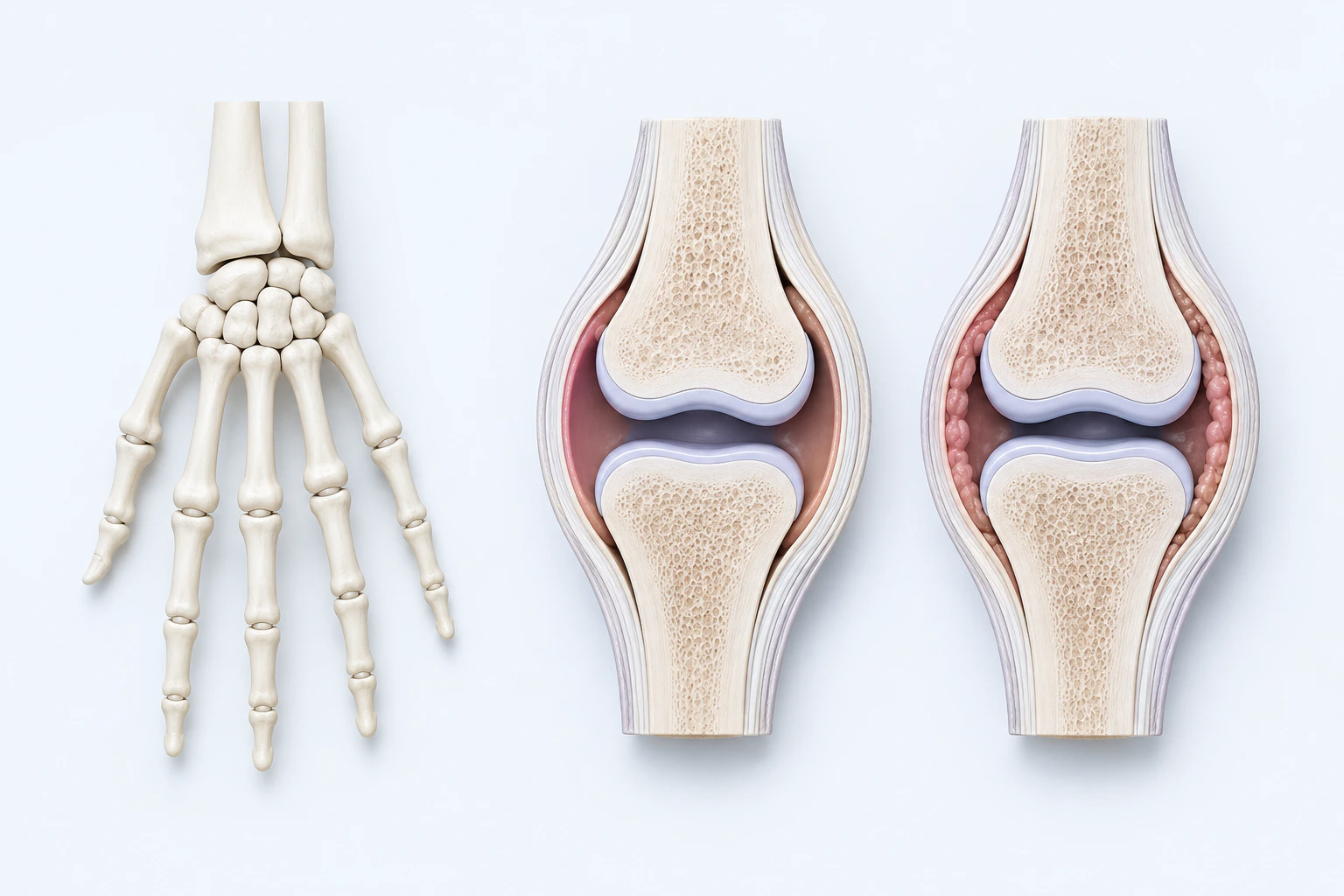
Rheumatoid arthritis (RA) is a chronic systemic autoimmune disease characterized by symmetric polyarthritis with progressive joint destruction, affecting approximately 1% of the global population. The conventional framing centers on genetic susceptibility (HLA-DRB1 shar…
An essential trace element that is primarily protective in its biological roles. Unlike most metals in this wiki, selenium's toxicological significance lies more in the consequences of its deficiency than its excess. Selenium is the backbone of the selenoproteome -- a f…
Research summary -- not medical advice. This page synthesizes published research on why a commonly recommended intervention requires careful consideration in the context of cadmium exposure. Consult a qualified healthcare provider before making changes to supplementatio…