WikiBiomeThe human microbiome encyclopedia
WikiBiome/Search: “heavy-metals”
Encyclopedia search

Search: “heavy-metals”

Ranked matches across titles, topics, categories, and article introductions, filtered to mechanism.

29 records in this view
A
B
C
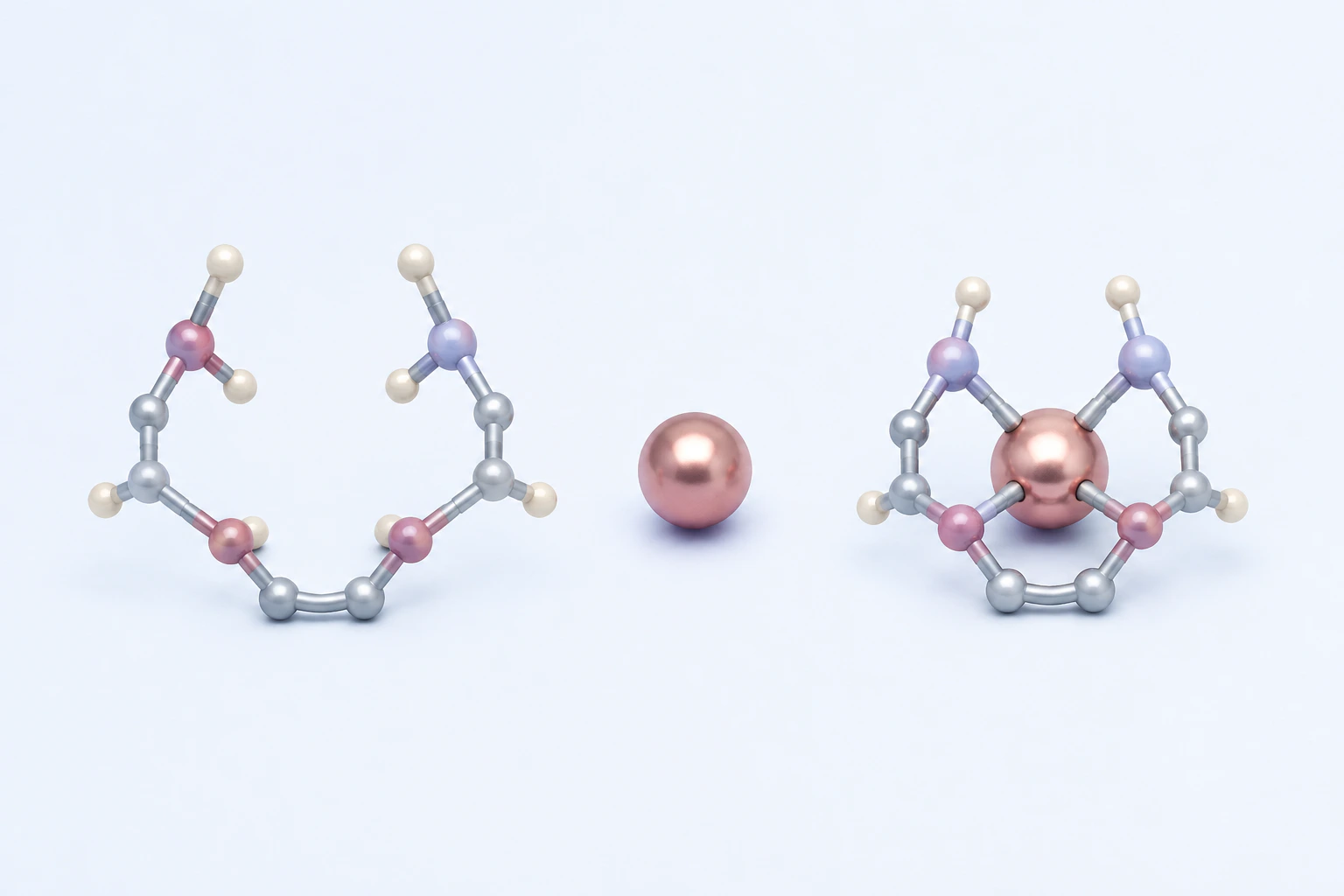
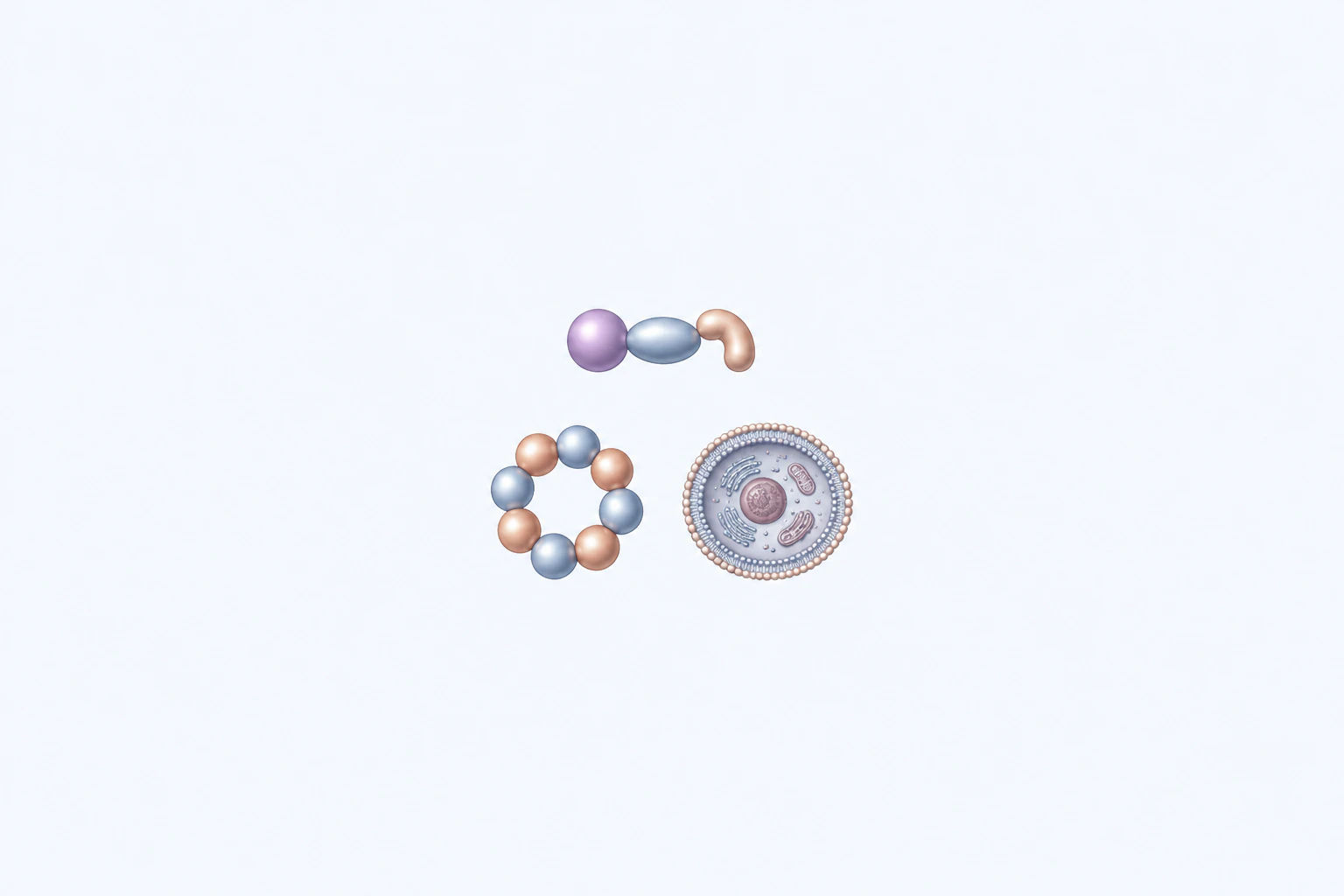
An open ligand teaching form, an isolated metal sphere, and a separate closed ligand-and-sphere model appear without arrows.
Mechanisms3 sources

Chelation Therapy

Chelation therapy uses high-affinity metal-binding molecules to form stable, excretable complexes with toxic metals, removing them from the body. The term derives from Greek "chele" (claw) -- the chelator grips the metal ion at multiple coordination sites. While chelati…

D
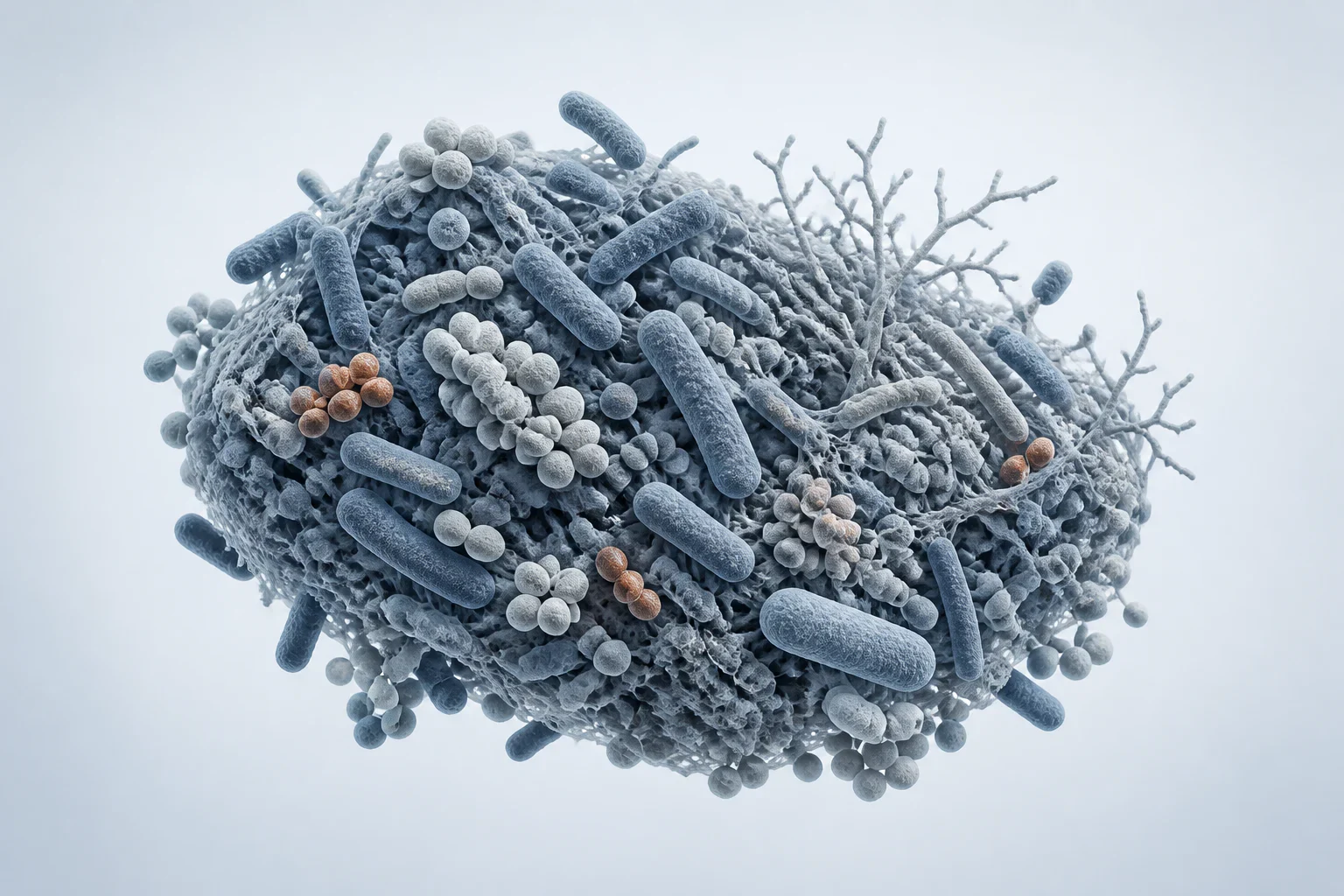
A microscopy-informed mixed microbial community with rods, cocci, curved rods, and branching forms on a pale cool field.
Mechanisms14 sources

Dysbiosis

Disruption of the normal composition and metabolic function of microbial communities, particularly the gut microbiome. In the metallomics context, dysbiosis is both a consequence of metal toxicity and an amplifier of further disease -- creating vicious cycles where meta…

E
Mechanisms8 sources

EDTA

Ethylenediaminetetraacetic acid (EDTA) is a synthetic aminopolycarboxylic acid widely used as a chelation agent for heavy metal poisoning, particularly lead. In the microbiome context, EDTA is significant for two reasons: its therapeutic use in metal detoxification and …

Mechanisms8 sources

Endocrine Disruptors

Exogenous chemicals that interfere with hormone synthesis, secretion, transport, binding, or elimination, mimicking or blocking endogenous hormones at physiologically relevant concentrations. In the metallomics-microbiome framework, endocrine disruptors occupy a critica…

F
G
H
I
M
N
P
T
U