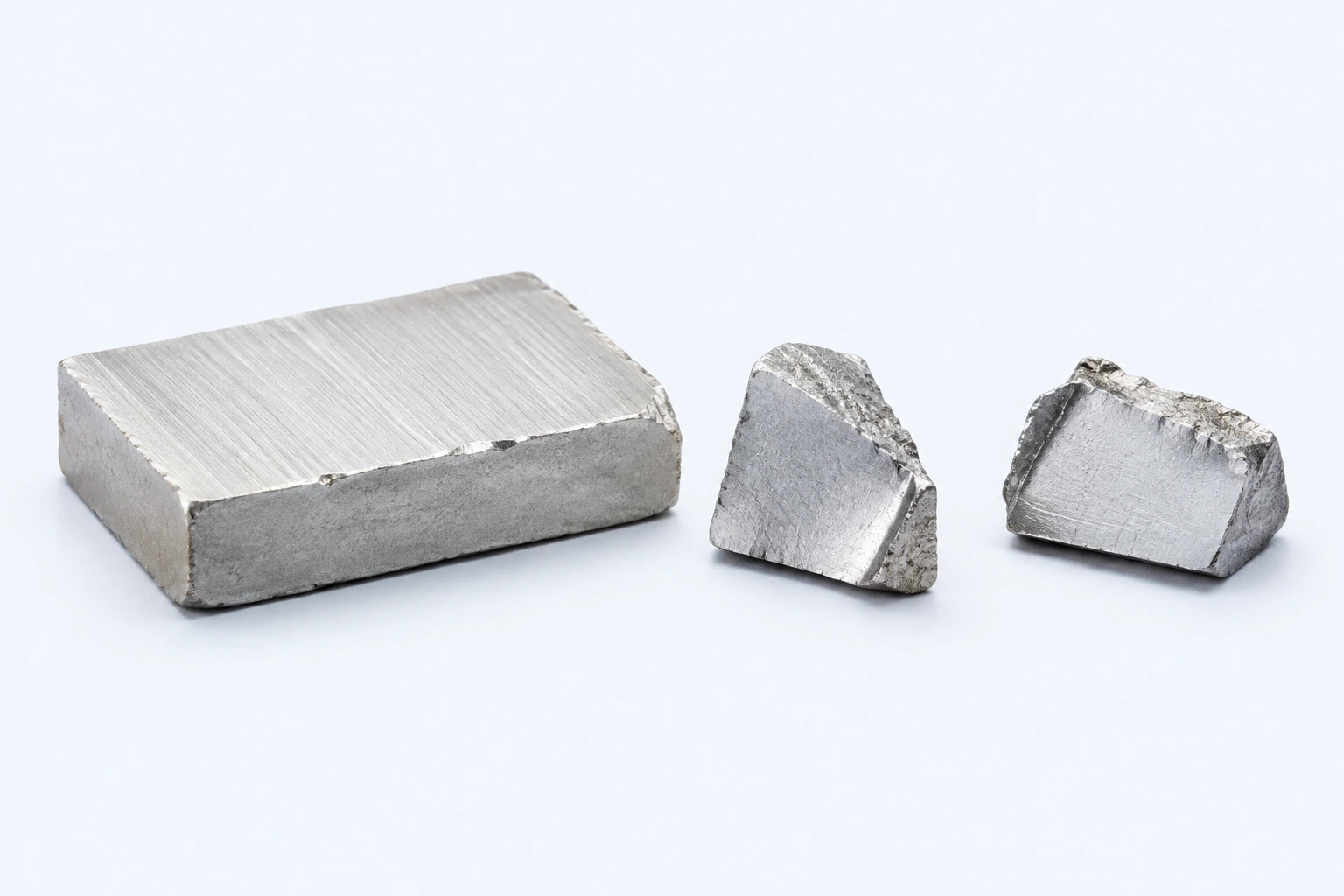
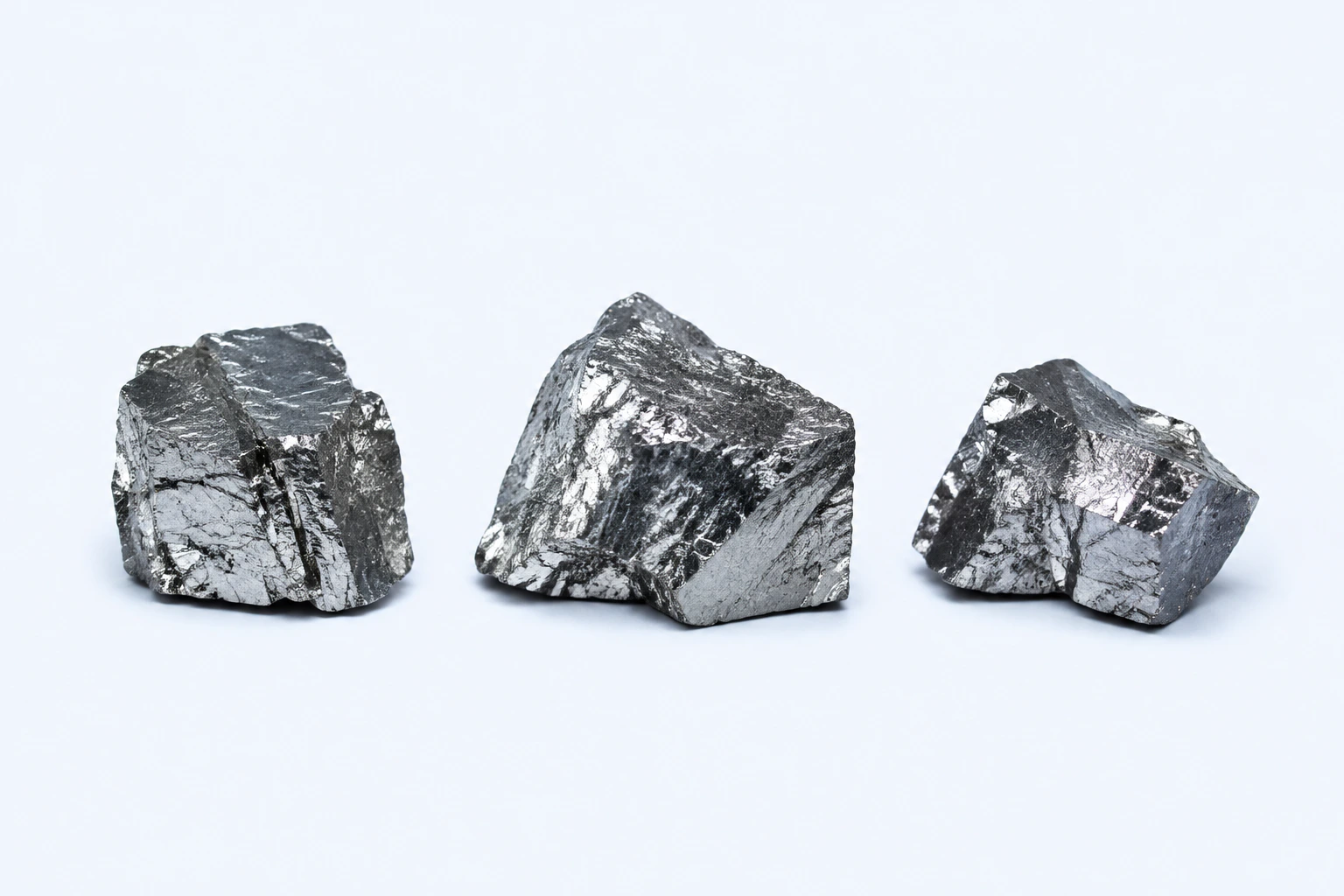
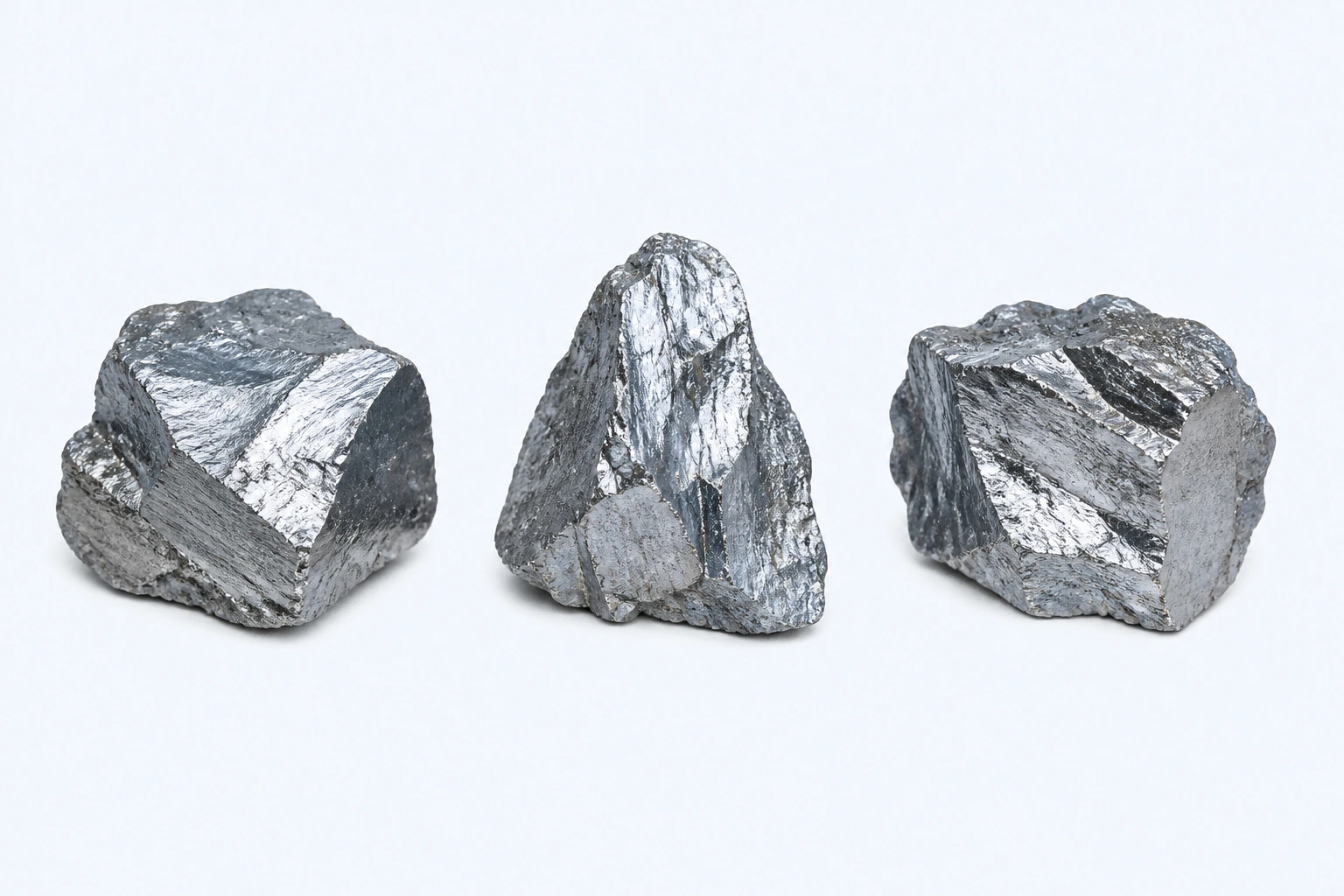
A non-essential metal and the most abundant metallic element in the Earth's crust. Unlike manganese, iron, or selenium, aluminum has no known biological function in humans. Its significance in metal toxicology stems from two major concerns: proven neurotoxicity at eleva…
Chromium is a transition metal (atomic number 24) whose toxicology is defined by a stark oxidation-state divide. Hexavalent chromium, Cr(VI), is an IARC Group 1 human carcinogen that causes DNA damage through a unique mechanism of intracellular reduction and ternary add…
A transition metal that is essential to human health exclusively as a component of cobalamin (vitamin B12), but toxic at higher levels of exposure. Cobalt occupies a distinctive position in metal biology: it is the only metal whose essential biological function in mamma…
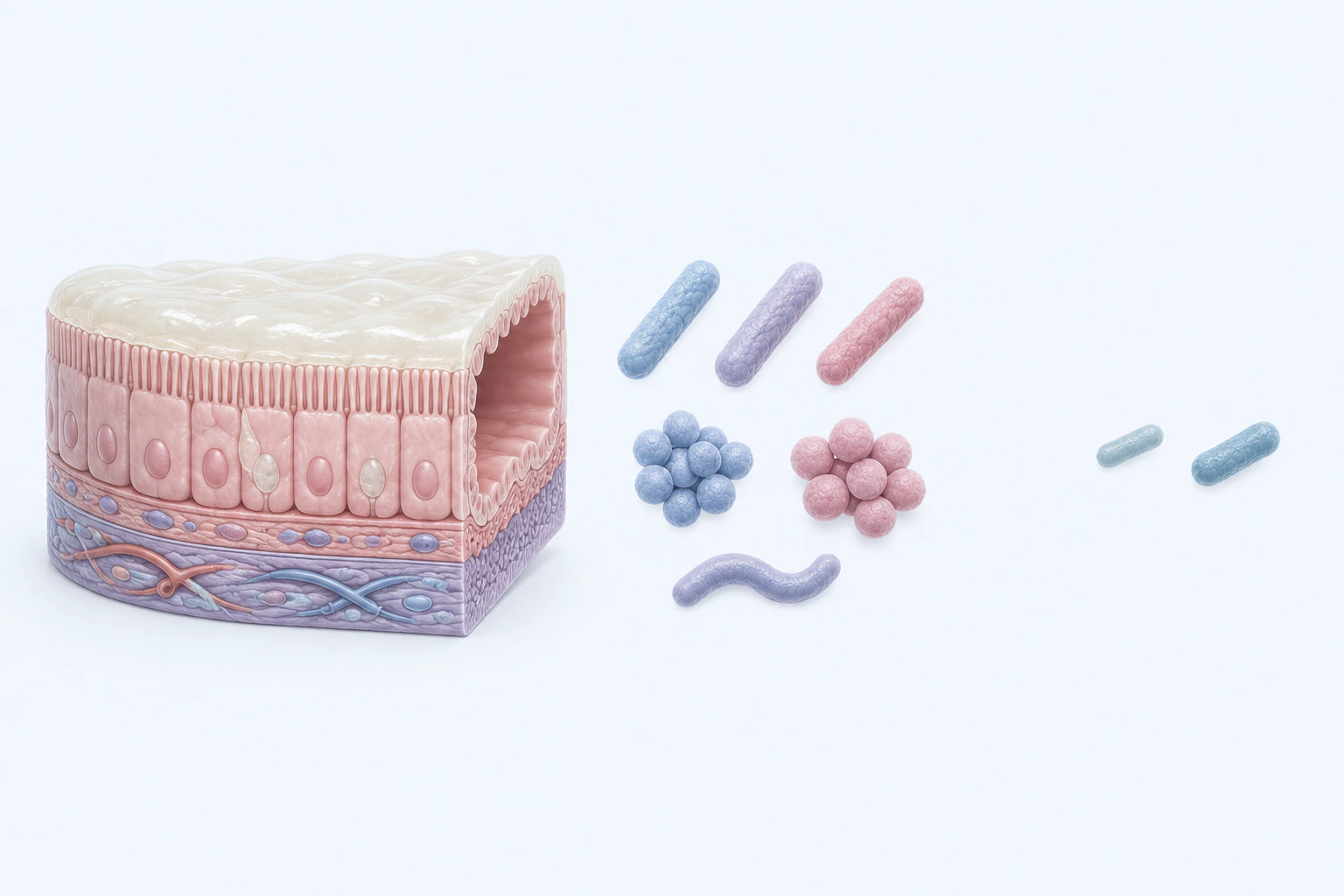
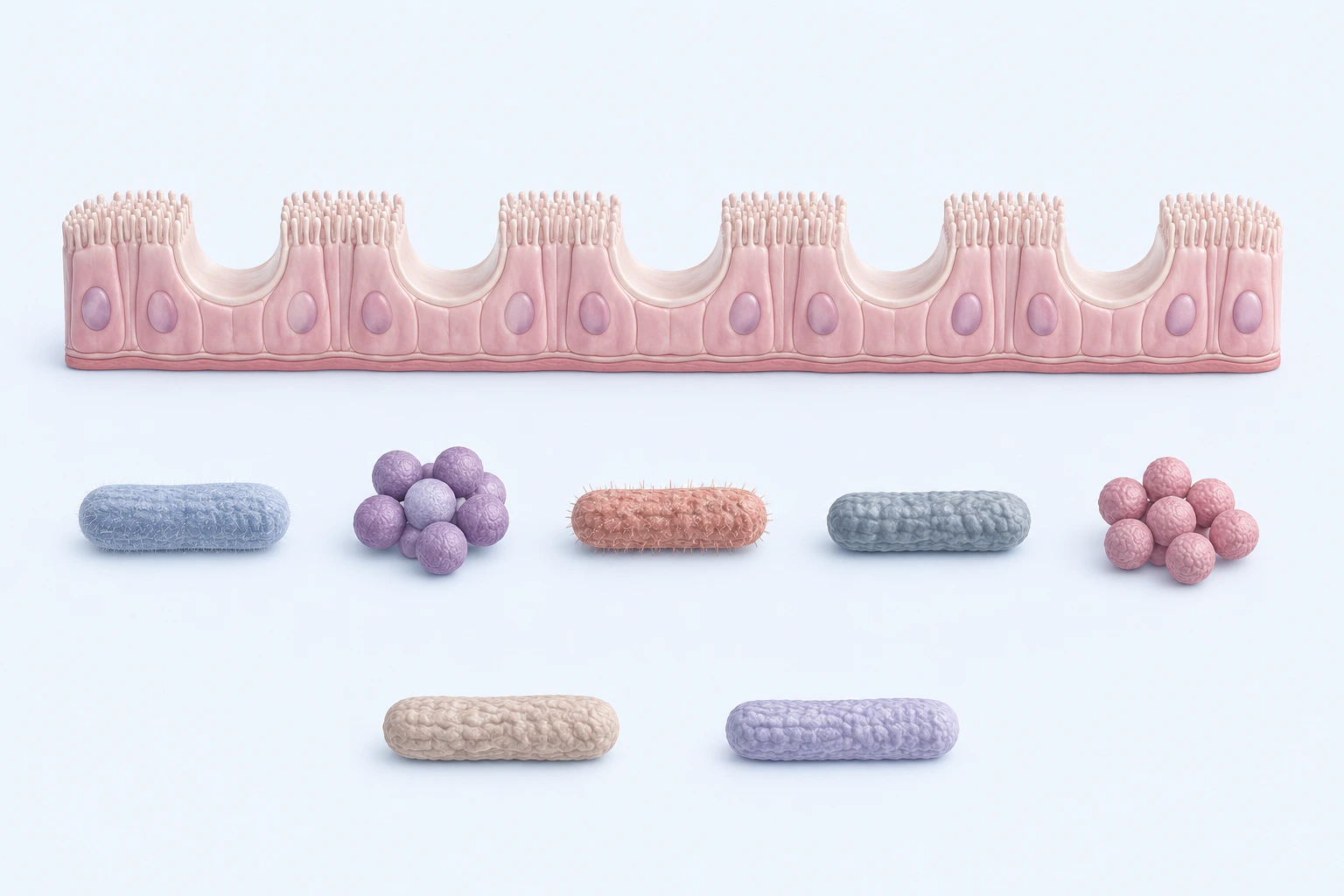
The collective ability of the resident gut microbiome to prevent colonization by exogenous pathogens and suppress expansion of resident pathobionts. Colonization resistance is not a property of any single organism but an emergent function of the whole microbial communit…
Competitive exclusion is the ecological principle that two species competing for the same limiting resource cannot coexist indefinitely — one will outcompete the other. In the gut microbiome, competitive exclusion is the primary mechanism by which commensal bacteria pre…
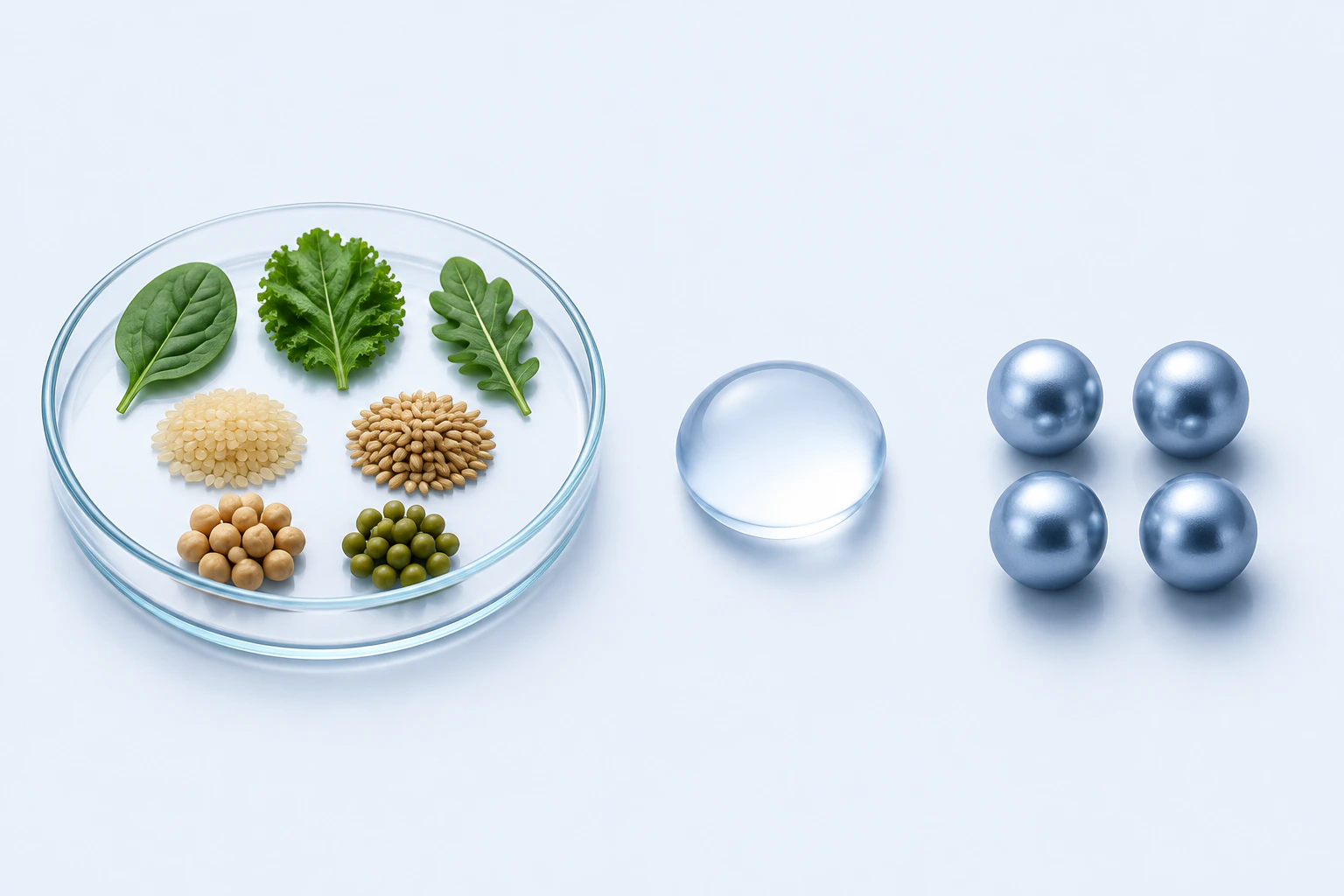
Food is the primary source of nickel exposure for the general (non-occupational) population. While food nickel poses minimal risk to most adults, children and nickel-sensitized individuals are high-risk groups.
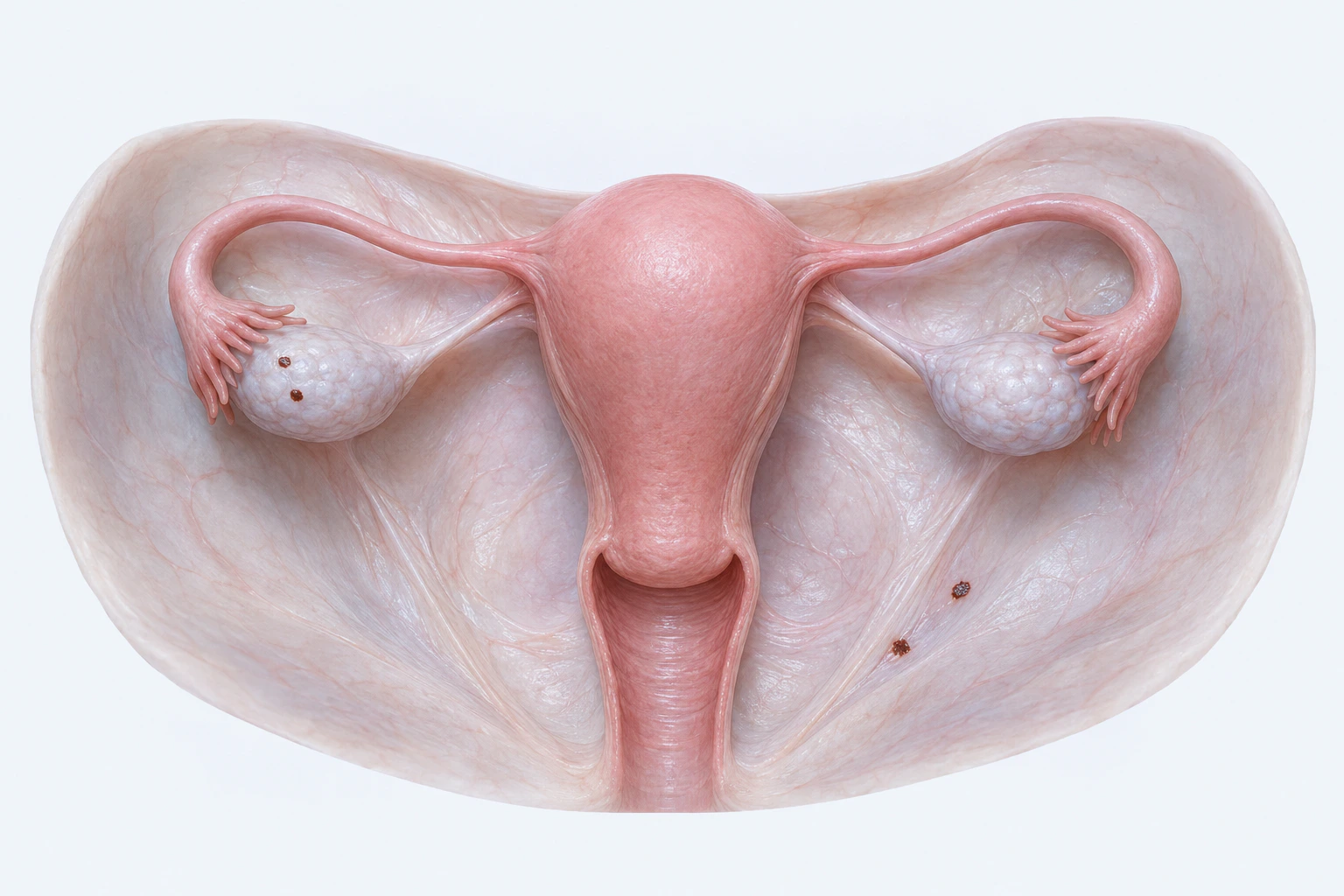
Endometriosis is a chronic estrogen-dependent inflammatory condition affecting approximately 10% of reproductive-age women, characterized by the growth of endometrial-like tissue outside the uterus colonetti 2023 gut vaginal microbiota endometriosis meta analysis. The c…
This page addresses the practical question: how do toxic metals get into people? Metal toxicology research identifies the mechanisms of harm, but understanding exposure routes -- dietary, occupational, environmental, and consumer product-mediated -- is essential for pre…
The most abundant transition metal in the human body and arguably the most consequential metal in biology. Iron sits at the center of a paradox that drives pathology across virtually every disease domain: organisms need it for oxygen transport, energy metabolism, DNA sy…
Manganese is an essential trace element with a narrow therapeutic window: required as a cofactor for critical enzymes including Mn-SOD (SOD2), pyruvate carboxylase, arginase, and ribonucleotide reductase, yet profoundly neurotoxic at elevated levels martin 2022 manganes…
Mercury is the most toxic heavy metal with no known biological function. Its organic form -- methylmercury (MeHg) -- is the primary concern for dietary exposure via fish consumption. Mercury's toxicity centers on thiol group binding, glutathione depletion, and blood-bra…
A cluster of conditions — high blood pressure, impaired fasting glucose, insulin resistance, abdominal obesity (BMI ≥25), high triglycerides, low HDL-C — defined by the presence of ≥3 components. Emerging evidence links MetS to environmental nickel exposure, though find…
The second most common neurodegenerative disease, affecting over 10 million people worldwide dorsey 2018 parkinsons incidence meta analysis. Characterized by progressive loss of dopaminergic neurons in the substantia nigra, alpha-synuclein aggregation (Lewy bodies), and…
The exposome is the totality of environmental exposures an individual experiences from conception to death. Coined by Christopher Wild in 2005, it complements the genome by capturing the environmental side of the gene-environment equation. Metals are among the most quan…
A non-essential metal with a dual toxicological profile: inorganic tin (from canned foods) causes primarily gastric irritation at high concentrations, while organotin compounds (tributyltin, trimethyltin) are far more toxic, acting as endocrine disruptors and neurotoxin…