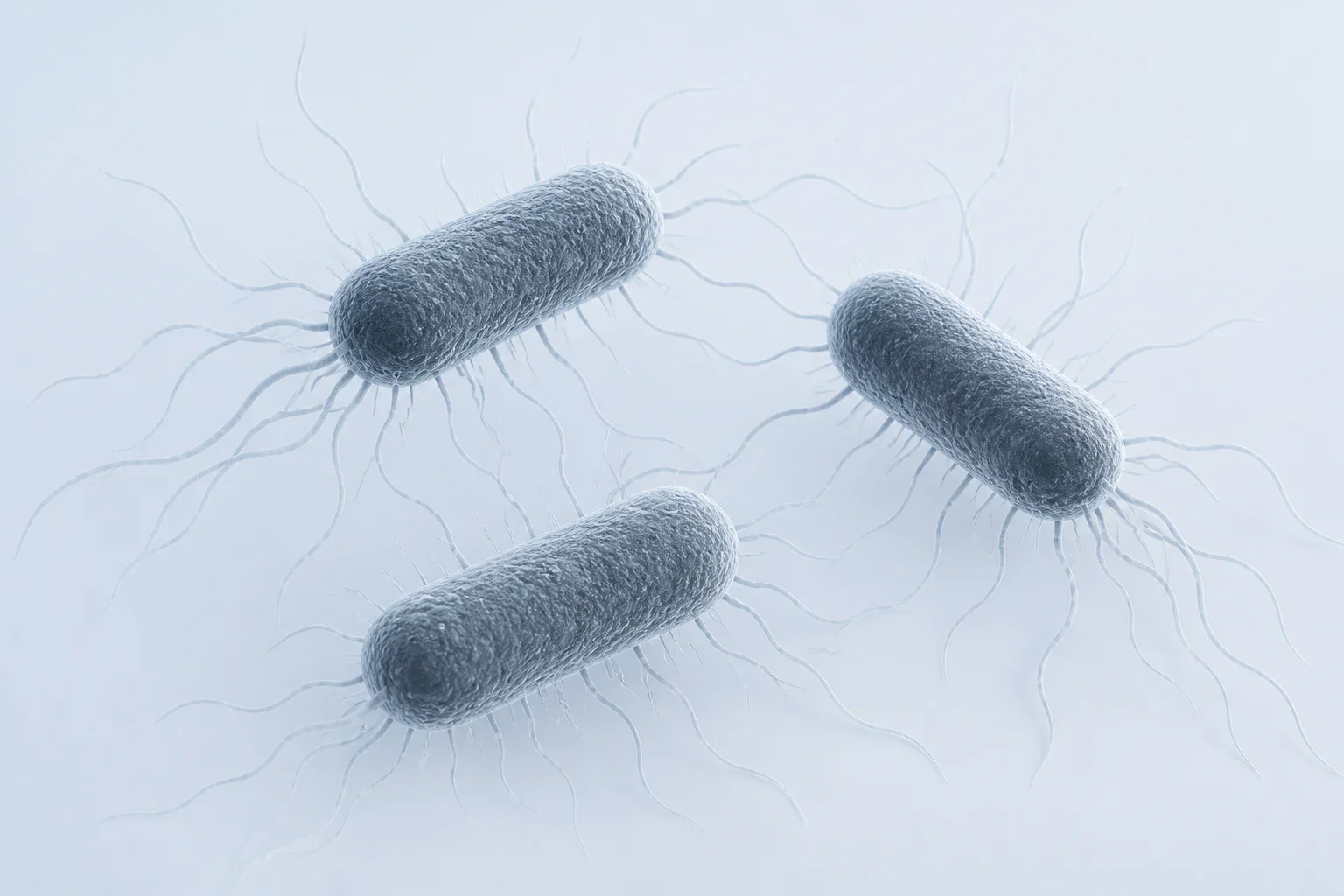
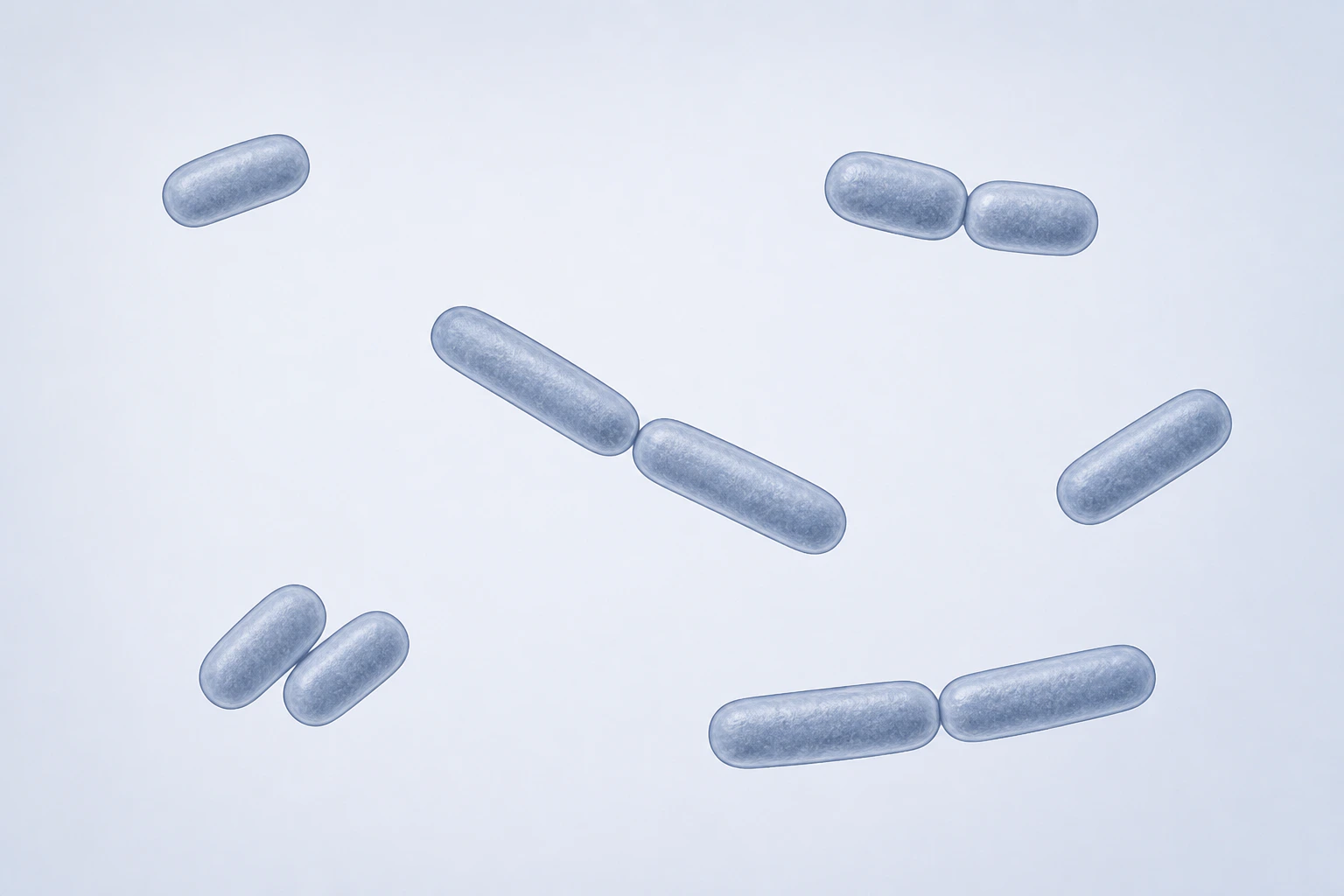
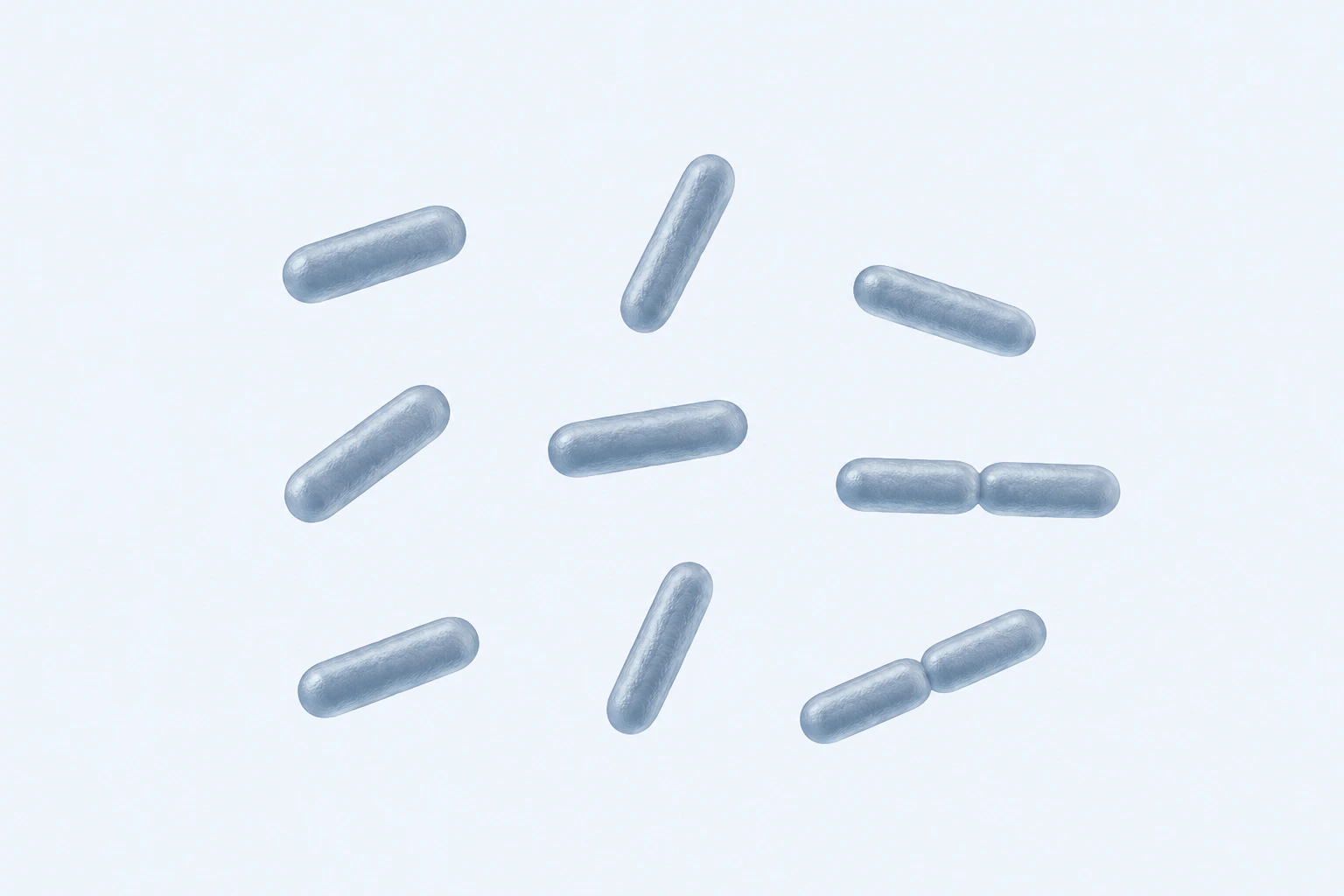
Escherichia is a genus of Gram-negative, facultatively anaerobic bacteria in the Enterobacteriaceae family. The primary species E. coli is simultaneously the most studied bacterium in biology and one of the most consistently enriched organisms in disease-associated micr…
A Gram-negative bacterium that spans the commensal-pathogen spectrum, with pathogenic variants (UPEC, STEC, EHEC) deploying nickel-dependent enzymes as virulence factors. E. coli is the model organism for nickel transport biology -- the NikABCDE system was first charact…
A pathotype of escherichia coli that adheres to and invades intestinal epithelial cells, survives and replicates within macrophages, and is strongly associated with ileal Crohn's disease. Unlike classical diarrheagenic E. coli pathotypes (EPEC, ETEC, EHEC), AIEC does no…
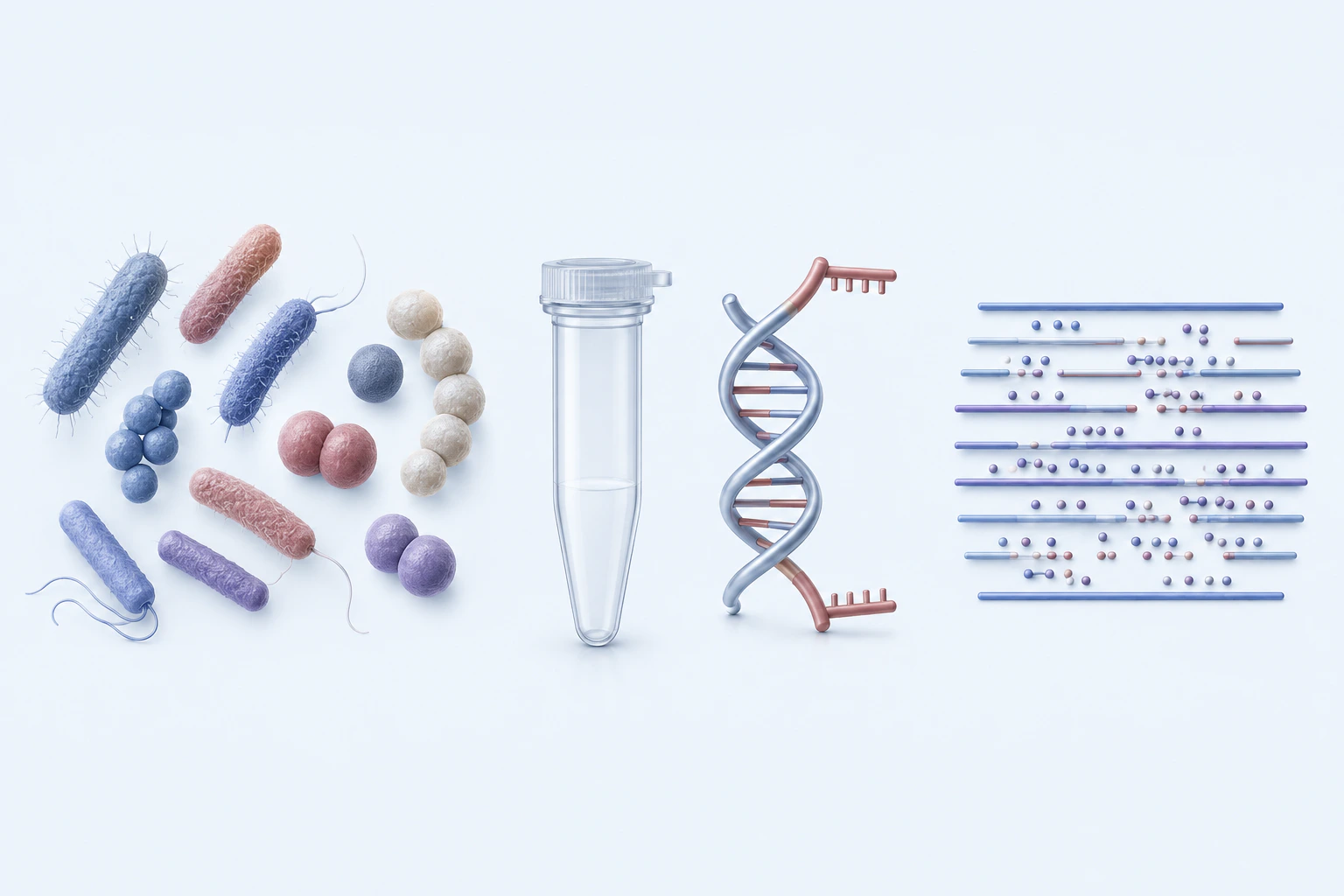
16S rRNA gene sequencing is the most widely used method for characterizing bacterial communities in this wiki. It targets the ~1,500 base pair 16S ribosomal RNA gene, which contains nine hypervariable regions (V1–V9) flanked by conserved sequences. Universal primers amp…
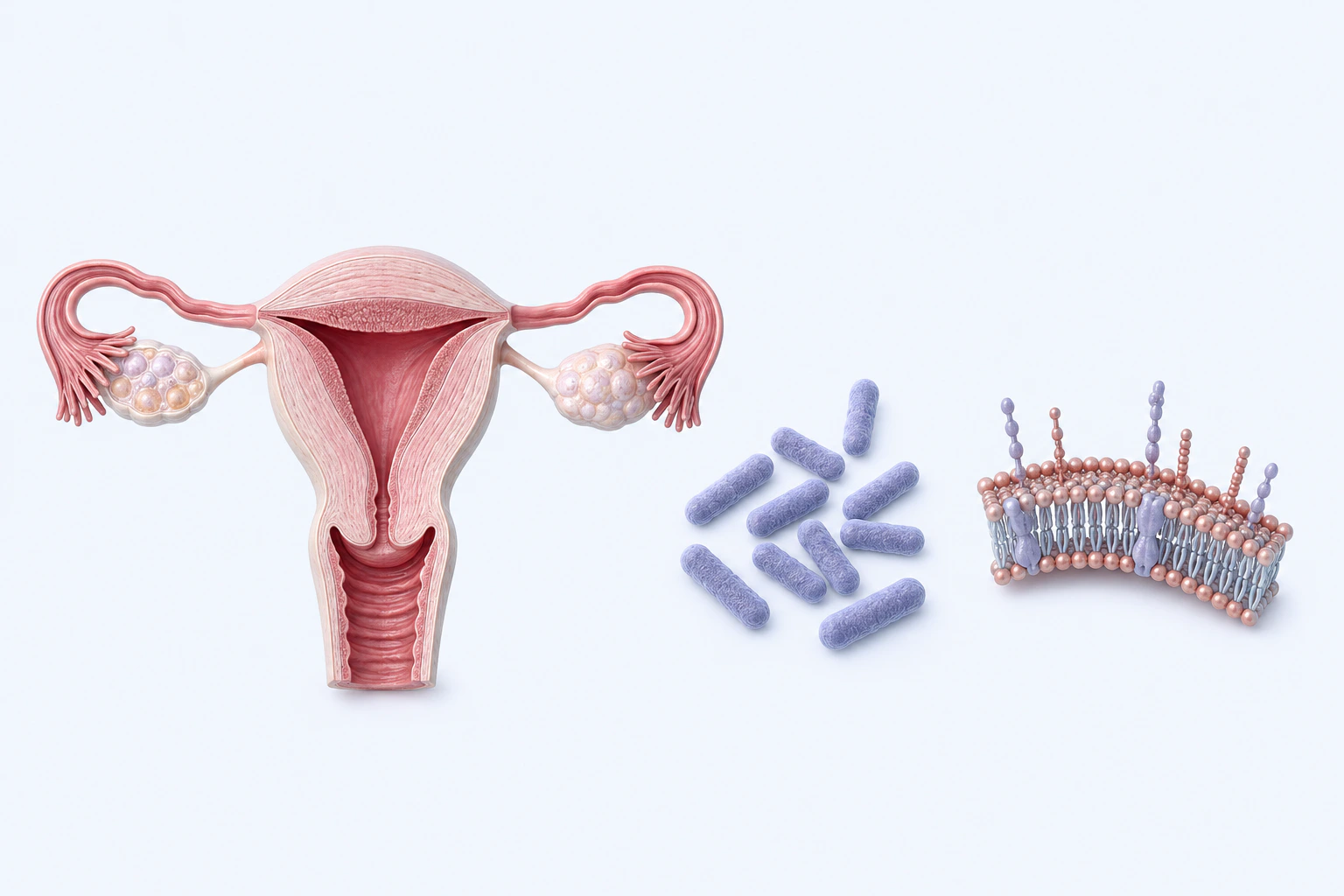
The bacterial contamination hypothesis proposes that bacterial endotoxin (LPS) contamination of menstrual blood and endometrial tissue is a key driver of endometriosis pathogenesis. First formalized by Khan et al. (2018), this hypothesis shifts endometriosis from a pure…
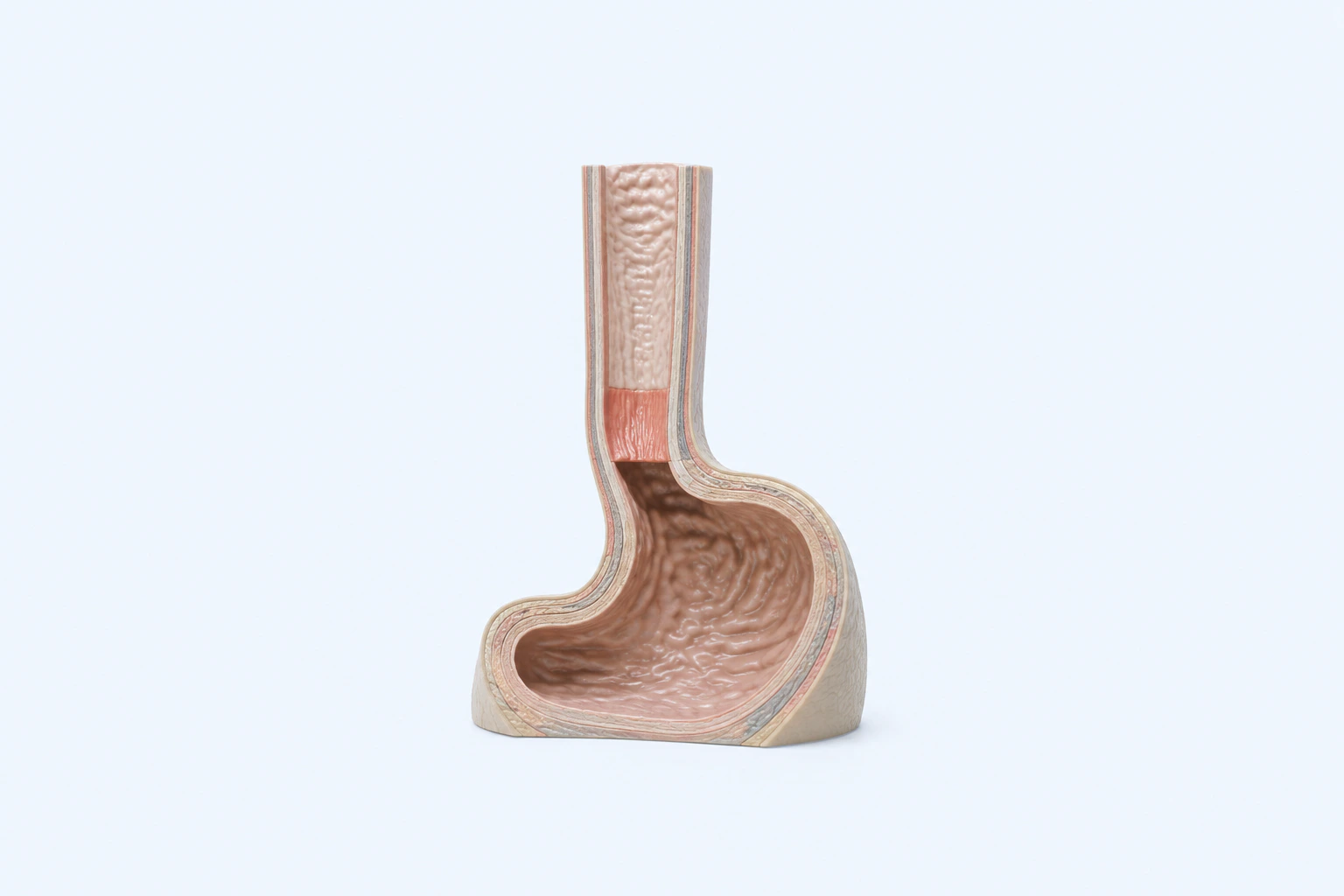
Barrett's esophagus (BE) is a premalignant condition in which the normal squamous epithelium of the distal esophagus is replaced by intestinal-type columnar epithelium (intestinal metaplasia). It is the primary risk factor for esophageal adenocarcinoma (EAC), a cancer w…
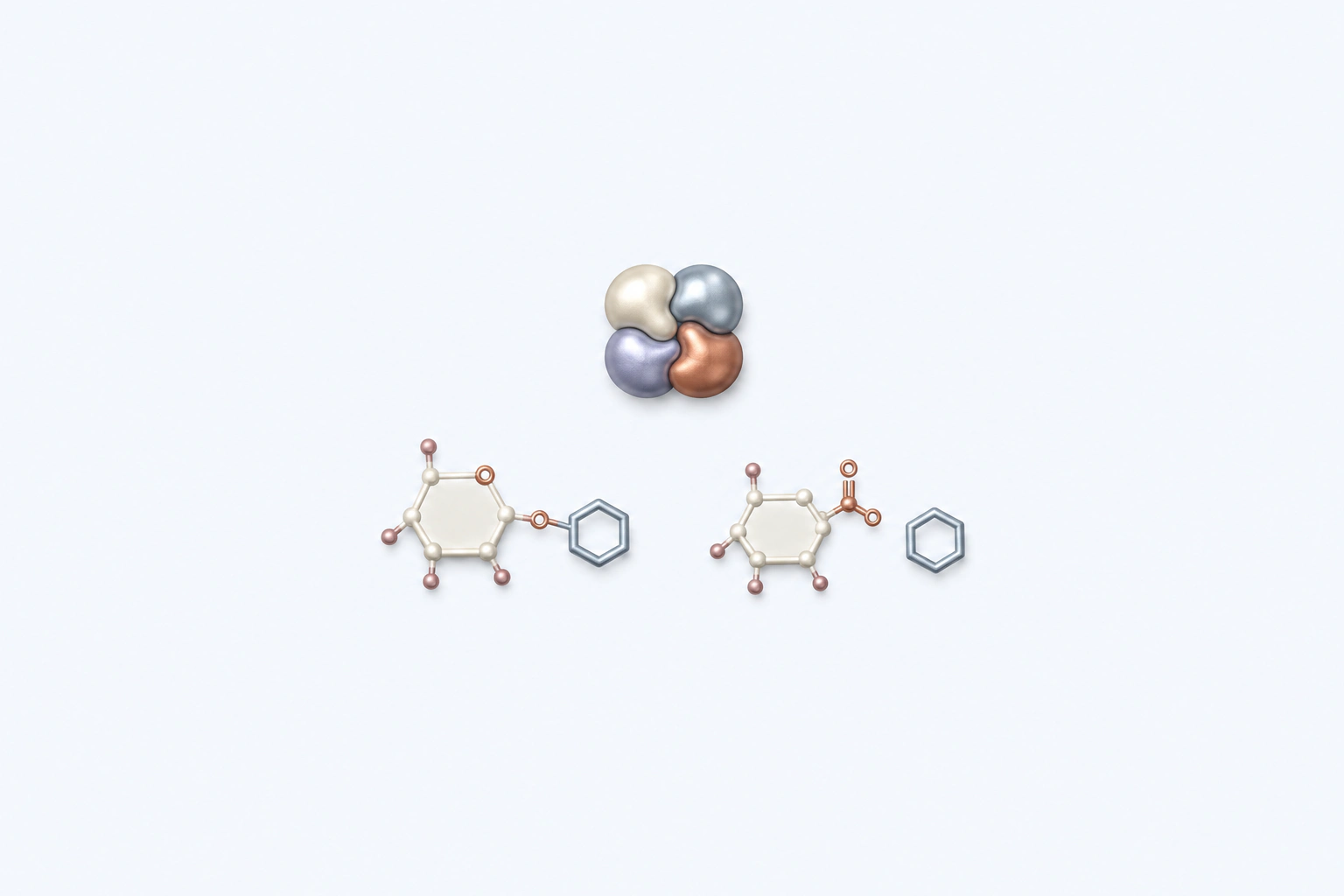
Beta-glucuronidase (β-glucuronidase, EC 3.2.1.31) is an enzyme that catalyzes the hydrolysis of glucuronidated compounds, cleaving the β-1,4-glycosidic bond between a sugar and a glucuronic acid group. In the microbiome, beta-glucuronidase is the key enzyme of the estro…
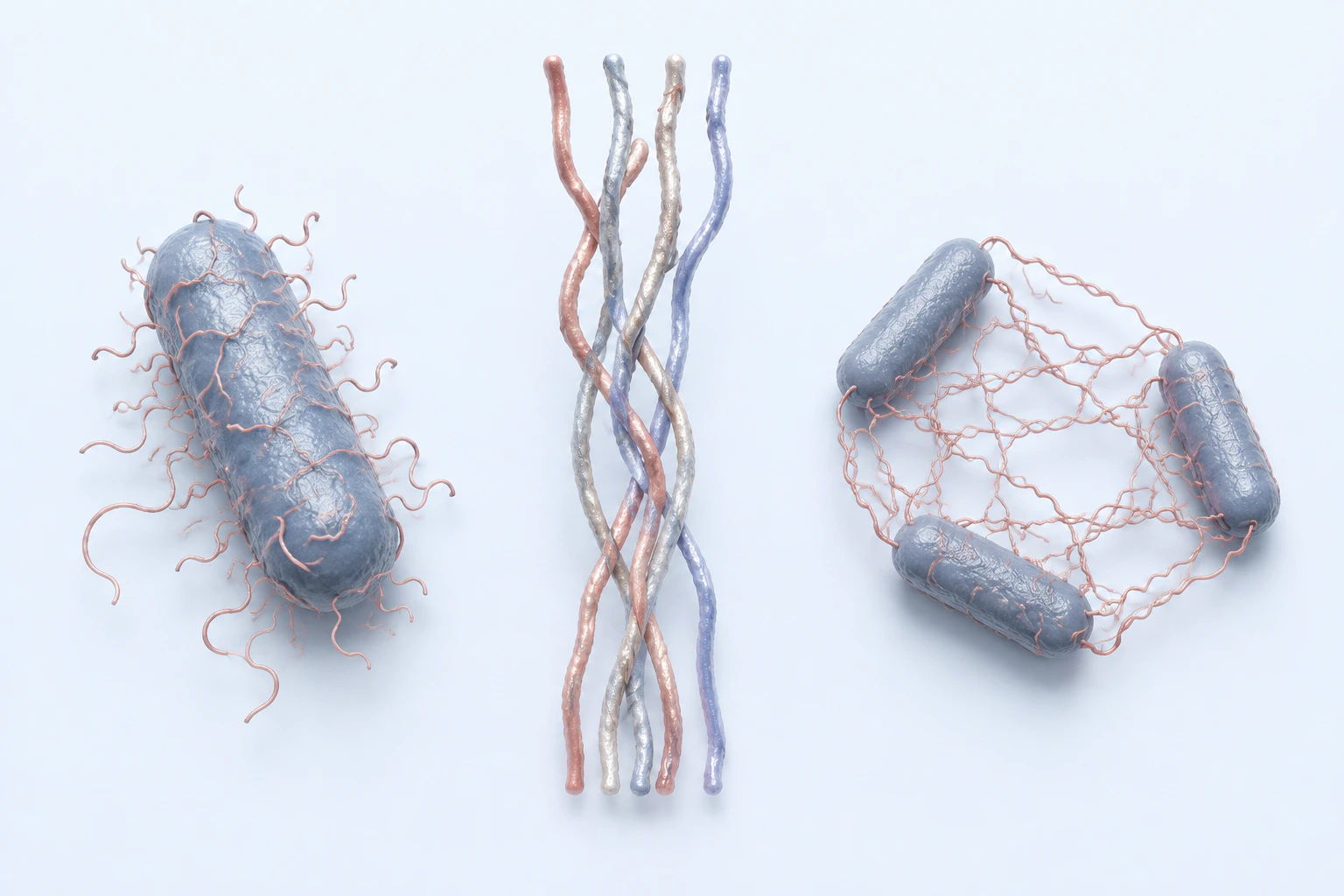
Curli are functional amyloid fibers produced by escherichia coli, salmonella, and other Enterobacteriaceae as the primary protein component of their extracellular biofilm matrix. The curli subunit CsgA polymerizes into cross-beta-sheet amyloid fibrils that are structura…
A family of Gram-negative, facultative anaerobic Gammaproteobacteria that includes many of the most important human pathogens: escherichia coli, klebsiella pneumoniae, salmonella typhimurium, shigella flexneri, yersinia pestis, proteus mirabilis, Morganella, and Serrati…
Estrogen recirculation is the recycling loop by which conjugated estrogens excreted in bile are deconjugated by gut bacterial beta glucuronidase, reabsorbed across the intestinal epithelium, and returned to systemic circulation uzuner 2023 bidirectional relationship end…
Alphabetical definitions of specialist terms used throughout this wiki. Where a full concept page exists, the term links to it. --- AhR (aryl hydrocarbon receptor) -- A ligand-activated transcription factor that senses microbial metabolites (especially indoles from tryp…
[NiFe] hydrogenases are the second major nickel-dependent virulence factor class in human pathogens. Less widespread than urease but critical for energy metabolism in gastric, enteric, and intracellular pathogens. The discovery that H. pylori hydrogenase powers CagA tra…
Peptostreptococcus stomatis is a Gram-positive, obligately anaerobic coccus originally isolated from the human oral cavity (oral streptococcal species) that has emerged as a carcinogenic oral pathobiont enriched in colorectal cancer, particularly in advanced stages. Unl…
Premenstrual Dysphoric Disorder (PMDD) affects 3-8% of menstruating individuals Epperson et al. 2012, causing severe mood disturbances, irritability, anxiety, and physical symptoms during the luteal phase of the menstrual cycle. Distinguished from premenstrual syndrome …
Shigella is a genus of Gram-negative, facultatively anaerobic bacteria in the family Enterobacteriaceae, closely related to Escherichia coli — so closely that many 16S rRNA-based studies report them as the Escherichia/Shigella complex, unable to distinguish the two gene…
The most widespread nickel-dependent virulence factor across human pathogens. Urease is found in at least 40 prokaryotic and 9 eukaryotic pathogenic species, making it the single most important enzyme linking dietary/environmental nickel to infectious disease.