Lipid Metabolism
This knowledge-base record is being expanded from WikiBiome’s evidence graph.
WikiBiomeThe human microbiome encyclopediaRanked matches across titles, topics, categories, and article introductions, filtered to mechanism.
This knowledge-base record is being expanded from WikiBiome’s evidence graph.
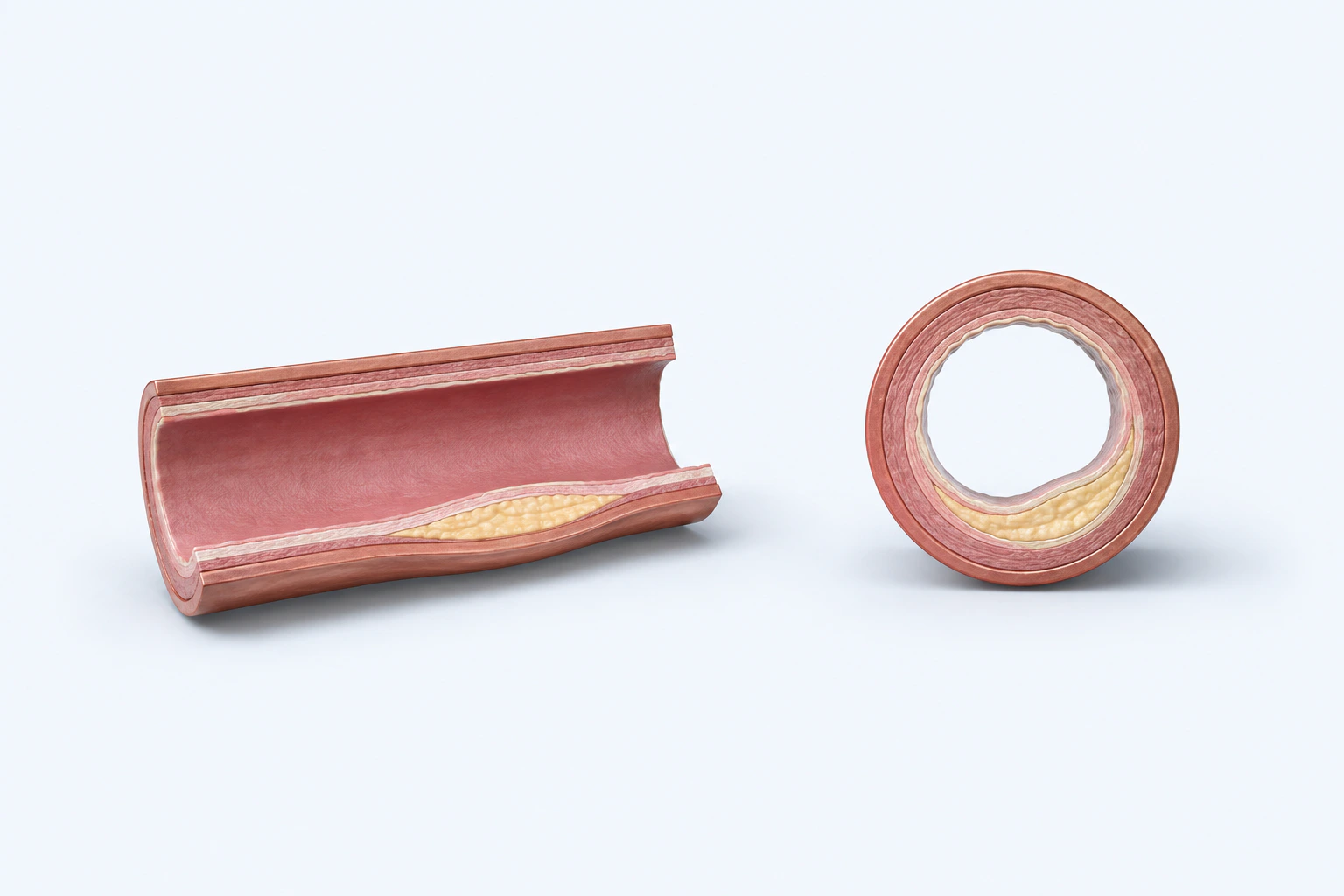
Progressive inflammatory disease of the arterial wall characterized by lipid accumulation, immune cell infiltration, and fibrous plaque formation. In the metallomics framework, atherosclerosis sits at the convergence of three interacting systems: heavy metal toxicity, g…
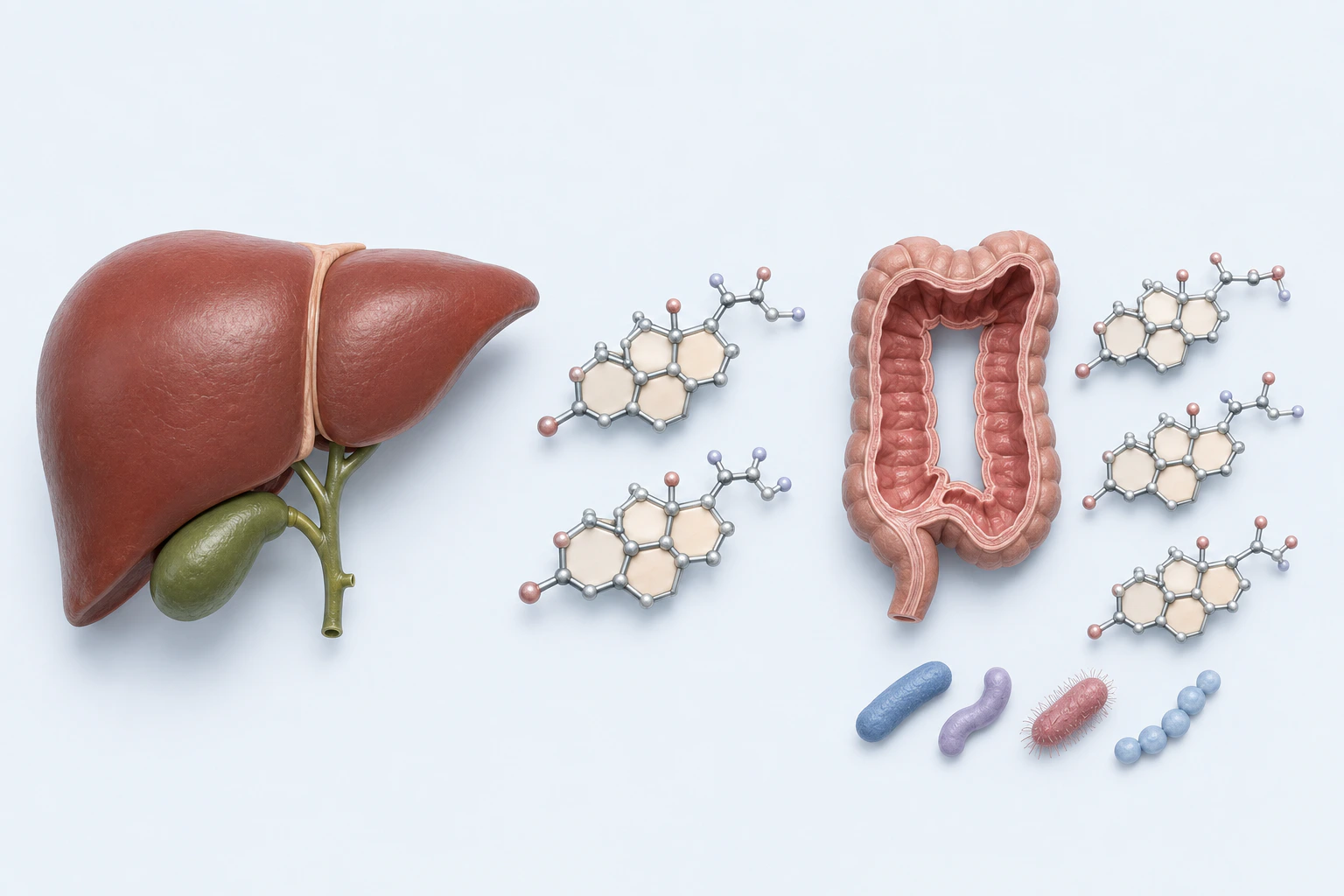
Bile acids are cholesterol-derived amphipathic molecules synthesized in the liver, secreted into the duodenum, and extensively modified by gut bacteria. The host-microbe co-metabolism of bile acids creates a signaling network with profound effects on lipid metabolism, g…
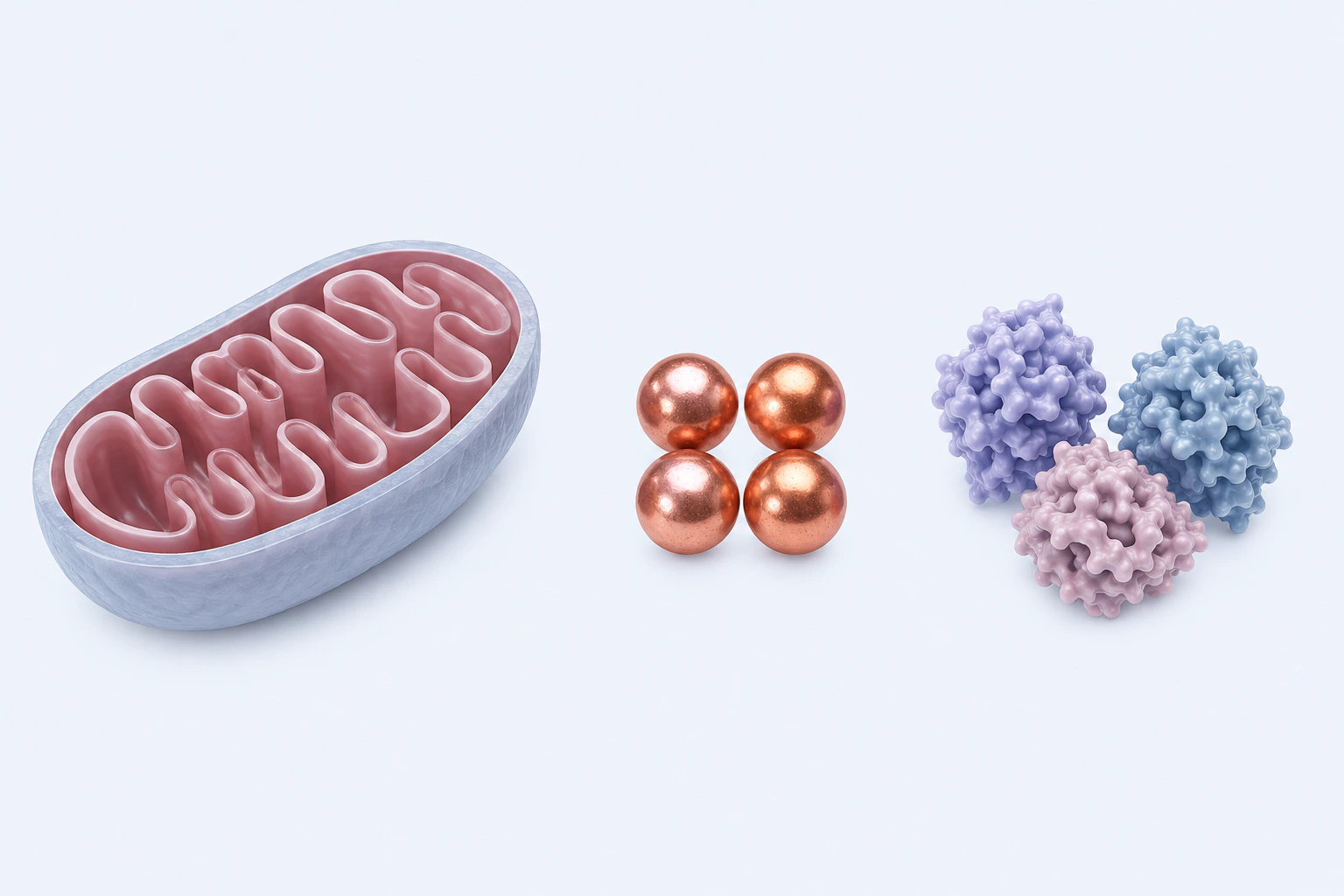
A distinct form of regulated cell death caused by excess intracellular copper binding to lipoylated proteins in the TCA cycle, first characterized by Tsvetkov et al. in Science (2022). Unlike ferroptosis (iron-dependent lipid peroxidation) or apoptosis (caspase-dependen…
This knowledge-base record is being expanded from WikiBiome’s evidence graph.
The 6-24 month developmental window — when infants transition from breast milk to solid foods — represents a convergence of maximum vulnerability and maximum exposure. Immature detoxification systems, rapid organ development, and high food-to-body-weight ratios mean tha…
Human milk oligosaccharides are a diverse family of over 200 structurally distinct complex sugars found in breast milk. They are the third most abundant solid component of human milk (after lactose and lipids), yet they are not digestible by the infant. Their sole purpo…
The developing infant represents a uniquely vulnerable window for heavy metal toxicity. Three factors converge to make the first years of life a critical period: an immature and rapidly assembling gut microbiome, a developing blood-brain barrier, and proportionally high…
A cluster of conditions — high blood pressure, impaired fasting glucose, insulin resistance, abdominal obesity (BMI ≥25), high triglycerides, low HDL-C — defined by the presence of ≥3 components. Emerging evidence links MetS to environmental nickel exposure, though find…
This knowledge-base record is being expanded from WikiBiome’s evidence graph.
nickel is the most frequent cause of contact allergy worldwide. Once sensitized, the allergic reaction persists indefinitely and can be triggered by both cutaneous and dietary exposure.
Oxidative stress is the imbalance between the production of reactive oxygen and nitrogen species (ROS/RNS) and the capacity of biological antioxidant defense systems to detoxify them. It is the single most commonly invoked mechanism across metal toxicology in this wiki,…
This knowledge-base record is being expanded from WikiBiome’s evidence graph.
Small regulatory RNAs (sRNAs) are non-coding RNA molecules, typically 50-500 nucleotides long, that regulate gene expression post-transcriptionally in bacteria. In the context of metal biology and microbial pathogenesis, sRNAs serve as rapid-response coordinators that h…