Virulence Factors
This knowledge-base record is being expanded from WikiBiome’s evidence graph.
WikiBiomeThe human microbiome encyclopediaRanked matches across titles, topics, categories, and article introductions, filtered to mechanism.
This knowledge-base record is being expanded from WikiBiome’s evidence graph.
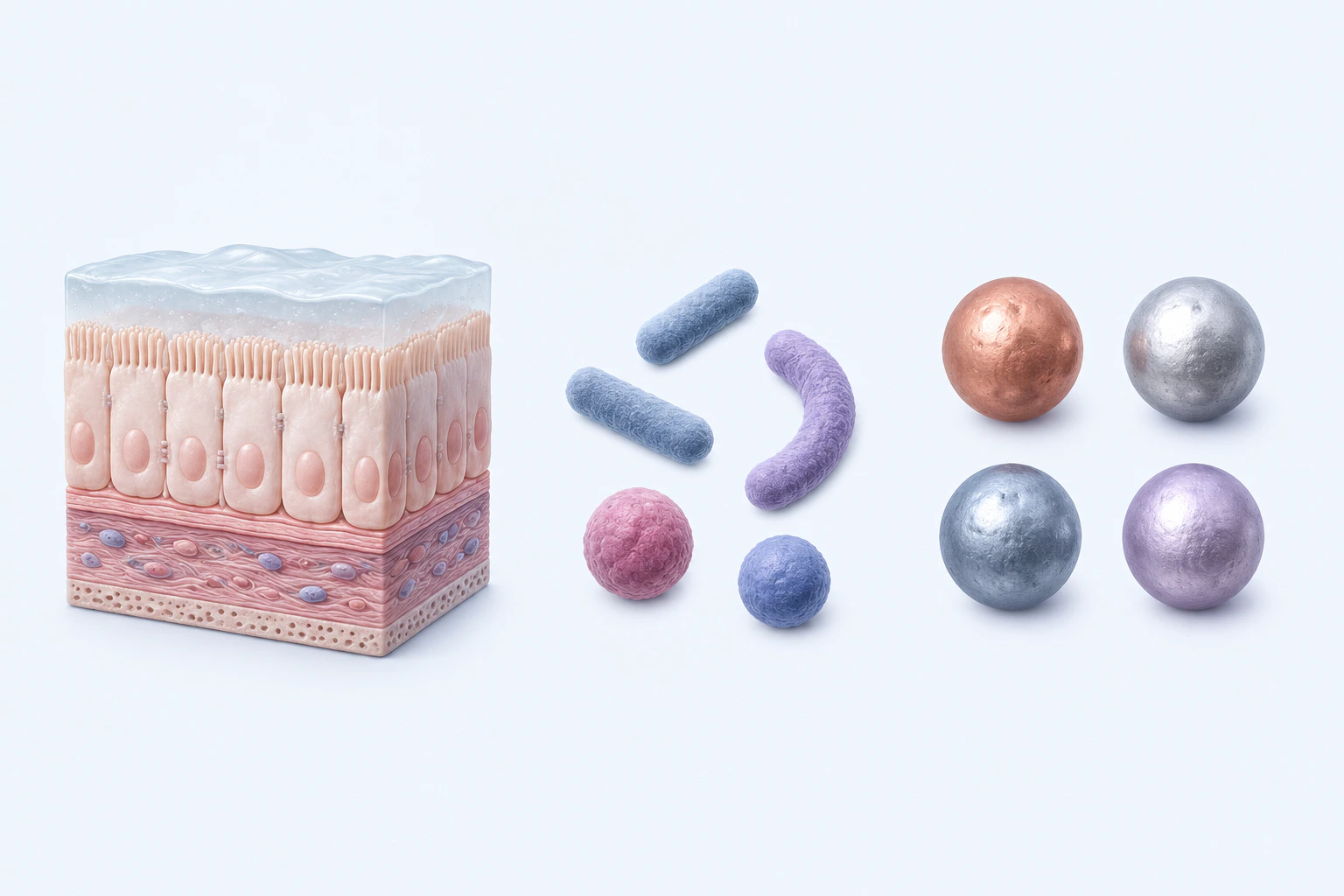
Every meal delivers metals to the gut lumen — essential minerals, trace elements, and contaminants alike. These metals do not passively transit the GI tract. They actively reshape the microbial ecosystem, selecting for metal-tolerant organisms, enabling virulence in met…
This knowledge-base record is being expanded from WikiBiome’s evidence graph.
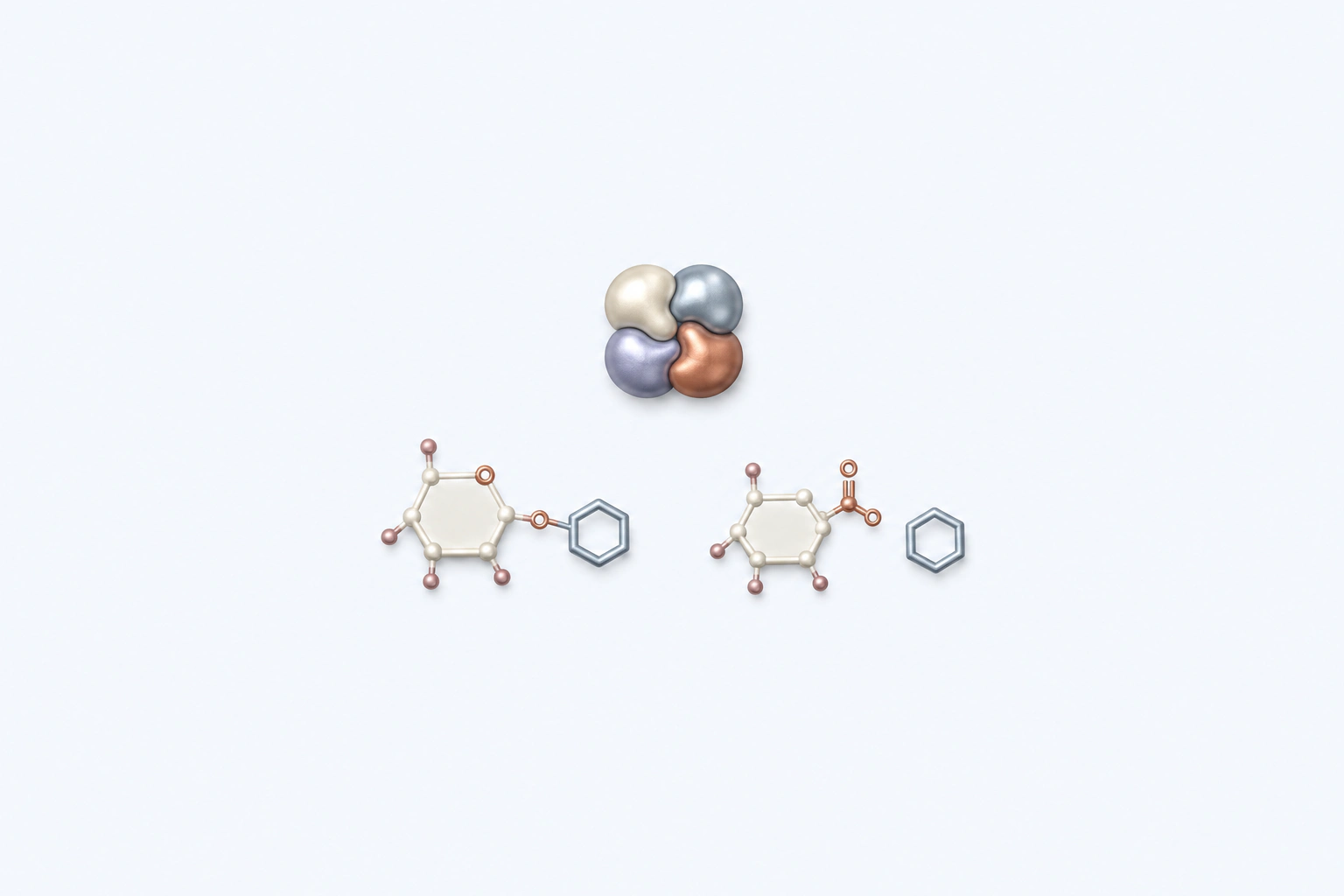
The third nickel-dependent enzyme class in human pathogens, after urease and hydrogenase. Glyoxalase I detoxifies methylglyoxal, a reactive and toxic byproduct of glycolysis. While less well-known than urease or hydrogenase as a virulence factor, GloI is emerging as a s…
[NiFe] hydrogenases are the second major nickel-dependent virulence factor class in human pathogens. Less widespread than urease but critical for energy metabolism in gastric, enteric, and intracellular pathogens. The discovery that H. pylori hydrogenase powers CagA tra…
Specialized proteins that escort metal ions from their point of entry to specific metalloenzyme targets, ensuring correct metalation in a cytoplasm crowded with competing metal-binding sites. Metallochaperones solve a fundamental problem in metal biology: how does the r…
Protein-based transcription factors that sense intracellular metal concentrations and regulate gene expression accordingly. Metalloregulators are the decision-making layer of bacterial metal homeostasis -- they read the labile metal pool, determine whether a specific me…
Specialized membrane proteins that import nickel into bacterial cells, supplying the essential cofactor for virulence enzymes including urease, NiFe-hydrogenase, and Ni-glyoxalase. Because mammals produce no known nickel-requiring proteins, these transporters represent …
This knowledge-base record is being expanded from WikiBiome’s evidence graph.
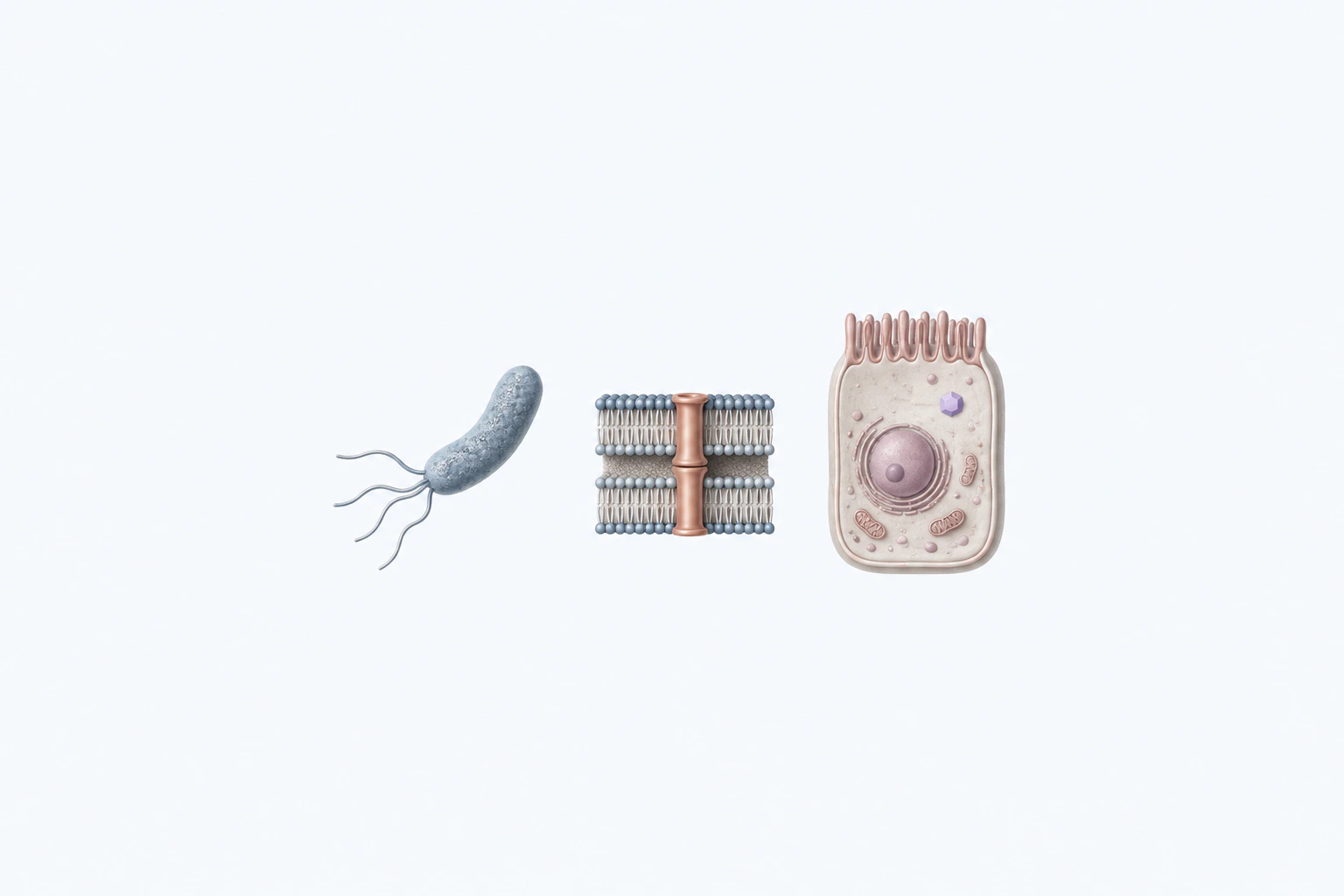
The outer membrane (OM) is the defining structural feature of Gram-negative bacteria, providing a permeability barrier that profoundly influences metal acquisition, antibiotic resistance, immune activation, and virulence. For the microbiome-metal axis, the outer membran…
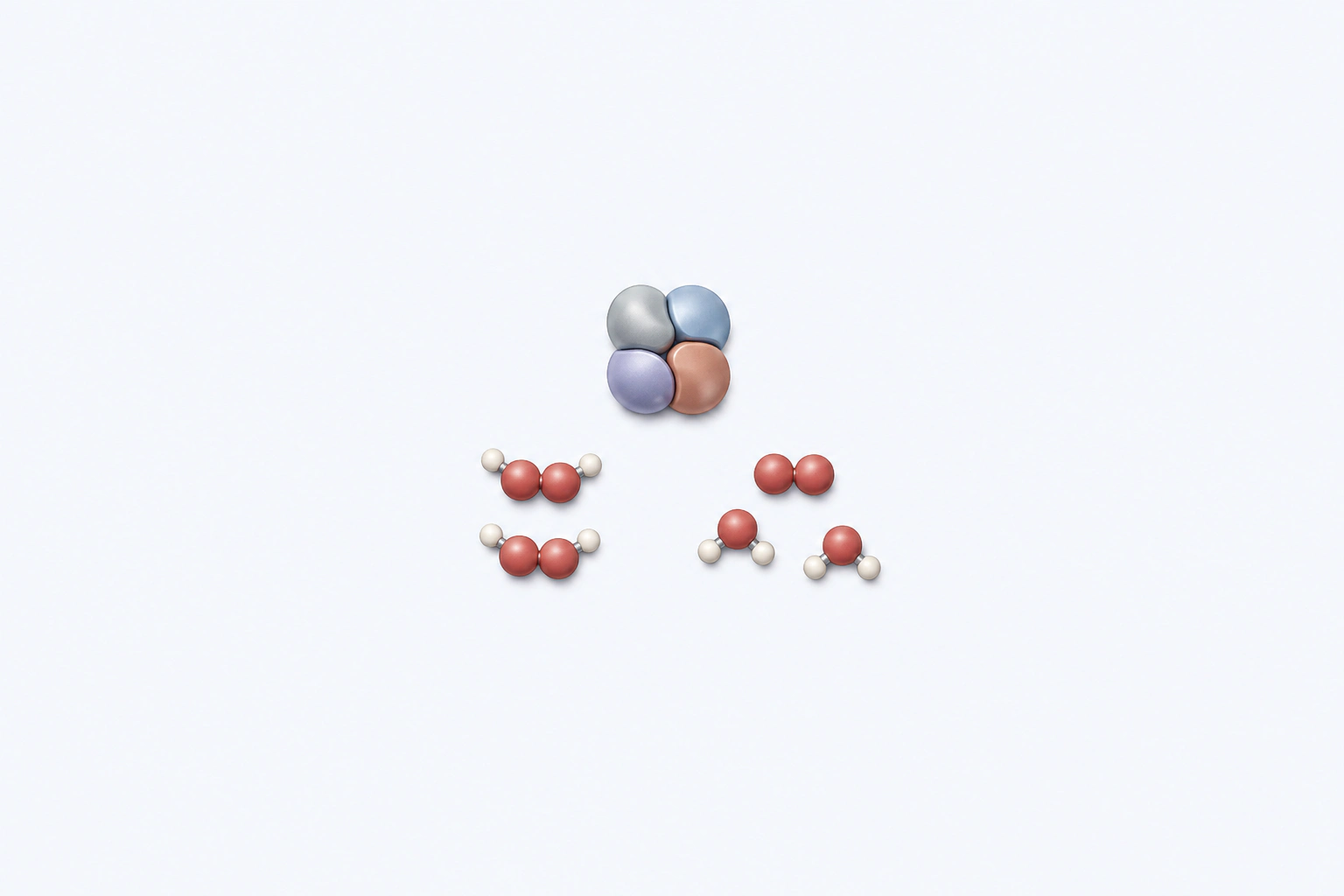
Oxidative stress is the imbalance between the production of reactive oxygen and nitrogen species (ROS/RNS) and the capacity of biological antioxidant defense systems to detoxify them. It is the single most commonly invoked mechanism across metal toxicology in this wiki,…
This knowledge-base record is being expanded from WikiBiome’s evidence graph.
Small regulatory RNAs (sRNAs) are non-coding RNA molecules, typically 50-500 nucleotides long, that regulate gene expression post-transcriptionally in bacteria. In the context of metal biology and microbial pathogenesis, sRNAs serve as rapid-response coordinators that h…
The most widespread nickel-dependent virulence factor across human pathogens. Urease is found in at least 40 prokaryotic and 9 eukaryotic pathogenic species, making it the single most important enzyme linking dietary/environmental nickel to infectious disease.
This knowledge-base record is being expanded from WikiBiome’s evidence graph.