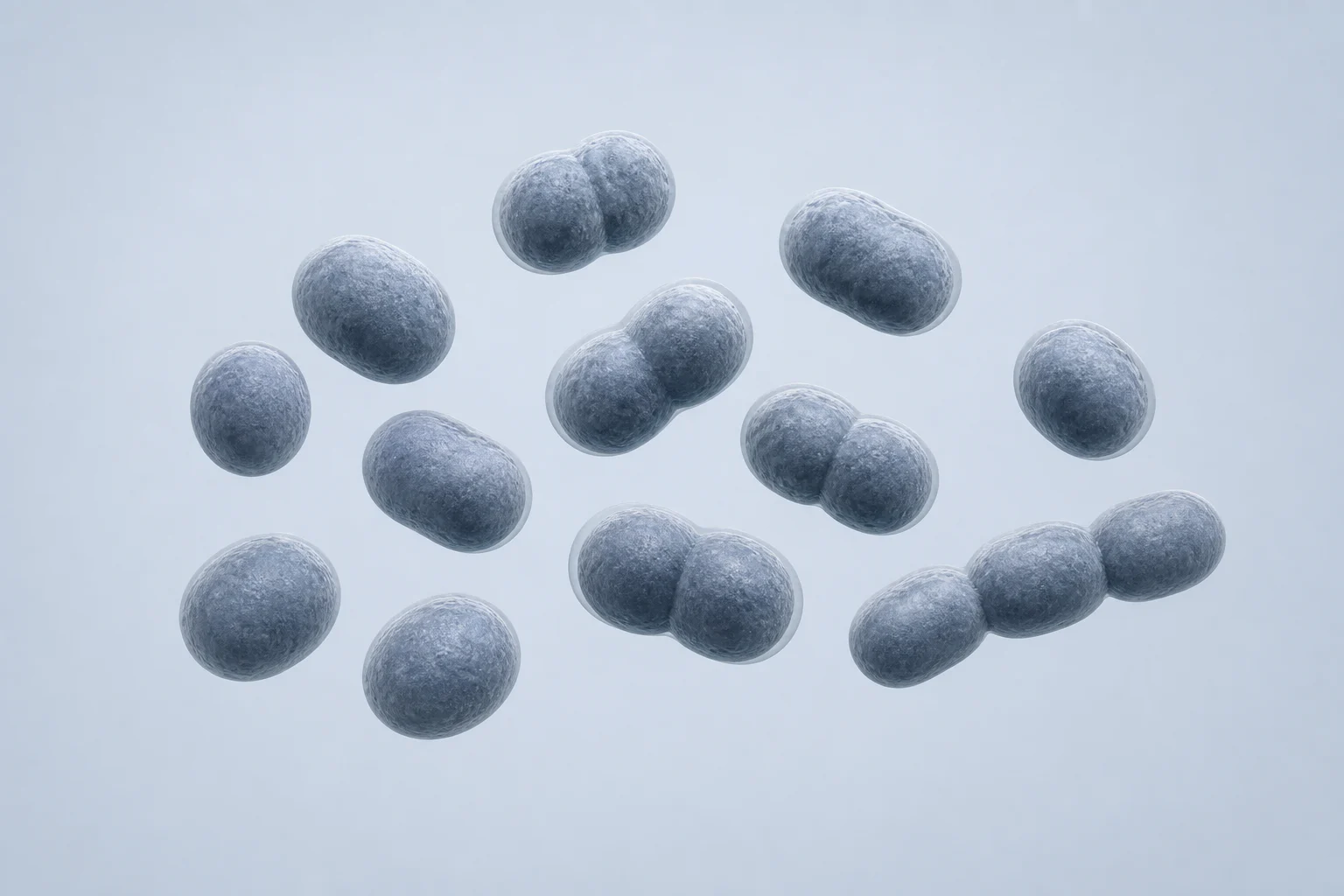
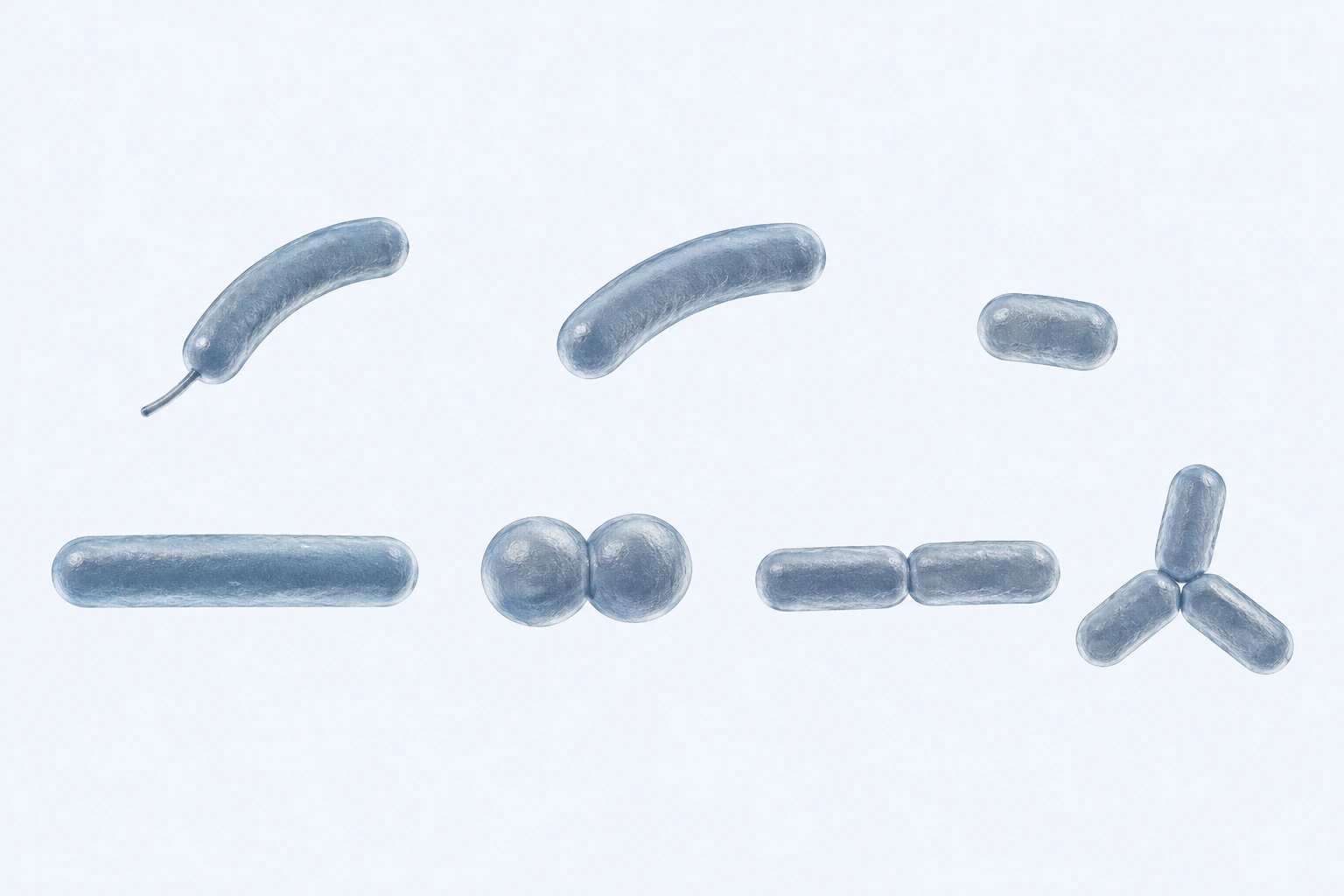
Klebsiella is a genus of Gram-negative, encapsulated, facultatively anaerobic bacteria in the Enterobacteriaceae family. With 141 file mentions across the vault, Klebsiella is one of the most frequently referenced opportunistic pathogens. The dominant species is klebsie…
A Gram-negative opportunistic pathogen and member of the ESKAPE group of antibiotic-resistant priority pathogens. K. pneumoniae deploys multiple nickel-dependent enzymes for virulence and relies on the dual-function metallophore yersiniabactin for both iron and nickel s…
A Gram-negative, aerobic, non-fermenting coccobacillus and a member of the ESKAPE group of priority pathogens (Enterococcus, Staphylococcus, Klebsiella, Acinetobacter, Pseudomonas, Enterobacter). Acinetobacter baumannii is among the most problematic nosocomial pathogens…
A heterodimer of S100A8 and S100A9 calcium-binding proteins that constitutes approximately 60% of the cytosolic protein content of neutrophils. Calprotectin is a central effector of nutritional immunity, sequestering essential transition metals from invading pathogens a…
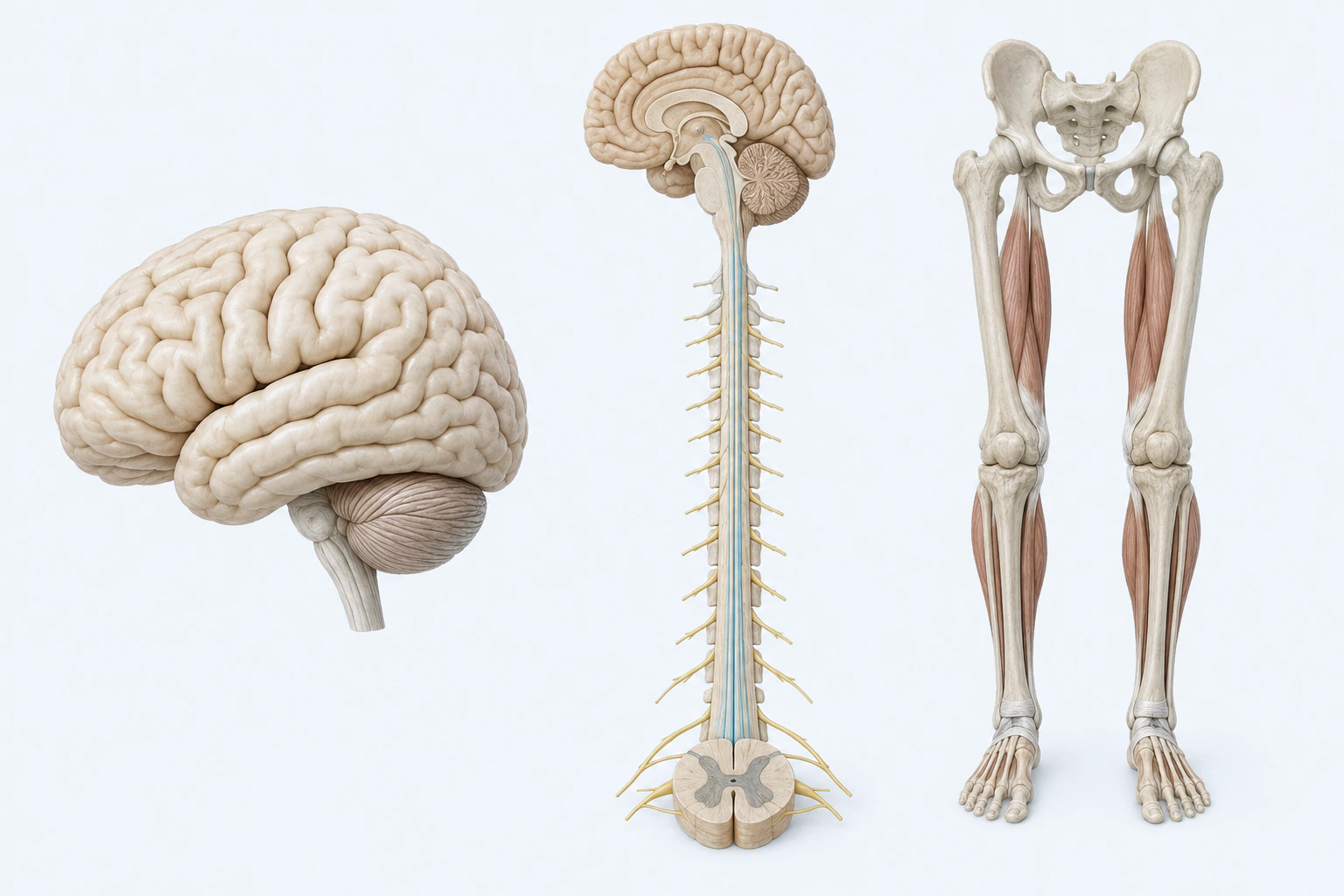
Cerebral palsy (CP) is the most common motor disability in childhood, affecting 2-3 per 1,000 live births allen 2021 multi organ dysfunction cerebral palsy. Characterized by non-progressive disturbances in movement and posture arising from injury to the developing brain…
A family of Gram-negative, facultative anaerobic Gammaproteobacteria that includes many of the most important human pathogens: escherichia coli, klebsiella pneumoniae, salmonella typhimurium, shigella flexneri, yersinia pestis, proteus mirabilis, Morganella, and Serrati…
Alphabetical definitions of specialist terms used throughout this wiki. Where a full concept page exists, the term links to it. --- AhR (aryl hydrocarbon receptor) -- A ligand-activated transcription factor that senses microbial metabolites (especially indoles from tryp…
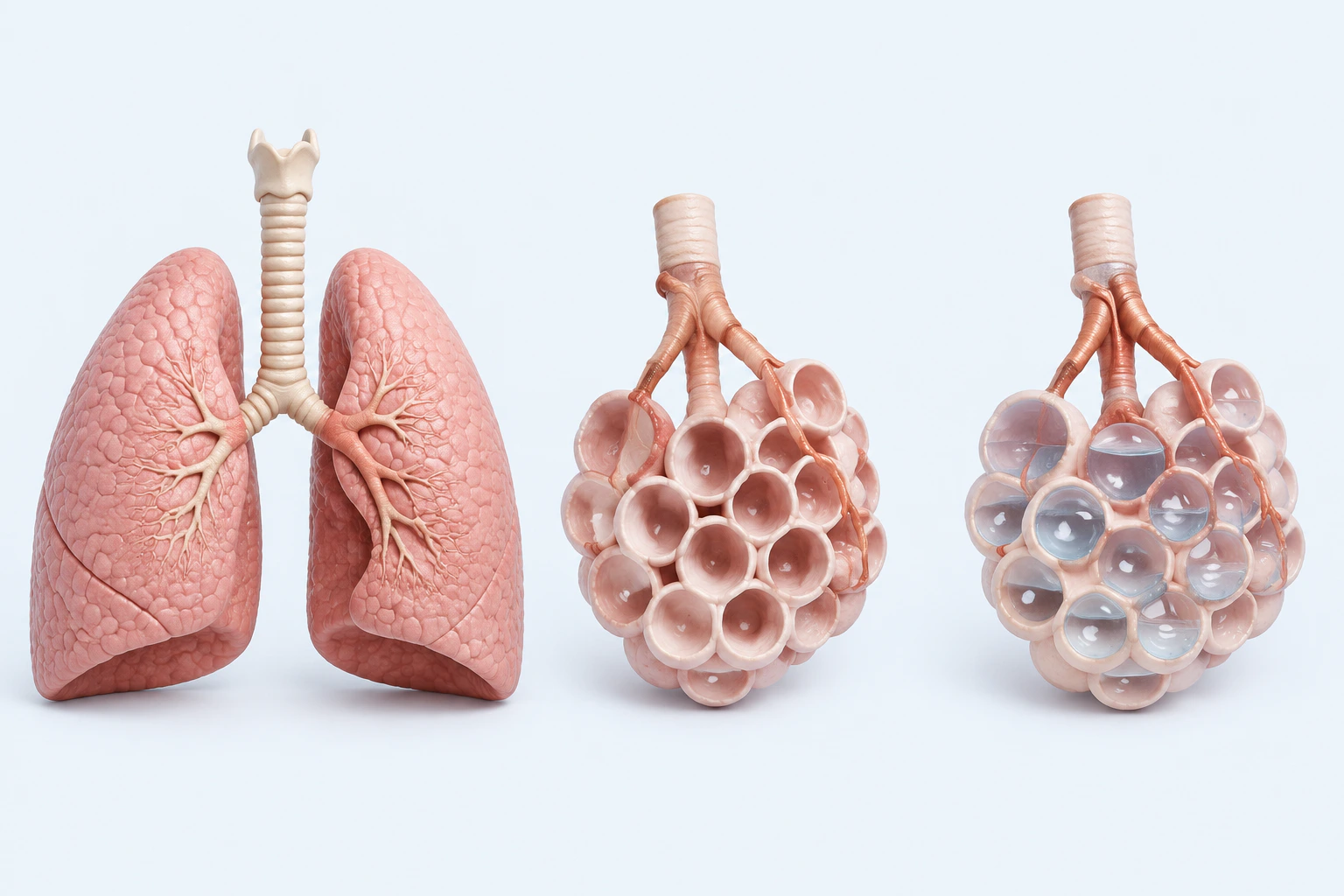
Pneumonia is infection of the lung parenchyma, most commonly caused by streptococcus pneumoniae, Klebsiella pneumoniae, Haemophilus influenzae, and viruses (influenza, SARS-CoV-2). In the WikiBiome framework, pneumonia exemplifies the metal battleground at the host-path…
Proteobacteria (recently reclassified as Pseudomonadota) is the phylum that signals trouble. In a healthy adult gut, Proteobacteria comprise less than 1% of the community. When they bloom to 10-50% of the microbiome, it marks a fundamental ecological shift -- the collap…
The most widespread nickel-dependent virulence factor across human pathogens. Urease is found in at least 40 prokaryotic and 9 eukaryotic pathogenic species, making it the single most important enzyme linking dietary/environmental nickel to infectious disease.