A condition in which cells fail to respond normally to insulin, requiring progressively higher insulin levels to maintain glucose homeostasis. Insulin resistance is central to PCOS, type 2 diabetes, and metabolic syndrome, and has extensive but complex connections to me…
Research summary — not medical advice. This page synthesizes published research on a mechanism-level intervention. It is not a clinical recommendation. Consult a qualified healthcare provider before making any changes to diet, supplementation, or treatment.
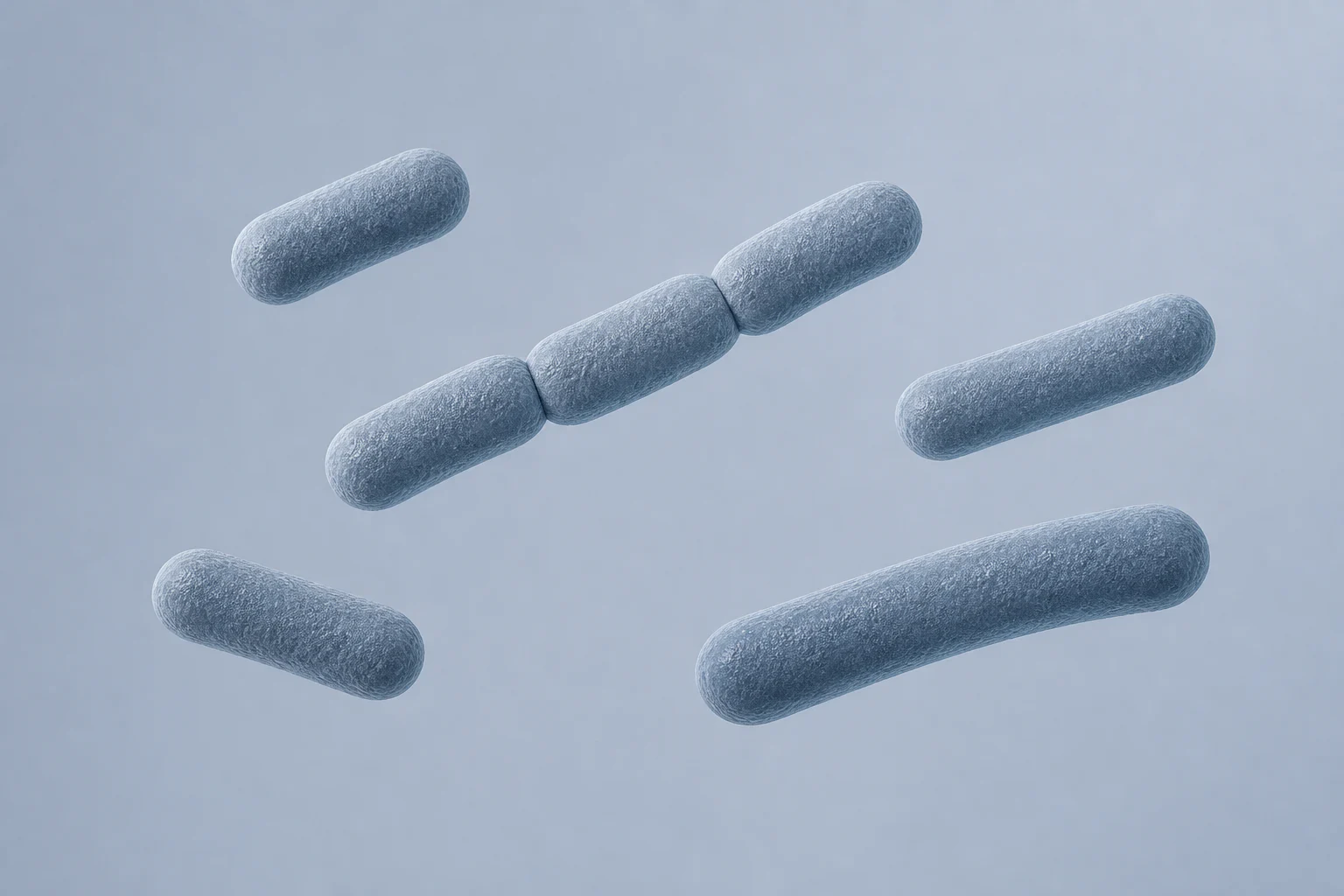
Alloprevotella is a genus of Gram-negative, obligate anaerobic bacteria within the family Prevotellaceae that represents a distinct clade from prevotella with specific protective roles in type 2 diabetes prevention and metabolic health. Alloprevotella depletion is one o…
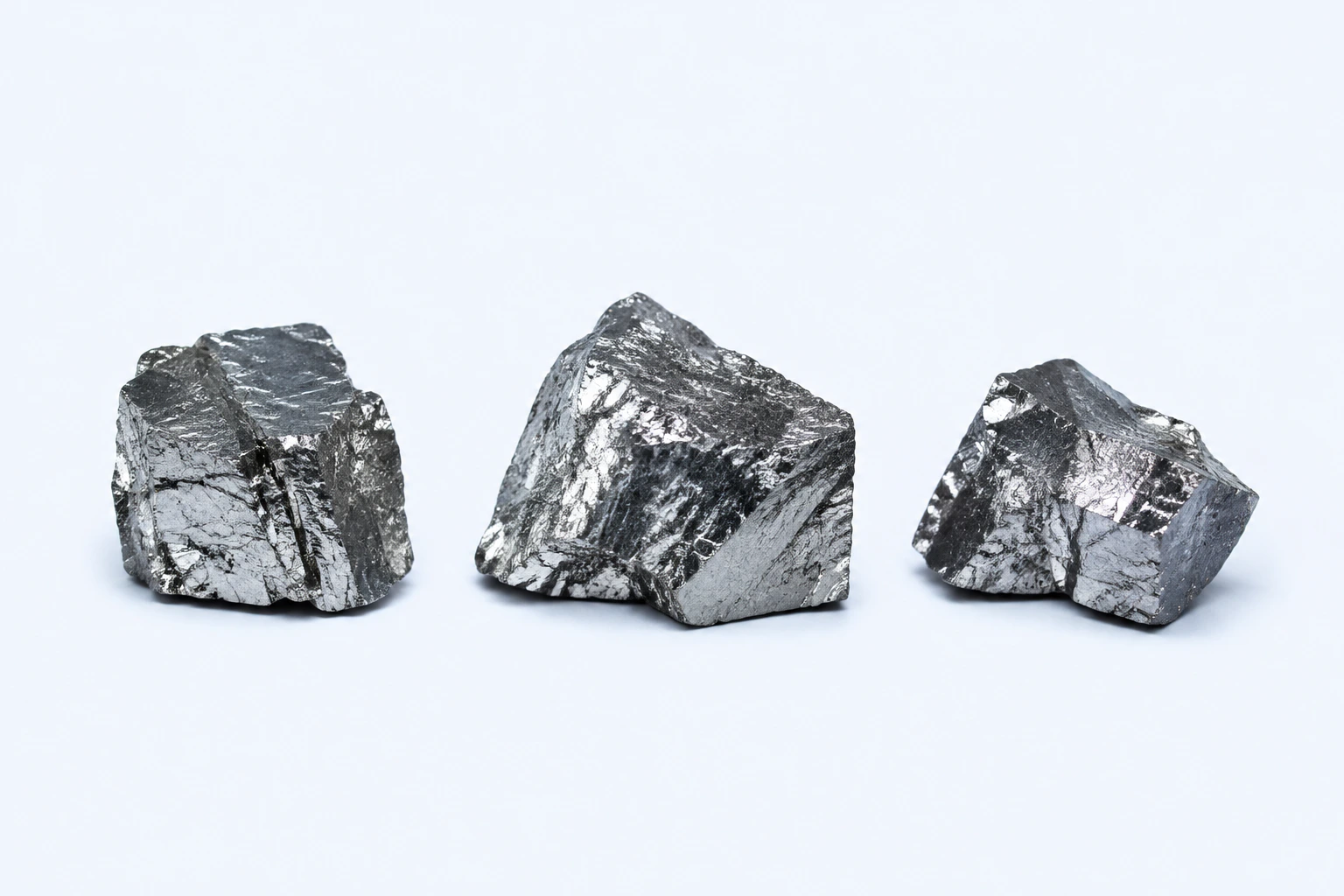
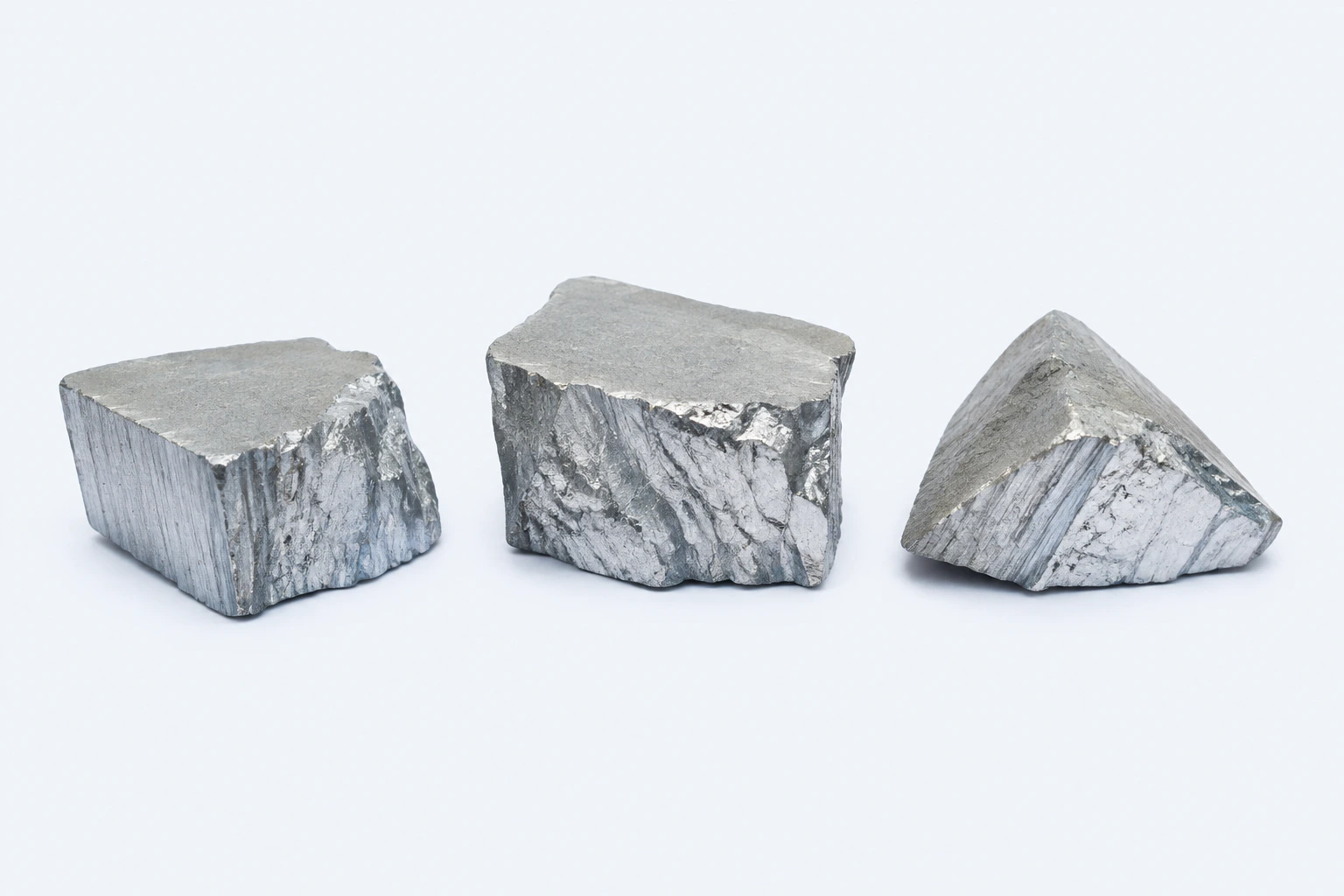
Chromium is a transition metal (atomic number 24) whose toxicology is defined by a stark oxidation-state divide. Hexavalent chromium, Cr(VI), is an IARC Group 1 human carcinogen that causes DNA damage through a unique mechanism of intracellular reduction and ternary add…
Hyperandrogenism -- the clinical or biochemical excess of androgens (testosterone, androstenedione, DHEA-S) -- is a defining feature of polycystic ovary syndrome (PCOS), affecting 60-80% of women with the condition. It manifests as hirsutism, acne, androgenic alopecia, …
Leptin is an adipokine (hormone produced by adipose tissue) that signals satiety to the hypothalamus — suppressing appetite and increasing energy expenditure. Leptin resistance (elevated leptin with impaired signaling) is a hallmark of obesity, paralleling insulin resis…
Research summary — not medical advice. This page synthesizes published research on a mechanism-level intervention. It is not a clinical recommendation. Consult a qualified healthcare provider before making any changes to diet, supplementation, or treatment.
An essential macromineral required as a cofactor for over 300 enzymatic reactions in the body, including energy metabolism, protein synthesis, DNA/RNA stability, and neuromuscular function. Magnesium is not a heavy metal or trace element but is frequently measured along…
A cluster of conditions — high blood pressure, impaired fasting glucose, insulin resistance, abdominal obesity (BMI ≥25), high triglycerides, low HDL-C — defined by the presence of ≥3 components. Emerging evidence links MetS to environmental nickel exposure, though find…
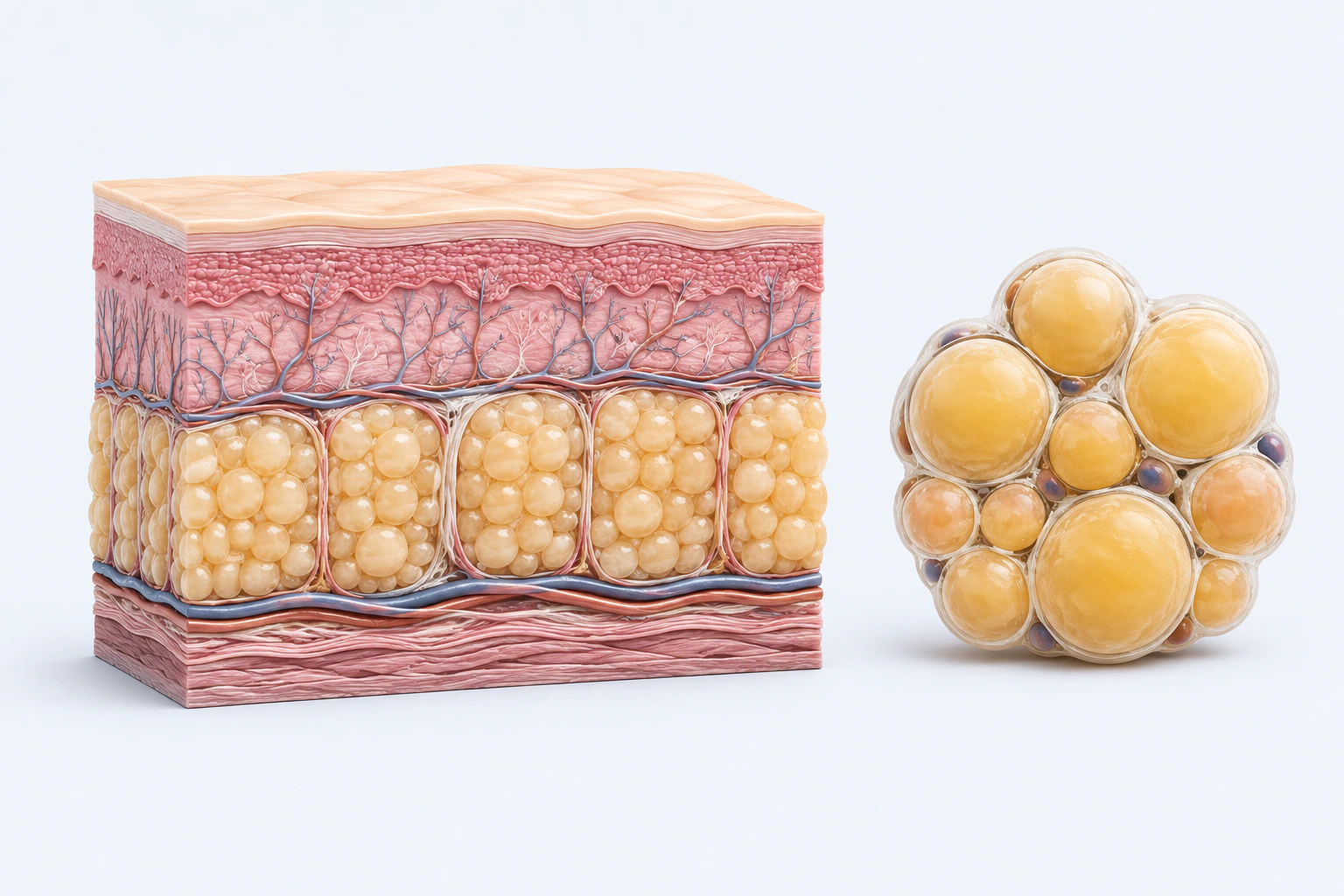
A chronic metabolic condition affecting over 1 billion people globally, characterized by excess adipose tissue accumulation, systemic low-grade inflammation, and gut microbiome disruption pendergrass 2026 heavy metals obesity epidemic. From a metallomics perspective, ob…
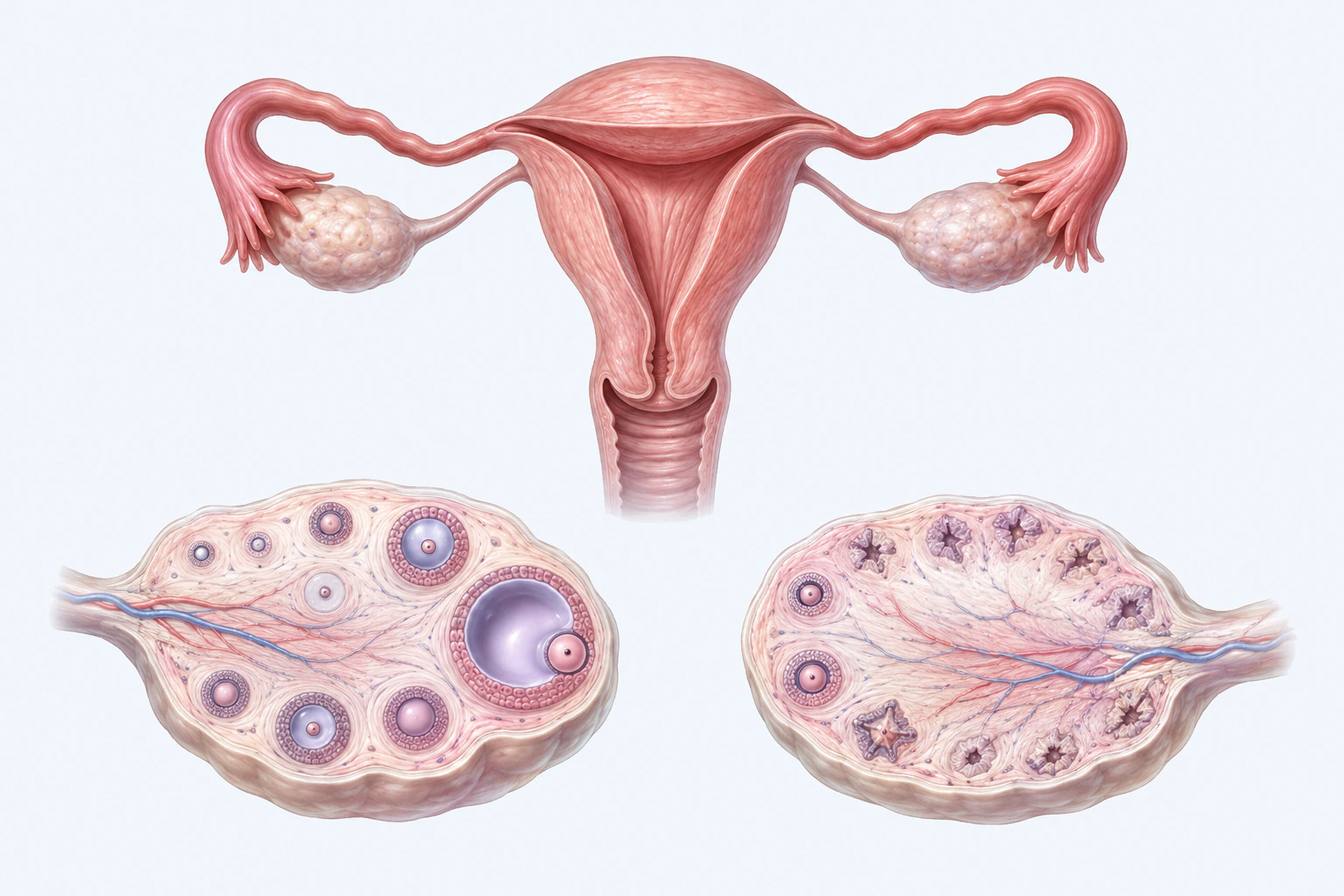
A metabolic-endocrine disorder affecting 6-20% of reproductive-age women worldwide, characterized by hyperandrogenism, oligo/anovulation, and polycystic ovary morphology (Rotterdam criteria) barrea 2019 mediterranean diet pcos. PCOS is the leading cause of anovulatory i…
Research summary — not medical advice. This page synthesizes published research on a mechanism-level intervention. It is not a clinical recommendation. Consult a qualified healthcare provider before making any changes to diet, supplementation, or treatment.
Research summary — not medical advice. This page synthesizes published research on a mechanism-level intervention. It is not a clinical recommendation. Consult a qualified healthcare provider before making any changes to diet, supplementation, or treatment.
While Cr(III) deficiency may contribute to glucose intolerance, supplementation trials have produced inconsistent results. The disconnect between mechanistic plausibility and clinical trial evidence suggests that Cr supplementation may only benefit the subset of patient…
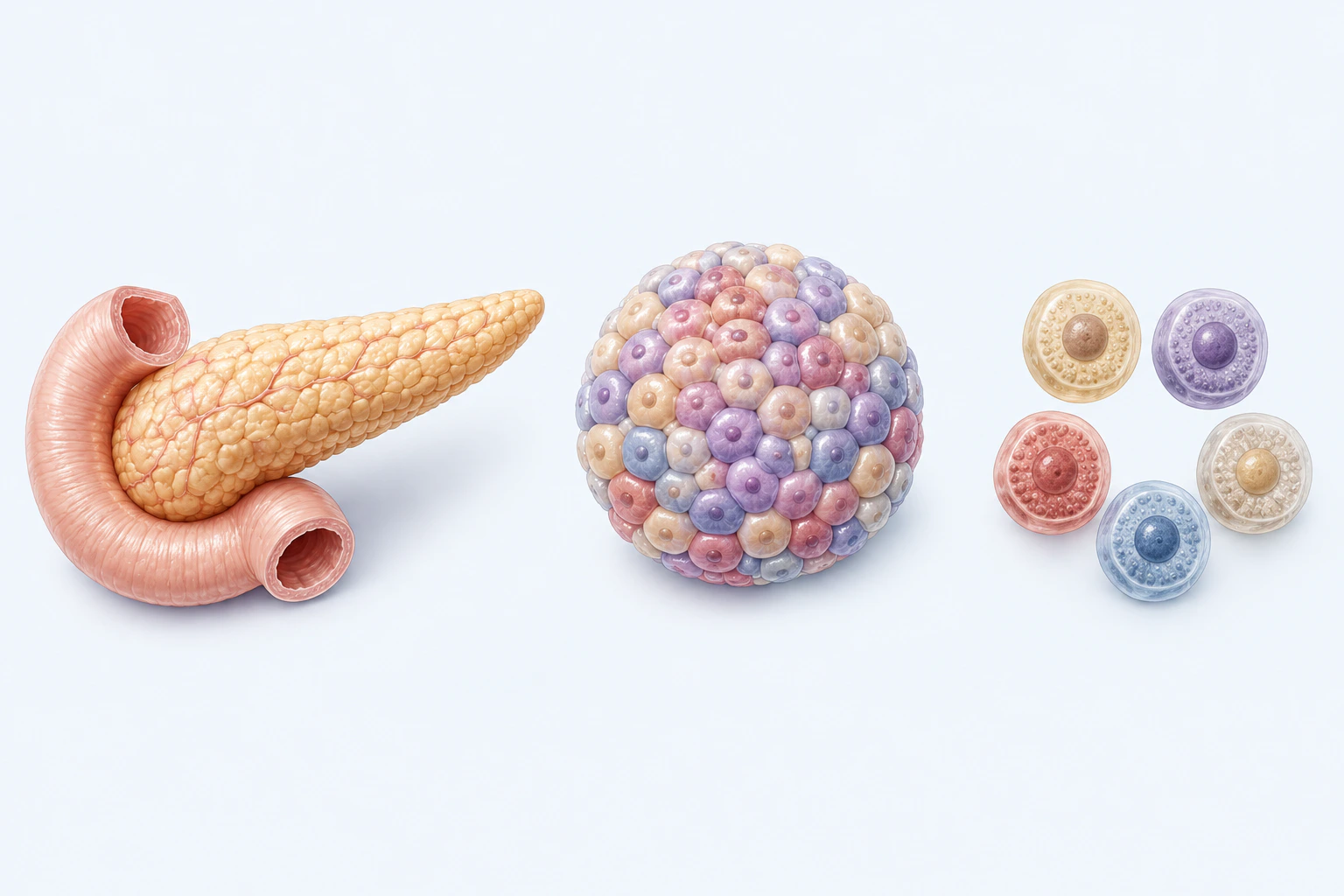
Type 1 diabetes is an autoimmune disease in which immune-mediated destruction of insulin-producing beta cells in the pancreatic islets of Langerhans leads to lifelong insulin dependence. T1D is fundamentally distinct from type 2 diabetes, which is characterized by insul…
Type 2 diabetes (T2D) is a metabolic disease characterized by insulin resistance and progressive beta-cell dysfunction, affecting over 500 million people worldwide (IDF Diabetes Atlas 2021). The conventional framing centers on caloric excess and sedentary behavior. The …
Zinc is the most widely utilized transition metal cofactor in biology. Approximately 9-10% of the eukaryotic proteome and 5-6% of the bacterial proteome consists of zinc-binding proteins capdevila 2024 bacterial metallostasis sensing trafficking. An estimated one-third …