Alternaria
This knowledge-base record is being expanded from WikiBiome’s evidence graph.
WikiBiomeThe human microbiome encyclopediaRanked matches across titles, topics, categories, and article introductions, filtered to microbe.
This knowledge-base record is being expanded from WikiBiome’s evidence graph.
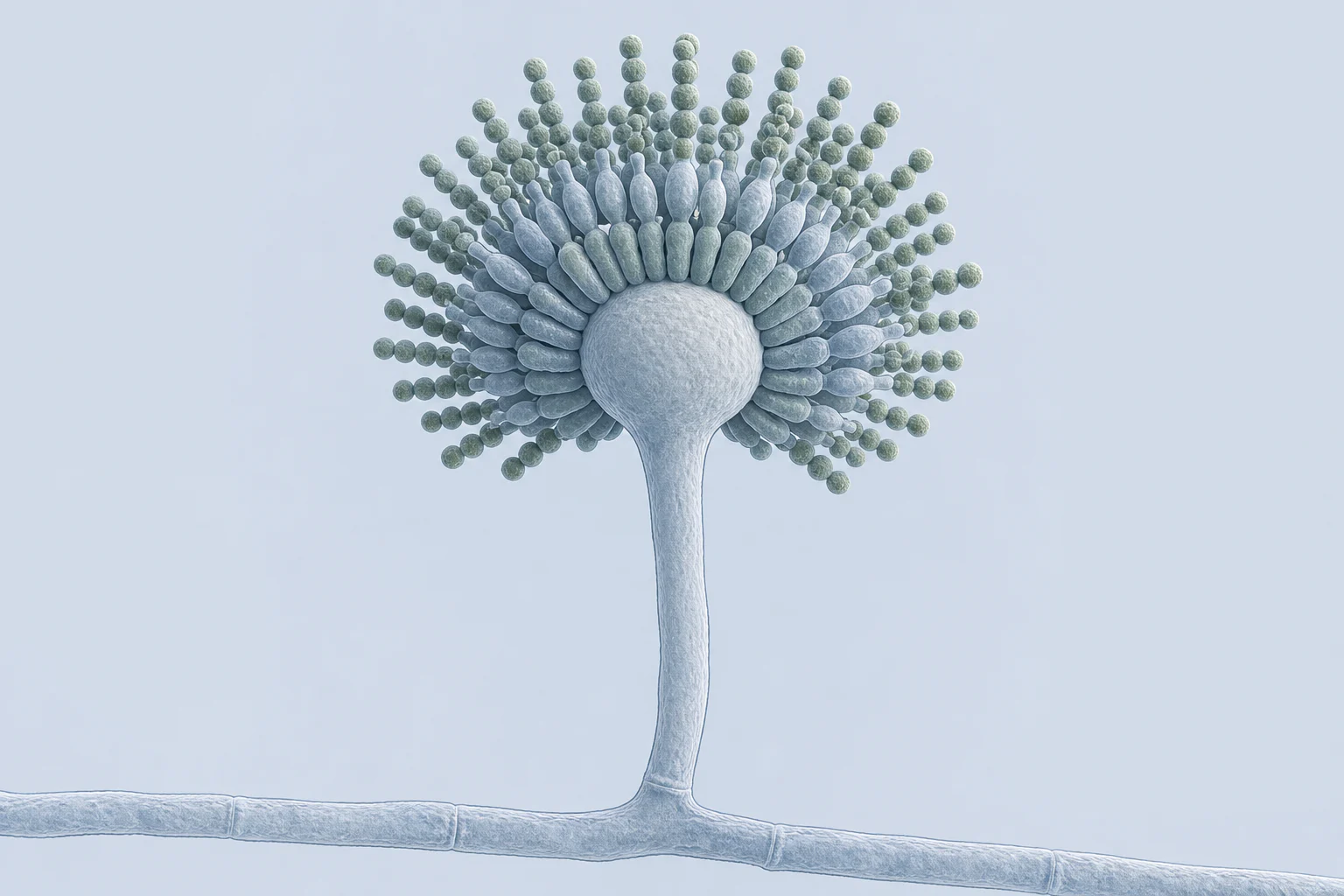
A ubiquitous filamentous fungal genus that is both an environmental saprophyte and an opportunistic human pathogen. A. fumigatus is the primary cause of invasive aspergillosis in immunocompromised patients, while A. niger is relevant to food contamination. The genus is …
Candida auris is an emerging multidrug-resistant fungal pathogen first identified in 2009 (Satoh et al. 2009, from a Japanese patient's ear canal) and now classified as a critical-priority pathogen by the WHO (WHO Fungal Priority Pathogens List 2022) and CDC (CDC 2019 A…
A haploid, asexual yeast and the second most common cause of invasive candidiasis after Candida albicans. Recently reclassified into the genus Nakaseomyces (as N. glabratus), though the name C. glabrata remains in widespread clinical use. Unlike C. albicans, C. glabrata…
This knowledge-base record is being expanded from WikiBiome’s evidence graph.
<!-- Auto-created stub from Rule 13 scope discovery. 8 source pages mention this taxon. Awaiting content expansion. --
This knowledge-base record is being expanded from WikiBiome’s evidence graph.
A genus of lipophilic basidiomycete yeasts that is the dominant fungus on human skin and has recently been recognized as a significant component of the gut mycobiome. M. restricta, M. globosa, and M. furfur are the primary species. Originally studied as the cause of dan…
Mortierella is a genus of soil-dwelling fungi in the phylum Mortierellomycota (formerly placed in Zygomycota). While primarily known as environmental saprotrophs, Mortierella species have recently been identified as residents of the human gut mycobiome -- the fungal com…
Penicillium is a genus of filamentous fungi best known as the source of penicillin. In the WikiBiome context, Penicillium appears in the gut mycobiome — the fungal component of the microbiome — with associations across ASD, pancreatitis, and cardiometabolic disease.
A filamentous fungus in the order Hypocreales (family Ophiocordycipitaceae), historically studied as an insect and nematode pathogen (P. lilacinum, formerly Paecilomyces lilacinus), now emerging as a clinically significant protective member of the gut mycobiome — and it…
A genus of ascomycete yeasts that includes both a proven therapeutic probiotic (S. boulardii) and species associated with disease states (S. cerevisiae enriched in CRC mycobiome). This dual nature -- commensal/probiotic versus disease-associated -- parallels the bacteri…
See also: saccharomyces (genus page) Saccharomyces boulardii is a non-pathogenic yeast strain used as a probiotic across a wide range of gastrointestinal and inflammatory conditions. Taxonomically a strain of S. cerevisiae, it is phenotypically distinct — optimally acti…
A genus of ascomycete yeasts (formerly classified as Zygosaccharomyces) found in fermentation environments (bread, wine, kombucha) and increasingly detected as a component of the human gut mycobiome. While typically at low abundance in healthy individuals, Torulaspora d…