Mechanisms3 sources
Nickel and Reproductive/Developmental Toxicity
Emerging evidence links maternal nickel exposure to adverse pregnancy outcomes and congenital defects, primarily through placental barrier disruption and fetal tissue accumulation.
 WikiBiomeThe human microbiome encyclopedia
Ranked matches across titles, topics, categories, and article introductions, filtered to mechanism.
Emerging evidence links maternal nickel exposure to adverse pregnancy outcomes and congenital defects, primarily through placental barrier disruption and fetal tissue accumulation.
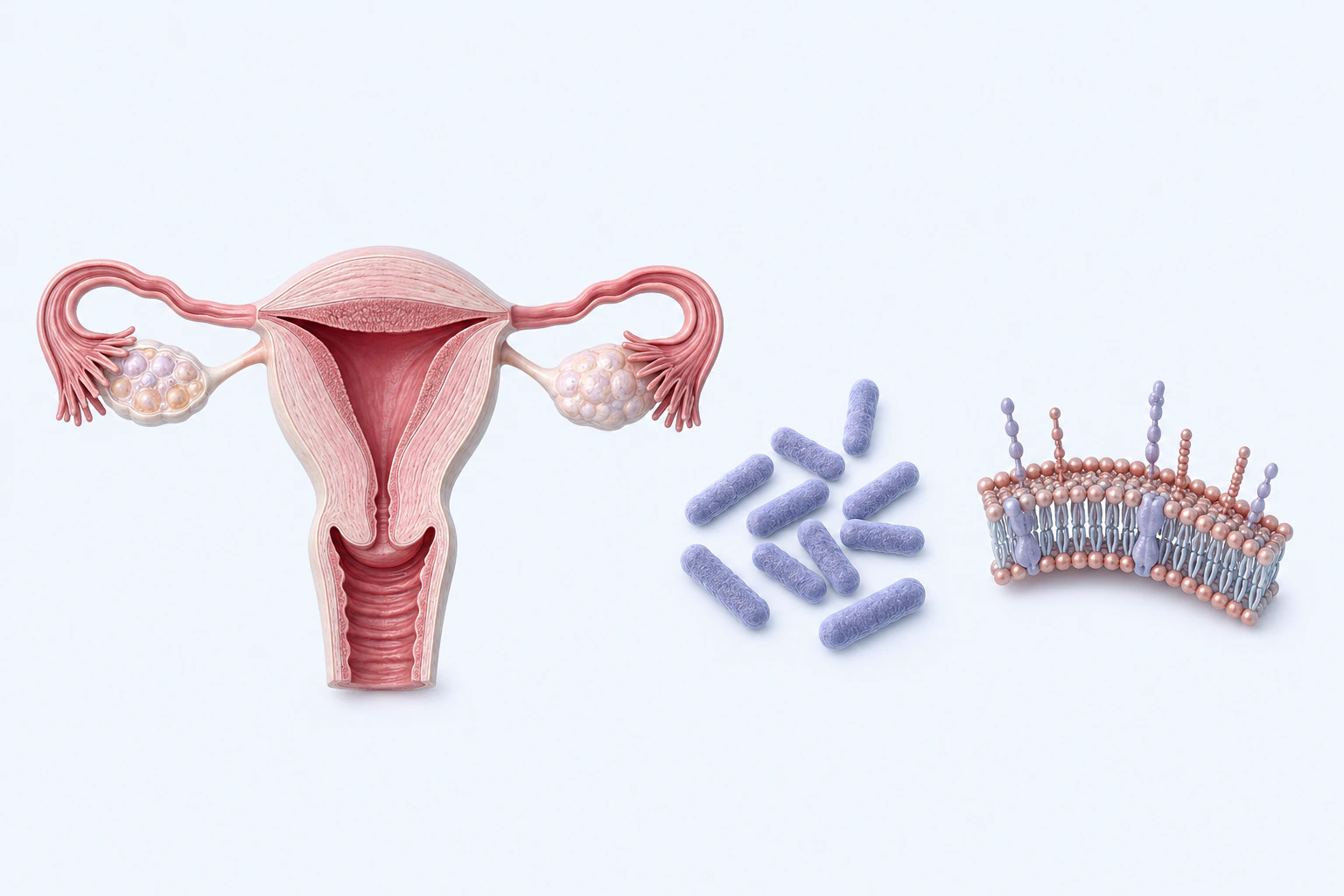
The bacterial contamination hypothesis proposes that bacterial endotoxin (LPS) contamination of menstrual blood and endometrial tissue is a key driver of endometriosis pathogenesis. First formalized by Khan et al. (2018), this hypothesis shifts endometriosis from a pure…
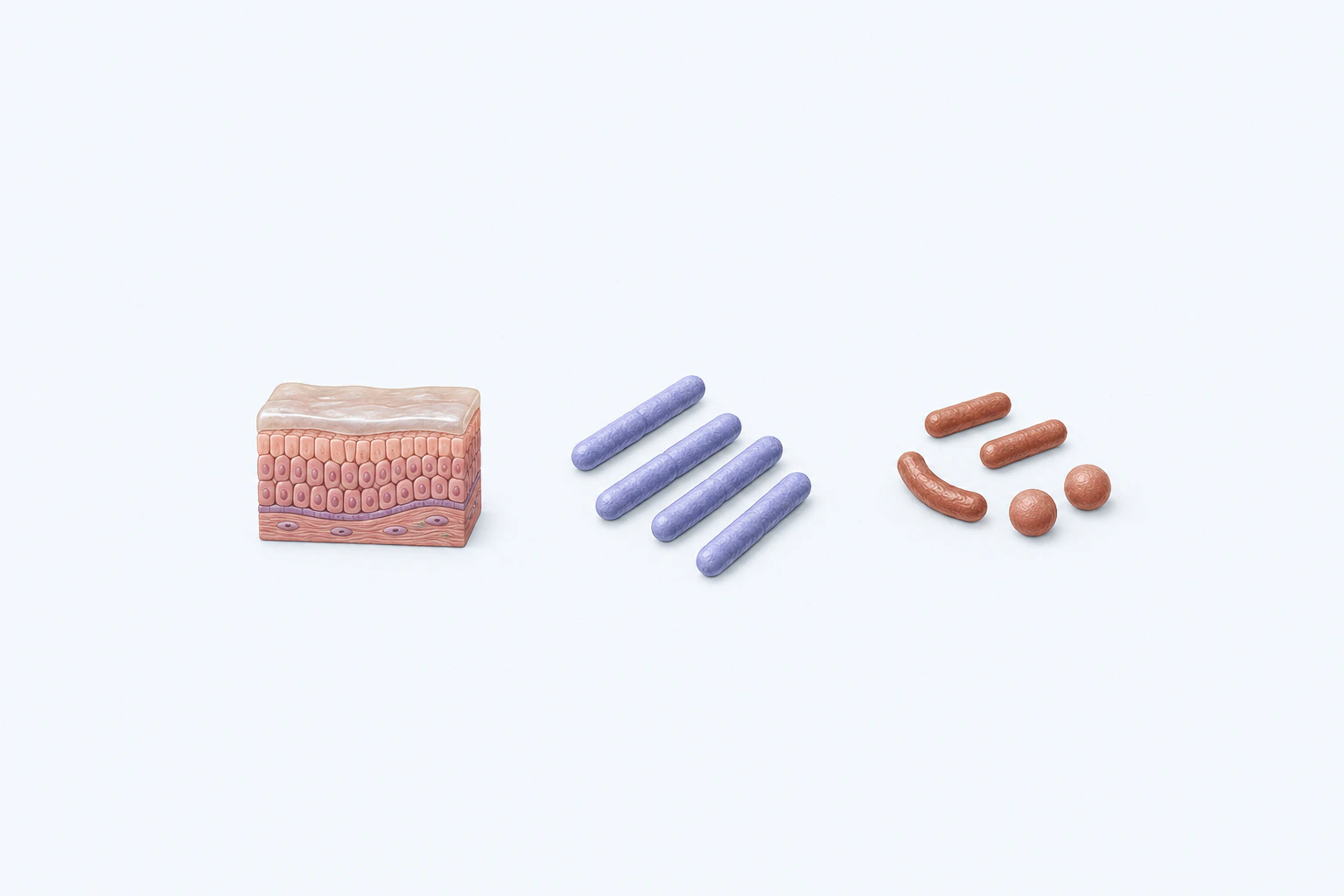
Bacterial vaginosis (BV) is the most common vaginal infection in women of reproductive age, affecting an estimated 29% of women globally. Rather than an infection by a single pathogen, BV represents a polymicrobial dysbiotic state -- a collapse of the protective Lactoba…
Perhaps the most pervasive metallomic finding across human disease: copper is elevated in nearly every pathological condition examined in this wiki -- cancer (pan-cancer), PCOS, cardiovascular disease, depression, schizophrenia, IBD, and rheumatoid arthritis. Simultaneo…
Dysmenorrhea -- painful menstruation -- is the most common gynecological complaint, affecting 50-90% of reproductive-age women. It is classified as primary (no identifiable pelvic pathology) or secondary (caused by conditions such as endometriosis, adenomyosis, or fibro…
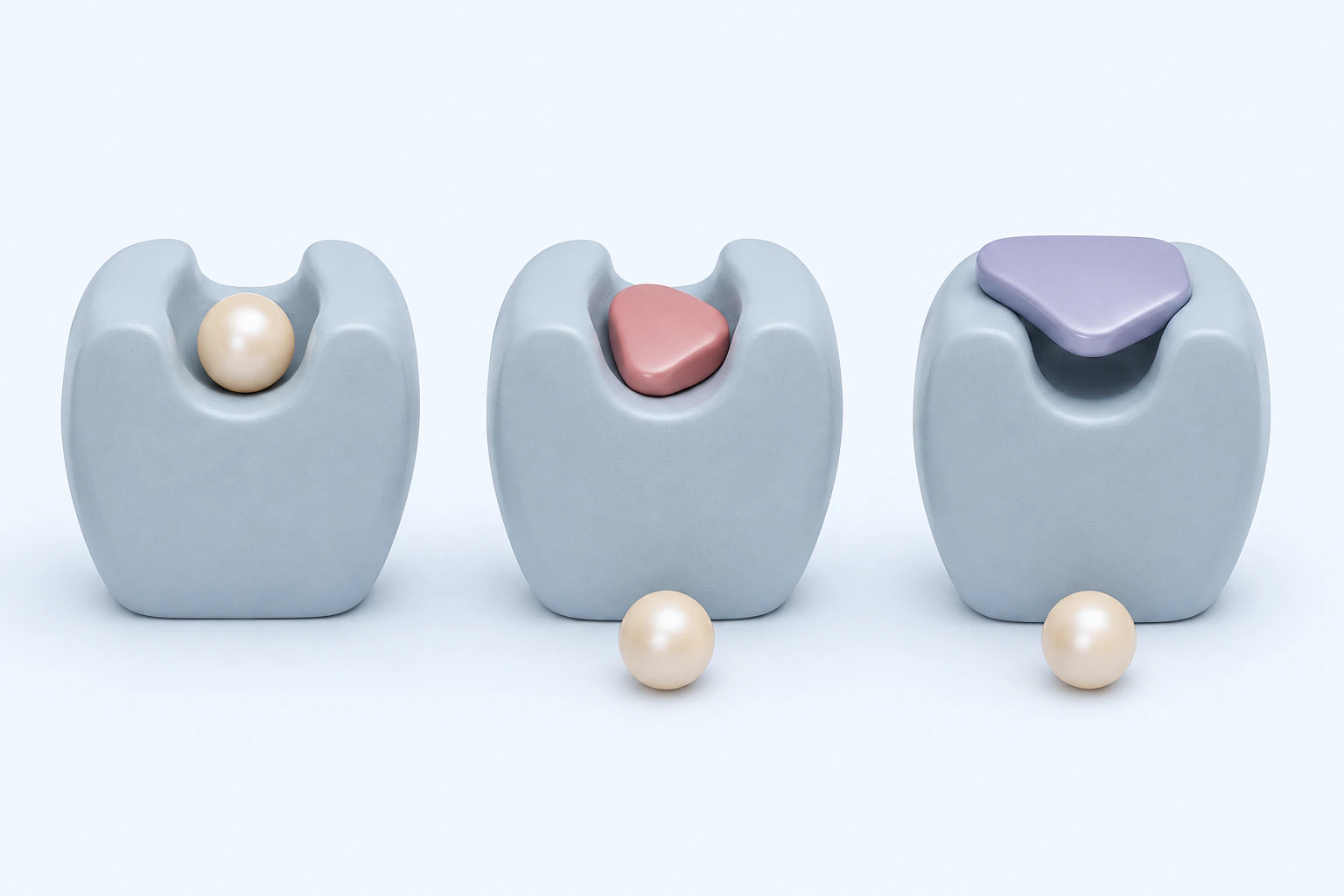
Endocrine-disrupting chemicals (EDCs) are exogenous substances that interfere with hormone synthesis, secretion, transport, binding, action, or elimination. The classical EDC list -- BPA, phthalates, dioxins, PCBs, pesticides -- is well established. What WikiBiome adds …
Exogenous chemicals that interfere with hormone synthesis, secretion, transport, binding, or elimination, mimicking or blocking endogenous hormones at physiologically relevant concentrations. In the metallomics-microbiome framework, endocrine disruptors occupy a critica…
This page addresses the practical question: how do toxic metals get into people? Metal toxicology research identifies the mechanisms of harm, but understanding exposure routes -- dietary, occupational, environmental, and consumer product-mediated -- is essential for pre…
The gut-gonadal axis describes the bidirectional communication between the intestinal microbiome and the reproductive endocrine system. Gut bacteria modulate sex hormone levels through enzymatic activity (particularly beta glucuronidase-mediated estrogen deconjugation),…
The gut-penis axis is an emerging concept describing the systemic pathway by which gut microbiome dysbiosis impairs erectile function through endothelial nitric oxide (NO) suppression and chronic inflammation. Though less established than the gut-brain or gut-heart axes…
The gut-testis axis describes the bidirectional communication between the gut microbiome and the male reproductive system. Gut-derived microbial metabolites, immune signals, and systemic inflammatory mediators influence testicular function, testosterone biosynthesis, an…
Metalloestrogens are metal ions that activate estrogen receptors and mimic the biological effects of estradiol, the primary endogenous estrogen. They represent a category of endocrine-disrupting compounds where the active agent is an inorganic metal rather than an organ…
Premenstrual syndrome (PMS) affects an estimated 20-40% of women of reproductive age, characterized by cyclical physical and psychological symptoms in the luteal phase (post-ovulation, pre-menstruation). While PMS has traditionally been attributed solely to hormonal flu…
The semen microbiome refers to the microbial community inhabiting the male reproductive tract and seminal fluid. Core genera identified through shotgun metagenomic sequencing include Corynebacterium, Staphylococcus, Streptococcus, and Prevotella, though composition vari…