Anxiety disorders are the most prevalent mental health conditions globally, affecting ~280 million people (~4.8% of the world population). They encompass generalized anxiety disorder (GAD), social anxiety, panic disorder, and phobias. In the WikiBiome context, anxiety f…
Epilepsy is a chronic neurological disorder characterized by recurrent unprovoked seizures, affecting ~50 million people worldwide. Approximately 30% of patients have drug-resistant epilepsy -- a population where microbiome-targeted interventions (particularly the ketog…
The kynurenine pathway (KP) is the dominant route of tryptophan catabolism, accounting for approximately 95% of dietary tryptophan degradation. It produces a cascade of neuroactive, immunomodulatory, and potentially neurotoxic metabolites whose balance determines whethe…
Lactobacillus reuteri is one of the most extensively studied probiotic species, notable for its production of neuroactive metabolites (GABA, histamine) and its effects on the hypothalamic-pituitary-gonadal axis (testosterone, oxytocin).
Major depressive disorder (MDD) is a psychiatric condition characterized by persistent depressed mood, anhedonia, and cognitive/somatic symptoms. In the WikiBiome framework, MDD is a paradigm case for the gut brain axis: gut dysbiosis drives systemic inflammation and ne…
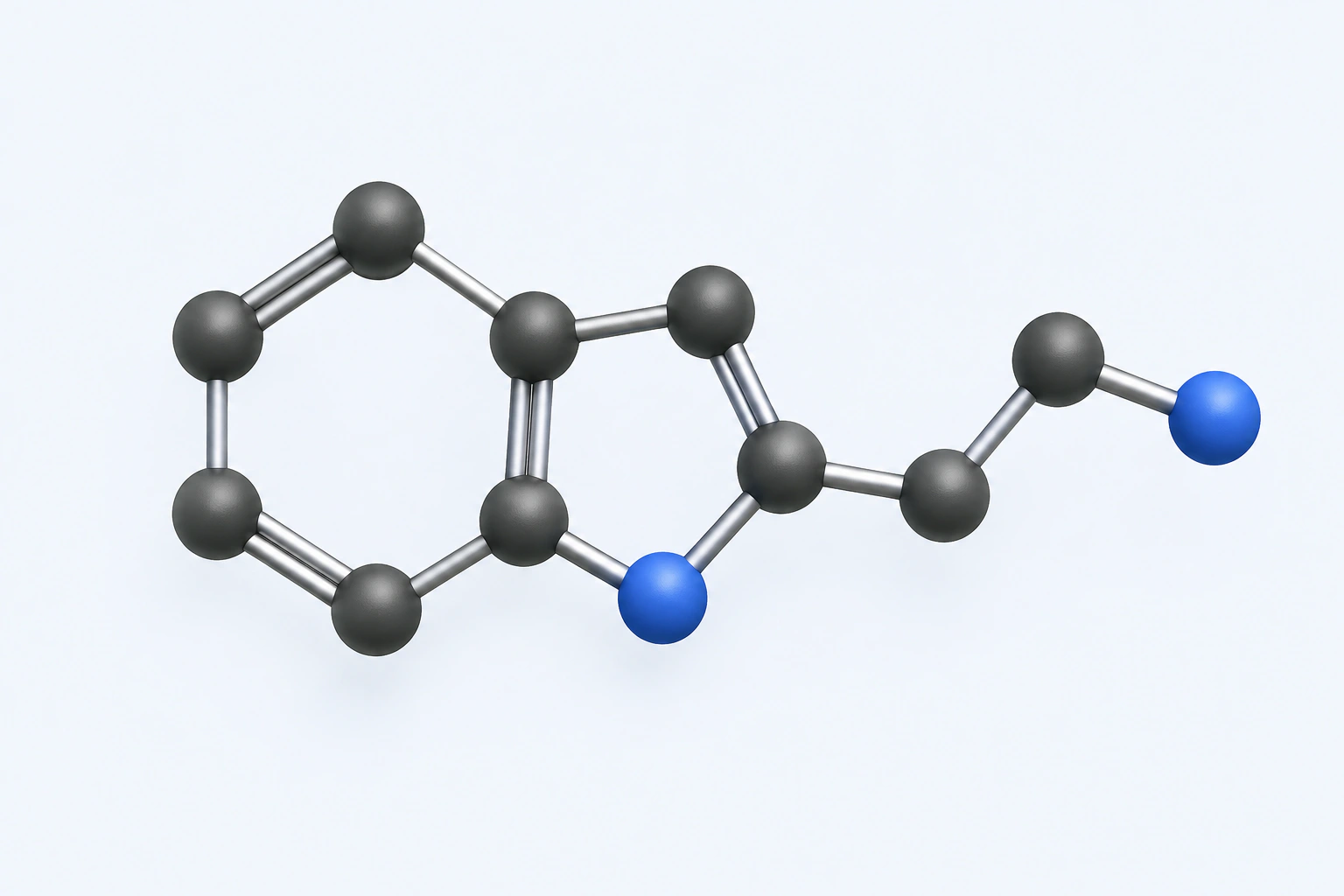
Tryptamine is a microbial decarboxylation product of tryptophan, produced by bacterial tryptophan decarboxylase (found in ruminococcus gnavus, Clostridium sporogenes, and others). It is a serotonin receptor agonist (particularly 5-HT4) that stimulates gut motility and f…