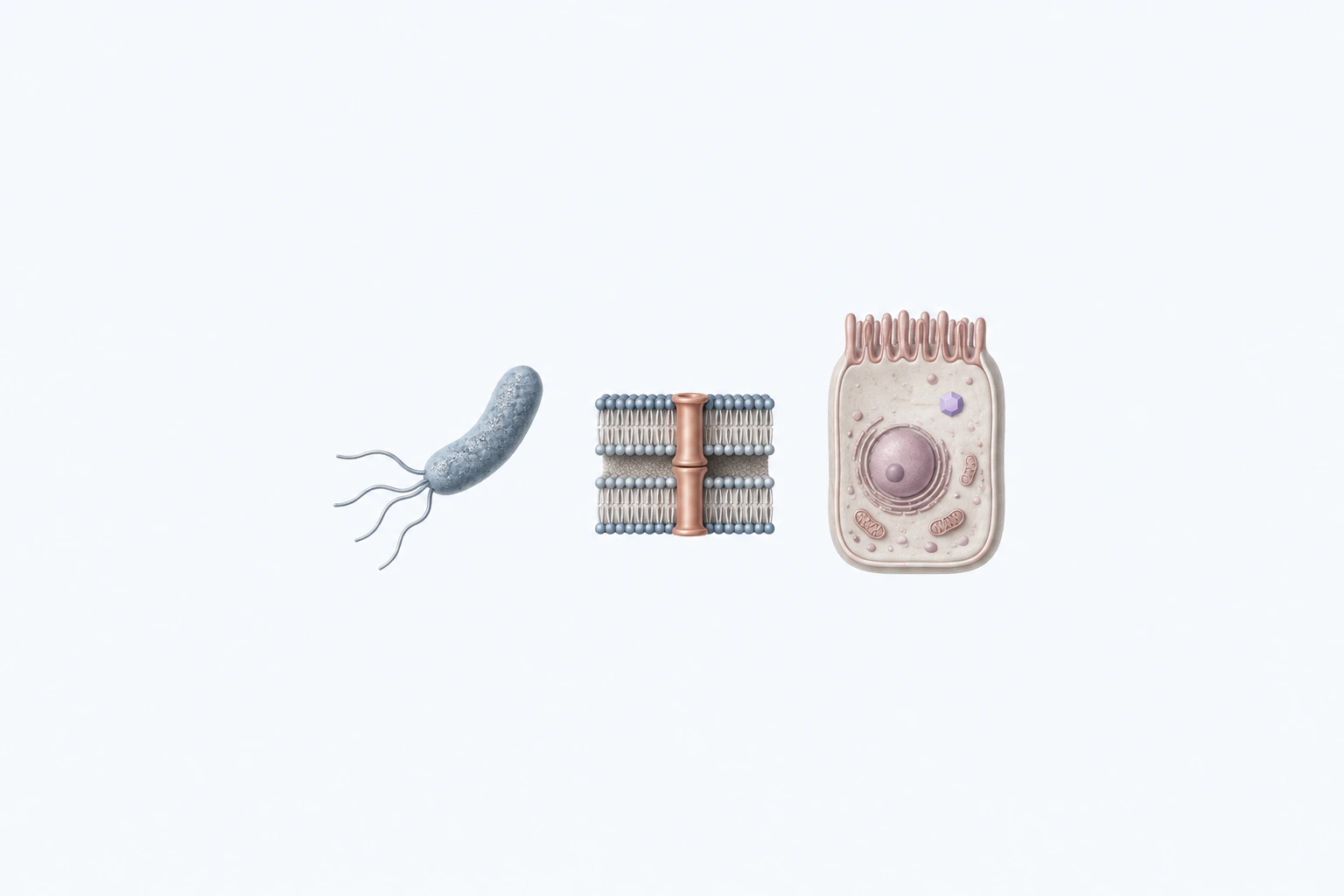
A Gram-negative, microaerophilic bacterium within the Epsilonproteobacteria (family Helicobacteraceae) that is the primary murine model of hepatobiliary and intestinal disease. Unlike its more famous relative helicobacter pylori, which colonizes the stomach, H. hepaticu…
A gastric pathogen that is arguably the most nickel-dependent human pathogen known. Two of its key virulence factors — urease and [NiFe] hydrogenase — require nickel, and the bacterium has evolved an elaborate nickel trafficking, storage, and regulation system to suppor…
CagA is an effector protein produced by some strains of helicobacter pylori. Its name derives from “cytotoxin-associated gene A.” CagA is delivered into gastric epithelial cells through the bacterium's type IV secretion system and is therefore different from a freely se…
The leading bacterial cause of diarrheal disease worldwide, with an estimated 400-500 million cases annually. C. jejuni is notable in the metallomics context for possessing a nickel-dependent [NiFe] hydrogenase essential for colonization but lacking urease -- a striking…
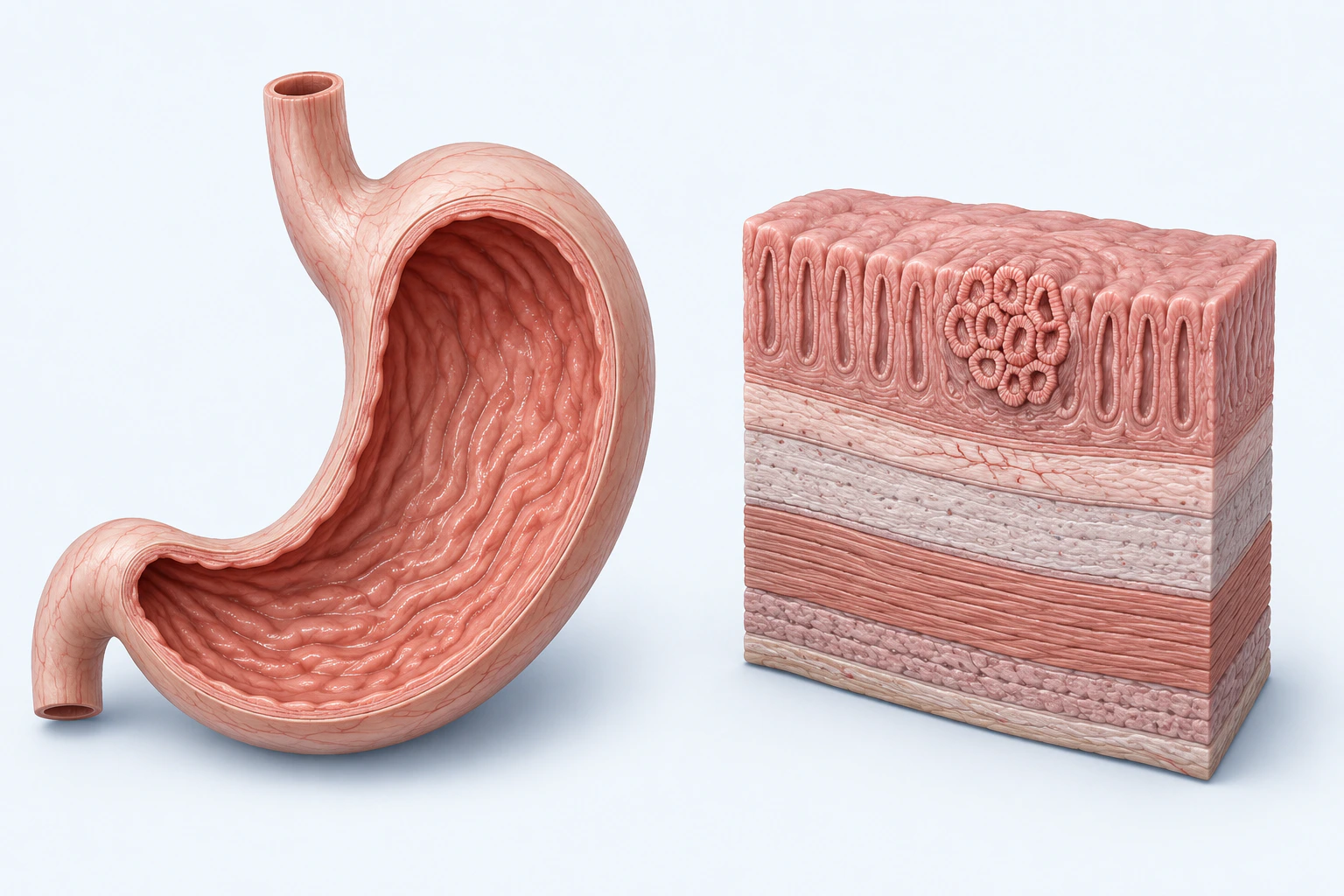
The most common malignancy of the stomach, accounting for over 95% of gastric cancers. helicobacter pylori infection is the strongest known risk factor, classified as a Group 1 carcinogen by IARC. In the metallomics framework, gastric adenocarcinoma reveals a striking d…
The fifth most common cancer worldwide and third leading cause of cancer death, with over 1 million new cases annually. Gastric cancer stands unique in this wiki as the disease where a single microorganism -- helicobacter pylori -- provides the dominant causal pathway, …
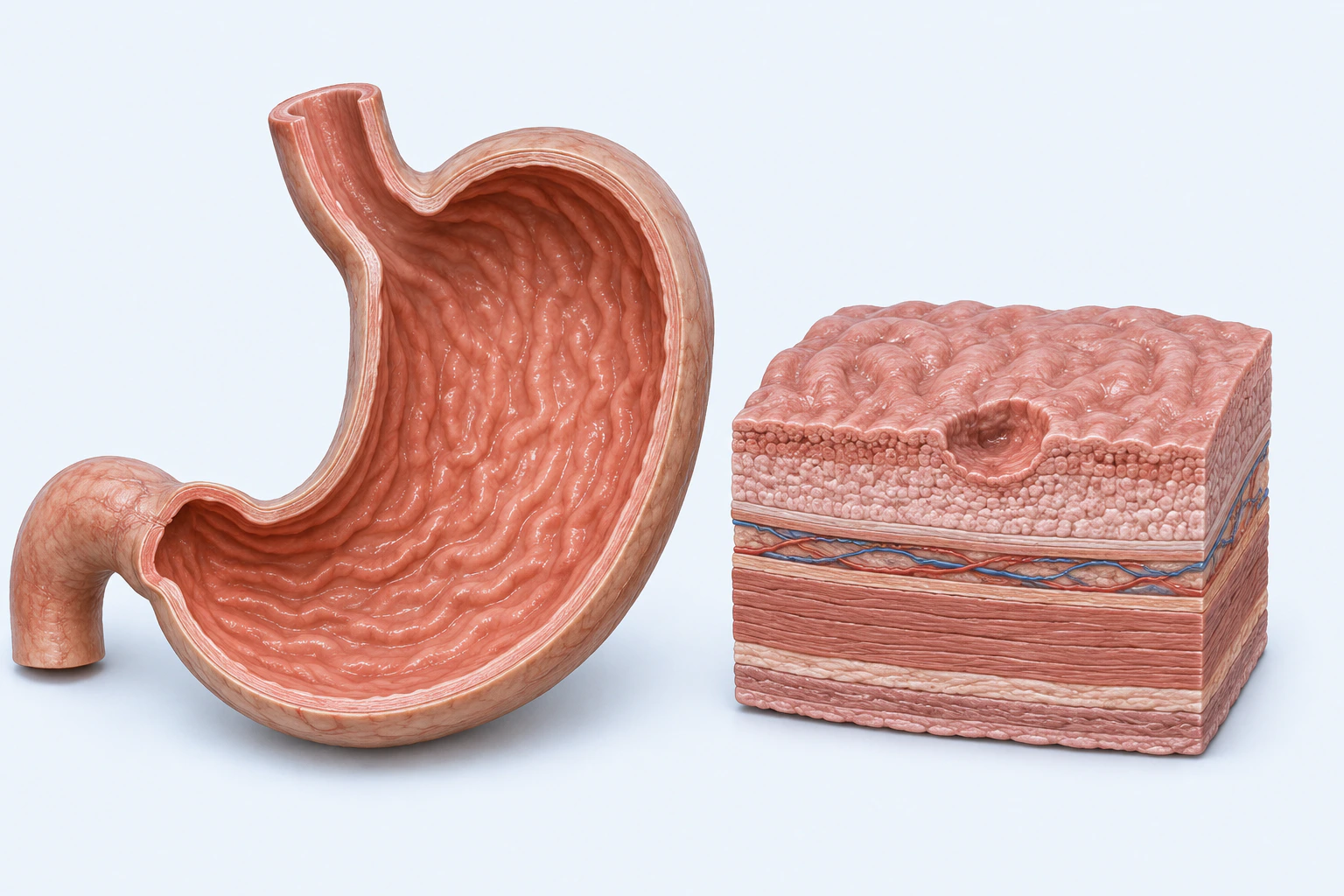
A breach in the gastric mucosal lining extending through the muscularis mucosae, most commonly caused by helicobacter pylori infection or chronic NSAID use. Gastric ulceration represents a critical node in the upper GI disease continuum, linking gerd, chronic gastritis,…
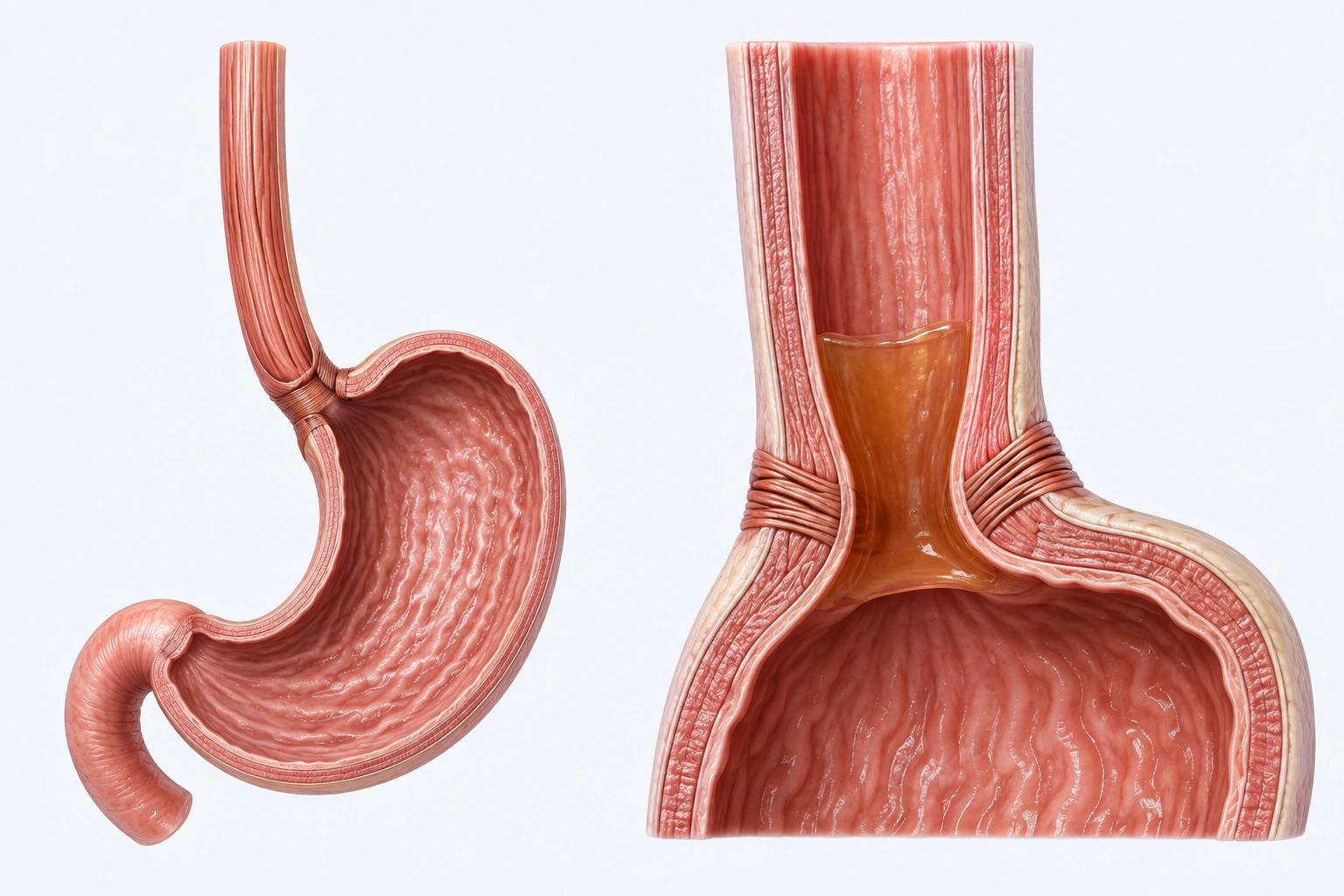
Gastroesophageal reflux disease (GERD) is a chronic condition in which stomach acid or bile flows back into the esophagus, causing mucosal damage and symptoms such as heartburn and regurgitation. Affecting approximately 20% of Western populations, GERD is conventionally…
Alphabetical definitions of specialist terms used throughout this wiki. Where a full concept page exists, the term links to it. --- AhR (aryl hydrocarbon receptor) -- A ligand-activated transcription factor that senses microbial metabolites (especially indoles from tryp…
[NiFe] hydrogenases are the second major nickel-dependent virulence factor class in human pathogens. Less widespread than urease but critical for energy metabolism in gastric, enteric, and intracellular pathogens. The discovery that H. pylori hydrogenase powers CagA tra…
Nickel-urease (urease, EC 3.5.1.5) is a metalloenzyme that catalyzes the hydrolysis of urea (NH₂-CO-NH₂) to ammonia (NH₃) and carbon dioxide (CO₂). The active site contains two nickel ions (Ni²⁺) coordinated by histidine and cysteine residues. Nickel-urease is expressed…
NiFe-hydrogenase (also called [Ni-Fe] hydrogenase or nickel-iron hydrogenase) is a class of enzymes that catalyze reversible hydrogen (H₂) oxidation. The active site contains both nickel (Ni) and iron (Fe) metal atoms arranged in a sophisticated bimetallic cluster. The …
Research summary -- not medical advice. This page synthesizes published research on why a commonly prescribed intervention may be counterproductive in this specific clinical context. Consult a qualified healthcare provider before making any changes to treatment.
The most widespread nickel-dependent virulence factor across human pathogens. Urease is found in at least 40 prokaryotic and 9 eukaryotic pathogenic species, making it the single most important enzyme linking dietary/environmental nickel to infectious disease.