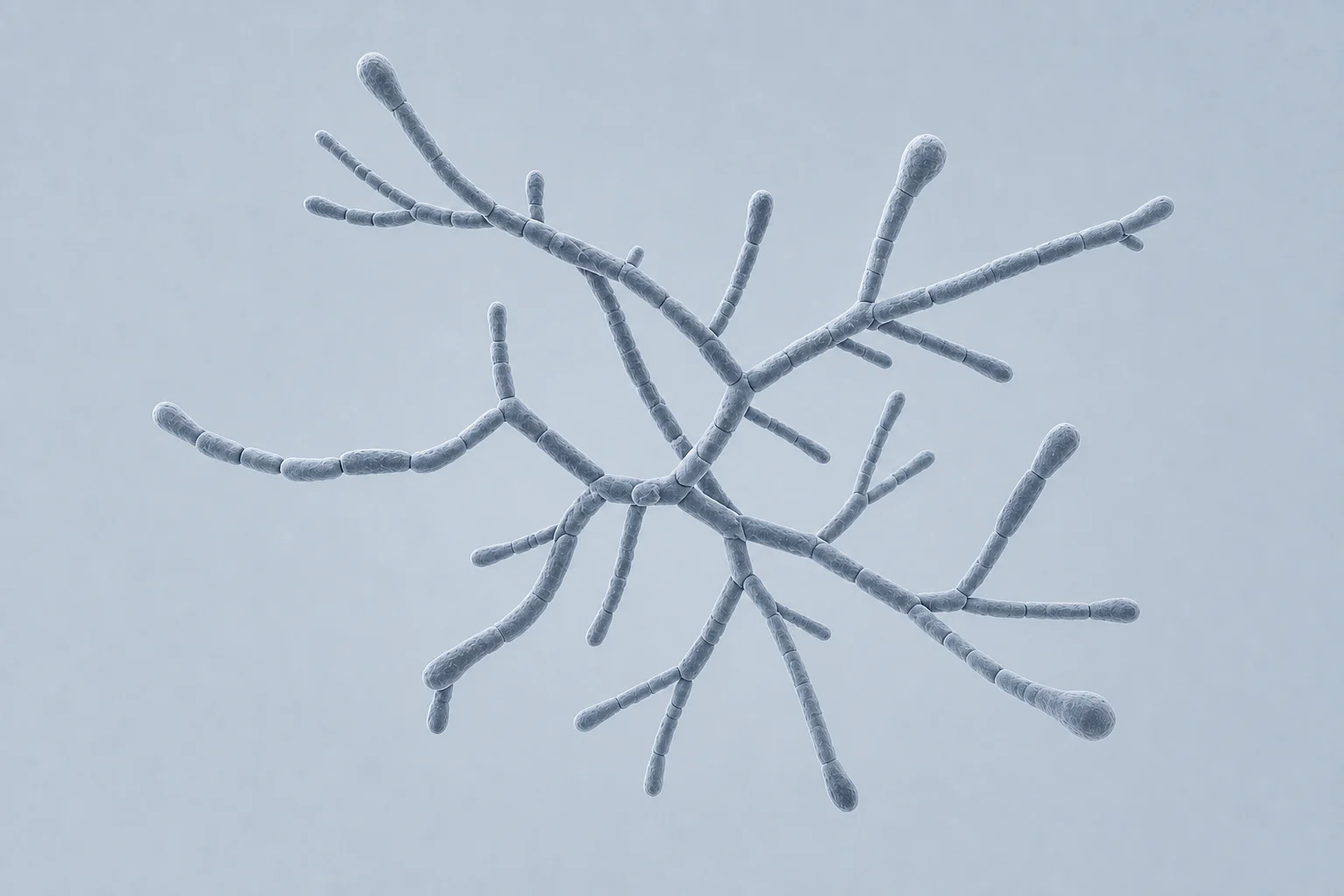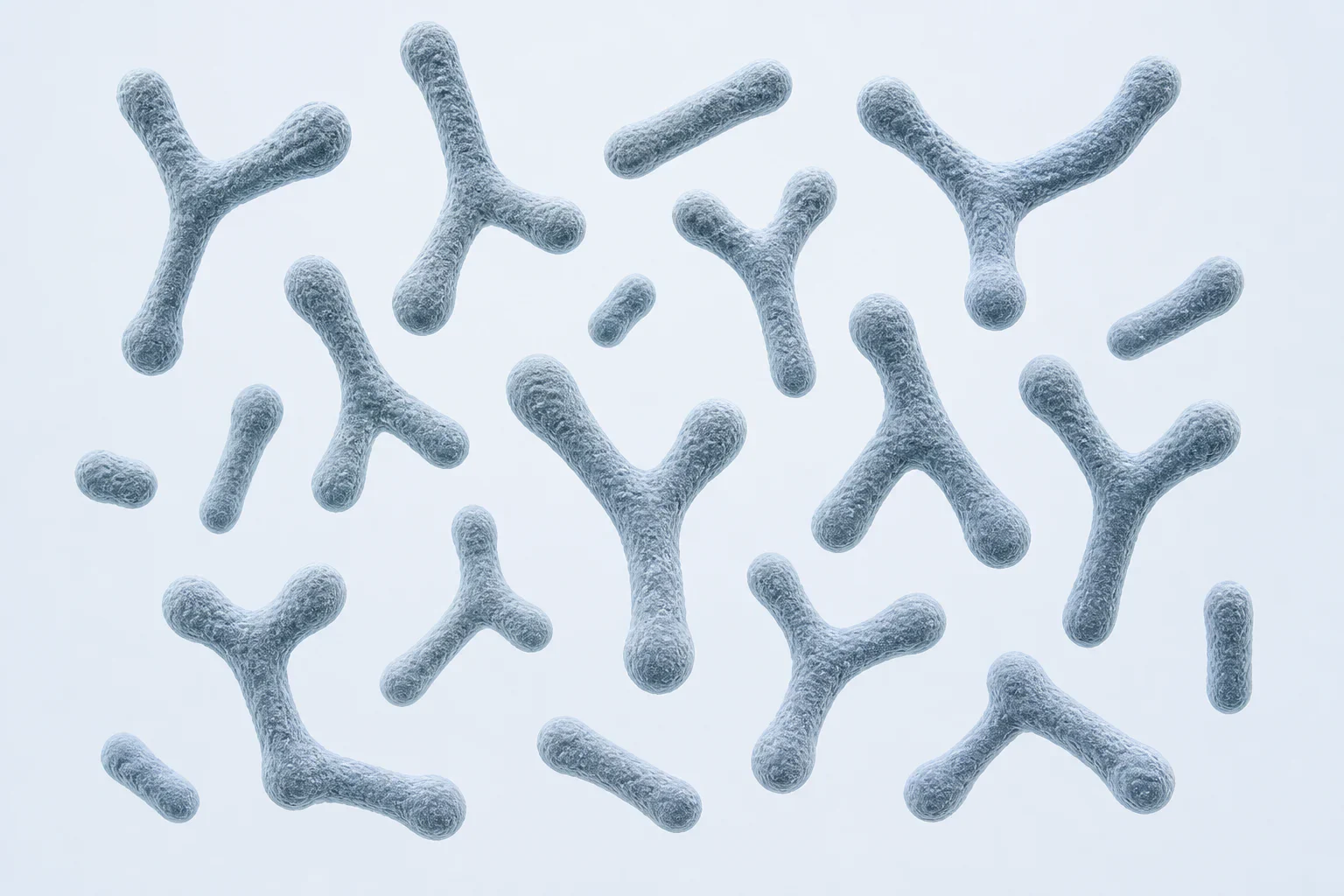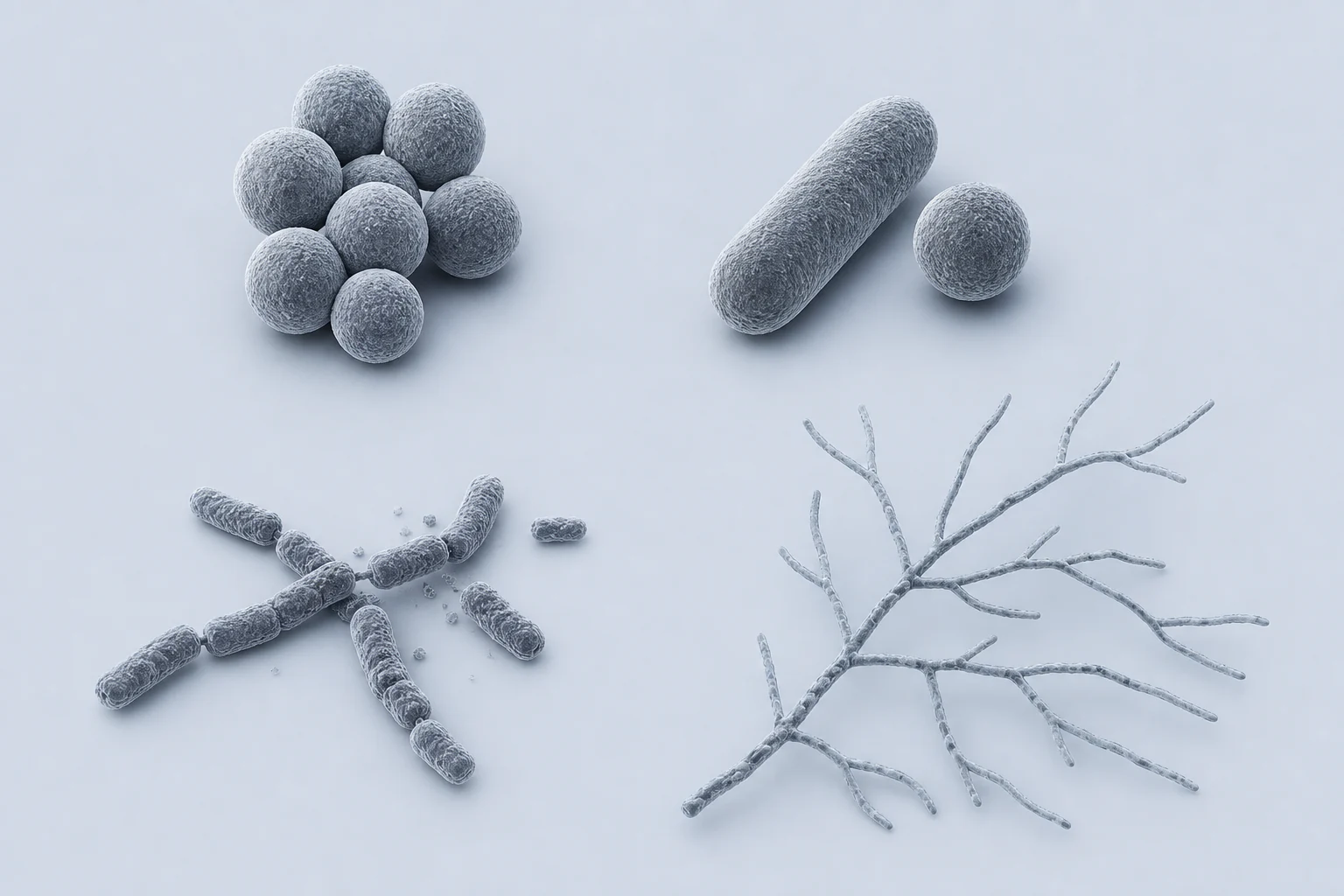
Actinobacteria (Actinomycetota)
This knowledge-base record is being expanded from WikiBiome’s evidence graph.
WikiBiomeThe human microbiome encyclopediaRanked matches across titles, topics, categories, and article introductions, filtered to microbe.
This knowledge-base record is being expanded from WikiBiome’s evidence graph.
A genus of Gram-positive, facultatively anaerobic, filamentous bacteria that are among the most abundant colonizers of the human oral cavity. Actinomyces species, particularly A. naeslundii, play dual roles as early dental plaque colonizers and as opportunistic pathogen…
A genus of Gram-positive, obligate anaerobic bacteria that dominate the infant gut microbiome and remain important commensals throughout life. Bifidobacterium species are distinctive in the metallomics context because some species possess Ni-dependent urease -- an unusu…
A genus of Gram-negative intracellular pathogens causing brucellosis, the most common bacterial zoonosis worldwide. Brucella species depend on nickel-activated urease for gastrointestinal survival during the initial phase of infection, and urease immunization has been s…
The leading bacterial cause of diarrheal disease worldwide, with an estimated 400-500 million cases annually. C. jejuni is notable in the metallomics context for possessing a nickel-dependent [NiFe] hydrogenase essential for colonization but lacking urease -- a striking…
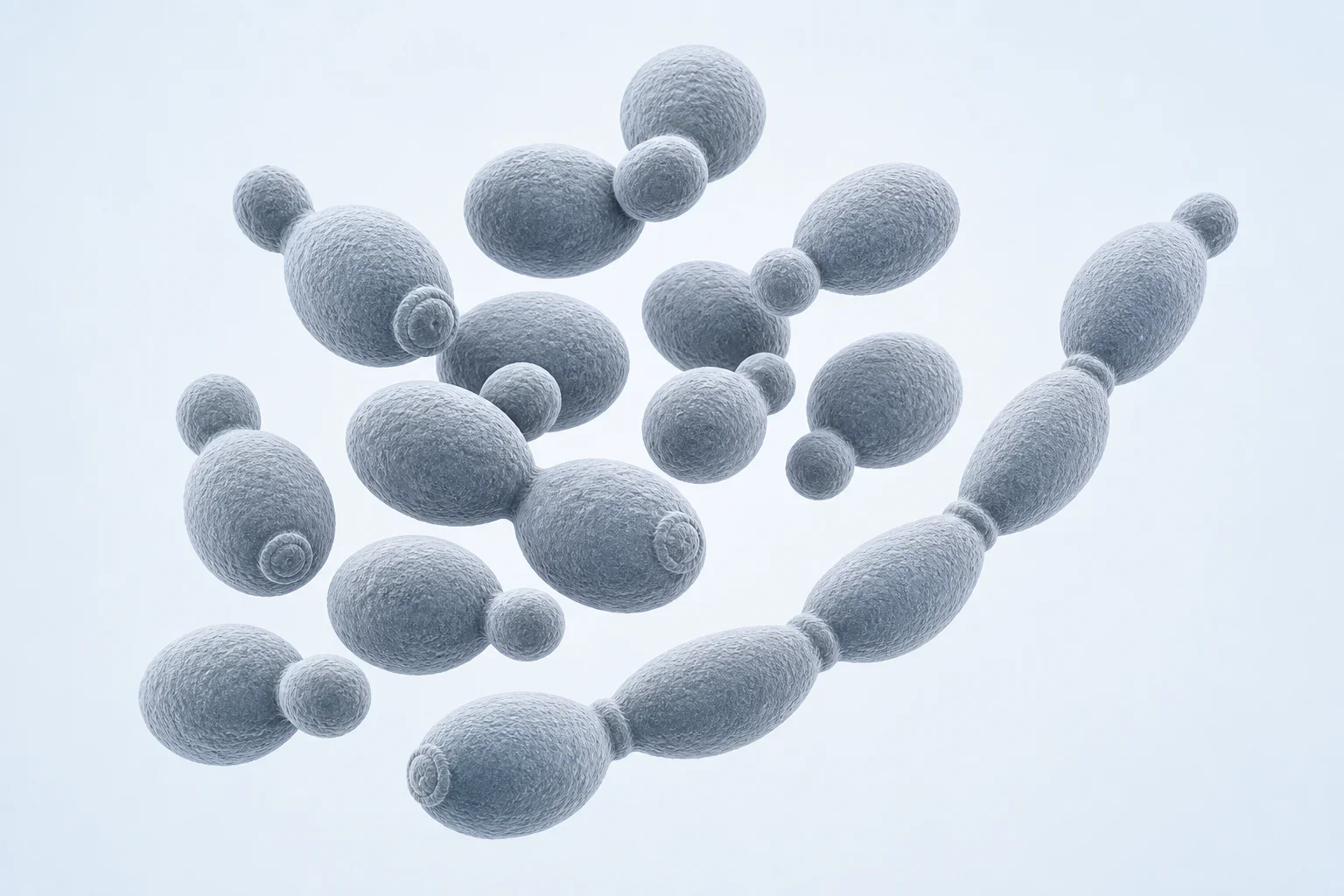
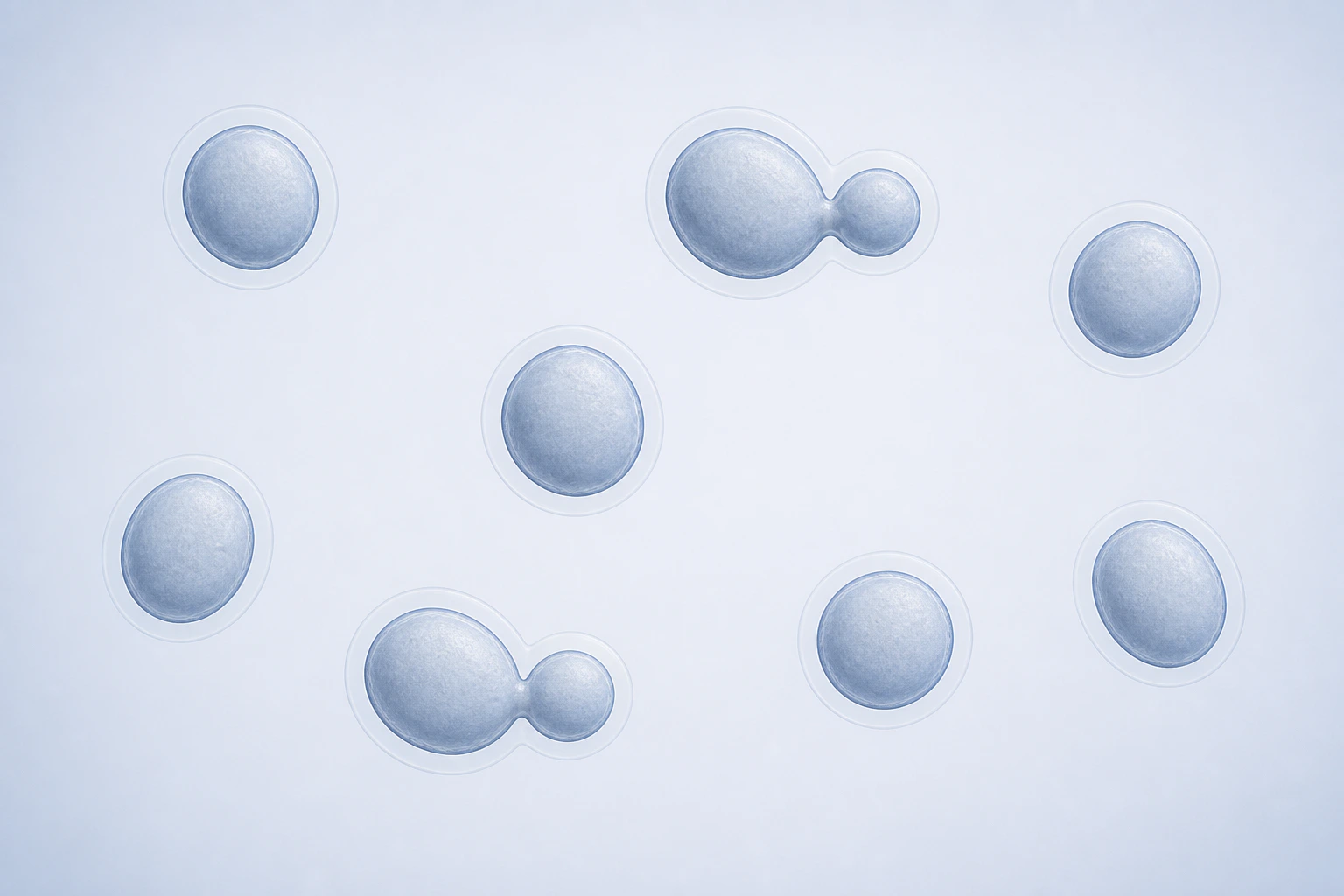
An opportunistic fungal pathogen whose relationship with metals is multifaceted: C. albicans can biosorb heavy metals from its environment, heavy metal exposure promotes its virulence in immunocompromised hosts, and metal nanoparticles are being developed as antifungal …
An encapsulated basidiomycete yeast that causes cryptococcal meningitis -- the leading cause of meningitis in HIV/AIDS patients and responsible for an estimated 180,000 deaths annually. Its nickel-dependent urease has been called the organism's "Achilles' heel" because …
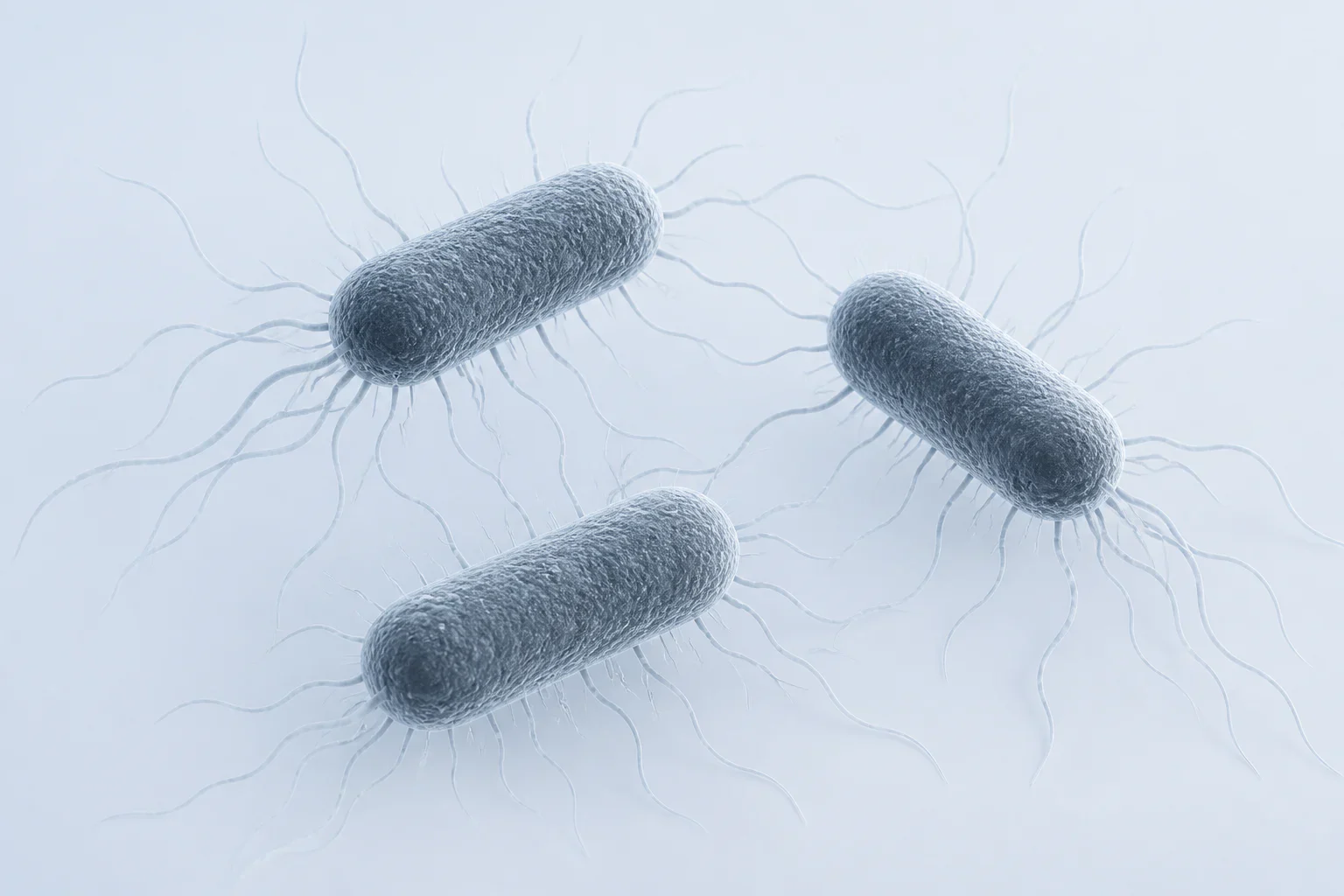
A Gram-negative bacterium that spans the commensal-pathogen spectrum, with pathogenic variants (UPEC, STEC, EHEC) deploying nickel-dependent enzymes as virulence factors. E. coli is the model organism for nickel transport biology -- the NikABCDE system was first charact…
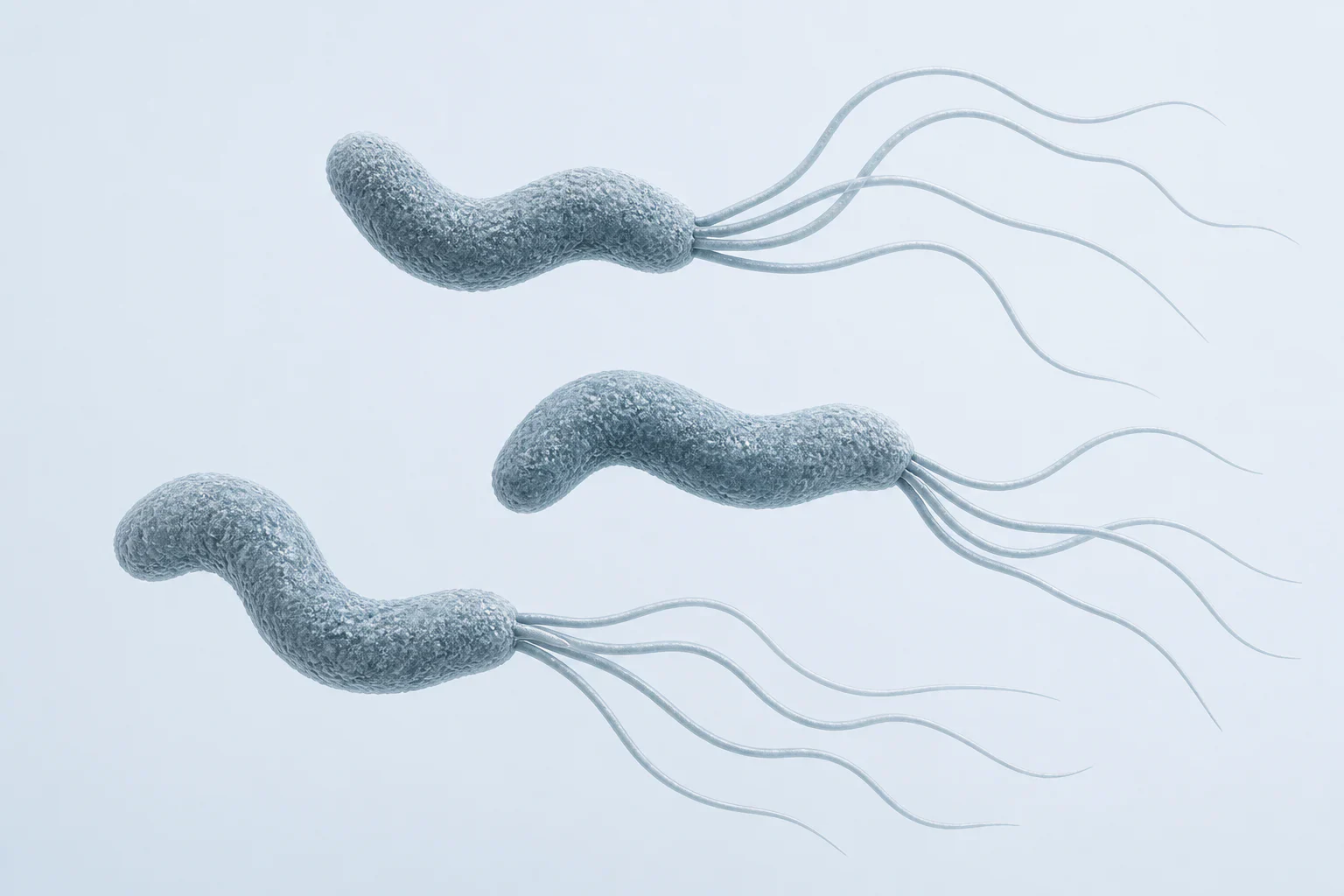
A gastric pathogen that is arguably the most nickel-dependent human pathogen known. Two of its key virulence factors — urease and [NiFe] hydrogenase — require nickel, and the bacterium has evolved an elaborate nickel trafficking, storage, and regulation system to suppor…
A Gram-negative opportunistic pathogen and member of the ESKAPE group of antibiotic-resistant priority pathogens. K. pneumoniae deploys multiple nickel-dependent enzymes for virulence and relies on the dual-function metallophore yersiniabactin for both iron and nickel s…
This knowledge-base record is being expanded from WikiBiome’s evidence graph.
The causative agent of tuberculosis (TB), the leading infectious disease killer worldwide (~1.3 million deaths annually). M. tuberculosis has an exceptionally complex metal biology: it deploys nickel-dependent hydrogenase and urease for intracellular survival, species-s…
<!-- Auto-created stub from Rule 13 scope discovery. 5 source pages mention this taxon. Awaiting content expansion. --
A Gram-negative uropathogen whose Ni-dependent urease is the central driver of catheter-associated urinary tract infection (CAUTI) pathogenesis. Urease-mediated urea hydrolysis alkalinizes urine, triggering precipitation of struvite (magnesium ammonium phosphate) and ap…
A versatile Gram-positive pathogen with one of the best-characterized nutritional immunity evasion systems known. S. aureus requires nickel, iron, zinc, and manganese for virulence and has evolved dedicated acquisition systems for each, including the novel metallophore …
Ureaplasma is a genus of wall-less bacteria in the class Mollicutes, comprising two species pathogenic to humans: U. urealyticum and U. parvum. The genus is named for its defining characteristic — obligate urease activity — which hydrolyzes urea to ammonia and CO2, prov…
See also: ureaplasma (genus page with full biology and metal dependency profile) Ureaplasma urealyticum is one of two human-pathogenic Ureaplasma species (alongside U. parvum). Like all Ureaplasma, it depends on nickel-dependent urease for energy generation.