Dimethylglyoxime (DMG)
This knowledge-base record is being expanded from WikiBiome’s evidence graph.
WikiBiomeThe human microbiome encyclopediaRanked matches across titles, topics, categories, and article introductions, filtered to mechanism.
This knowledge-base record is being expanded from WikiBiome’s evidence graph.
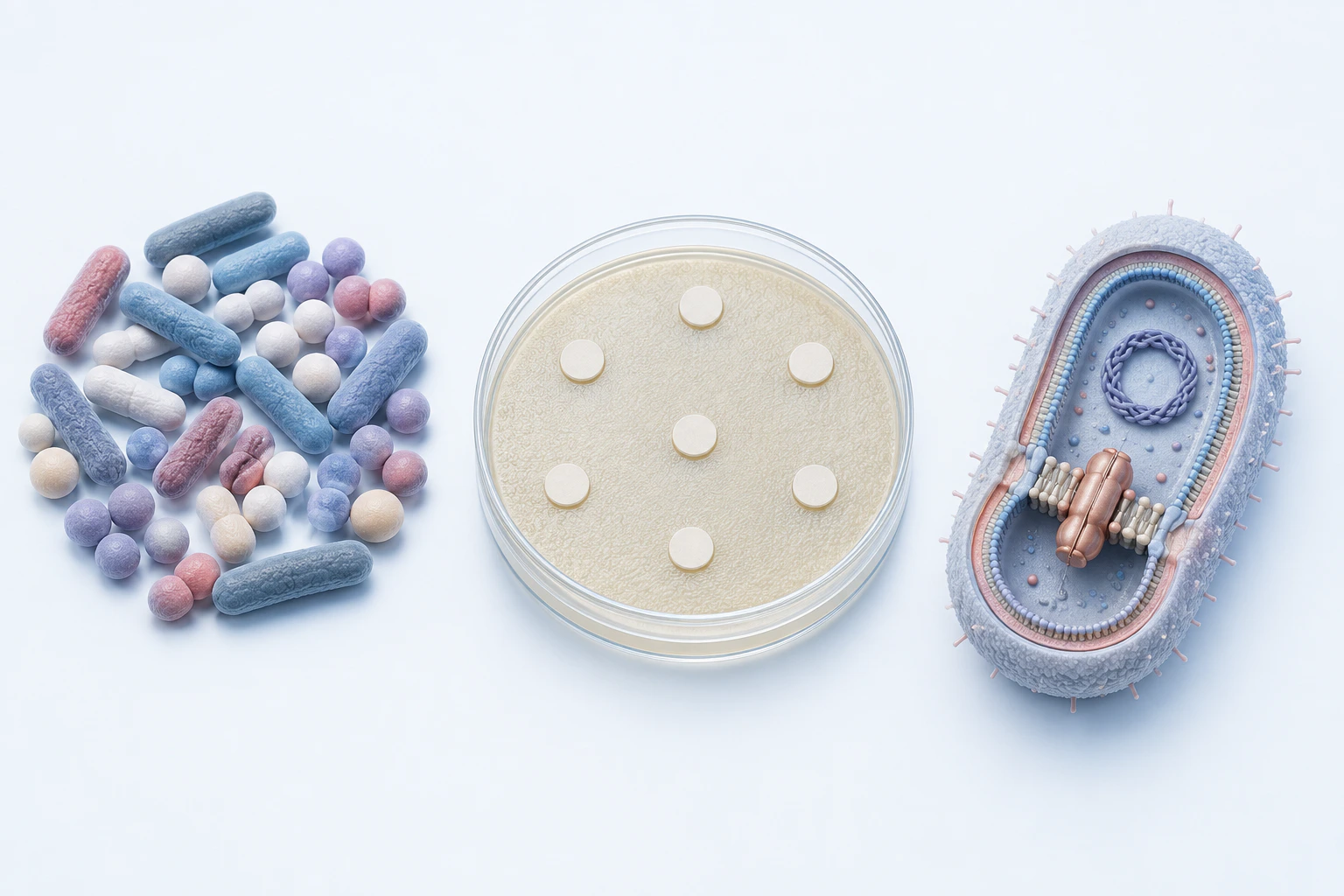
The ability of microorganisms to survive and replicate in the presence of antimicrobial agents — antibiotics, antifungals, antivirals, antiparasitic drugs — at concentrations that would normally inhibit or kill them. Antimicrobial resistance (AMR) is designated by the W…
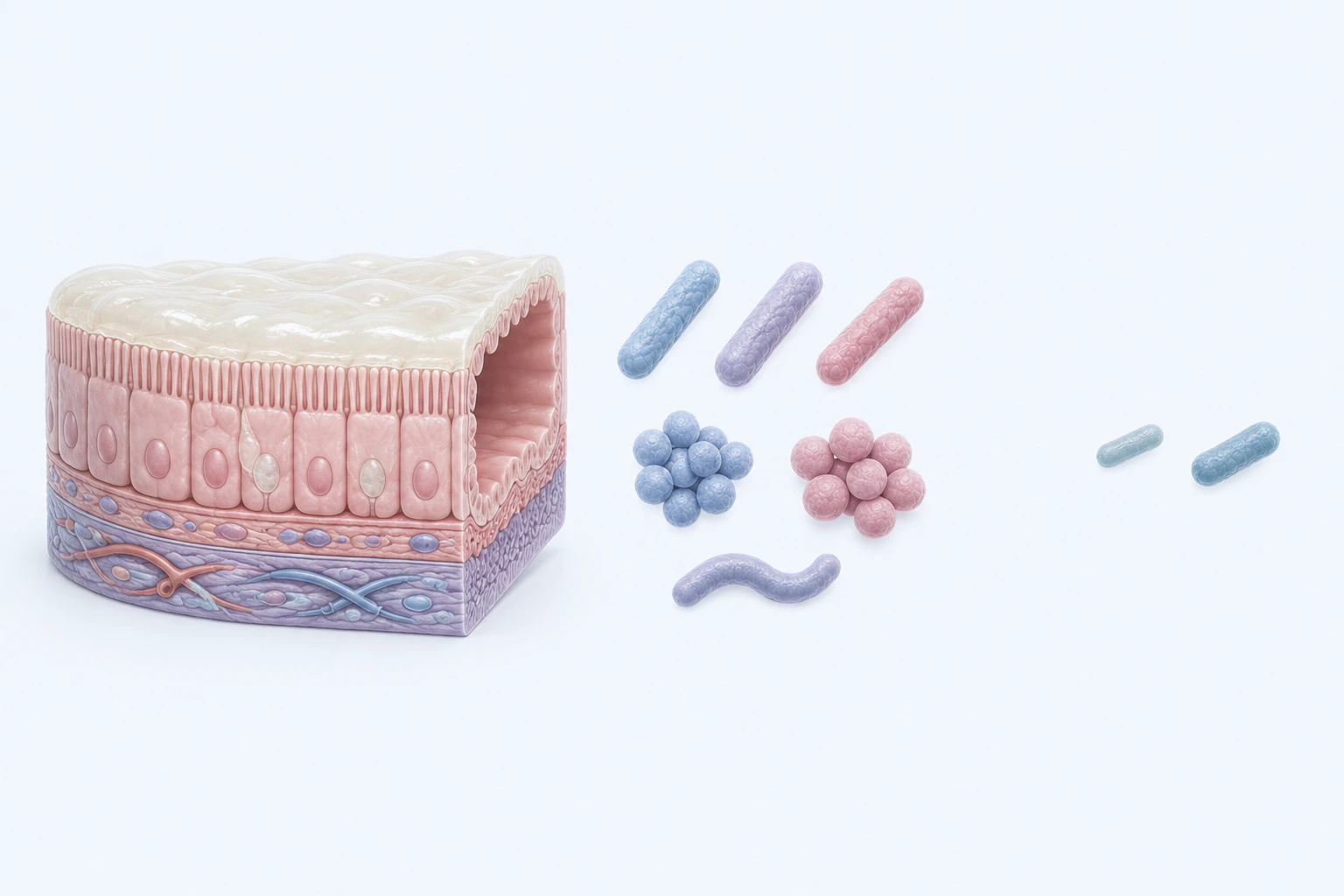
The collective ability of the resident gut microbiome to prevent colonization by exogenous pathogens and suppress expansion of resident pathobionts. Colonization resistance is not a property of any single organism but an emergent function of the whole microbial communit…
Gut barrier dysfunction -- colloquially "leaky gut" -- is the pathological increase in intestinal permeability that permits translocation of bacteria, bacterial products (LPS, peptidoglycan), metals, and dietary antigens from the gut lumen into the systemic circulation.…
This knowledge-base record is being expanded from WikiBiome’s evidence graph.
A condition in which cells fail to respond normally to insulin, requiring progressively higher insulin levels to maintain glucose homeostasis. Insulin resistance is central to PCOS, type 2 diabetes, and metabolic syndrome, and has extensive but complex connections to me…
An anti-inflammatory dietary pattern characterized by high consumption of extra-virgin olive oil, fruits, vegetables, legumes, whole grains, nuts, and fish, with limited red meat, processed food, and added sugars. The Mediterranean diet (MD) has evidence across multiple…
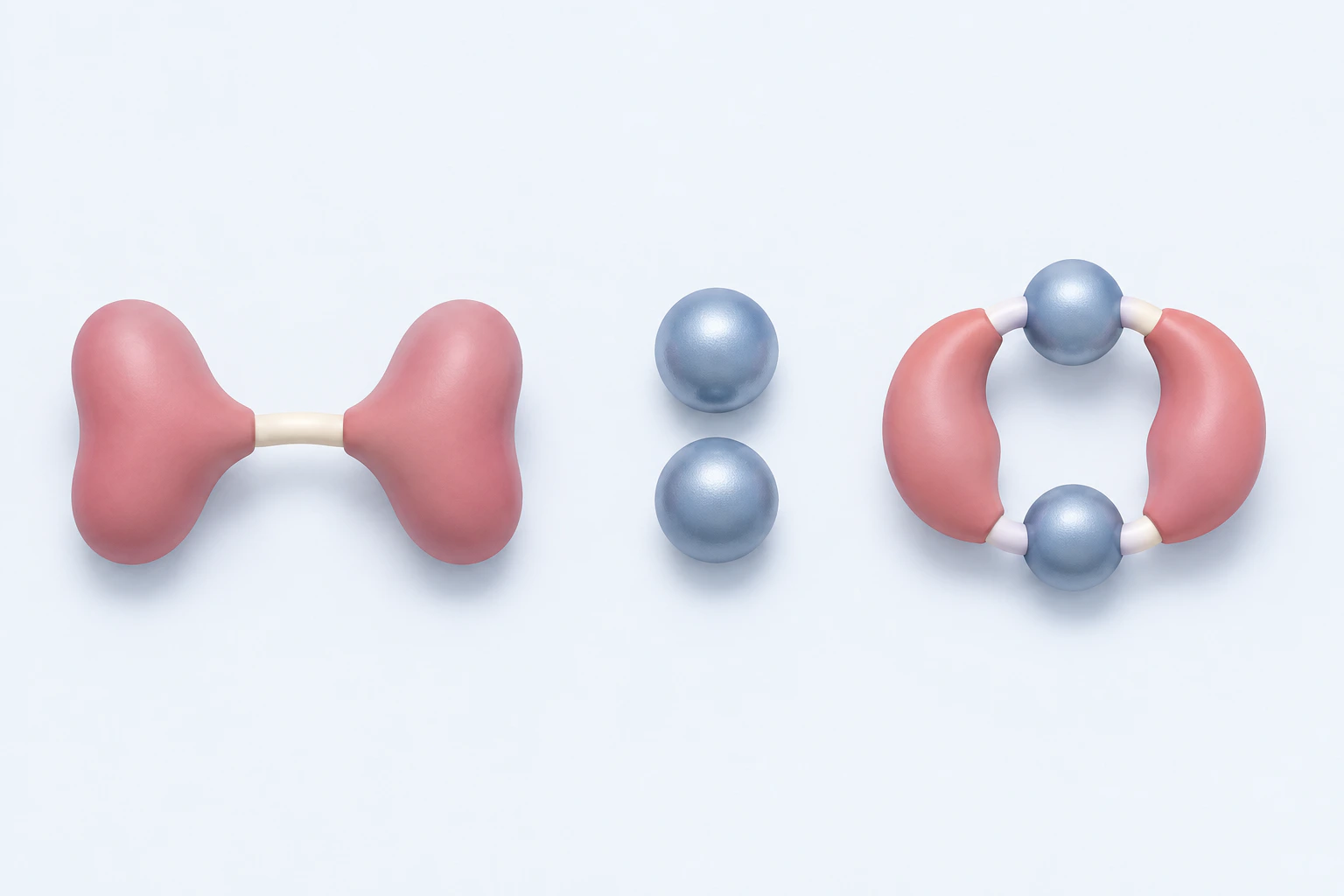
Chelation therapy uses molecules with high affinity for specific metal ions to form stable, excretable complexes, removing toxic metals from the body. The word derives from Greek "chele" (claw) -- the chelator grips the metal ion at multiple coordination sites. While ch…
An umbrella concept encompassing the metallomic dimensions of Alzheimer's disease, Parkinson's disease, and other neurodegenerative conditions. The brain is uniquely vulnerable to metal toxicity: it has high metabolic demand, limited regenerative capacity, region-specif…
The exposome is the totality of environmental exposures an individual experiences from conception to death. Coined by Christopher Wild in 2005, it complements the genome by capturing the environmental side of the gene-environment equation. Metals are among the most quan…
Autoimmune thyroid diseases (AITDs) -- hashimotos thyroiditis and graves disease -- are the most common organ-specific autoimmune conditions, affecting 5-10% of the global population. The thyroid gland sits at a remarkable intersection of metal biology and immune regula…