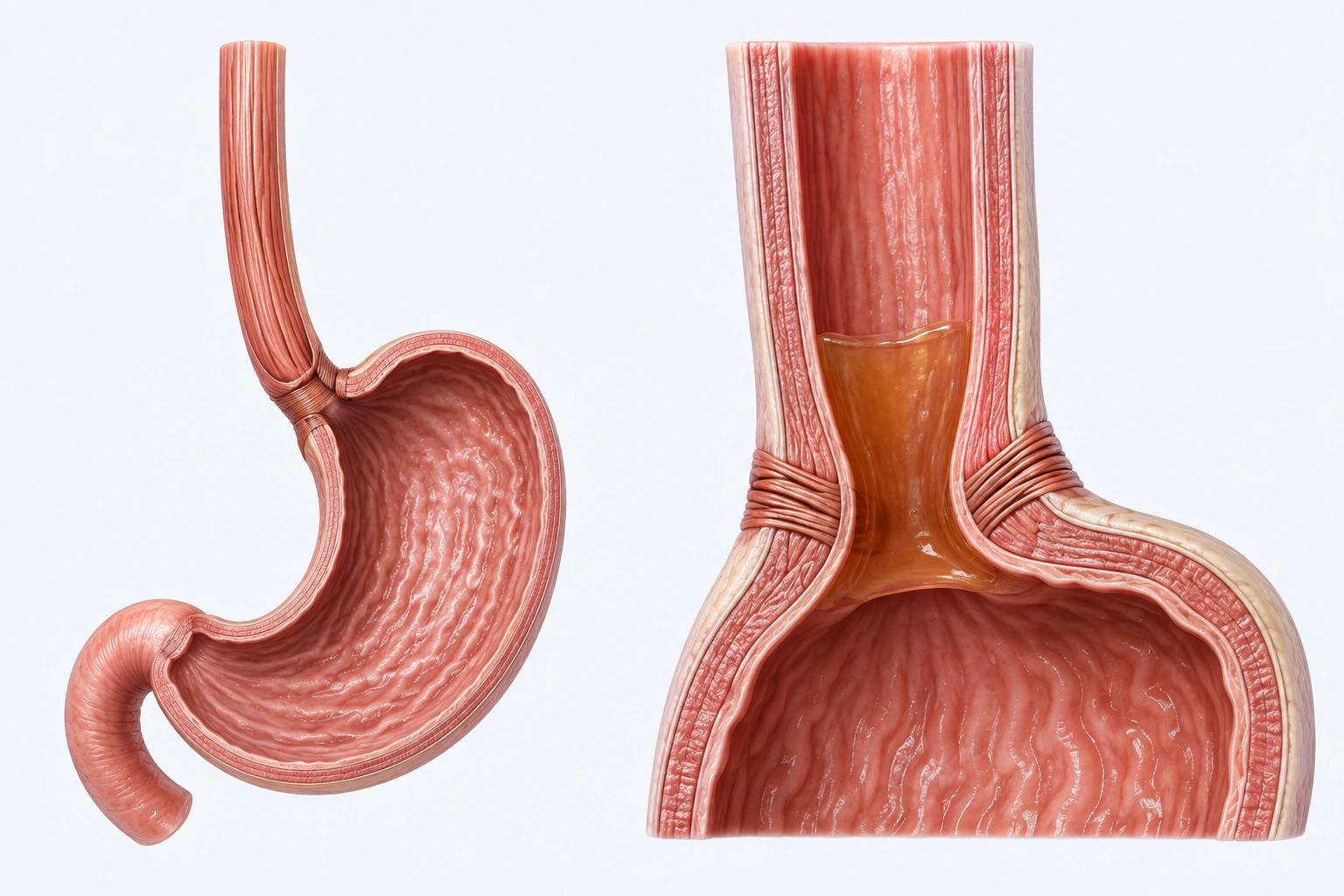
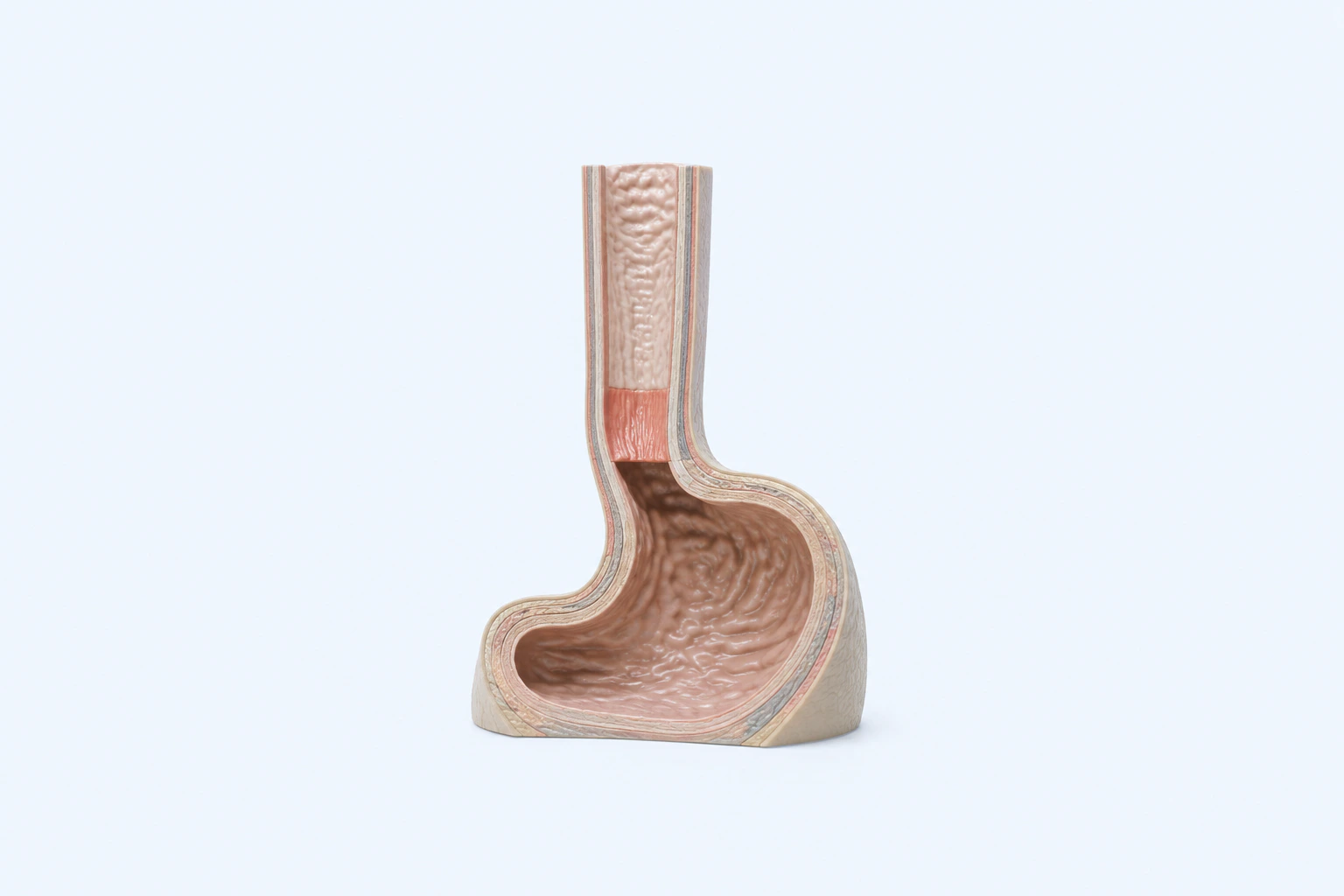
Gastroesophageal reflux disease (GERD) is a chronic condition in which stomach acid or bile flows back into the esophagus, causing mucosal damage and symptoms such as heartburn and regurgitation. Affecting approximately 20% of Western populations, GERD is conventionally…
Barrett's esophagus (BE) is a premalignant condition in which the normal squamous epithelium of the distal esophagus is replaced by intestinal-type columnar epithelium (intestinal metaplasia). It is the primary risk factor for esophageal adenocarcinoma (EAC), a cancer w…
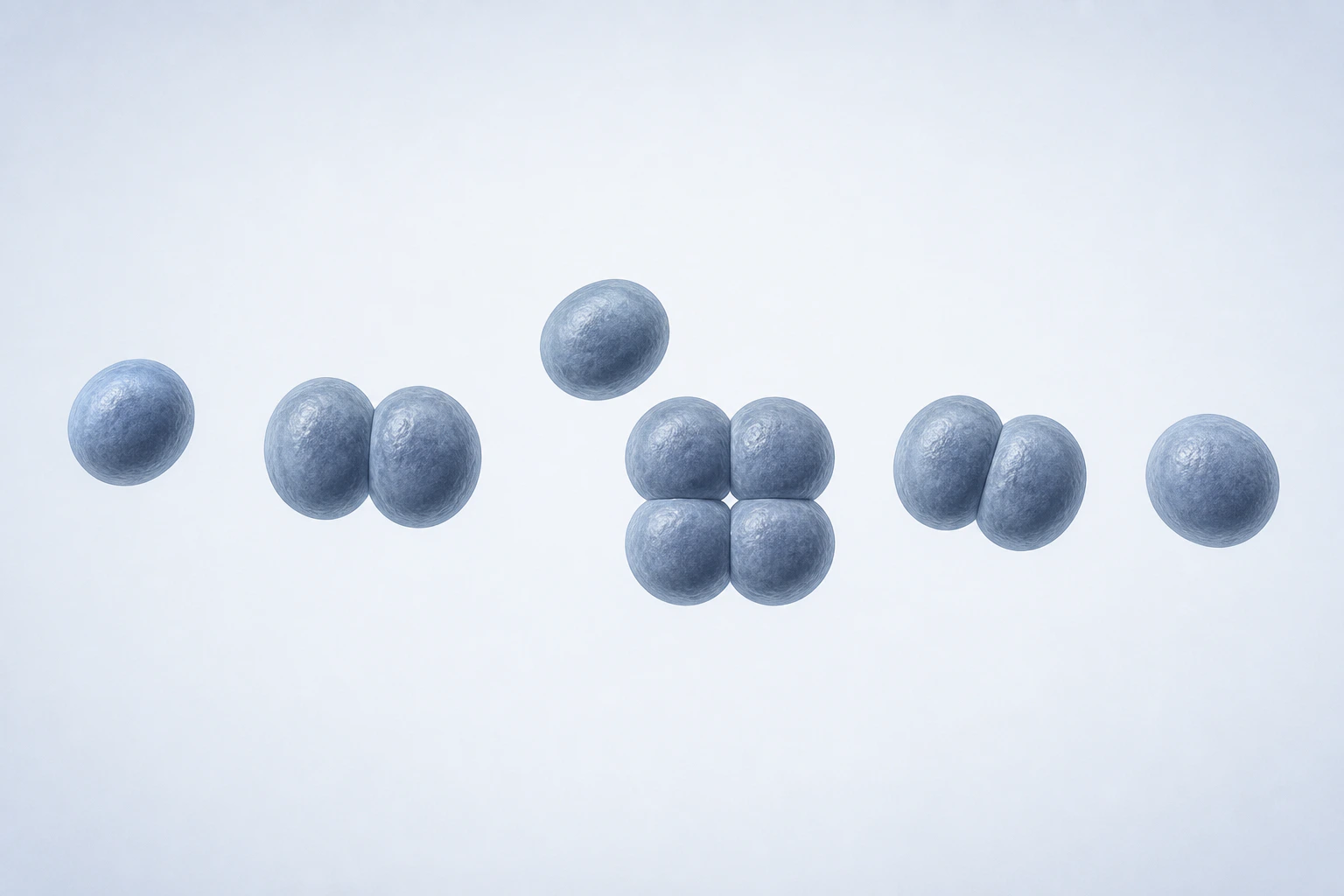
Gemella is a genus of Gram-positive, facultatively anaerobic cocci that are normal commensals of the oral cavity. Species include G. morbillorum, G. haemolysans, and G. sanguinis. In the WikiBiome context, Gemella is notable for its oral-gut translocation pattern — an o…
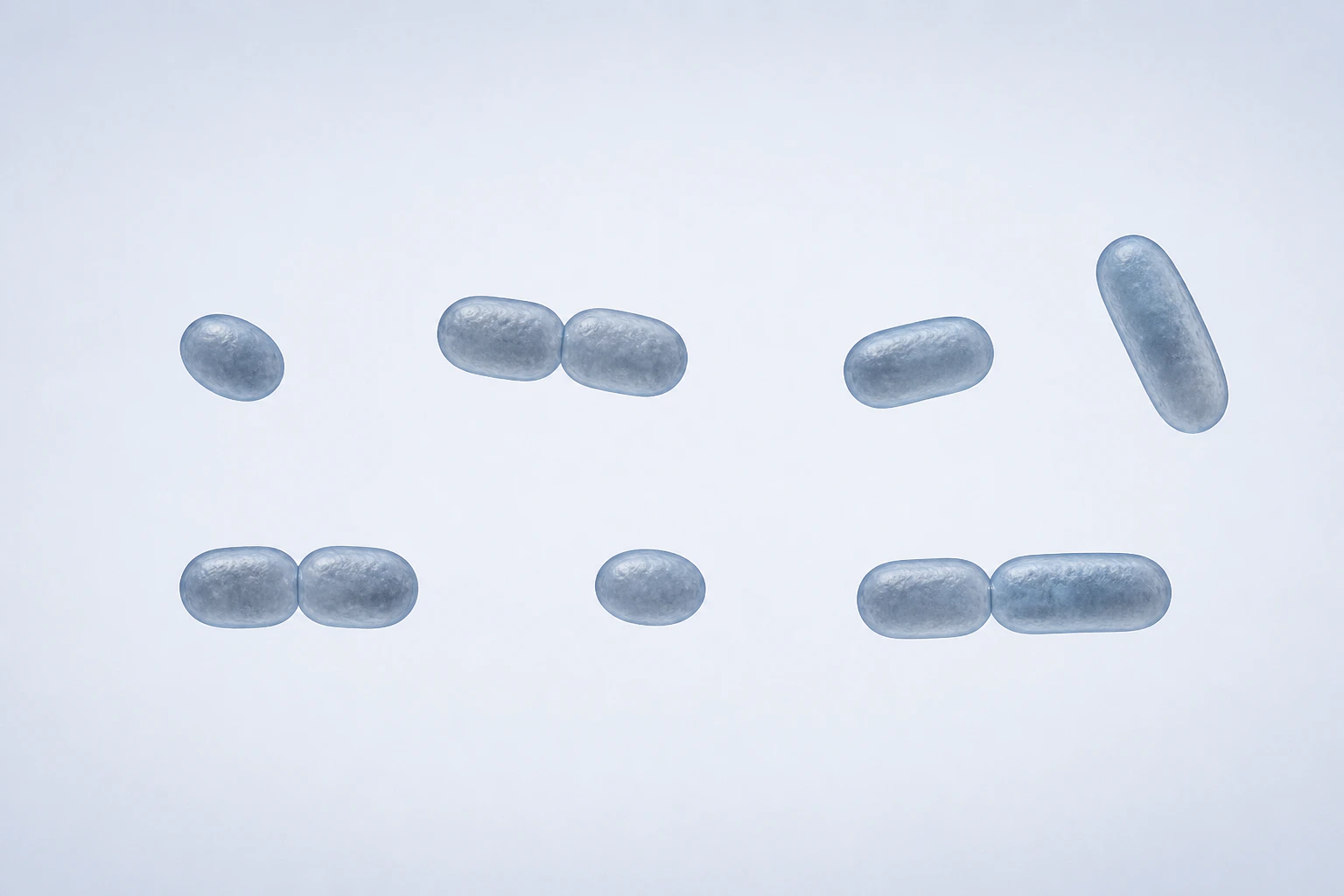
Haemophilus is a genus of small, Gram-negative, facultatively anaerobic coccobacilli that inhabit the upper respiratory tract, oral cavity, and gastrointestinal tract. The genus name literally means "blood-loving" -- a direct reference to its absolute requirement for he…
Low-carbohydrate diets reduce esophageal acid exposure time from 5.1% to 2.5% (P=0.022) by decreasing gastric distension and transient lower esophageal sphincter relaxations (TLESRs). Critically, benefits are independent of weight loss.
Co-administration of multi-strain probiotics (Bifidobacterium, Lactobacillus, Enterococcus, Bacillus cereus) alongside PPI therapy to mitigate PPI-induced gut dysbiosis. This addresses the treatment paradox: PPIs improve esophageal inflammation but worsen gut microbial …
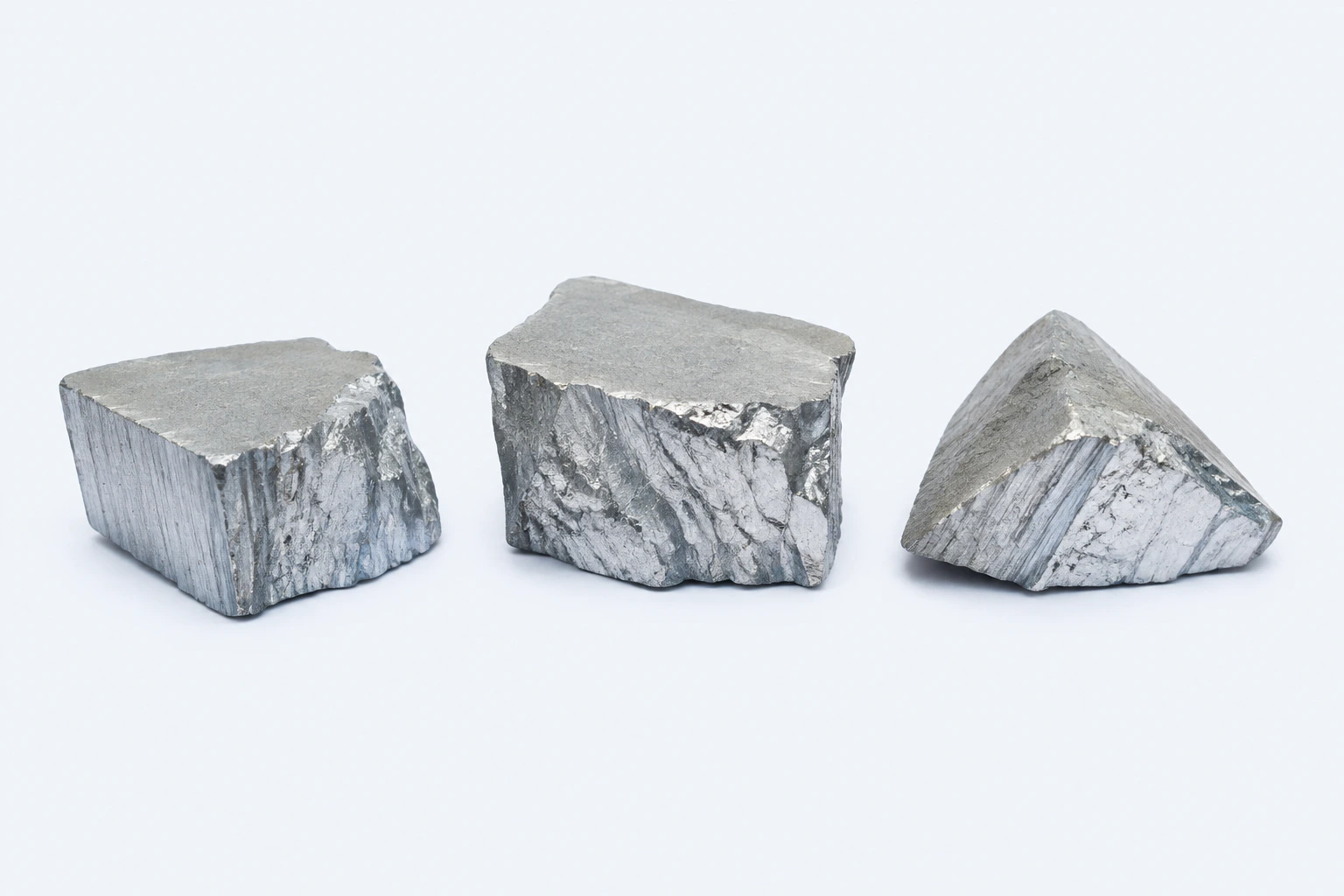
Zinc is depleted in nearly every disease state examined in this wiki -- cancer (breast, prostate, lung, pancreatic, esophageal, colorectal), type 2 diabetes, PCOS, autism, postpartum depression, and IBD. Zinc supplementation is generally beneficial: it reduces PPD risk …
Toll-like receptors (TLRs) are a family of pattern recognition receptors (PRRs) that form the front line of the innate immune system. They detect conserved molecular patterns from microbes -- pathogen-associated molecular patterns (PAMPs) -- and damage-associated molecu…
Zinc is the most widely utilized transition metal cofactor in biology. Approximately 9-10% of the eukaryotic proteome and 5-6% of the bacterial proteome consists of zinc-binding proteins capdevila 2024 bacterial metallostasis sensing trafficking. An estimated one-third …