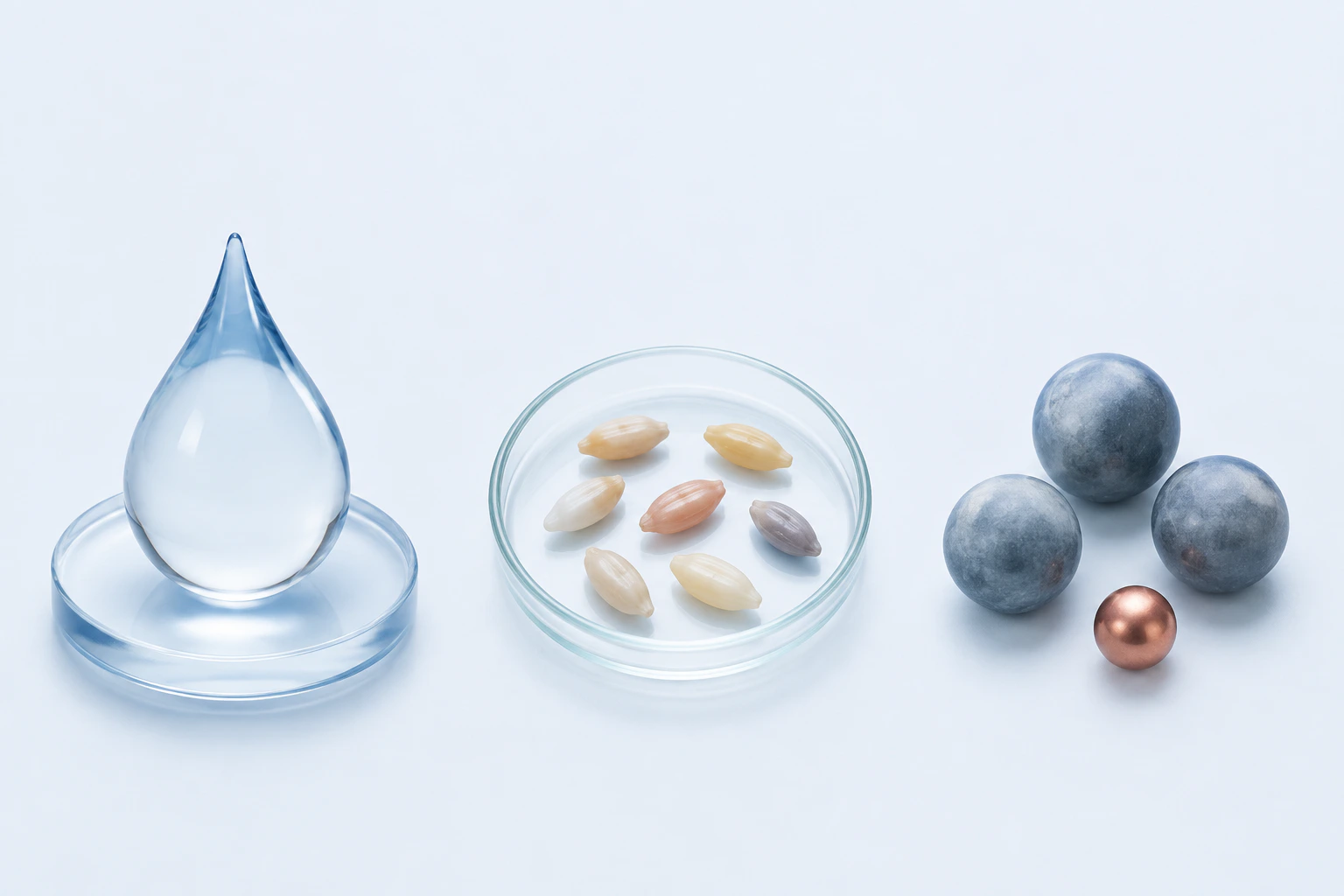
arsenic (As) is unique among dietary heavy metals because it exists in two fundamentally different forms with dramatically different toxicities: inorganic arsenic (iAs, the dangerous form) and organic arsenic (arsenobetaine, arsenosugars — largely non-toxic). Understand…
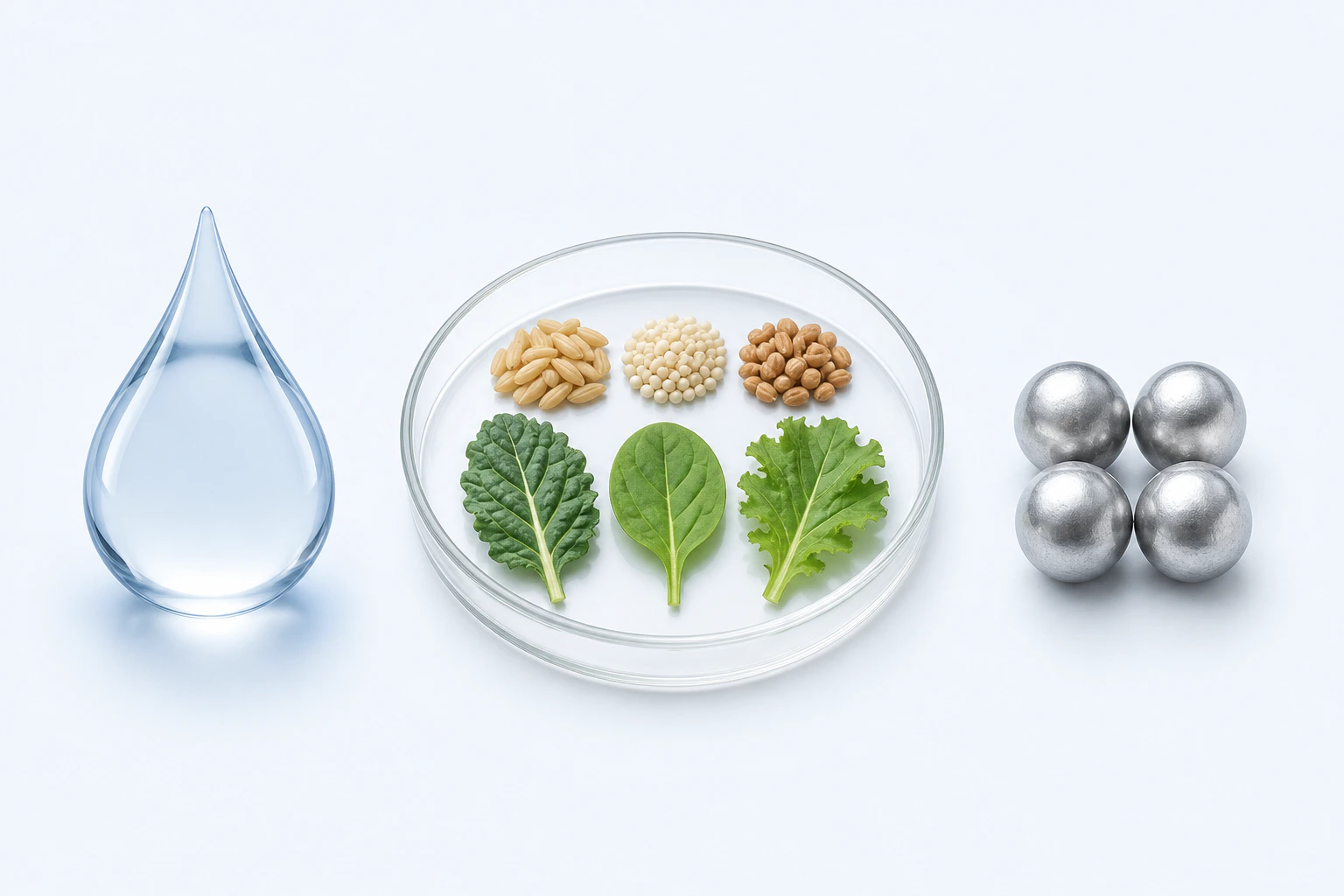
cadmium (Cd) enters the human body primarily through food. Unlike nickel, which has high-concentration food categories that can be avoided, cadmium contamination is diffuse — embedded in staple crops, leafy greens, and grains that form the basis of most dietary patterns…
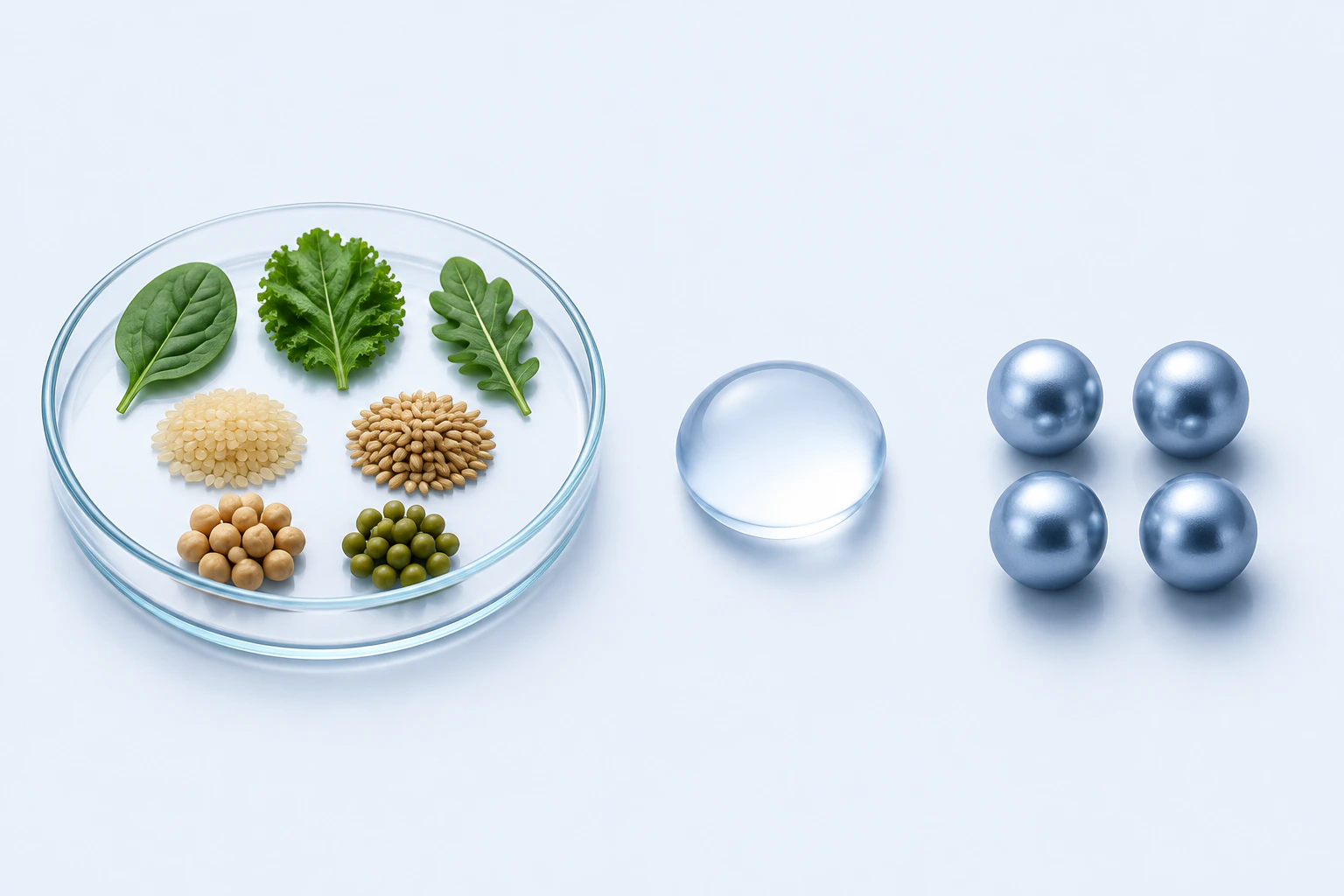
lead (Pb) has no safe level of exposure. Unlike most dietary metals, lead does not play any known biological role — every atom absorbed represents toxic burden. While environmental lead exposure (paint, soil, air) has decreased dramatically since leaded gasoline phase-o…
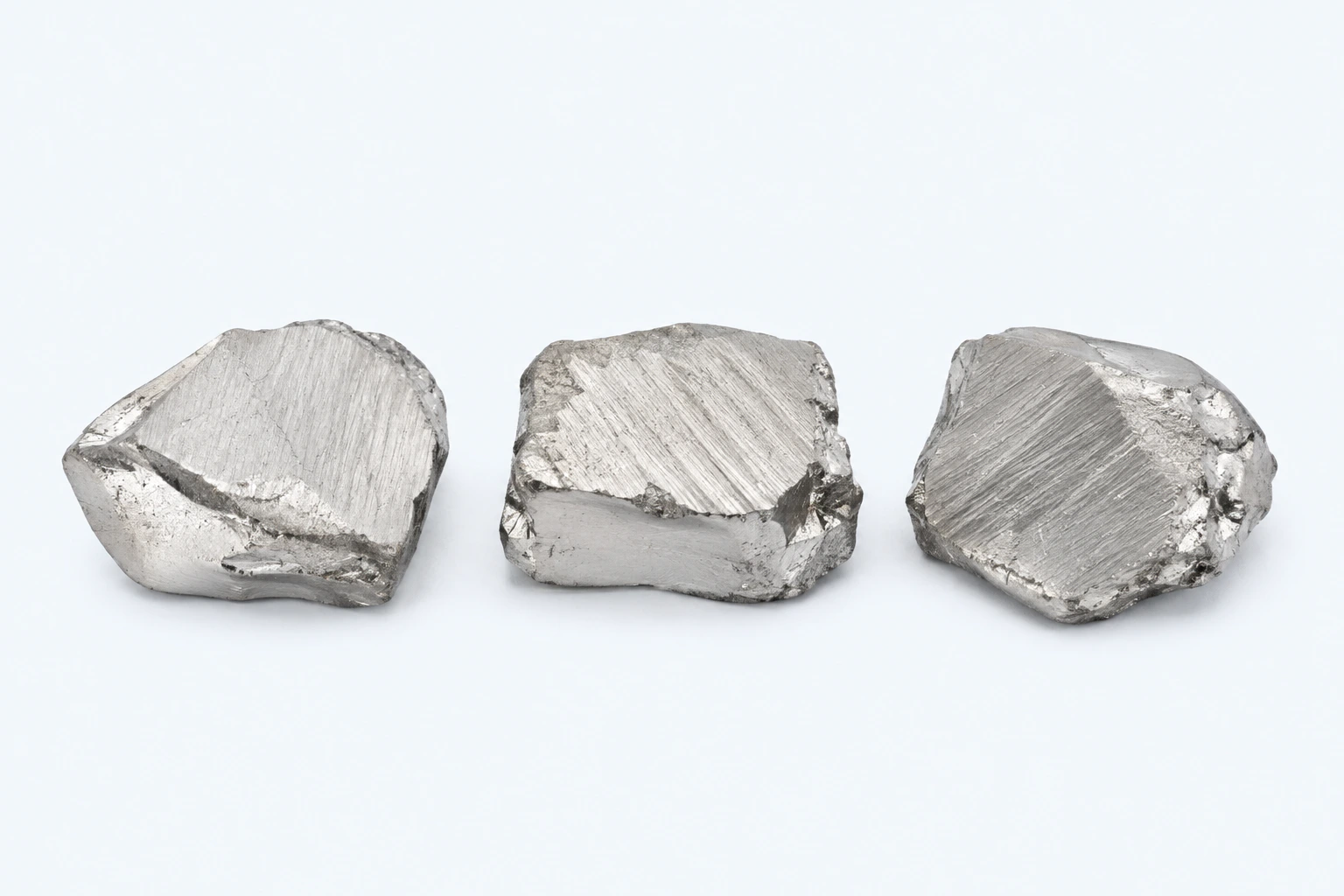
Food is the primary source of nickel exposure for the general (non-occupational) population. While food nickel poses minimal risk to most adults, children and nickel-sensitized individuals are high-risk groups.
Drug repurposing (also called drug repositioning) is the strategy of identifying new therapeutic uses for existing approved drugs. It dramatically accelerates the path from bench to bedside because safety, pharmacokinetics, and manufacturing are already established. In …
The 6-24 month developmental window — when infants transition from breast milk to solid foods — represents a convergence of maximum vulnerability and maximum exposure. Immature detoxification systems, rapid organ development, and high food-to-body-weight ratios mean tha…
Hyperaccumulation is the ability of certain plant species to concentrate metals in their tissues at levels 10-100x higher than the surrounding soil. This is a genetically determined trait that evolved as a defense mechanism — metal-loaded tissues are toxic to herbivores…
Postbiotics are defined by ISAPP (2021) as "preparations of inanimate microorganisms and/or their components that confer a health benefit on the host." They include heat-killed bacteria, cell-free supernatants, bacterial lysates, and purified microbial metabolites (SCFA…
Streptococcus thermophilus is a Gram-positive, facultative anaerobic coccus that is the primary probiotic species used in commercial yogurt fermentation and thermophilic dairy fermentation worldwide. Distinct from pathogenic Streptococcus species, S. thermophilus produc…
A non-essential metal with a dual toxicological profile: inorganic tin (from canned foods) causes primarily gastric irritation at high concentrations, while organotin compounds (tributyltin, trimethyltin) are far more toxic, acting as endocrine disruptors and neurotoxin…