Atherosclerosis is a chronic inflammatory disease of arterial walls characterized by lipid-laden plaque formation, endothelial dysfunction, and progressive vascular occlusion. It is the pathological substrate underlying coronary artery disease, stroke, and peripheral ar…
A neurodevelopmental condition affecting approximately 1 in 36 children (US CDC 2023 estimate), characterized by differences in social communication, restricted interests, and repetitive behaviors. From a metallomics perspective, ASD presents a compelling convergence of…
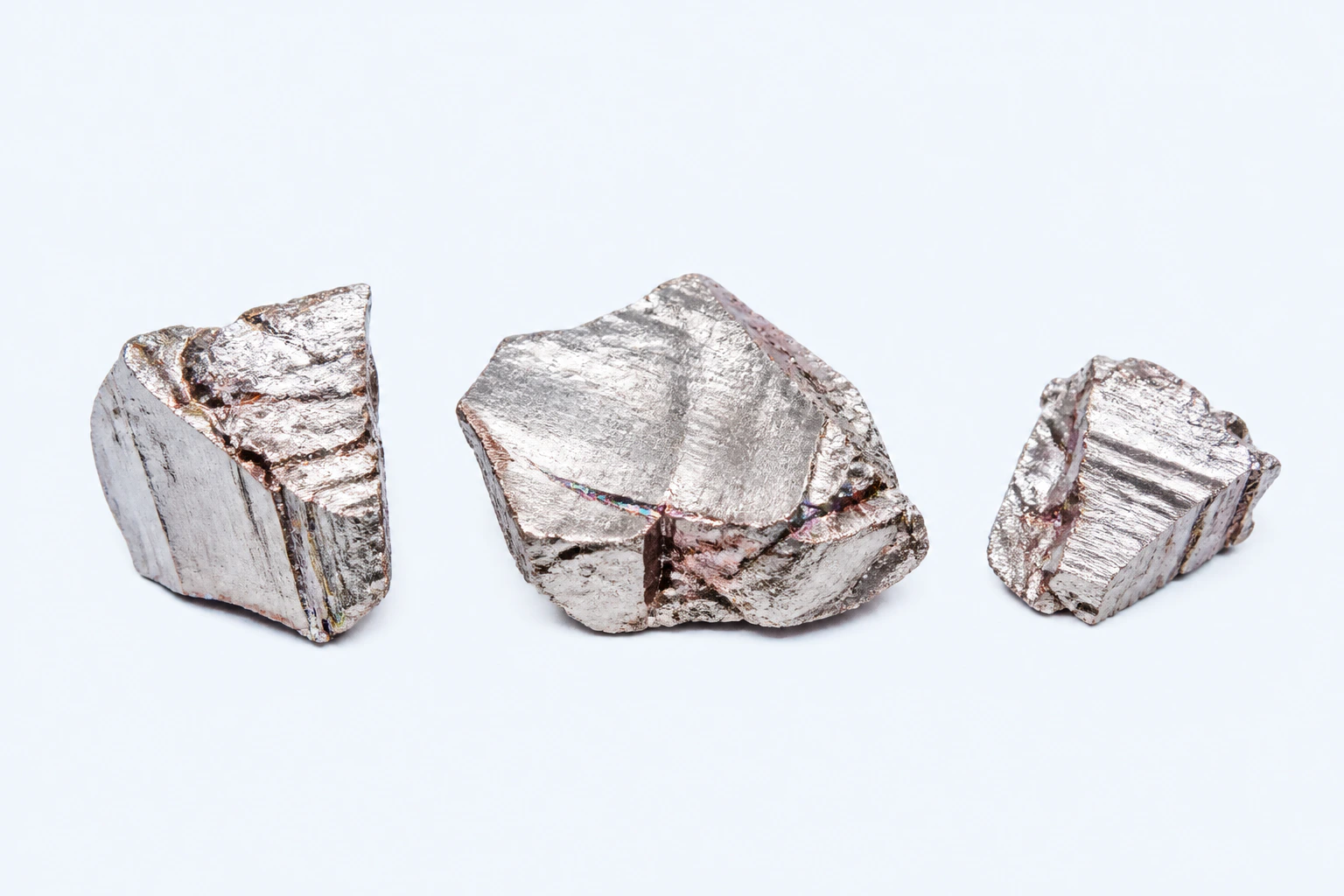
A heavy metal traditionally considered safe enough for over-the-counter gastrointestinal remedies (Pepto-Bismol, De-Nol), bismuth is re-emerging as a potent antimicrobial synergist. Its key property: Bi3+ competes with Fe3+ for binding sites on siderophores and bacteria…
Ethylenediaminetetraacetic acid (EDTA) is a synthetic aminopolycarboxylic acid widely used as a chelation agent for heavy metal poisoning, particularly lead. In the microbiome context, EDTA is significant for two reasons: its therapeutic use in metal detoxification and …
The fifth most common cancer worldwide and third leading cause of cancer death, with over 1 million new cases annually. Gastric cancer stands unique in this wiki as the disease where a single microorganism -- helicobacter pylori -- provides the dominant causal pathway, …
The labile metal pool (LMP) is the fraction of intracellular metal that is bioavailable -- loosely coordinated with small molecules, transiently protein-bound, or truly "free" in solution. This pool is vanishingly small (often <1 free atom per cell for zinc and copper) …
Microbial metallomics is the study of how metals and microorganisms interact at the systems level — how metal availability shapes microbial communities, how microbes acquire and weaponize metals for virulence, and how this bidirectional metal-microbe interface drives di…
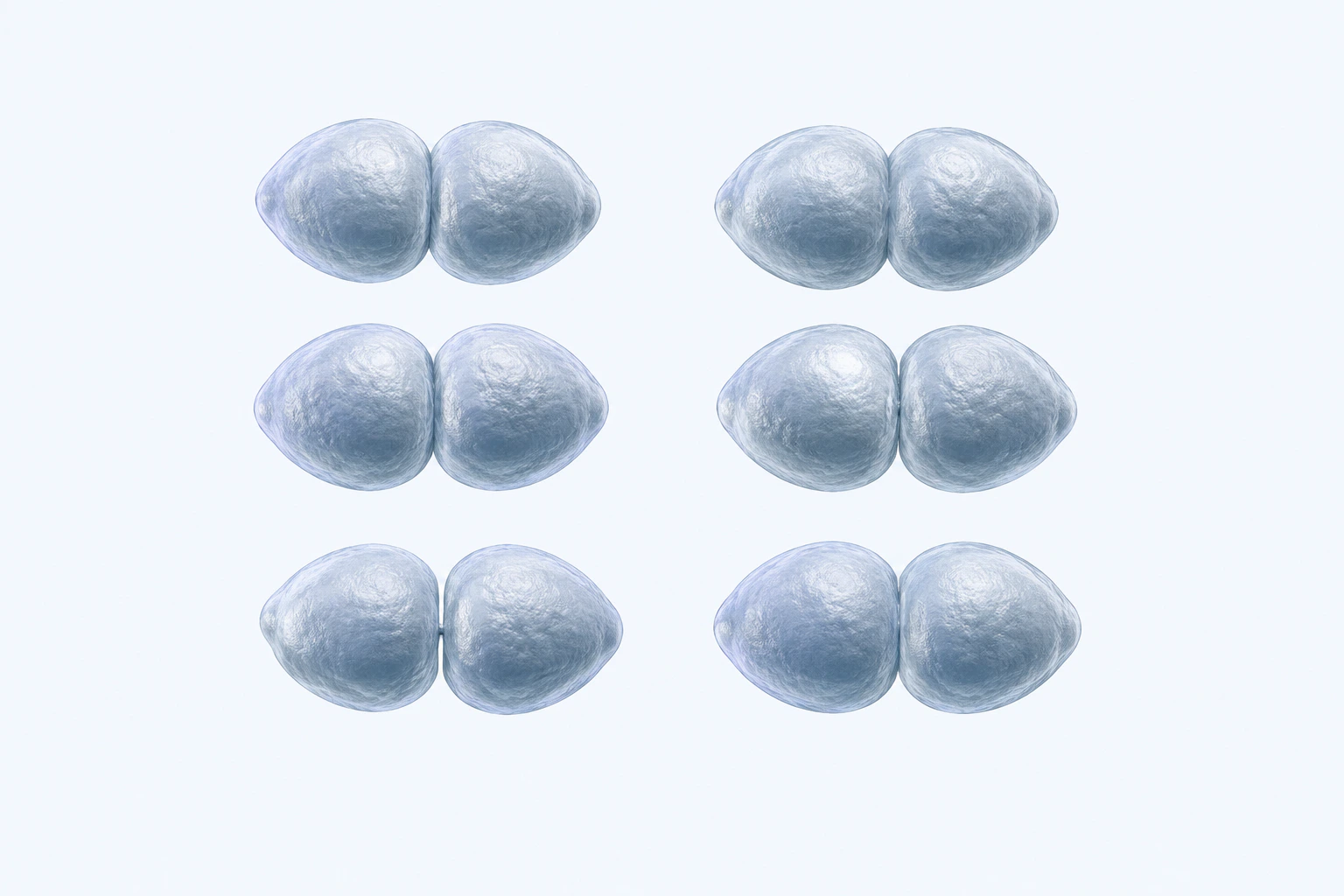
A Gram-positive pathogen (the "pneumococcus") that depends on iron, manganese, and zinc for virulence and has evolved dedicated transport systems for each. Iron is required for viability itself, manganese powers the superoxide dismutase needed to survive the oxidative b…
Superoxide dismutases are metalloenzymes that catalyze the dismutation of superoxide radical (O2-) into hydrogen peroxide (H2O2) and molecular oxygen -- the first line of defense against oxidative damage in all aerobic organisms. What makes SOD uniquely important in mic…