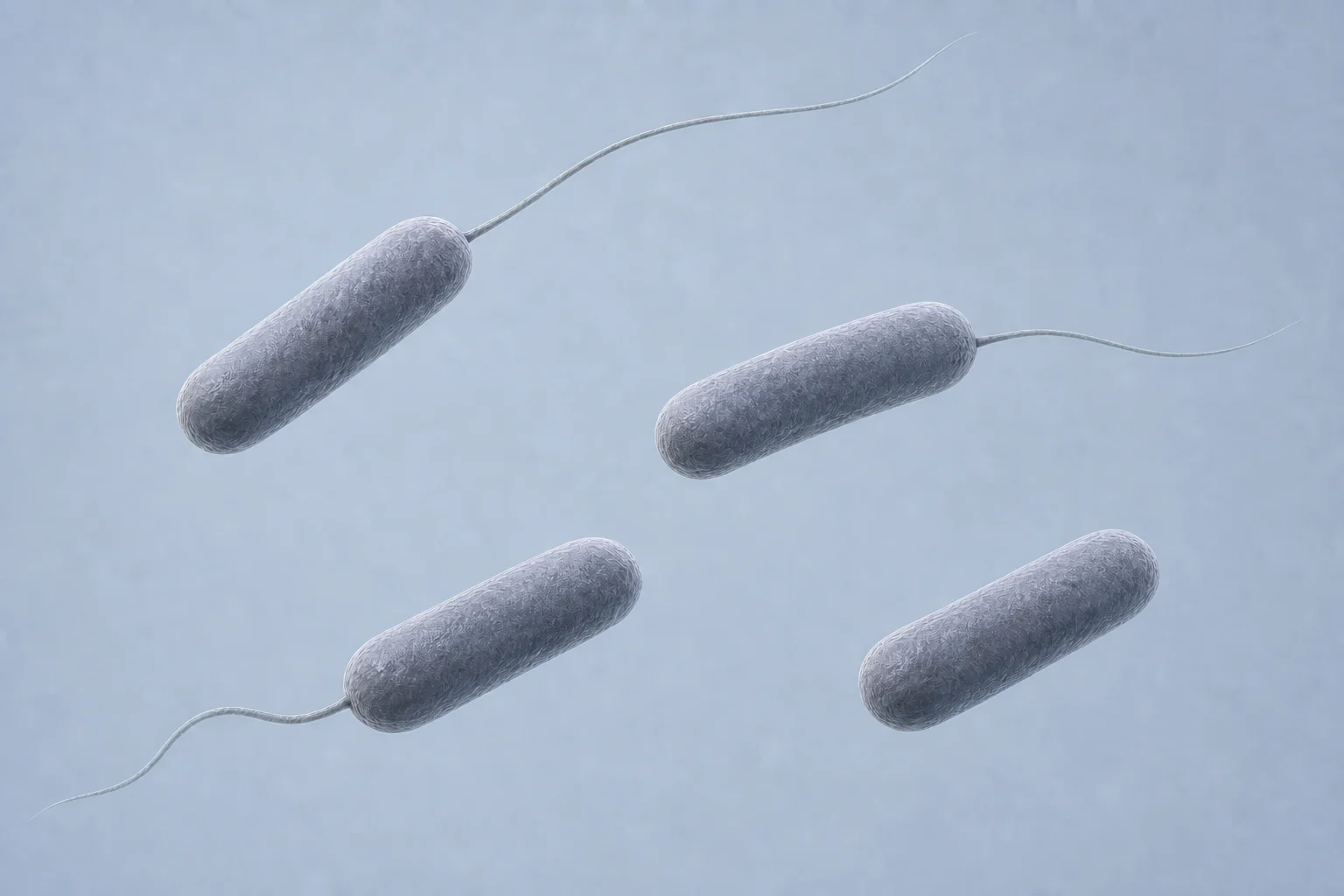
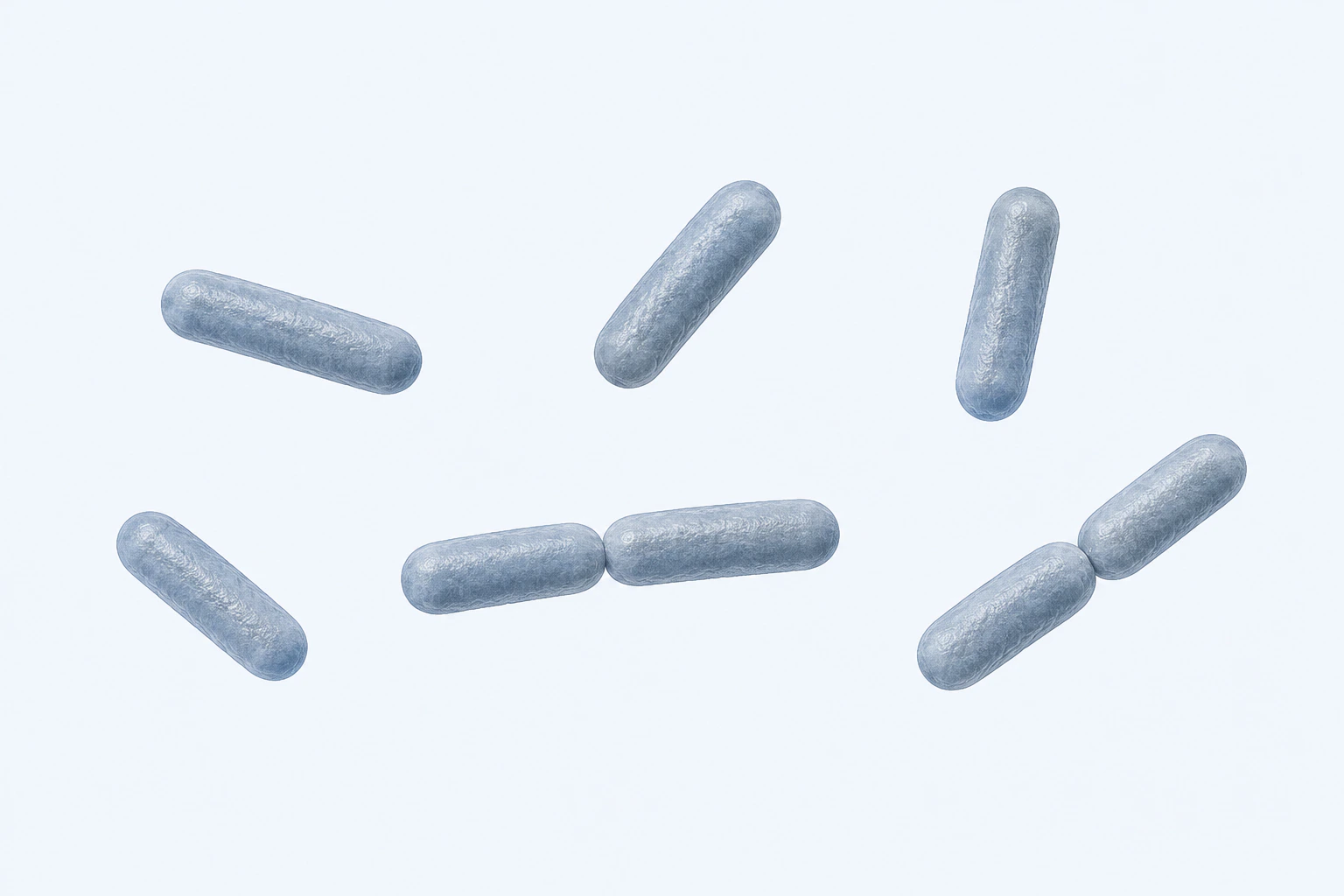
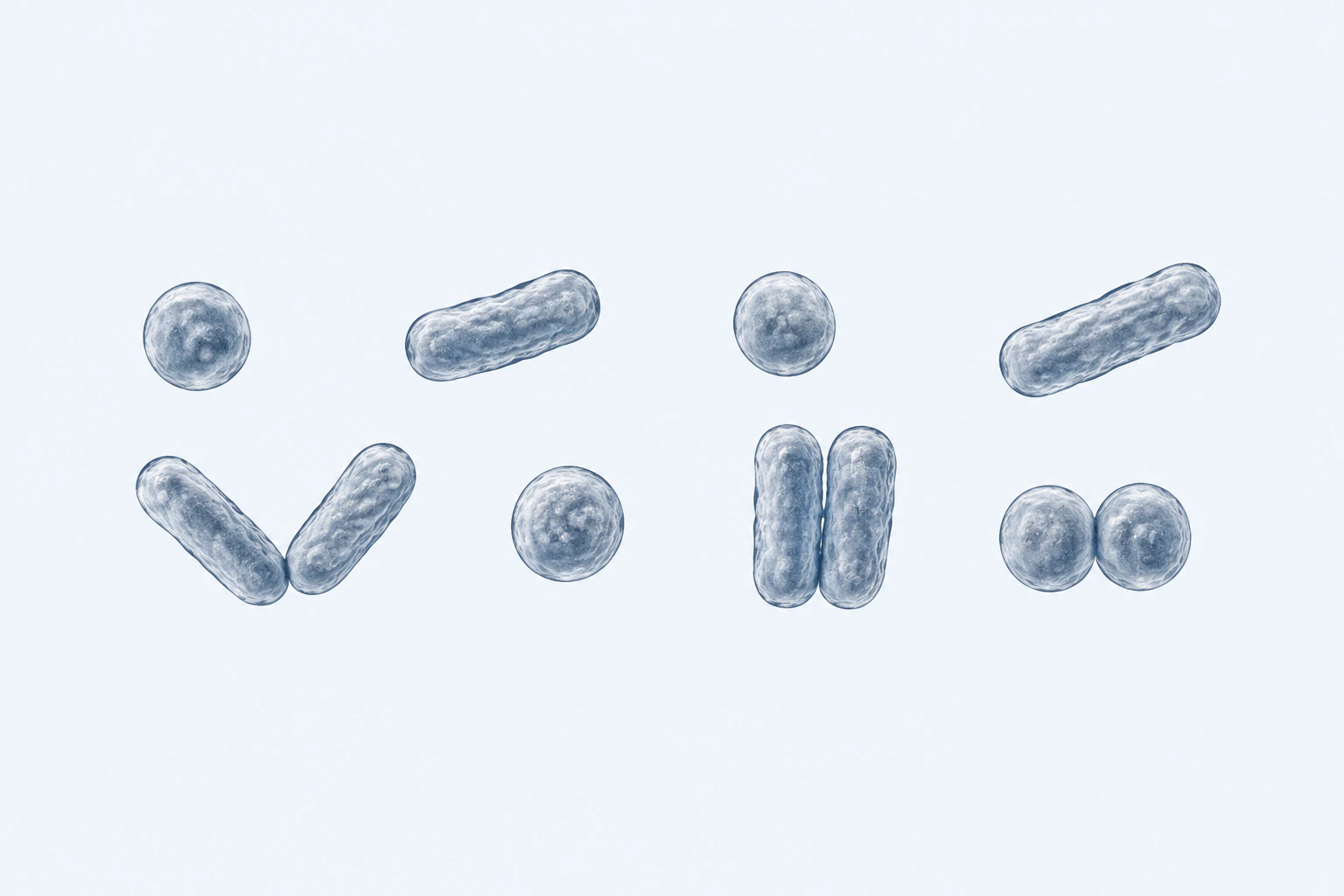
Aeromonas is a genus of Gram-negative, facultatively anaerobic bacteria found in aquatic environments and, increasingly recognized as an opportunistic gut pathogen. Several species — particularly Aeromonas hydrophila, A. veronii, and A. caviae — are associated with gast…
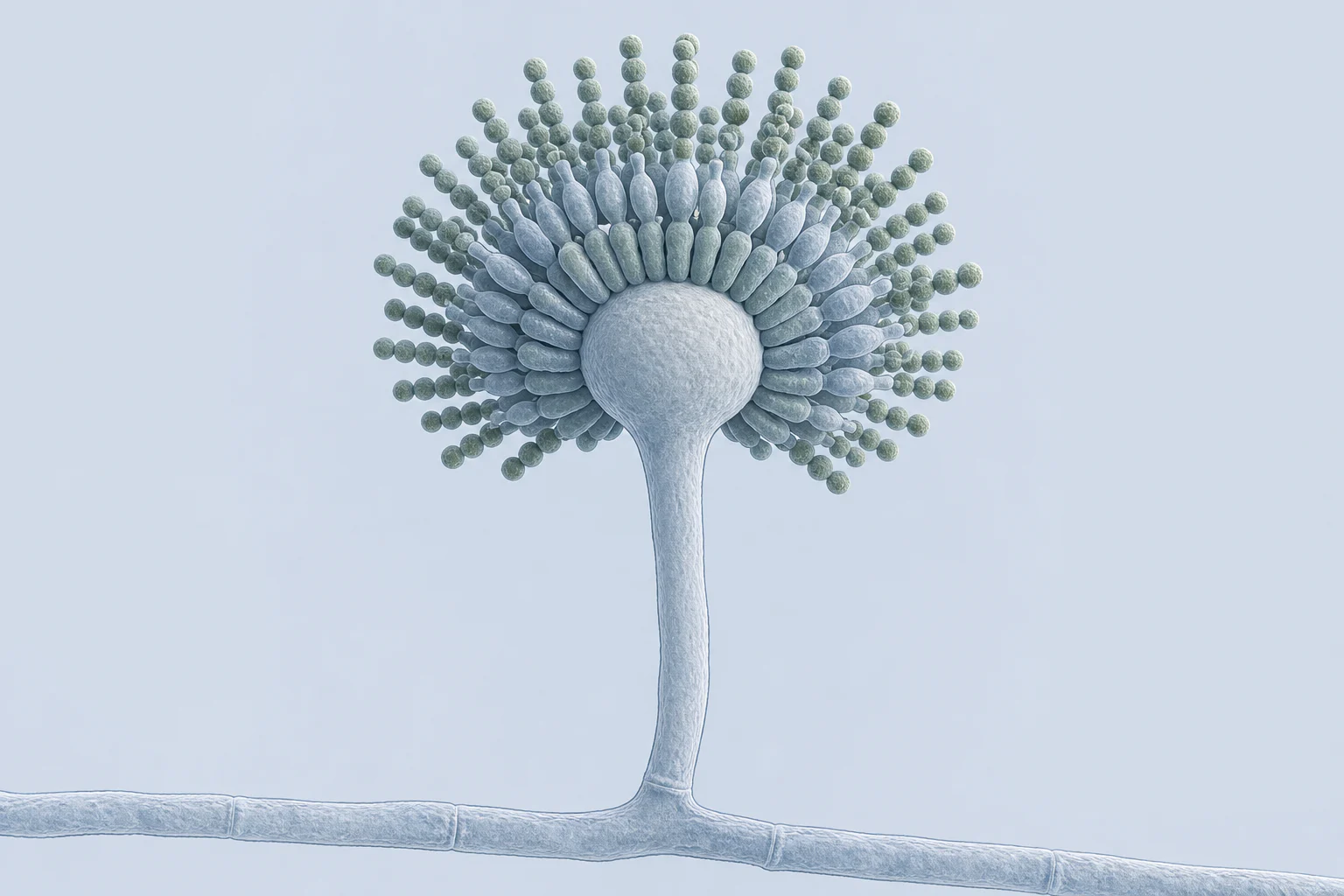
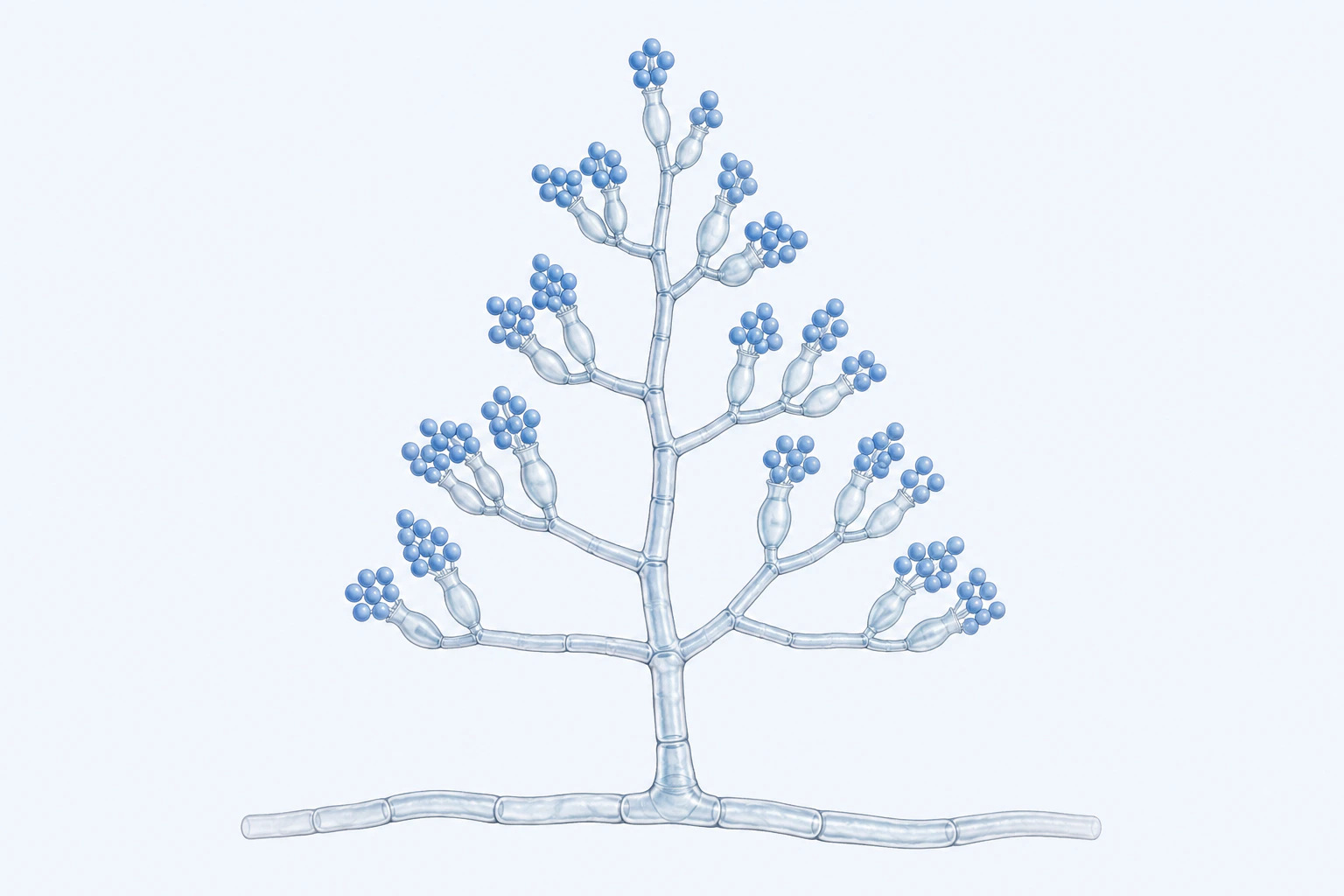
A ubiquitous filamentous fungal genus that is both an environmental saprophyte and an opportunistic human pathogen. A. fumigatus is the primary cause of invasive aspergillosis in immunocompromised patients, while A. niger is relevant to food contamination. The genus is …
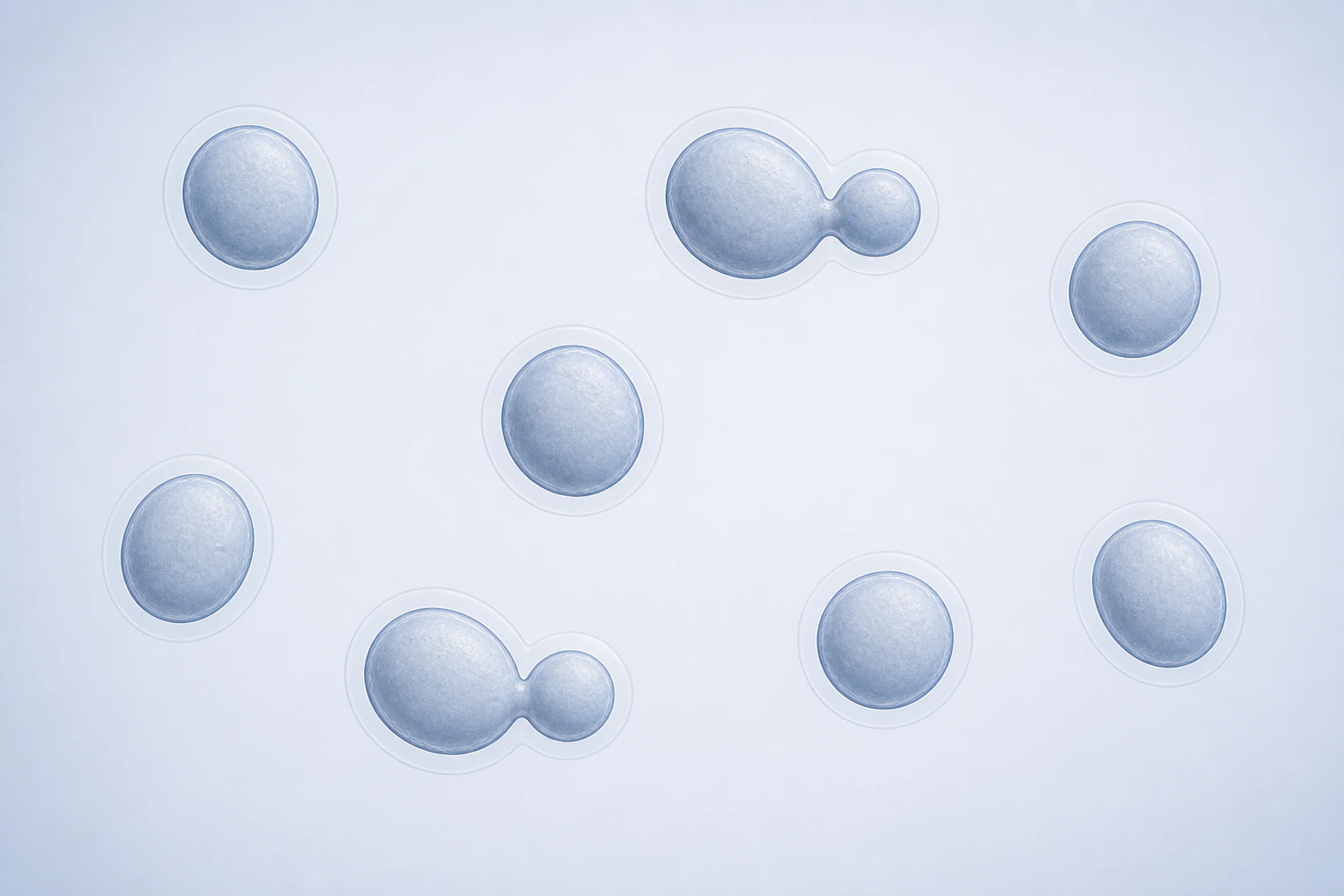
An opportunistic fungal pathogen whose relationship with metals is multifaceted: C. albicans can biosorb heavy metals from its environment, heavy metal exposure promotes its virulence in immunocompromised hosts, and metal nanoparticles are being developed as antifungal …
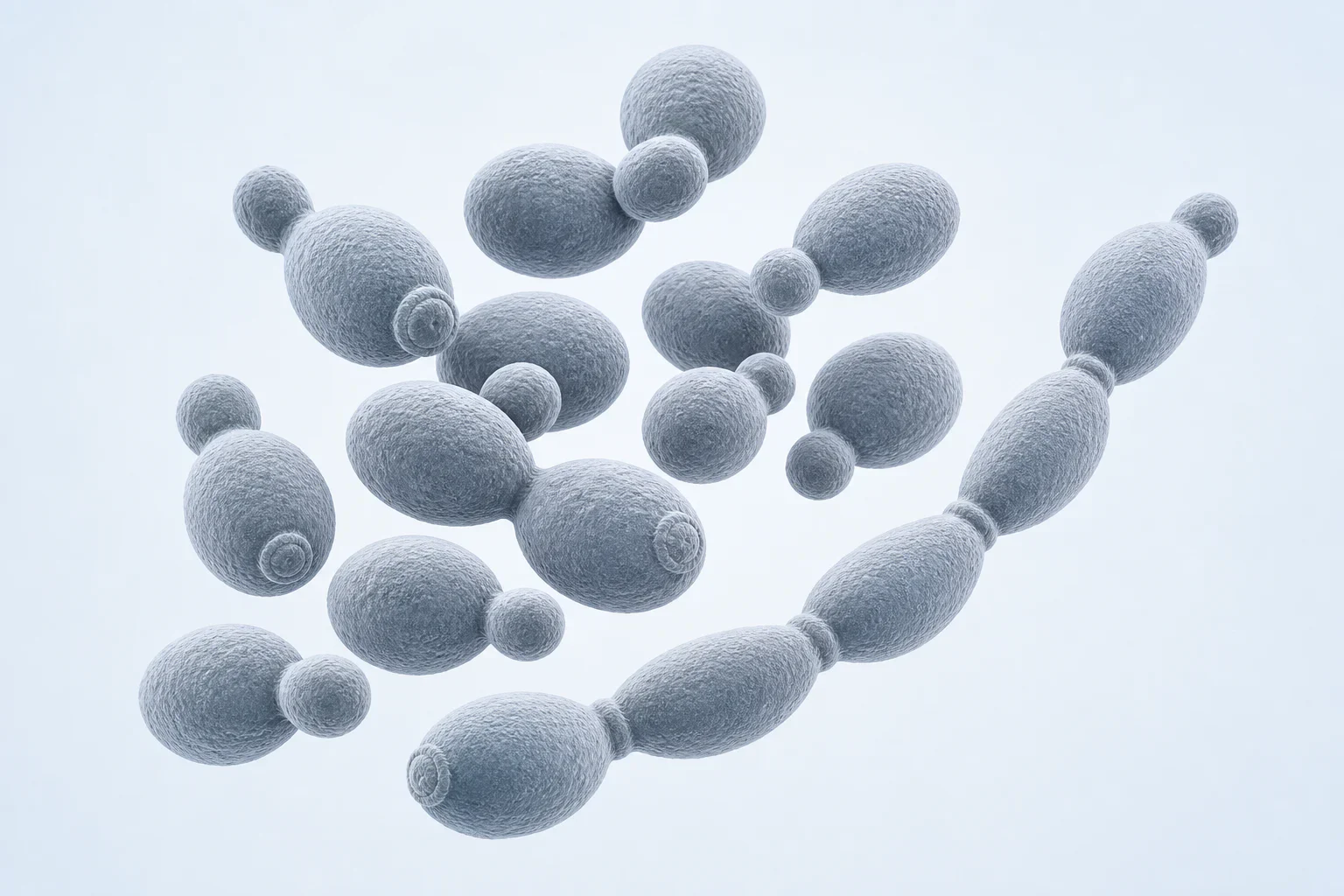
Candida tropicalis is an opportunistic fungal pathogen and occasional gut commensal, increasingly recognized as one of the most clinically significant non-albicans Candida (NAC) species. Once considered a distant runner-up to C. albicans, it has emerged as a major drive…
An encapsulated basidiomycete yeast that causes cryptococcal meningitis -- the leading cause of meningitis in HIV/AIDS patients and responsible for an estimated 180,000 deaths annually. Its nickel-dependent urease has been called the organism's "Achilles' heel" because …
Morganella morganii is a Gram-negative, facultatively anaerobic rod belonging to the family Morganellaceae (formerly classified within Enterobacteriaceae). It inhabits the human gastrointestinal tract as a low-abundance commensal but becomes an opportunistic pathogen in…
Postbiotics are defined by ISAPP (2021) as "preparations of inanimate microorganisms and/or their components that confer a health benefit on the host." They include heat-killed bacteria, cell-free supernatants, bacterial lysates, and purified microbial metabolites (SCFA…
Rothia is a genus of Gram-positive, facultatively anaerobic bacteria in the family Micrococcaceae (phylum Actinobacteria). The most commonly identified species in microbiome studies are Rothia dentocariosa and Rothia mucilaginosa, both of which are primary inhabitants o…
Trichoderma is a genus of filamentous ascomycete fungi ubiquitous in soil and plant root ecosystems. Best known as a biological control agent against plant pathogens, Trichoderma species produce an arsenal of hydrolytic enzymes and antimicrobial compounds. Rarely, they …
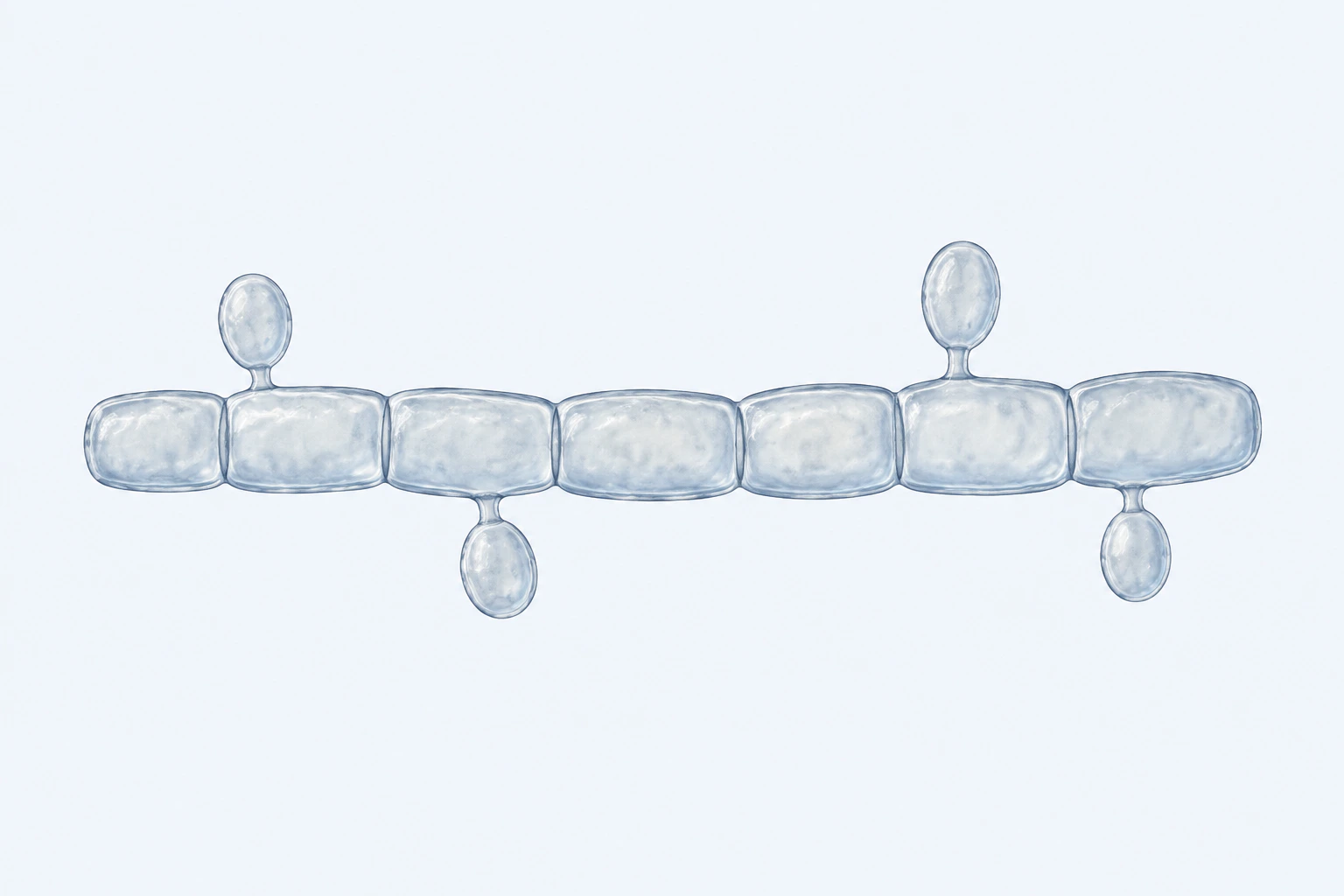
Trichosporon asahii is a basidiomycetous yeast found in soil, water, and on human skin. It is the primary cause of invasive trichosporonosis in immunocompromised patients, particularly those with neutropenia or hematologic malignancies. It is inherently resistant to ech…