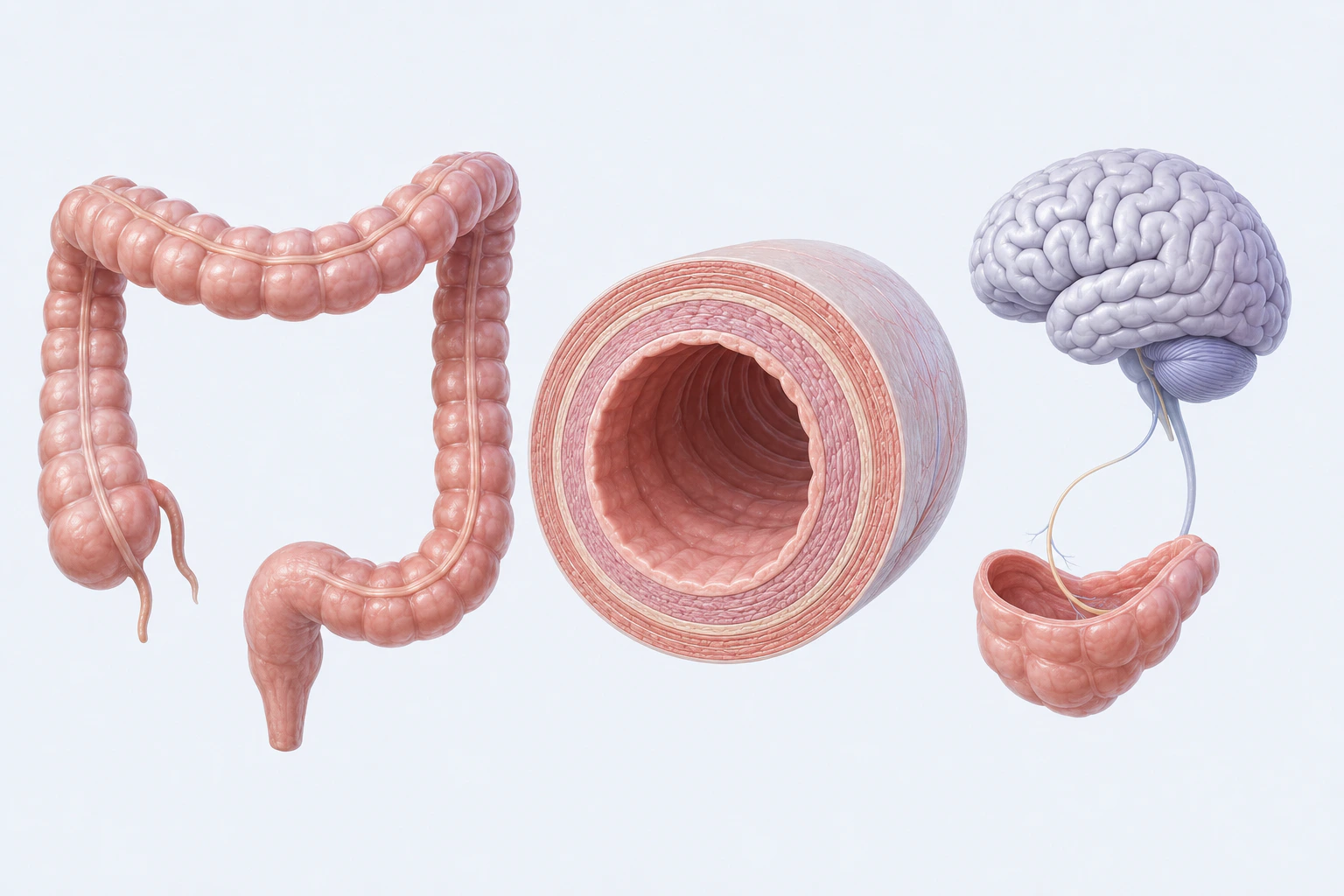
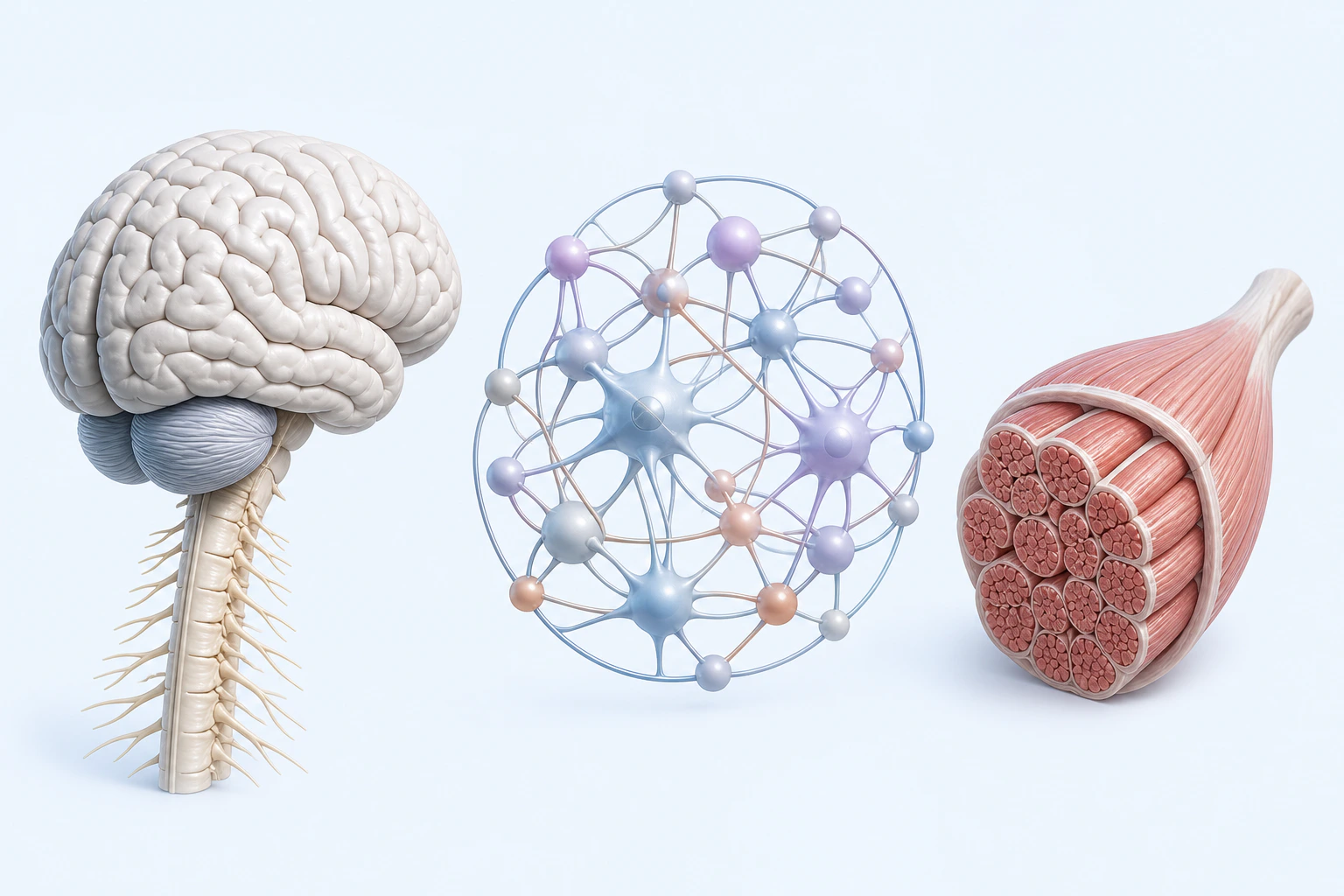
A functional gastrointestinal disorder affecting 10-15% of the global population, characterized by chronic abdominal pain, bloating, and altered bowel habits (diarrhea-predominant, constipation-predominant, or mixed) without identifiable structural pathology. From a met…
Anxiety disorders are the most prevalent mental health conditions globally, affecting ~280 million people (~4.8% of the world population). They encompass generalized anxiety disorder (GAD), social anxiety, panic disorder, and phobias. In the WikiBiome context, anxiety f…
Endometriosis is a chronic estrogen-dependent inflammatory condition affecting approximately 10% of reproductive-age women, characterized by the growth of endometrial-like tissue outside the uterus colonetti 2023 gut vaginal microbiota endometriosis meta analysis. The c…
Fibromyalgia (FM) is a chronic pain syndrome affecting 2-4% of the global population Heidari et al. 2017, characterized by widespread musculoskeletal pain, fatigue, cognitive dysfunction ("fibro fog"), and sleep disturbances. Conventionally attributed to central sensiti…
Alphabetical definitions of specialist terms used throughout this wiki. Where a full concept page exists, the term links to it. --- AhR (aryl hydrocarbon receptor) -- A ligand-activated transcription factor that senses microbial metabolites (especially indoles from tryp…
Lactobacillus rhamnosus is a Gram-positive, facultatively anaerobic lactic acid bacterium and one of the most extensively studied probiotic species. The GG strain (ATCC 53103), isolated from a healthy human intestinal tract by Gorbach and Goldin in 1983, is the single m…
Research summary — not medical advice. This page synthesizes published research on a mechanism-level intervention. It is not a clinical recommendation. Consult a qualified healthcare provider before making any changes to diet, supplementation, or treatment.
The only archaeon represented in this wiki -- Methanobrevibacter smithii is the dominant methane-producing microorganism in the human gut, belonging to the domain Archaea rather than Bacteria. As a hydrogenotrophic methanogen, it converts H2 + CO2 into methane (CH4), pl…
Methanobrevibacter smithii is the dominant methanogenic archaeon in the human gut, responsible for consuming hydrogen gas produced by fermentative bacteria and converting it to methane. Despite being an archaeon rather than a bacterium, it represents 0–15% of gut microb…
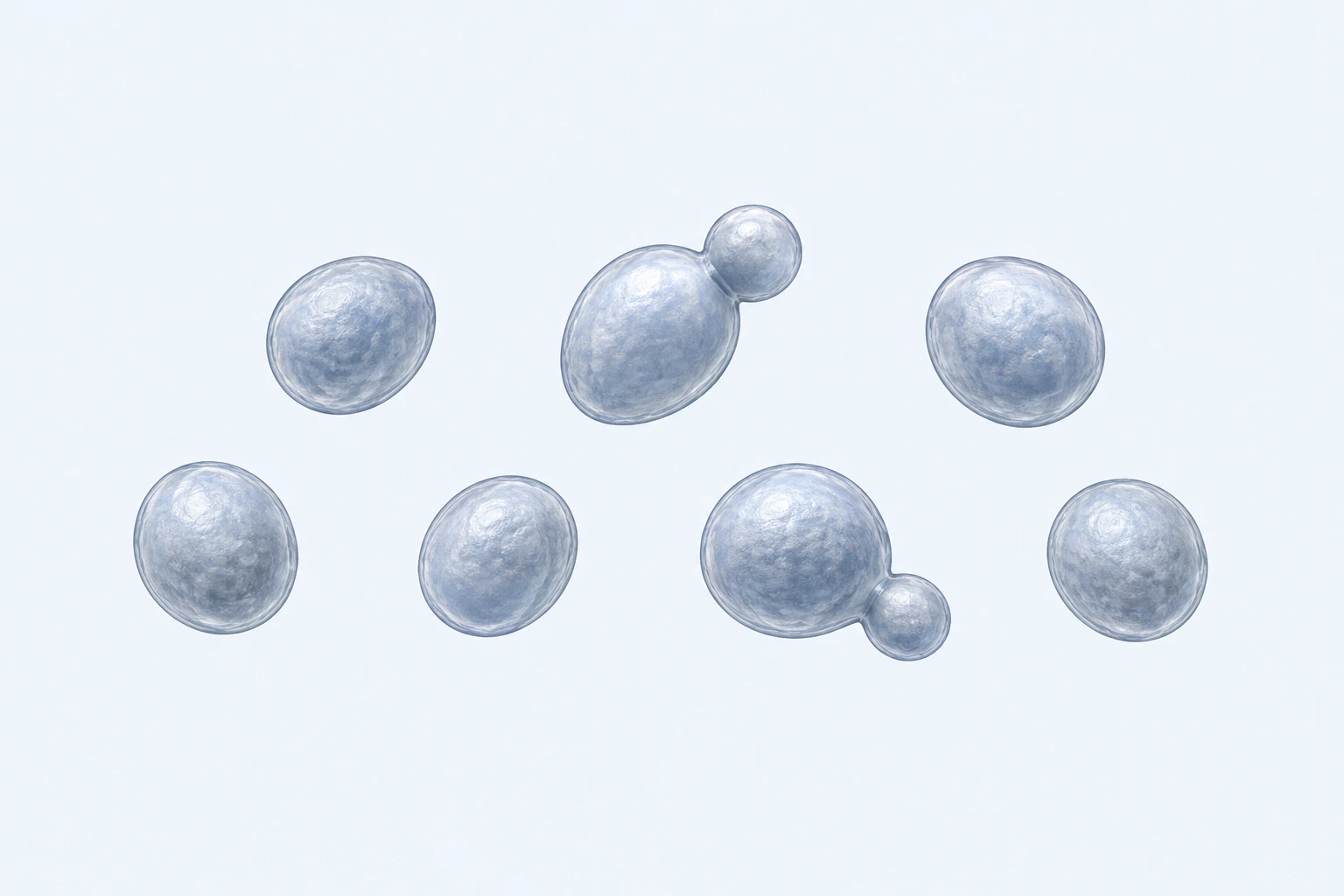
Saccharomyces cerevisiae is a unicellular budding fungus (ascomycete) ubiquitous in fermentation, brewing, bread-making, and increasingly used as a pharmaceutical probiotic (Hatoum et al. 2012). The strain S. boulardii (also called S. cerevisiae var. boulardii) is the m…