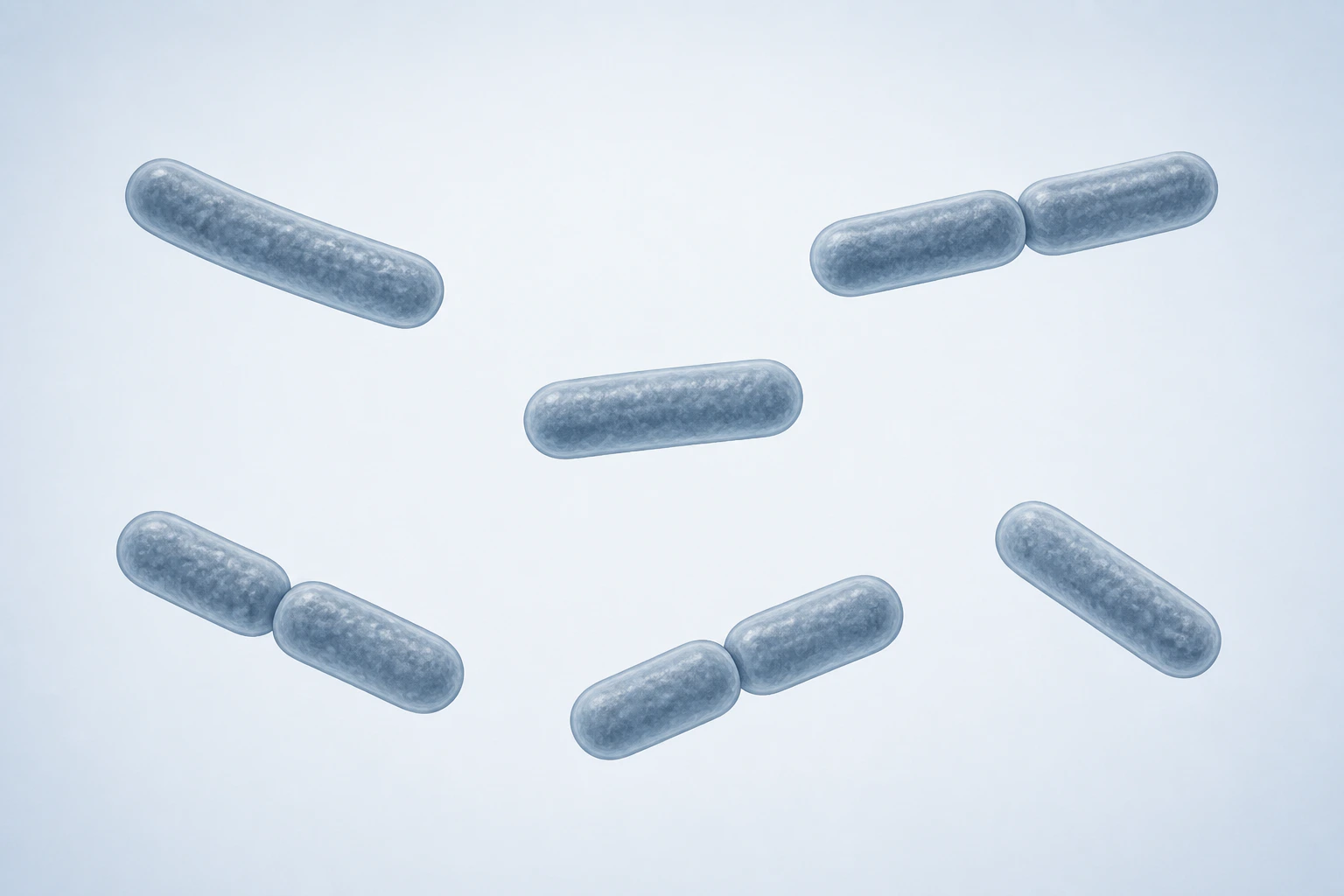
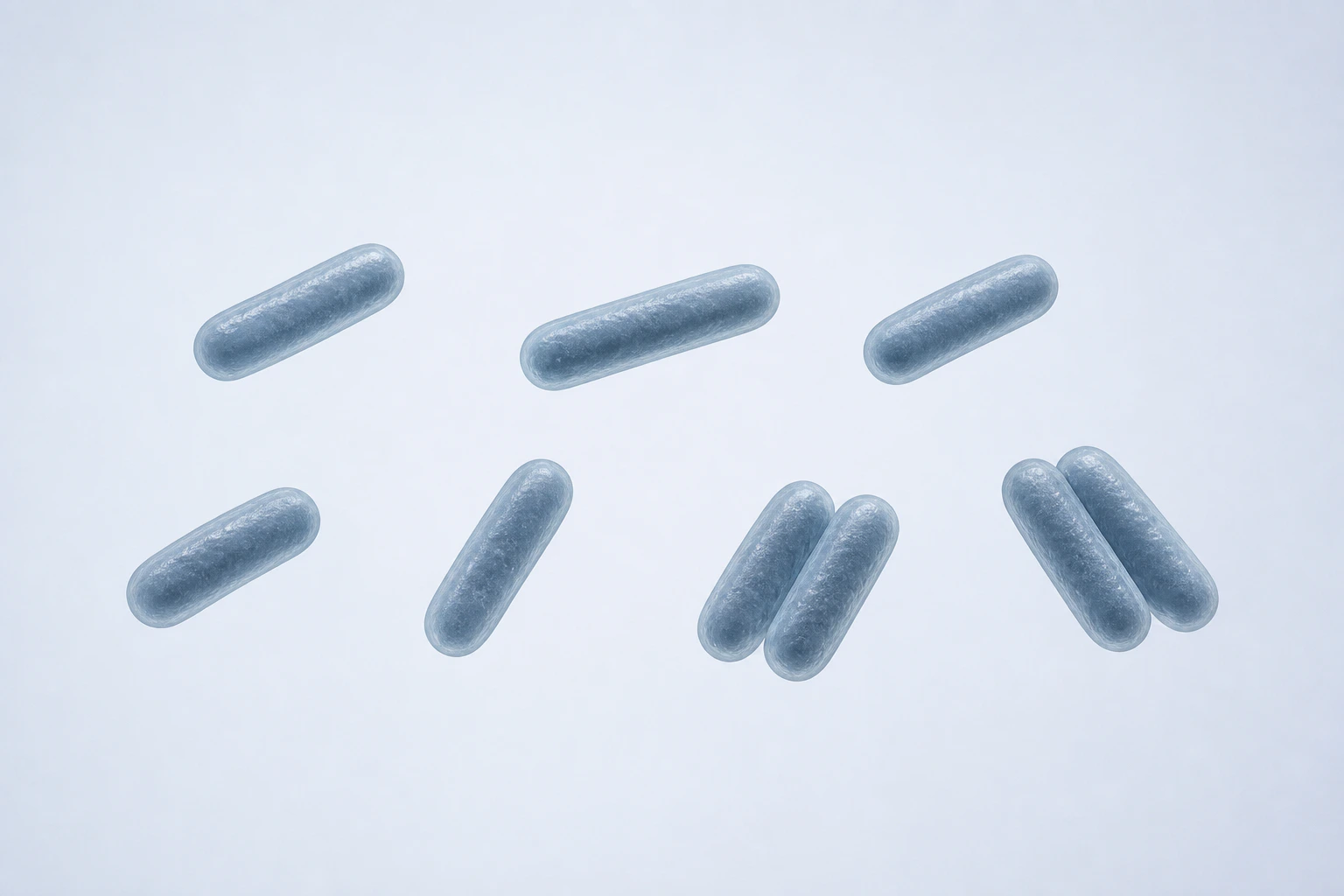
Faecalibacterium is a genus of obligate anaerobic, Gram-positive bacteria in the family Ruminococcaceae (phylum Firmicutes). It is the most abundant genus in the healthy human colon (5–15% of fecal bacteria) and its depletion is the single most reproducible microbiome f…
The most abundant bacterium in the healthy human colon (5-15% of total fecal microbiota), F. prausnitzii is the premier butyrate producer in the gut and a cornerstone of anti-inflammatory intestinal homeostasis. Its depletion is one of the most consistent microbiome sig…
Research summary — not medical advice. This page synthesizes published research on a mechanism-level intervention. It is not a clinical recommendation. Consult a qualified healthcare provider before making any changes to diet, supplementation, or treatment.
Arsenic is a metalloid and potent carcinogen (IARC Group 1) that ranks among the most widespread environmental toxicants affecting human health. An estimated 225 million people worldwide are chronically exposed through contaminated drinking water alone ghosh 2023 heavy …
Butyrate is a four-carbon short-chain fatty acid produced when anaerobic gut microorganisms ferment dietary substrates. In the colon, it participates in epithelial energy metabolism, barrier maintenance, immune signaling, and gene regulation. Its effects depend on conce…
A genus of Gram-positive, obligate anaerobic bacteria within the Firmicutes phylum that includes several of the most important butyrate producers in the human colon. Key species are E. rectale, E. hallii (now reclassified as Anaerobutyricum hallii), and E. limosum. Cons…
Fibromyalgia (FM) is a chronic pain syndrome affecting 2-4% of the global population Heidari et al. 2017, characterized by widespread musculoskeletal pain, fatigue, cognitive dysfunction ("fibro fog"), and sleep disturbances. Conventionally attributed to central sensiti…
Research summary — not medical advice. This page synthesizes published research on a mechanism-level intervention. It is not a clinical recommendation. Consult a qualified healthcare provider before making any changes to diet, supplementation, or treatment.
An umbrella term for chronic relapsing-remitting inflammatory conditions of the gastrointestinal tract, principally crohns disease (CD; transmural, any GI segment) and ulcerative colitis (UC; mucosal, colon only). Approximately 6 million patients worldwide. IBD represen…
A Gram-positive, obligate anaerobic genus within the Firmicutes phylum (family Oscillospiraceae or Ruminococcaceae depending on classification) that possesses a unique metabolic capability: butyrate production from lysine fermentation rather than from dietary fiber. Thi…
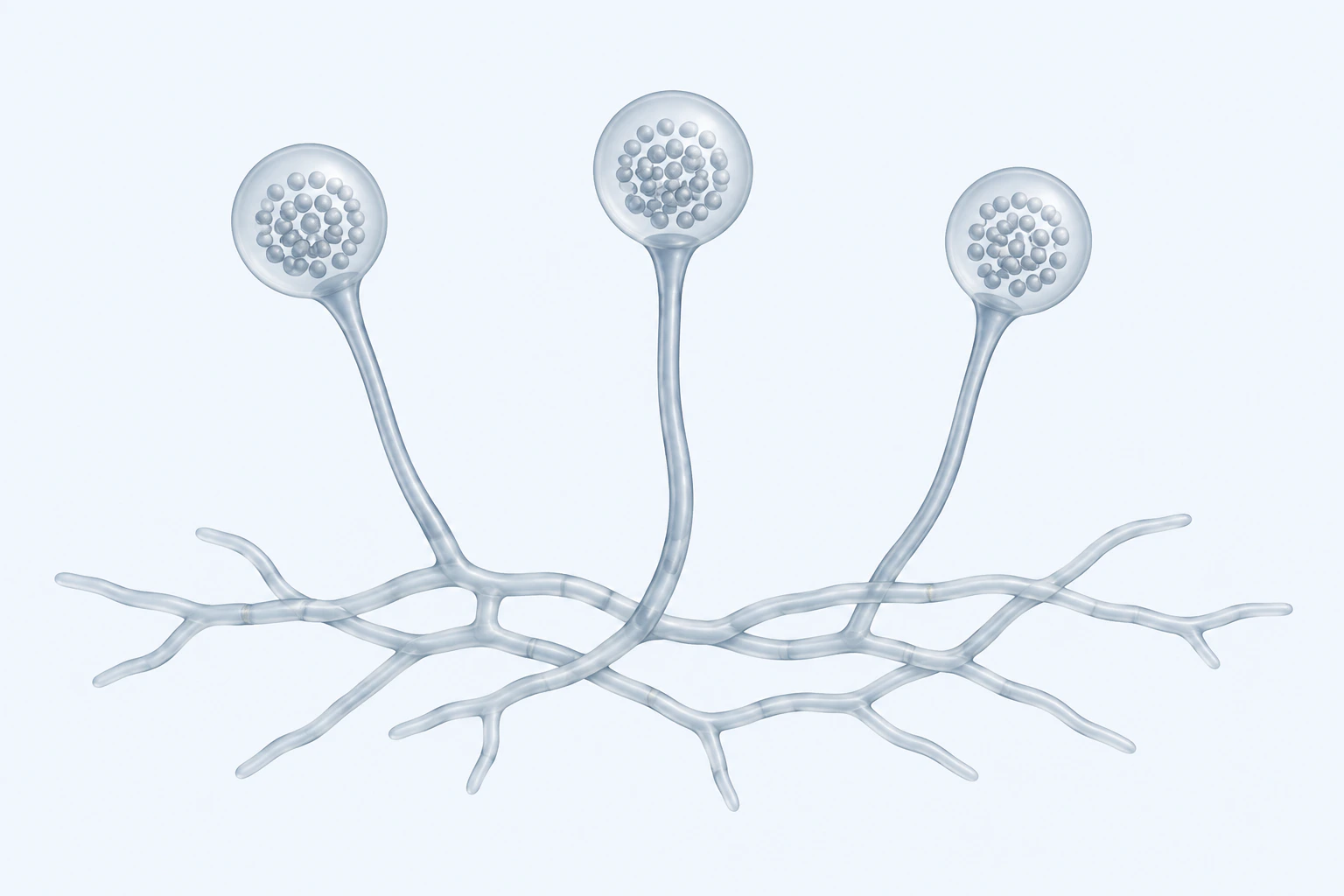
Mortierella is a genus of soil-dwelling fungi in the phylum Mortierellomycota (formerly placed in Zygomycota). While primarily known as environmental saprotrophs, Mortierella species have recently been identified as residents of the human gut mycobiome -- the fungal com…
Postpartum depression (PPD) affects 10-20% of women after delivery, with profound consequences for maternal health, infant bonding, and child neurodevelopment chao 2025 microbiota gut brain perinatal depression. The standard framing centers on hormonal withdrawal (estro…
Ruminococcaceae is a family of obligate anaerobic, Gram-positive bacteria in the order Clostridiales (phylum Firmicutes) that represents one of the most important butyrate-producing and fiber-degrading families in the human gut. Key genera include faecalibacterium (incl…