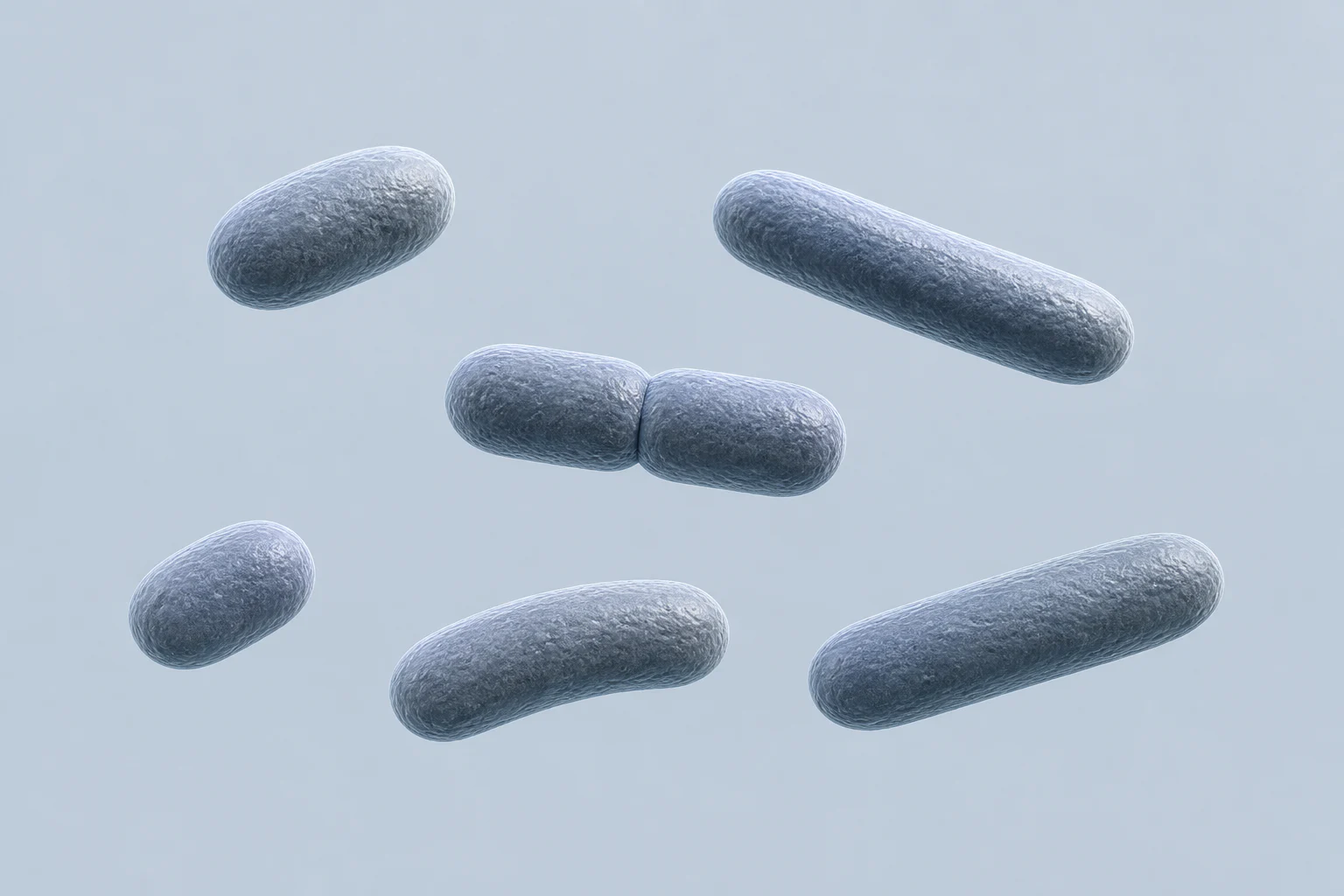
Adlercreutzia is a genus of Gram-positive, strictly anaerobic gut bacteria within the phylum Actinobacteria, named after Finnish researcher Herman Adlercreutz who pioneered phytoestrogen research. The genus is best known for producing equol, a potent bioactive metabolit…
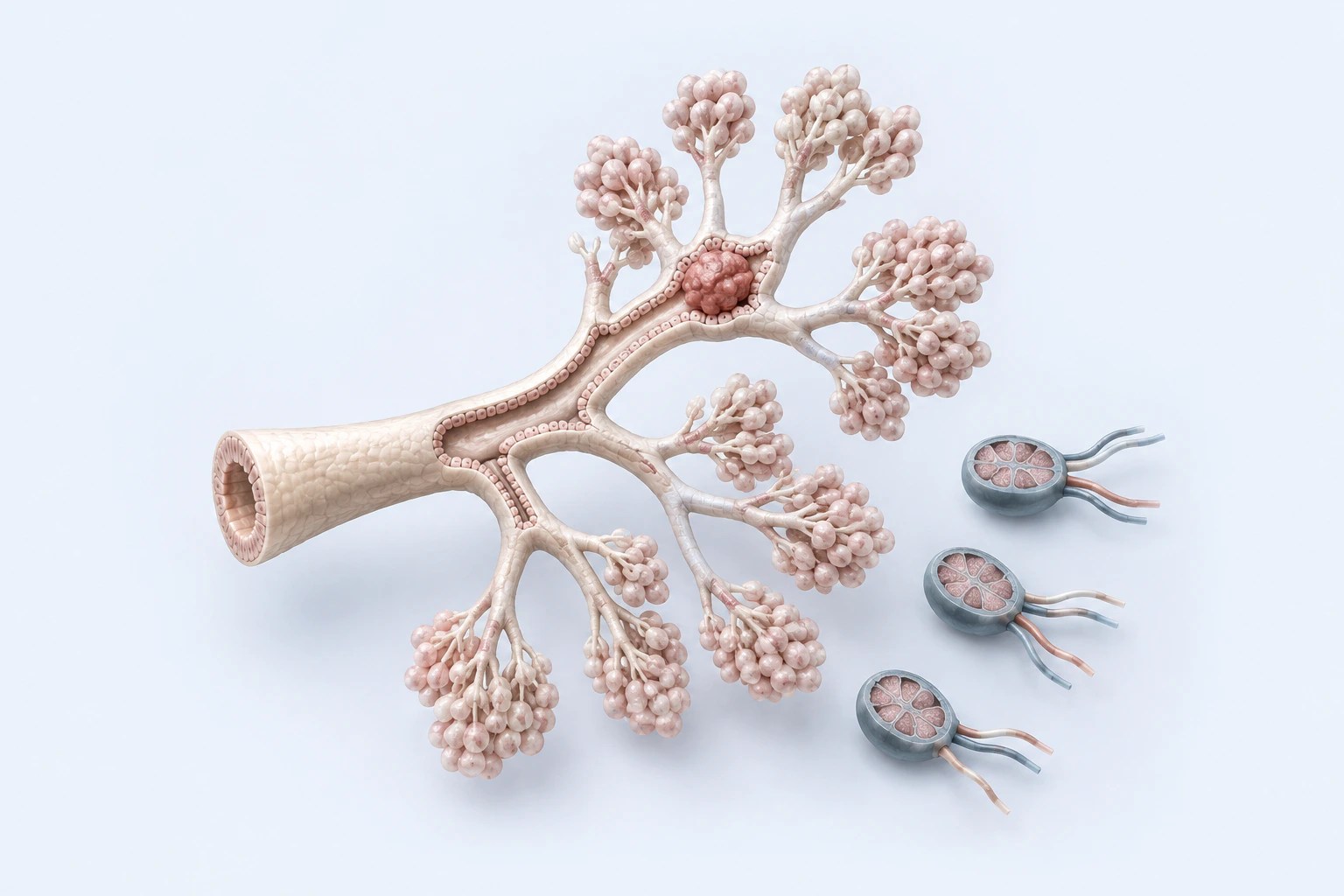
Breast cancer is the most common cancer in women worldwide, with approximately 2.3 million new cases annually. While genetic, hormonal, and lifestyle factors are well-established risk determinants, the metallomic dimension reveals a consistent pattern of trace element d…
Research summary — not medical advice. This page synthesizes published research on a mechanism-level intervention. It is not a clinical recommendation. Consult a qualified healthcare provider before making any changes to diet, supplementation, or treatment.
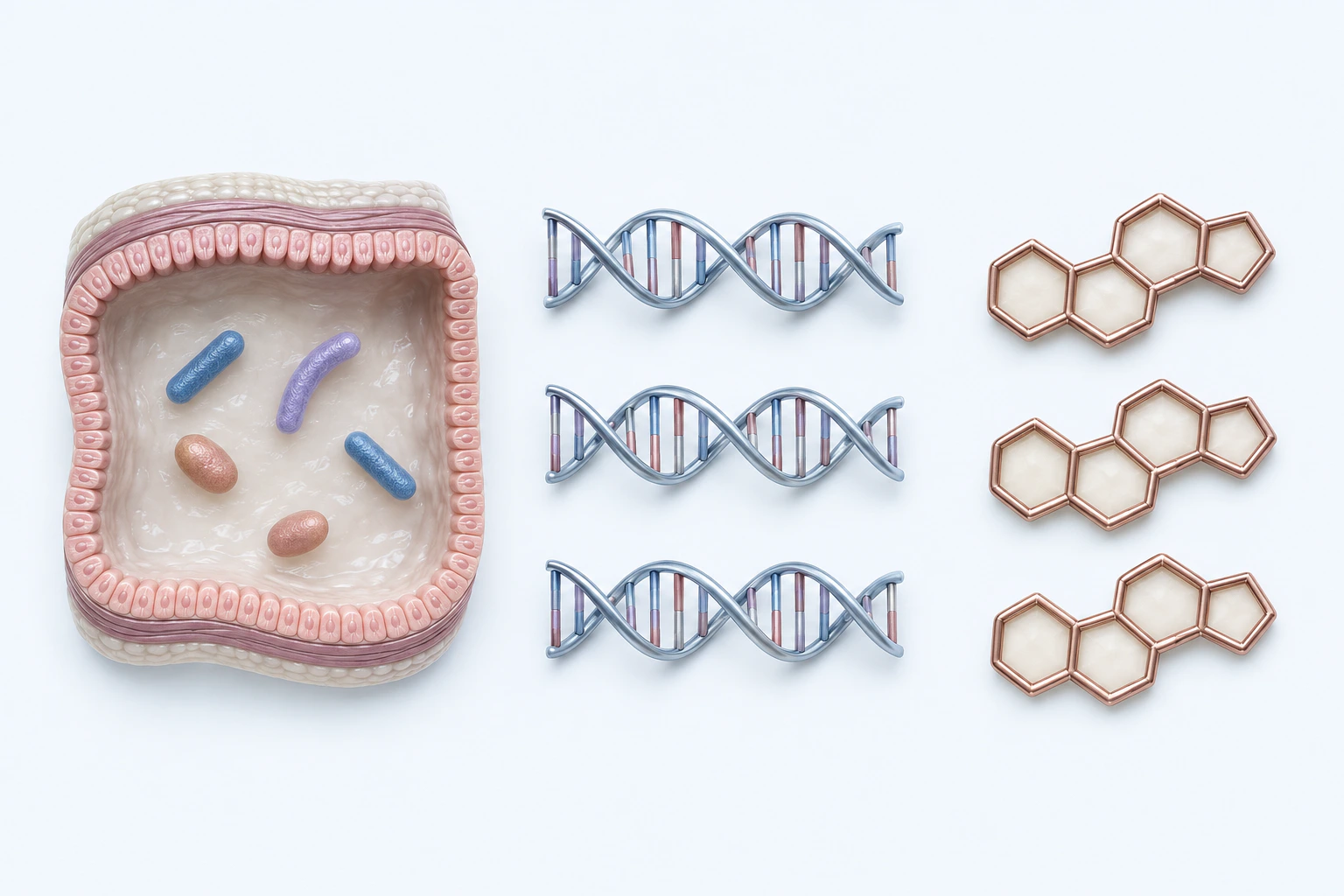
The estrobolome is the aggregate of enteric bacterial genes whose products are capable of metabolizing estrogens. First proposed by Plottel and Blaser (2011), the concept describes how the gut microbiome acts as an endocrine organ, modulating circulating estrogen levels…
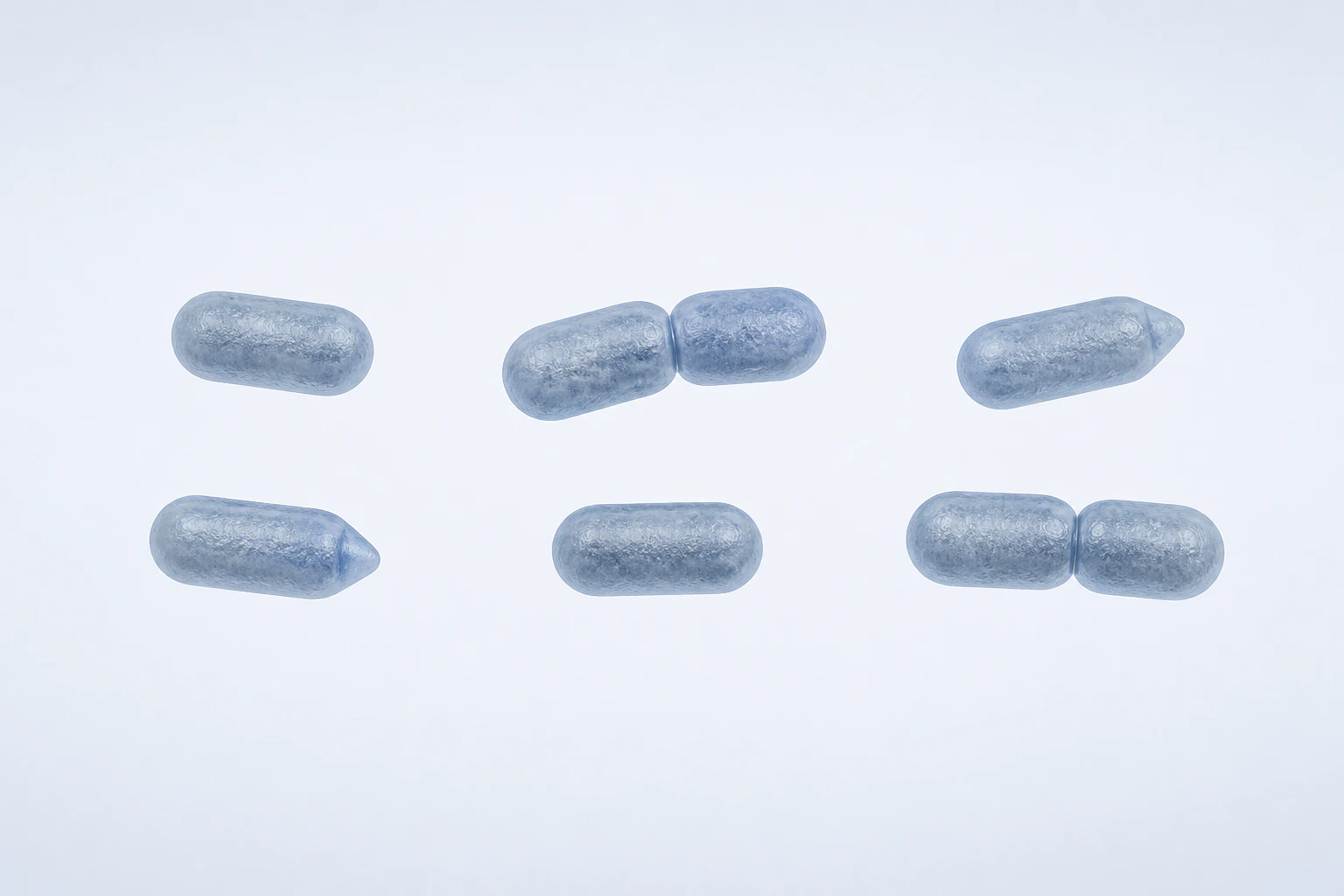
Gordonibacter is a genus of Gram-positive, strictly anaerobic gut bacteria within the phylum Actinobacteria. It is recognized as a key participant in polyphenol metabolism, producing bioactive metabolites including equol (from dietary isoflavones) and urolithins (from e…
Research summary — not medical advice. This page synthesizes published research on a mechanism-level intervention. It is not a clinical recommendation. Consult a qualified healthcare provider before making any changes to diet, supplementation, or treatment.
A metal ion that activates estrogen receptors and mimics the biological effects of estradiol. Metalloestrogens represent a distinct class of endocrine-disrupting compounds where the active agent is an inorganic metal rather than an organic xenoestrogen like BPA or phtha…
Metalloestrogens are metal ions that activate estrogen receptors and mimic the biological effects of estradiol, the primary endogenous estrogen. They represent a category of endocrine-disrupting compounds where the active agent is an inorganic metal rather than an organ…