Alphabetical definitions of specialist terms used throughout this wiki. Where a full concept page exists, the term links to it. --- AhR (aryl hydrocarbon receptor) -- A ligand-activated transcription factor that senses microbial metabolites (especially indoles from tryp…
Microbial communities do not acquire and use metals in isolation. Within biofilms, polymicrobial infections, and the gut microbiome, microbes engage in complex cooperative and competitive relationships mediated by metals -- sharing metallophores, concentrating metals in…
An iron-binding glycoprotein of the transferrin family that sequesters iron (and potentially other metals) from pathogens at mucosal surfaces and sites of inflammation. Lactoferrin is a key effector of nutritional immunity, complementing calprotectin's role in metal res…
The Mediterranean diet is associated with a 47% reduction in GERD odds (OR=0.53) at the highest adherence level. Multiple complementary mechanisms contribute to symptom relief beyond simple acid suppression.
Pathogens deploy dedicated cellular machinery to import, store, regulate, and when necessary export transition metals. These systems complement the extracellular siderophores metallophores that scavenge metals from the host environment by providing the membrane transpor…
A Gram-positive, obligate anaerobic bacterium within the Firmicutes phylum (family Peptostreptococcaceae) that has emerged as a consistently enriched organism in the colorectal cancer tumor microenvironment. While fusobacterium nucleatum receives the most attention as a…
Structured RNA elements in the 5' untranslated region (UTR) of bacterial mRNAs that directly sense small molecules -- including metal ions -- and regulate gene expression without any protein intermediary. Where metalloregulators are the protein-based metal sensors, ribo…
A severe neuropsychiatric disorder affecting approximately 1% of the global population, characterized by positive symptoms (hallucinations, delusions), negative symptoms (anhedonia, social withdrawal, flat affect), and cognitive deficits. Life expectancy is reduced by 1…
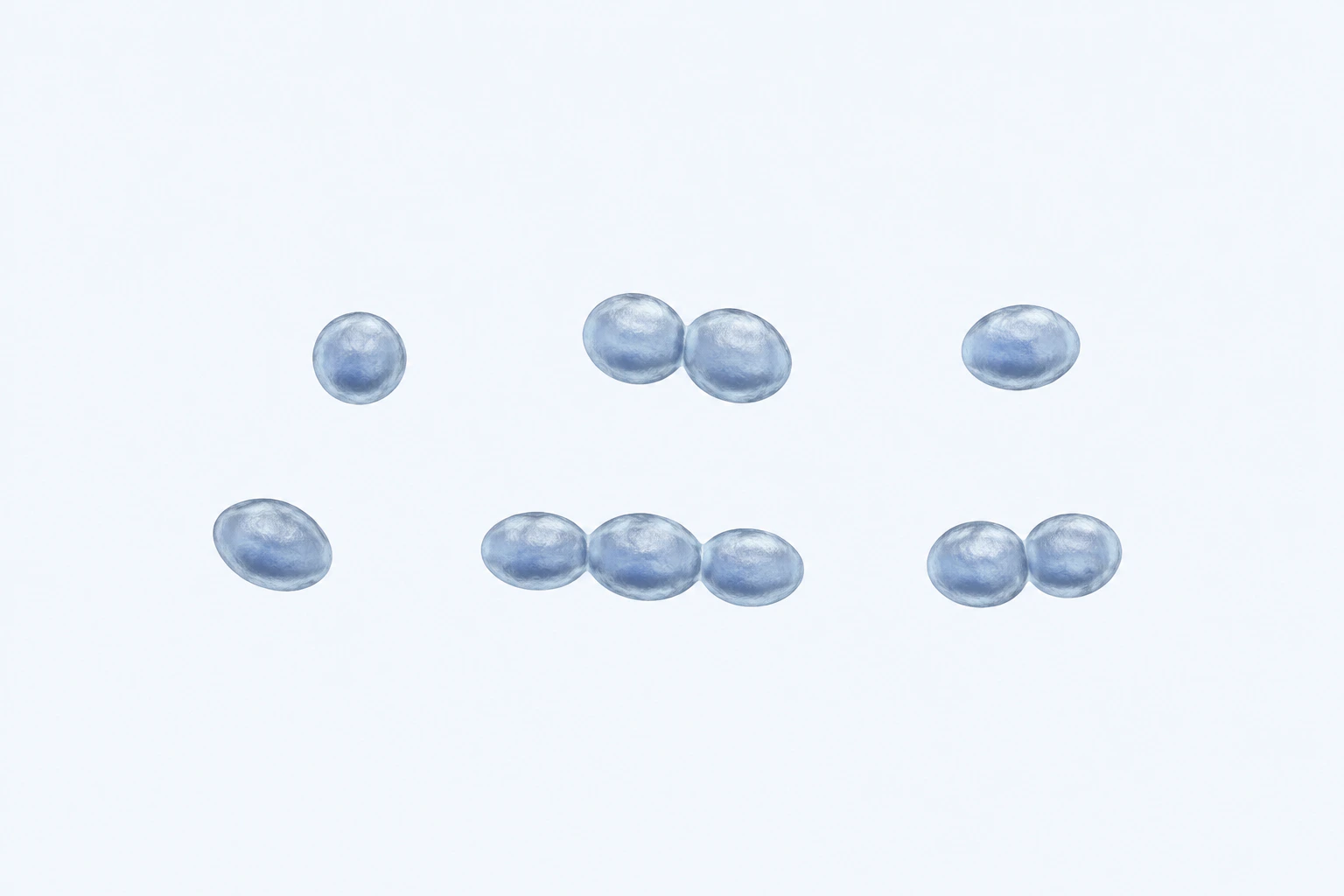
Streptococcus thermophilus is a Gram-positive, facultative anaerobic coccus that is the primary probiotic species used in commercial yogurt fermentation and thermophilic dairy fermentation worldwide. Distinct from pathogenic Streptococcus species, S. thermophilus produc…
A synbiotic is a combination of a probiotic (live beneficial microorganism) and a prebiotic (substrate that selectively feeds beneficial microbes), designed to work synergistically — the prebiotic supports the survival and colonization of the probiotic organism. Synbiot…
A synbiotic is a combination of live microorganisms (probiotics) and substrates selectively utilized by host microorganisms (prebiotics) that confers a health benefit. The rationale is additive or synergistic: the prebiotic component (typically inulin, fructo-oligosacch…
The exposome is the totality of environmental exposures an individual experiences from conception to death. Coined by Christopher Wild in 2005, it complements the genome by capturing the environmental side of the gene-environment equation. Metals are among the most quan…