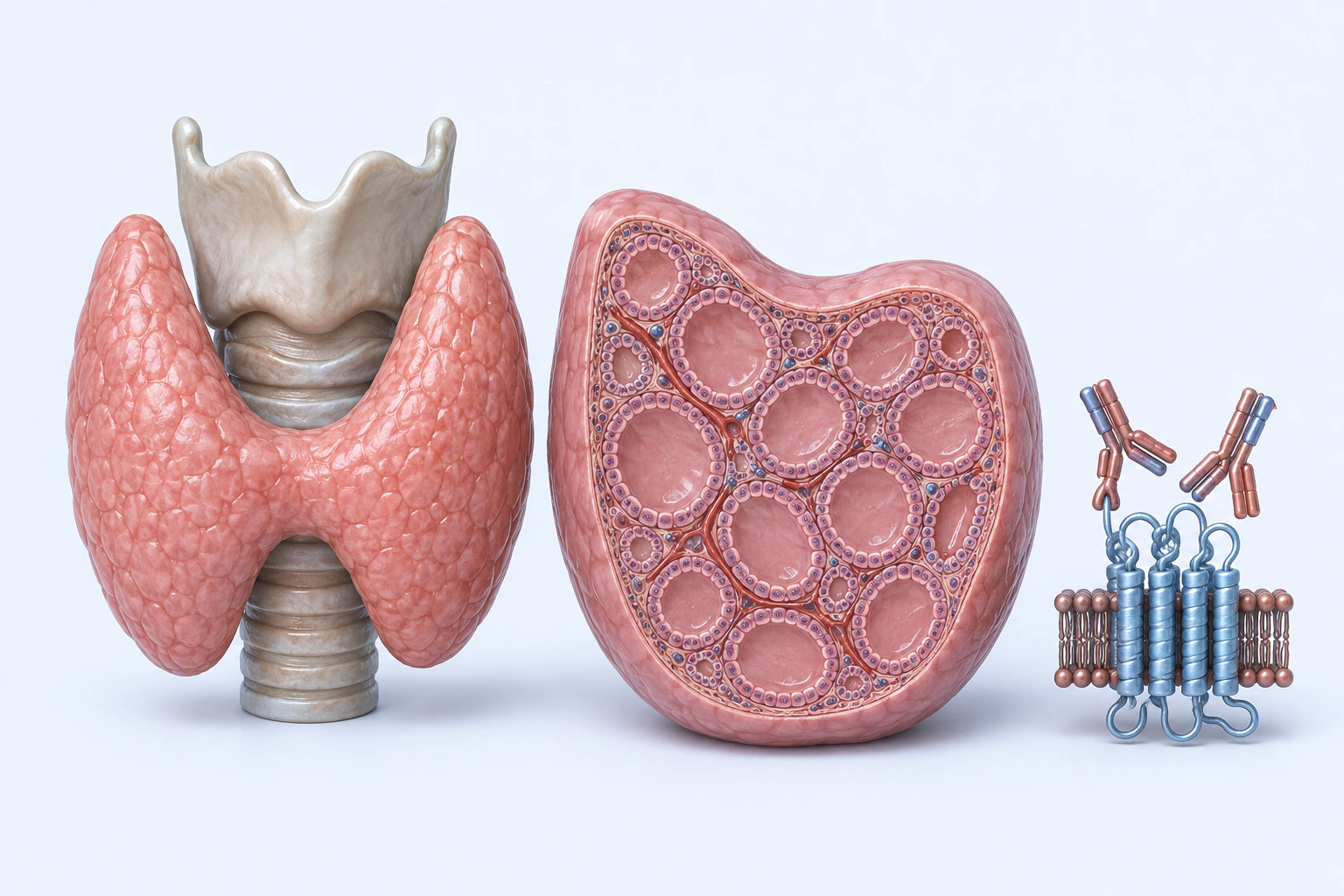
Graves' disease (GD) is an autoimmune thyroid disorder characterized by TSH receptor antibodies (TRAb) that stimulate the thyroid gland, causing hyperthyroidism kahaly 2022 graves disease targeted therapy review. It is the most common cause of hyperthyroidism, with conc…
Warning: Clinical Disclaimer: This STOP page represents a hypothesis based on mechanistic evidence and should NOT replace clinical judgment. Always consult with a qualified healthcare provider before modifying any treatment plan. Evidence quality ratings reflect the str…
Warning: Clinical Disclaimer: This STOP page represents a hypothesis based on mechanistic evidence and should NOT replace clinical judgment. Always consult with a qualified healthcare provider before modifying any treatment plan. Evidence quality ratings reflect the str…
A genus of Gram-positive obligate anaerobes in the family Lachnospiraceae (Clostridium cluster XIVa) that occupy a critical metabolic relay position in gut ecosystem stability: converting lactate to butyrate. Anaerostipes is one of the most consistently depleted genera …
A Gram-negative obligate anaerobe and the most clinically significant member of the Bacteroides genus. B. fragilis occupies a unique dual position in gut microbiology: as a non-toxigenic commensal (NTBF), it produces polysaccharide A (PSA) that shapes immune tolerance; …
Berberine is an isoquinoline alkaloid from traditional Chinese medicine (Coptis chinensis, Berberis species) that acts as a prebiotic microbiome modulator rather than a direct antimicrobial at gut-relevant concentrations. It is discussed across 16+ sources in the WikiBi…
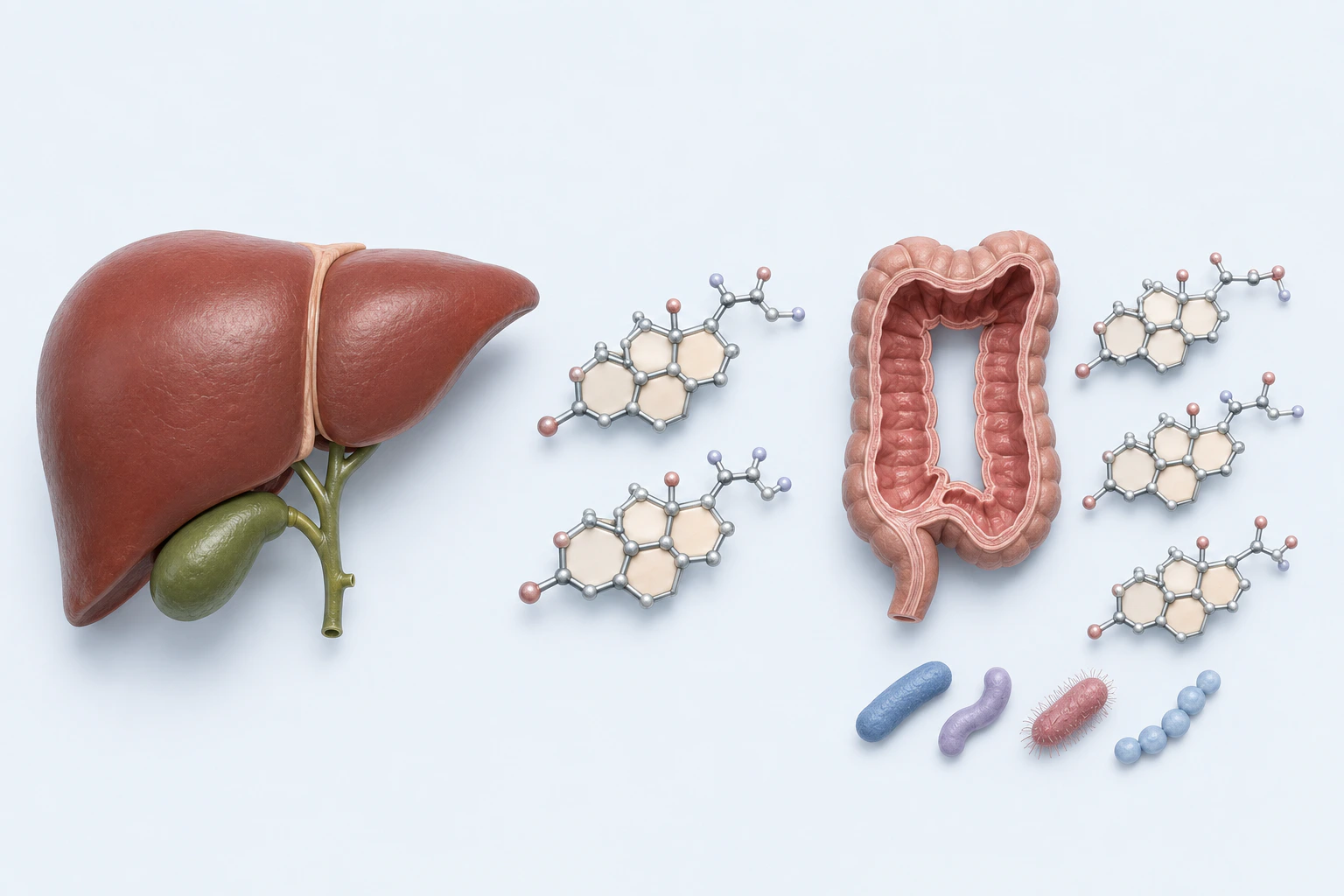
Bile acids are cholesterol-derived amphipathic molecules synthesized in the liver, secreted into the duodenum, and extensively modified by gut bacteria. The host-microbe co-metabolism of bile acids creates a signaling network with profound effects on lipid metabolism, g…
A genus of Gram-positive bacteria (primarily E. faecalis and E. faecium) that exemplifies the metal-antibiotic resistance co-selection crisis. Enterococci carry diverse metal tolerance genes for mercury, arsenic, copper, and cadmium on the same mobile genetic elements a…
Erysipelotrichaceae is a family within the phylum Firmicutes that has drawn increasing attention for its consistent enrichment in metabolic disorders. Members of this family are Gram-positive, obligate anaerobes found throughout the mammalian gastrointestinal tract, whe…
The gut-thyroid axis describes the bidirectional communication between the gut microbiome and the thyroid gland. The thyroid regulates metabolism, energy homeostasis, and immune function -- and the microbiome influences thyroid physiology at every level: mineral absorpt…
Hashimoto's thyroiditis (HT) is the most common autoimmune disease globally and the leading cause of hypothyroidism. Chronic lymphocytic infiltration of the thyroid gland progressively destroys follicular architecture, reducing thyroid hormone output. Prevalence is 5-10…
Intestinibacter bartlettii is a Gram-positive, obligate anaerobic, spore-forming bacterium within the Firmicutes phylum (Peptostreptococcaceae family). It is a relatively understudied gut commensal that has emerged in Mendelian randomization and metagenomic studies with…
Lachnospira is a genus of Gram-positive, obligate anaerobic bacteria within the lachnospiraceae family (Firmicutes phylum). L. pectinoschiza, the type species, is a specialist pectin fermenter that produces short chain fatty acids from plant-derived polysaccharides. The…
Molecular mimicry occurs when microbial antigens share structural similarity with host proteins, triggering cross-reactive immune responses that attack host tissue. It is a primary mechanism linking infections and dysbiosis to autoimmune disease — the immune system corr…
A Gram-negative, obligate anaerobic genus within the Firmicutes phylum (family Acidaminococcaceae, class Negativicutes). The primary species P. faecium and the recently characterized P. succinatutens are specialized propionate producers that utilize succinate as their m…
Autoimmune thyroid diseases (AITDs) -- hashimotos thyroiditis and graves disease -- are the most common organ-specific autoimmune conditions, affecting 5-10% of the global population. The thyroid gland sits at a remarkable intersection of metal biology and immune regula…
A Gram-negative, obligate anaerobic genus within the Firmicutes phylum (class Negativicutes, family Veillonellaceae). The primary species V. parvula is a specialized lactate utilizer that occupies a unique metabolic niche by cross-feeding with lactate-producing bacteria…