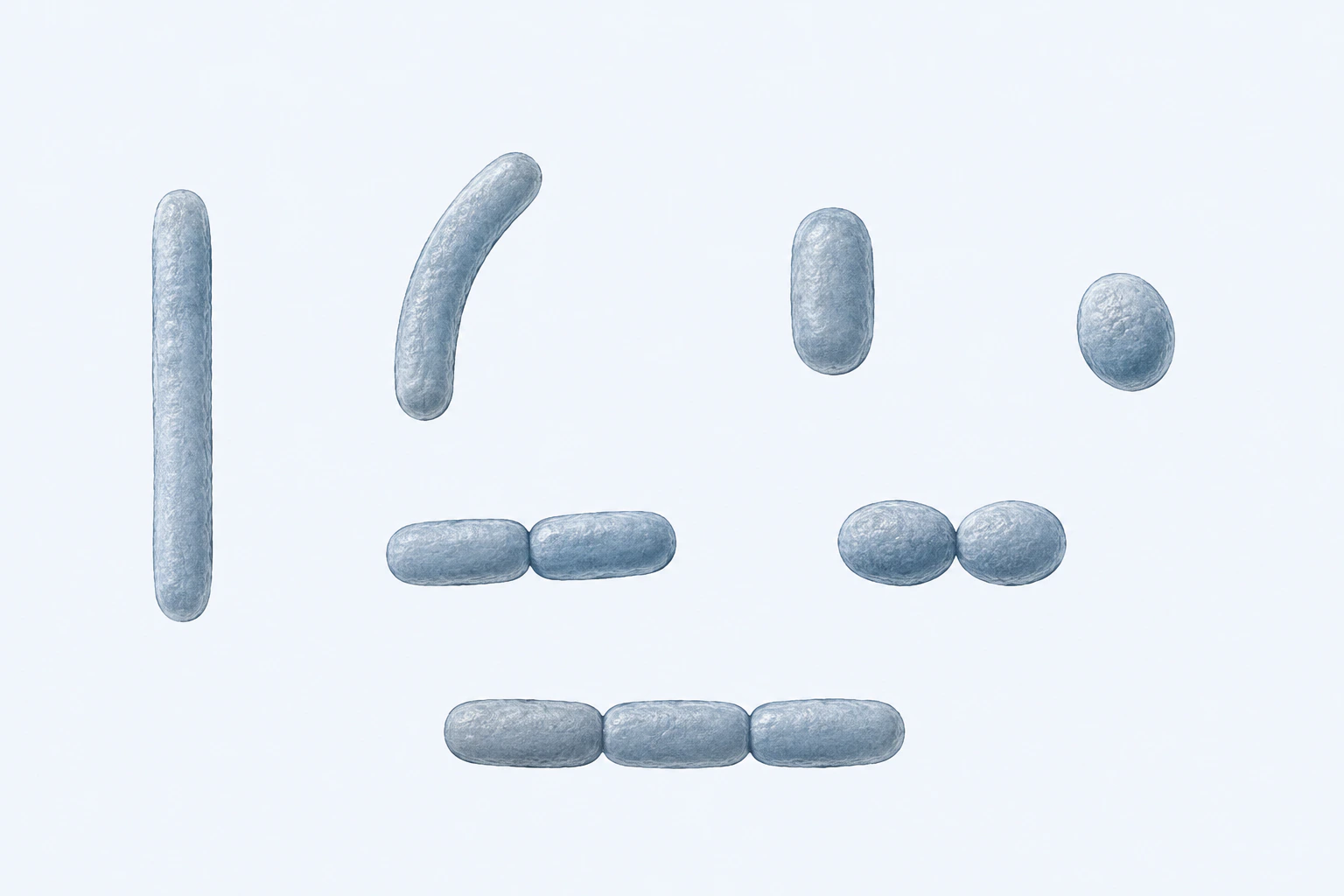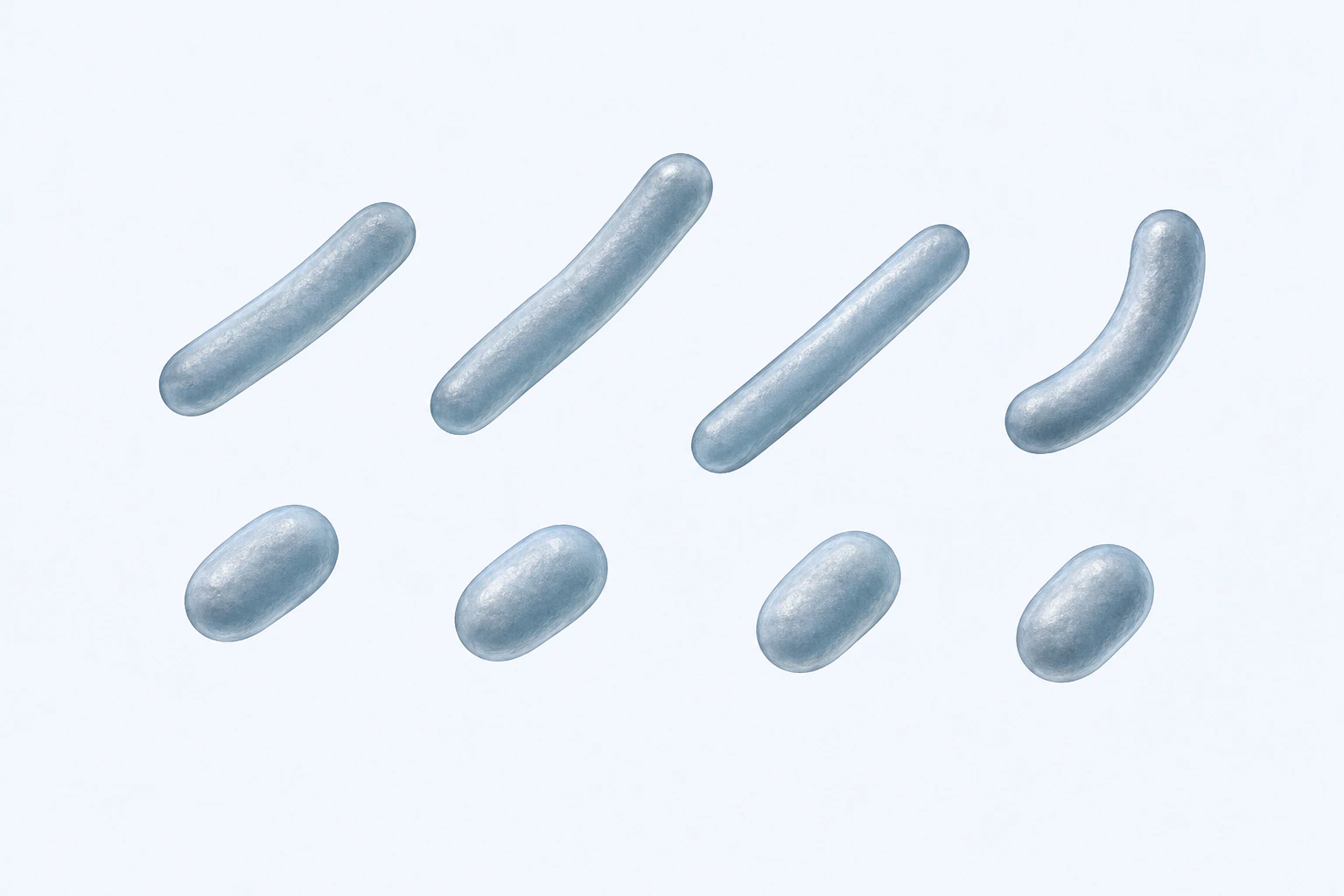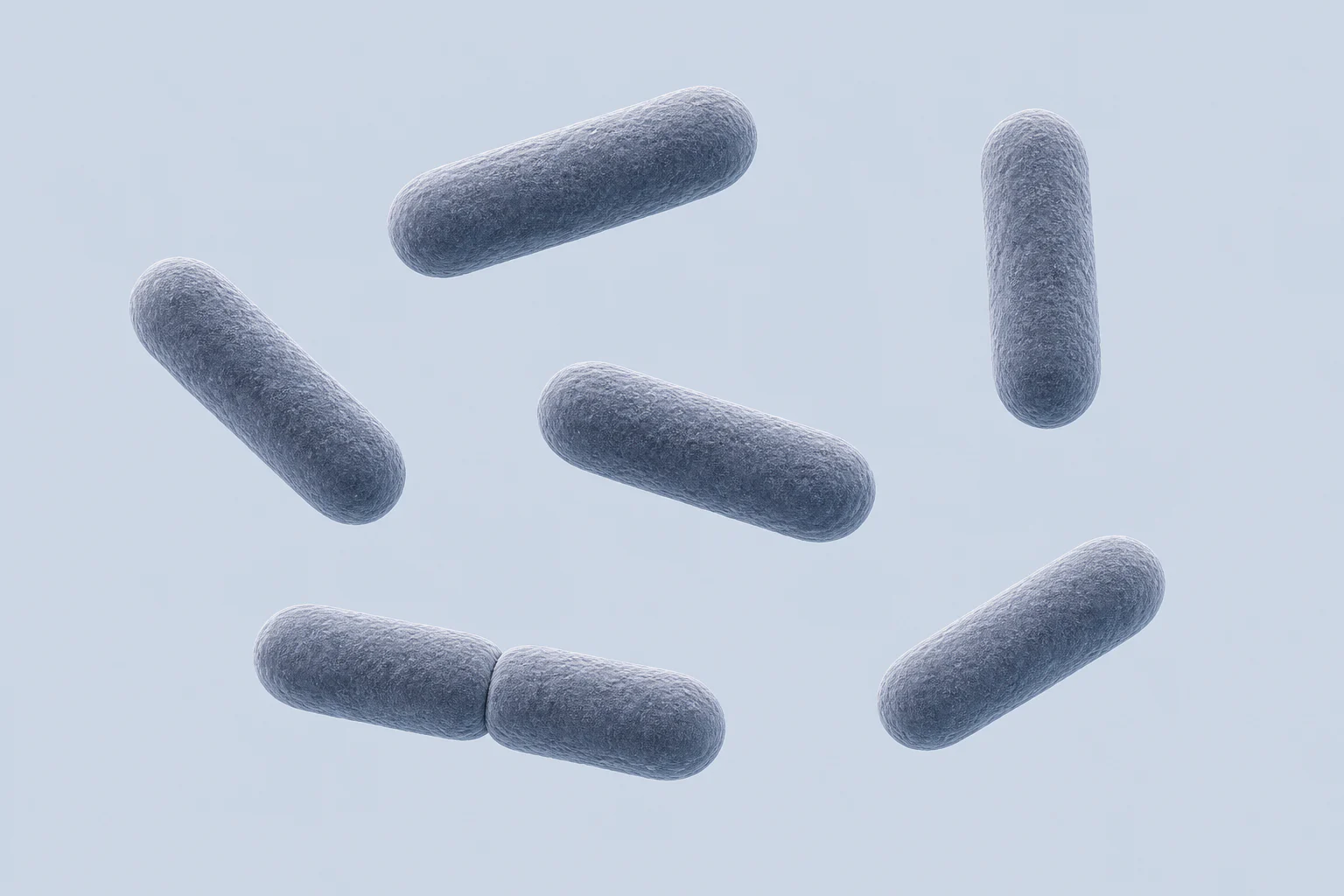
Bacteroides caccae
This knowledge-base record is being expanded from WikiBiome’s evidence graph.
WikiBiomeThe human microbiome encyclopediaRanked matches across titles, topics, categories, and article introductions, filtered to microbe.
This knowledge-base record is being expanded from WikiBiome’s evidence graph.
Bifidobacteriaceae is the family containing bifidobacterium and related genera (alloscardovia). It is the dominant family in the healthy infant gut and a significant commensal family in adults. Family-level depletion is documented in ASD (marked reduction of Actinobacte…
Chlamydia is a genus of obligate intracellular, Gram-negative bacteria with a unique biphasic developmental cycle. The genus includes three species pathogenic to humans: chlamydia trachomatis (STI and trachoma), C. pneumoniae (respiratory infections, atherosclerosis ass…
Dialister is a genus of Gram-negative, obligate anaerobic bacteria within the family Veillonellaceae that represents one of the strongest protective associations in gut-brain-axis research. Dialister depletion is a consistent and independent biomarker of depression, anx…
A genus of Gram-positive, strictly anaerobic bacteria in the family Erysipelotrichaceae (phylum Firmicutes) that is emerging as one of the most consistently protective gut commensals in human disease. Holdemanella is depleted across a striking range of conditions -- inf…
A family of Gram-positive obligate anaerobes (formerly classified as the genus Oscillospira, now reclassified into Oscillibacter and related genera within Oscillospiraceae) that serve as keystone butyrate producers in the healthy human distal colonic microbiota (Konikof…
A Gram-negative, microaerophilic genus within the Proteobacteria phylum (family Sutterellaceae). The primary species S. wadsworthensis is classified as a pathobiont due to its IgA-degrading capacity and associations with neurodevelopmental and inflammatory conditions. H…