A pathotype of escherichia coli that adheres to and invades intestinal epithelial cells, survives and replicates within macrophages, and is strongly associated with ileal Crohn's disease. Unlike classical diarrheagenic E. coli pathotypes (EPEC, ETEC, EHEC), AIEC does no…
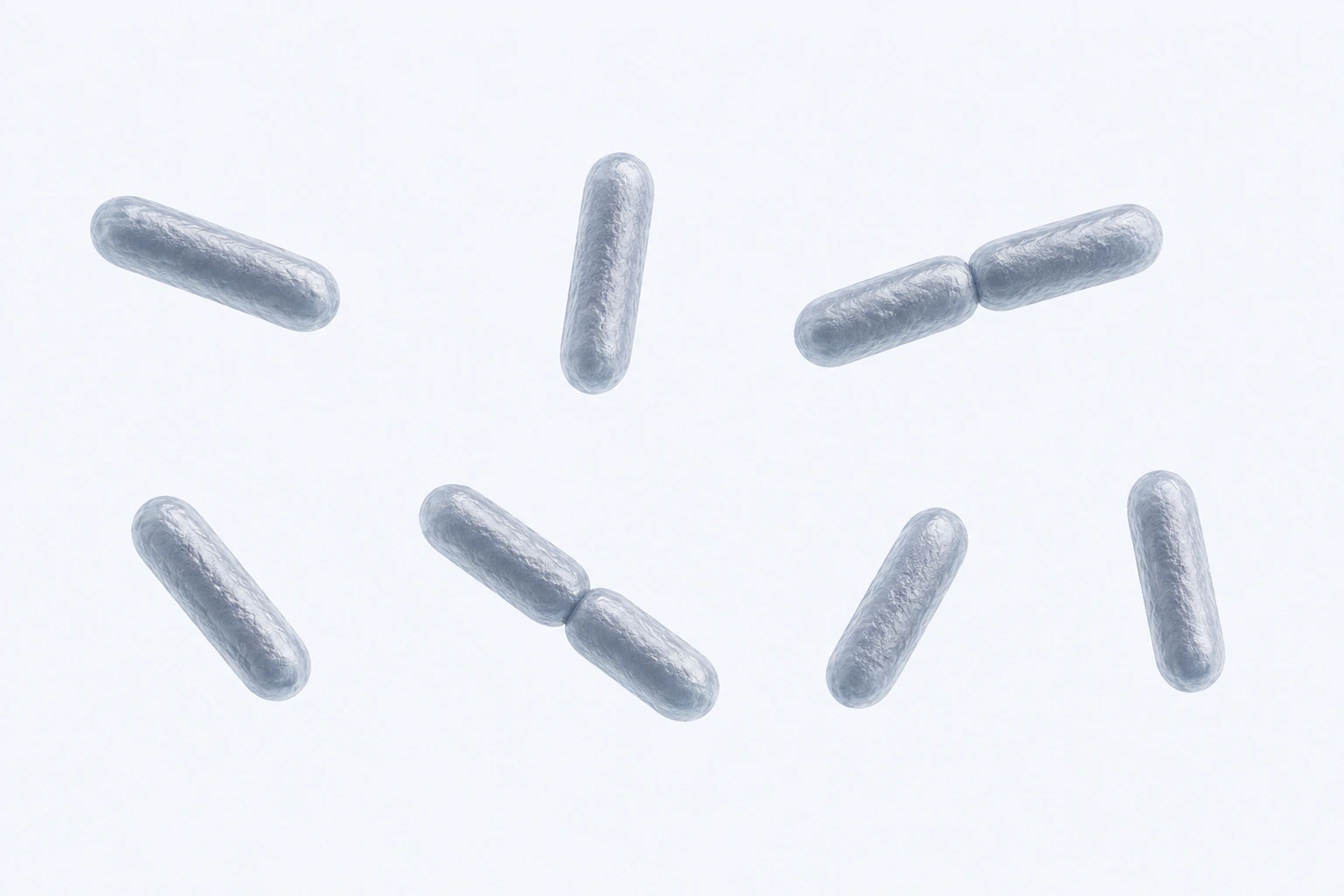
A Gram-negative obligate anaerobe and the most clinically significant member of the Bacteroides genus. B. fragilis occupies a unique dual position in gut microbiology: as a non-toxigenic commensal (NTBF), it produces polysaccharide A (PSA) that shapes immune tolerance; …
Candida tropicalis is an opportunistic fungal pathogen and occasional gut commensal, increasingly recognized as one of the most clinically significant non-albicans Candida (NAC) species. Once considered a distant runner-up to C. albicans, it has emerged as a major drive…
Debaryomyces is a genus of ascomycetous fungi, with D. hansenii being the most clinically relevant species, that represents a prominent opportunistic pathobiont enriched in inflammatory bowel disease, particularly crohns disease. Unlike many commensal fungi, Debaryomyce…
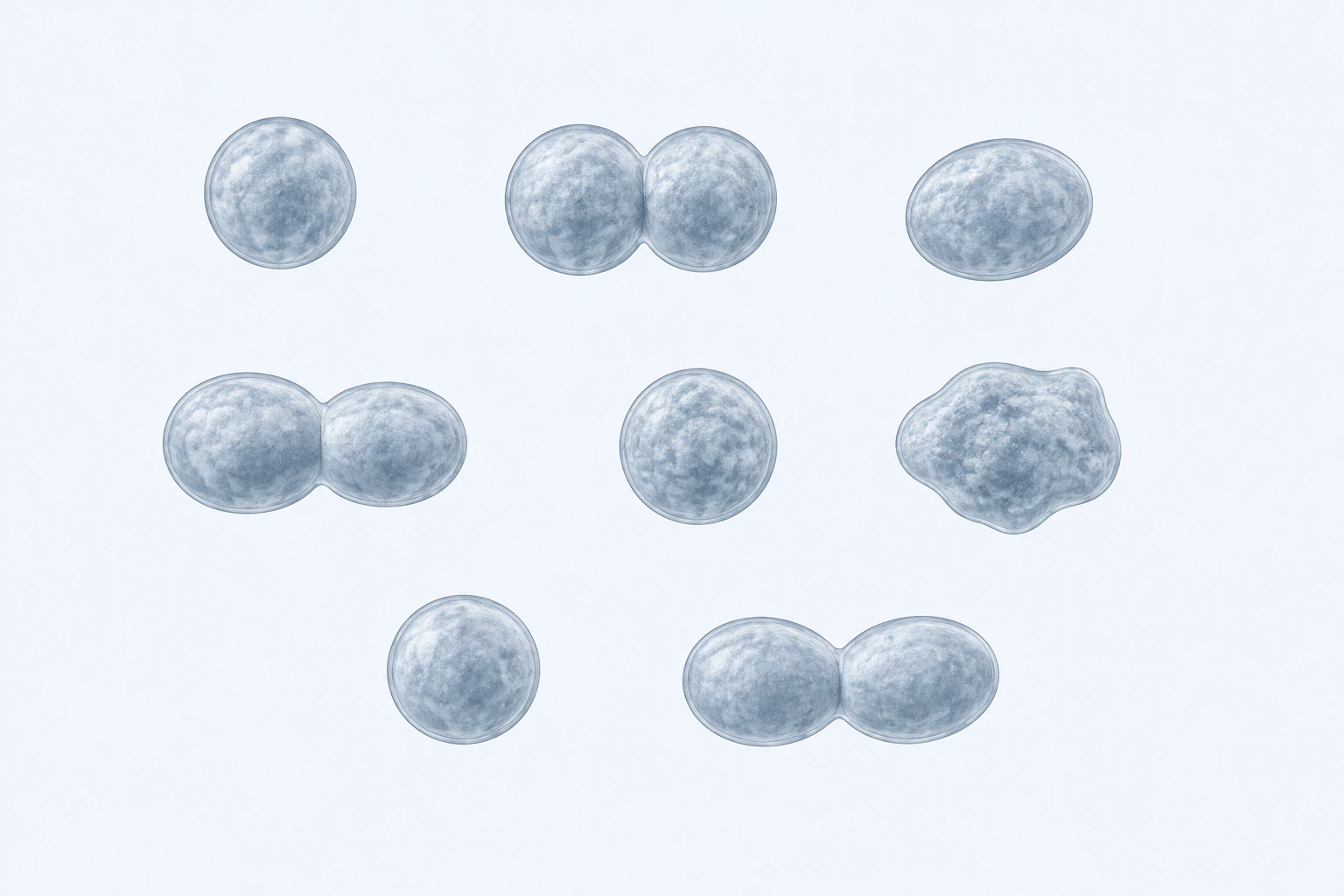
Mycoplasma is a genus of wall-less bacteria in the class Mollicutes, characterized by the smallest genomes of any self-replicating organisms (~580–1,350 kb). The lack of a cell wall makes them intrinsically resistant to beta-lactam antibiotics and undetectable by Gram s…
A Gram-positive obligate anaerobe that has emerged as a pro-inflammatory pathobiont enriched across multiple disease states including crohns disease, depression, and multiple sclerosis. R. gnavus produces a species-specific inflammatory polysaccharide that activates int…
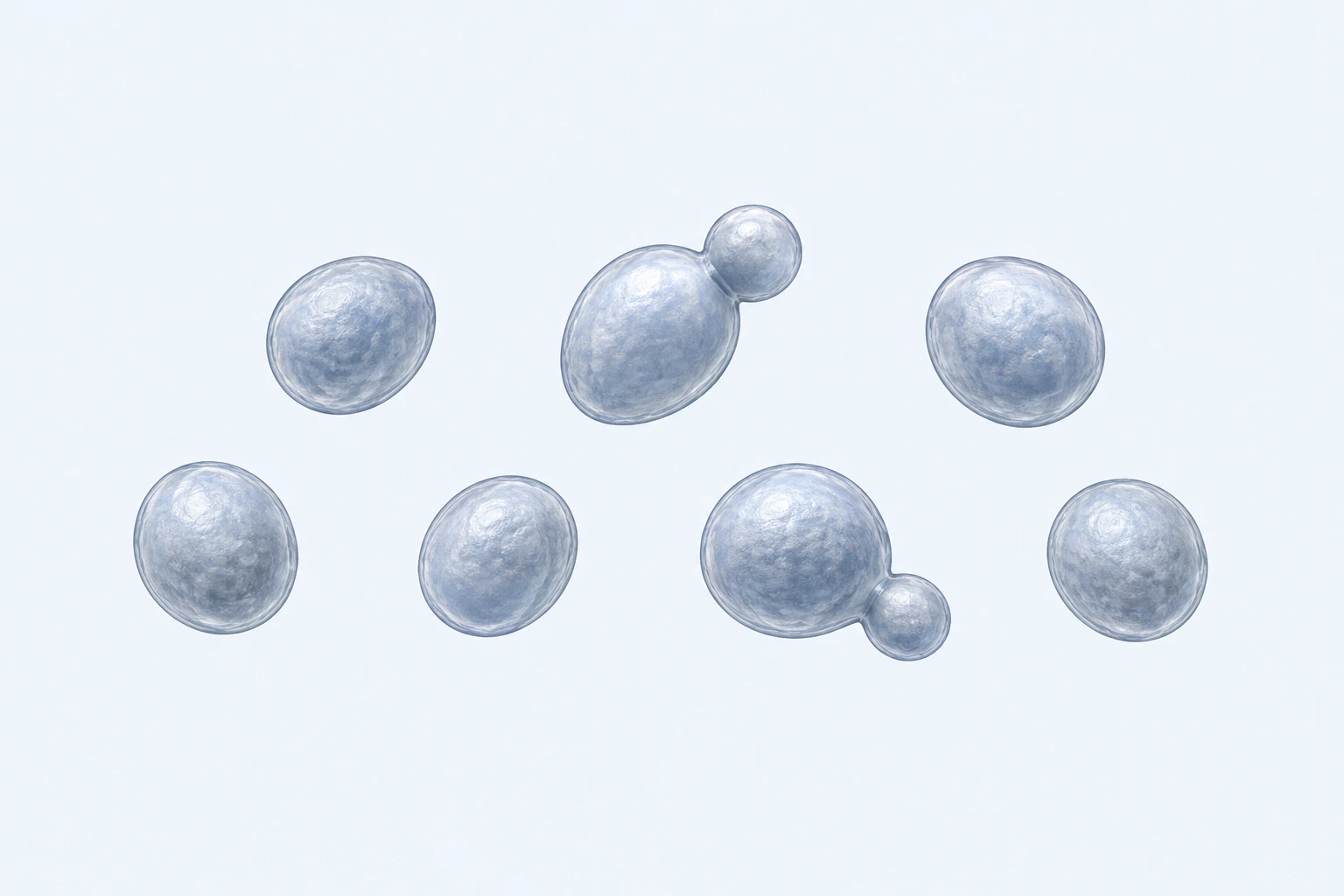
Saccharomyces cerevisiae is a unicellular budding fungus (ascomycete) ubiquitous in fermentation, brewing, bread-making, and increasingly used as a pharmaceutical probiotic (Hatoum et al. 2012). The strain S. boulardii (also called S. cerevisiae var. boulardii) is the m…
Serratia marcescens is a Gram-negative, facultatively anaerobic member of the Enterobacteriaceae, historically recognized by its distinctive red pigment prodigiosin. Once considered a harmless environmental saprophyte, S. marcescens is now recognized as a significant op…