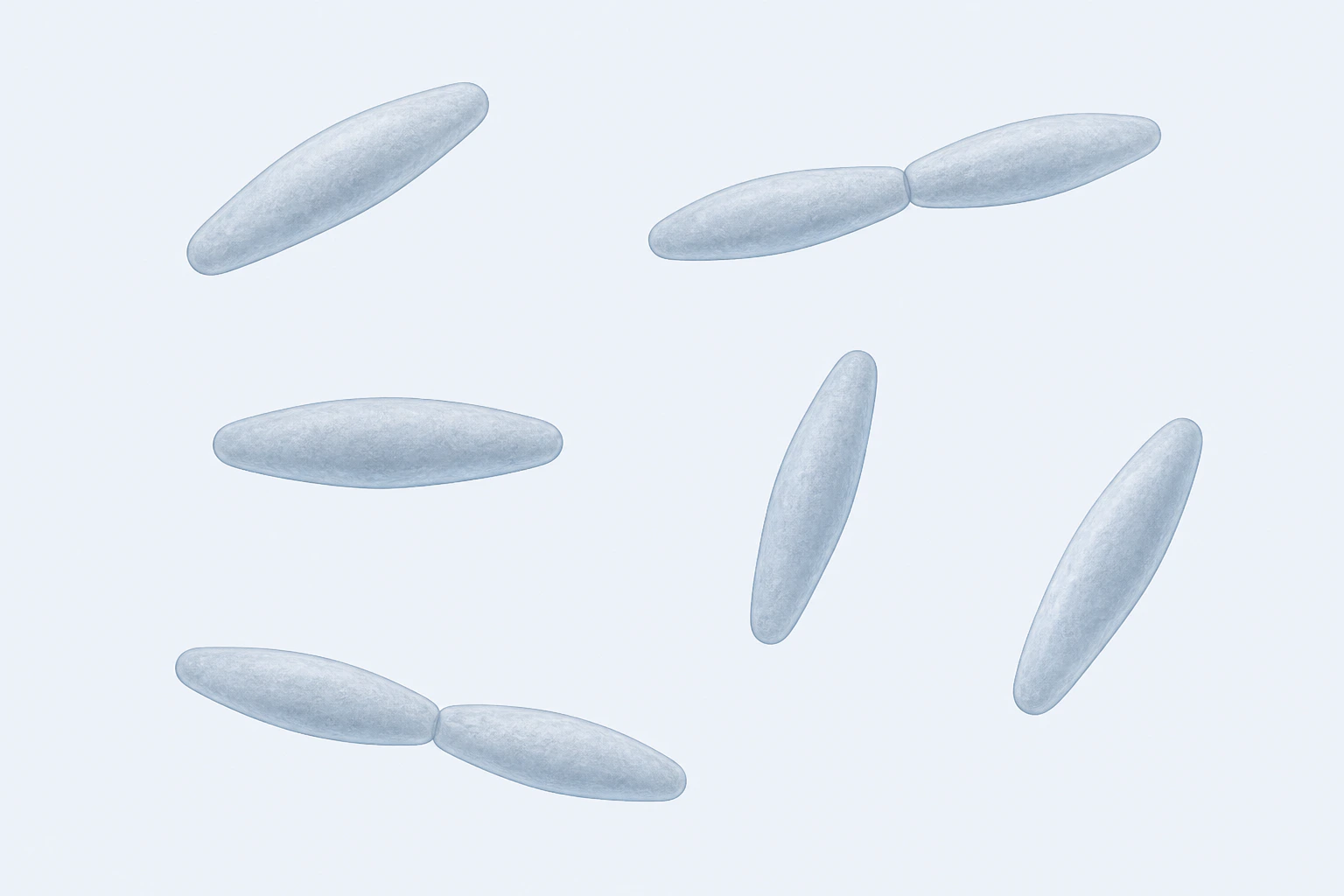
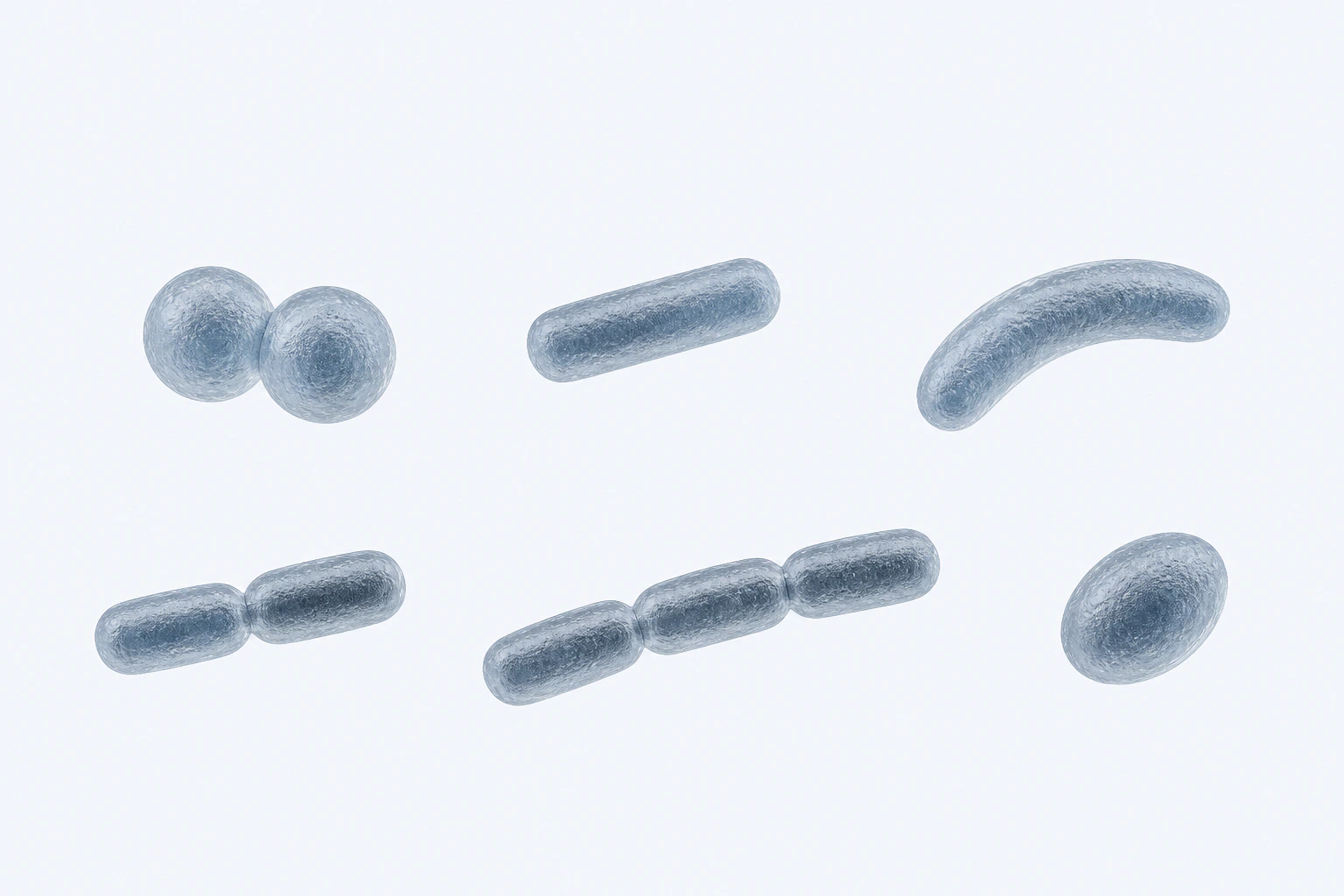
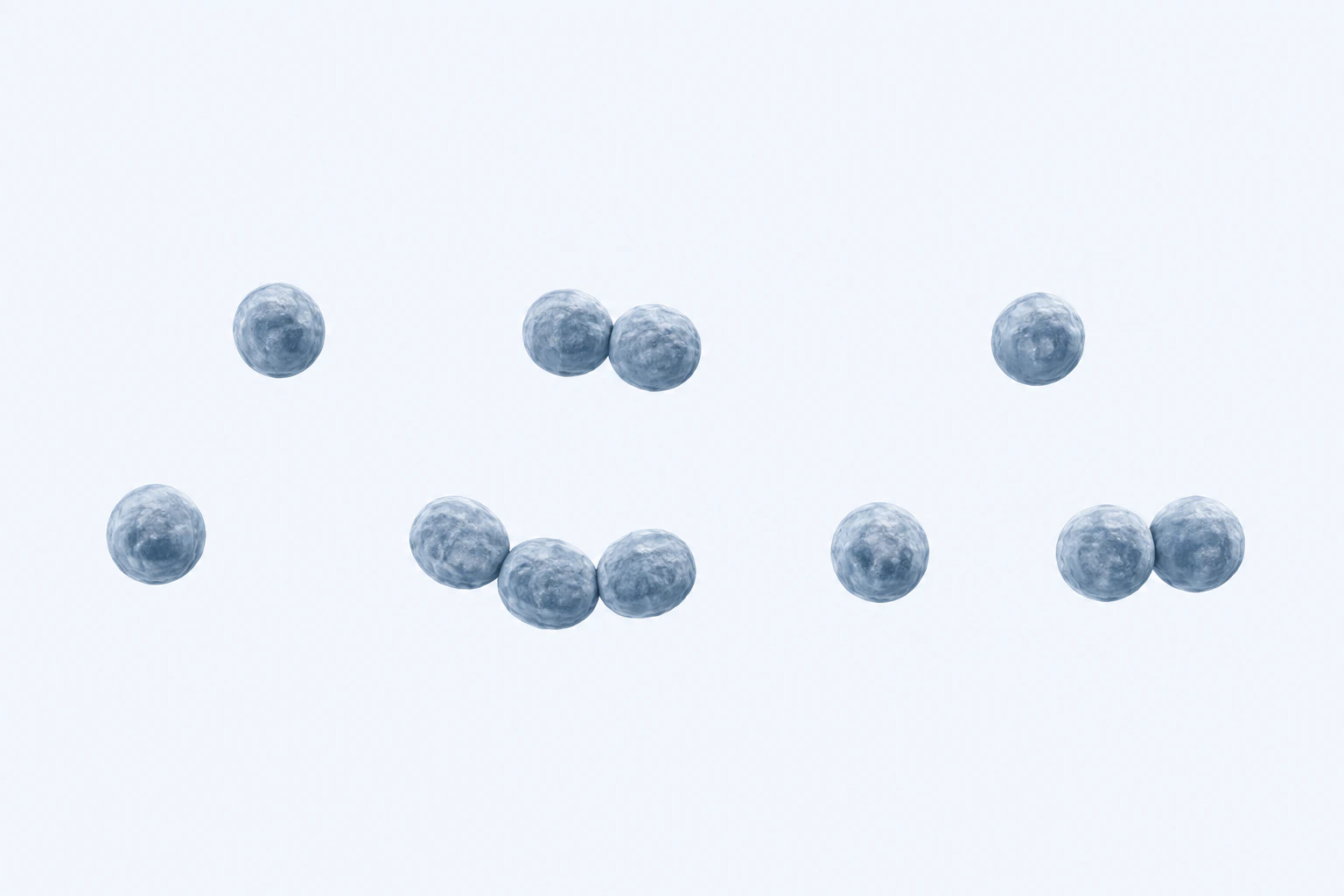
A large, polyphyletic genus of Gram-positive, obligate anaerobic, spore-forming bacteria encompassing both critical beneficial commensals and dangerous pathogens. Former Clostridium clusters IV and XIVa are now reclassified into ruminococcus-family Ruminococcaceae and l…
Clostridium butyricum is a spore-forming, obligate anaerobic, Gram-positive bacterium and one of the leading next-generation probiotic candidates. The MIYAIRI 588 strain (CBM 588) is approved as a pharmaceutical probiotic in Japan and has expanding clinical evidence acr…
Clostridium perfringens is a Gram-positive, strictly anaerobic, spore-forming bacterium infamous for causing gas gangrene, food poisoning, and necrotizing enterocolitis (NEC) in premature infants. It is one of the most widely distributed pathogenic bacteria in nature, f…
Clostridium symbiosum is a Gram-positive, obligately anaerobic bacterium within the Clostridium cluster XIVa — a taxonomic group enriched for short-chain fatty acid (SCFA) producers and specialized bile acid metabolizers. Despite its ambiguous name (suggesting symbiotic…
Lachnoclostridium is a genus of obligate anaerobic, Gram-positive bacteria in the lachnospiraceae family. It is a butyrate-producing commensal with emerging clinical significance as a treatment response biomarker and diagnostic marker.
A genus of Gram-positive obligate anaerobes in the family Lachnospiraceae (Clostridium cluster XIVa) that occupy a critical metabolic relay position in gut ecosystem stability: converting lactate to butyrate. Anaerostipes is one of the most consistently depleted genera …
A class of Gram-positive, obligate anaerobic bacteria within the phylum Firmicutes that represents the most functionally diverse and clinically significant taxonomic class in the human gut microbiome. Clostridia encompasses the dominant butyrate producers sustaining col…
Clostridioides difficile is the current NCBI name for NCBITaxon:1496 and the correct, medically recommended combination recorded by LPSN. Both records retain Clostridium difficile as a validly published homotypic synonym of the same organism rather than a separate speci…
A Gram-positive obligate anaerobe in the family Ruminococcaceae (Clostridium cluster IV) whose defining metabolic activity is the degradation of dietary flavonoids — the very polyphenols that serve as anti-inflammatory, antioxidant, and antimicrobial agents. When Flavon…
A family within the Firmicutes phylum (order Clostridiales, formerly Clostridium cluster XIVa) that serves as a sentinel indicator of gut health -- its depletion is the single most consistent microbiome signature across nearly every disease represented in this wiki. The…
Parvimonas micra is a small (0.5–1.0 µm), Gram-positive, obligately anaerobic coccus originally isolated from the human oral cavity that has emerged as one of the most consistent and universally enriched pathobionts in colorectal cancer across all geographic regions, ag…
Peptostreptococcus stomatis is a Gram-positive, obligately anaerobic coccus originally isolated from the human oral cavity (oral streptococcal species) that has emerged as a carcinogenic oral pathobiont enriched in colorectal cancer, particularly in advanced stages. Unl…
A genus of Gram-positive, obligate anaerobic cocci within the Firmicutes phylum that exemplifies dual-nature microbiology — containing both keystone beneficial species and disease-associated pathobionts within the same genus. The genus spans multiple former taxonomic gr…
Tyzzerella is a genus of Gram-positive, strictly anaerobic bacteria within the family Lachnospiraceae (order Clostridiales, phylum Firmicutes). It was recently reclassified from Clostridium cluster XIVa and remains poorly characterized at the species level. The genus in…