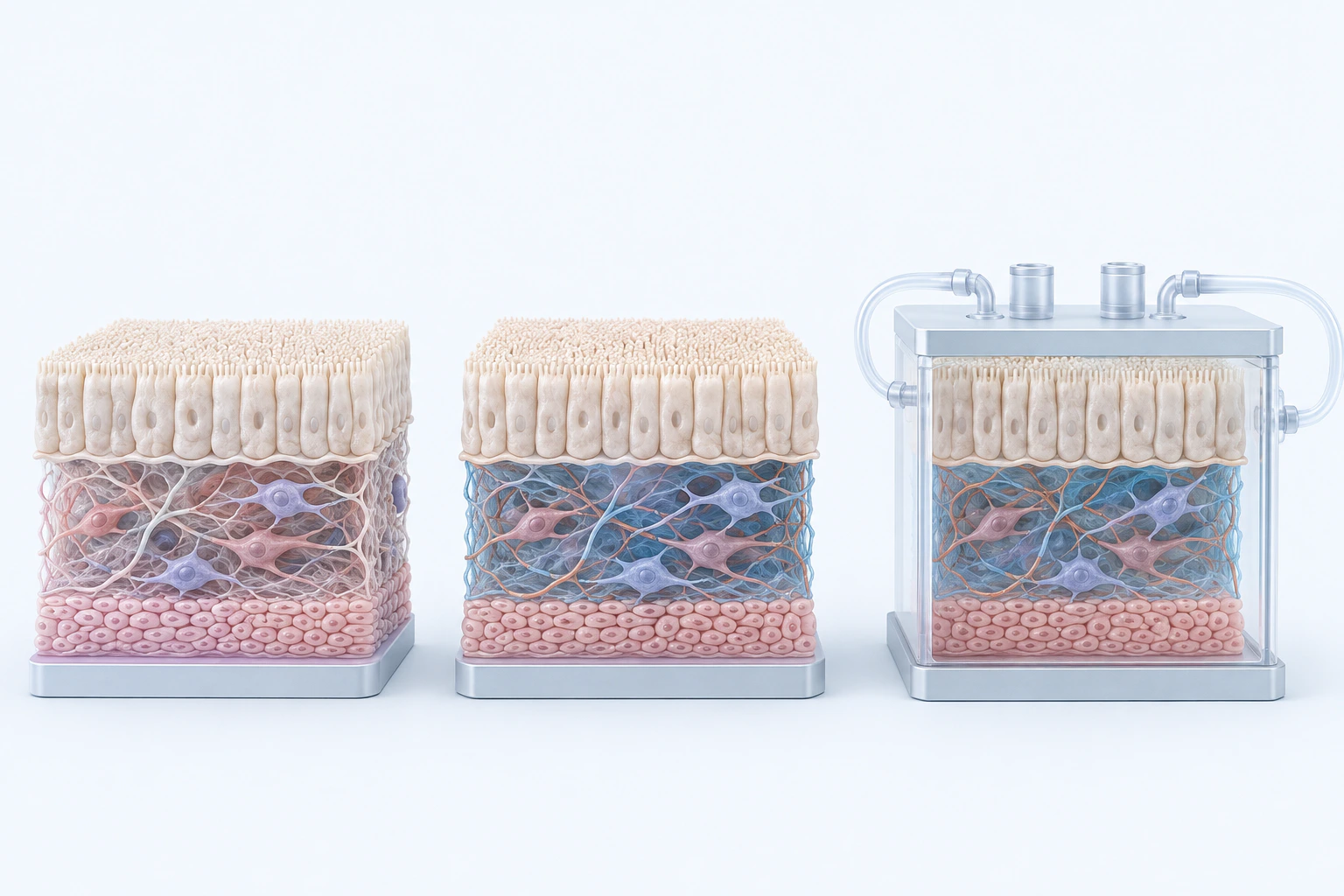
An acidic microenvironment is a local drop in pH — typically into the 4.5–6.5 range — inside a tissue, organ, or ecological niche. Acidification arises from three recurring sources: bacterial fermentative metabolism that releases short-chain fatty acids and lactate (lou…
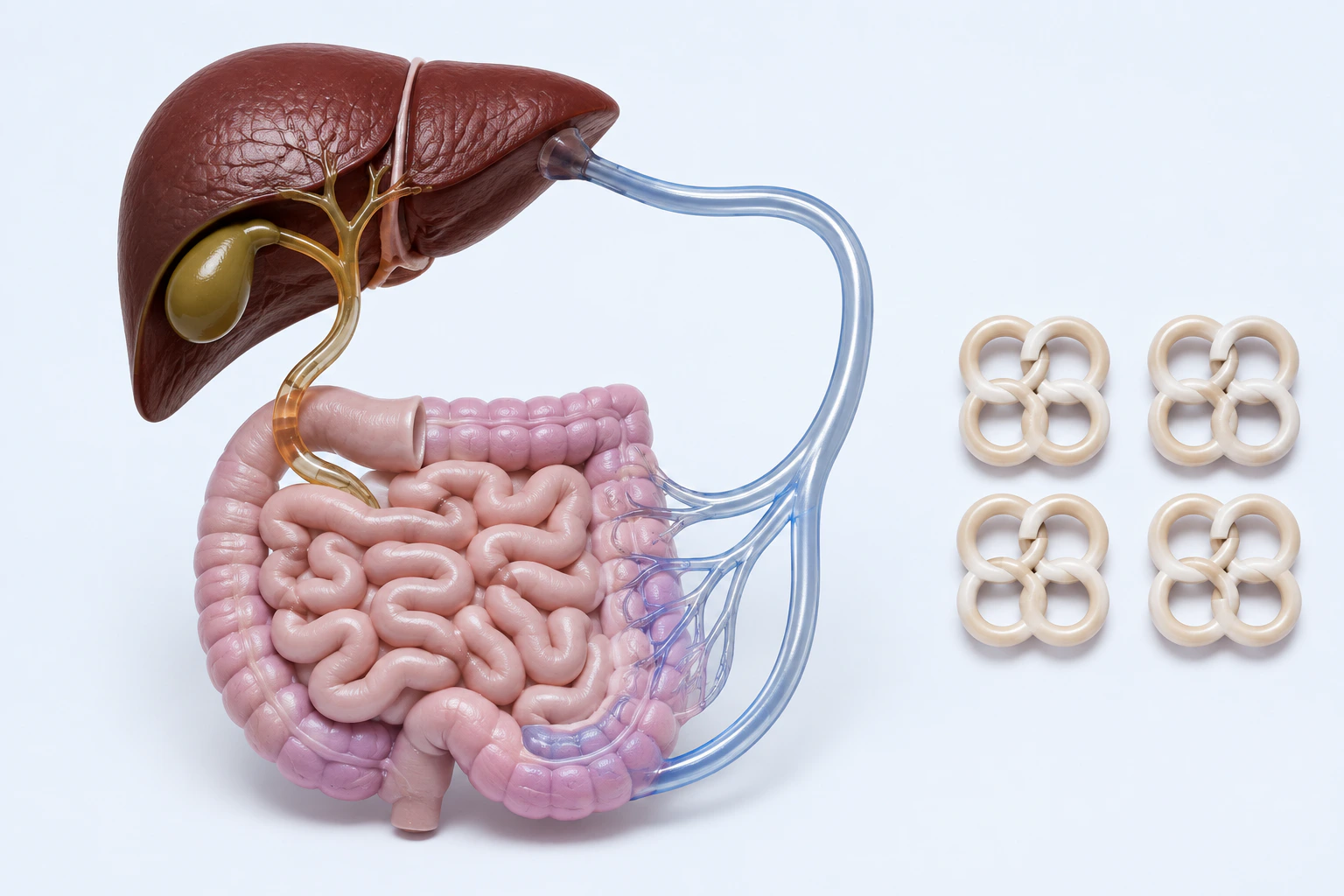
Enterohepatic circulation (EHC) is the recycling loop by which compounds—primarily bile acids, conjugated estrogens, conjugated glucuronides, and metabolites of drugs and xenobiotics—are excreted in bile, reach the intestine, undergo deconjugation or dehydroxylation by …
Metal speciation refers to the distribution of a metal among its possible chemical forms — free ions, complexed with organic or inorganic ligands, bound to proteins, or incorporated into mineral phases. In biological systems, speciation determines everything: a metal's …
Oxalate (ethanedioic acid, C2O4^2-) is a small dicarboxylic acid found in many plant foods that has outsized significance for mineral metabolism and kidney health. In the gut, oxalate's fate is determined by a single specialist bacterium -- Oxalobacter formigenes -- who…
pH sensing refers to the molecular mechanisms by which bacteria detect and respond to changes in environmental acidity. In the gut — where pH ranges from ~2 in the stomach to ~7.4 in the distal ileum and ~5.5-7.0 in the colon — pH is a master regulator of metal bioavail…
Pharmacomicrobiomics is the study of bidirectional interactions between drugs and the microbiome. The gut microbiome is not a passive bystander in pharmacology -- it actively metabolizes drugs, alters their bioavailability, and modulates therapeutic efficacy. Conversely…
Polyphenols are a diverse class of plant-derived compounds characterized by multiple phenol structural units. They are among the most abundant antioxidants in the human diet, found in fruits, vegetables, tea, coffee, wine, chocolate, and spices. What makes polyphenols p…
Live microorganisms that, when administered in adequate amounts, confer a health benefit on the host. In the context of this wiki, probiotics are relevant both as therapeutic agents for metal-related diseases and as mediators of gut metal microbiome interactions. Their …