Microorganisms8 sources
Pseudomonas
<!-- Auto-created stub from Rule 13 scope discovery. 6 source pages mention this taxon. Awaiting content expansion. --
 WikiBiomeThe human microbiome encyclopedia
Ranked matches across titles, topics, categories, and article introductions.
<!-- Auto-created stub from Rule 13 scope discovery. 6 source pages mention this taxon. Awaiting content expansion. --
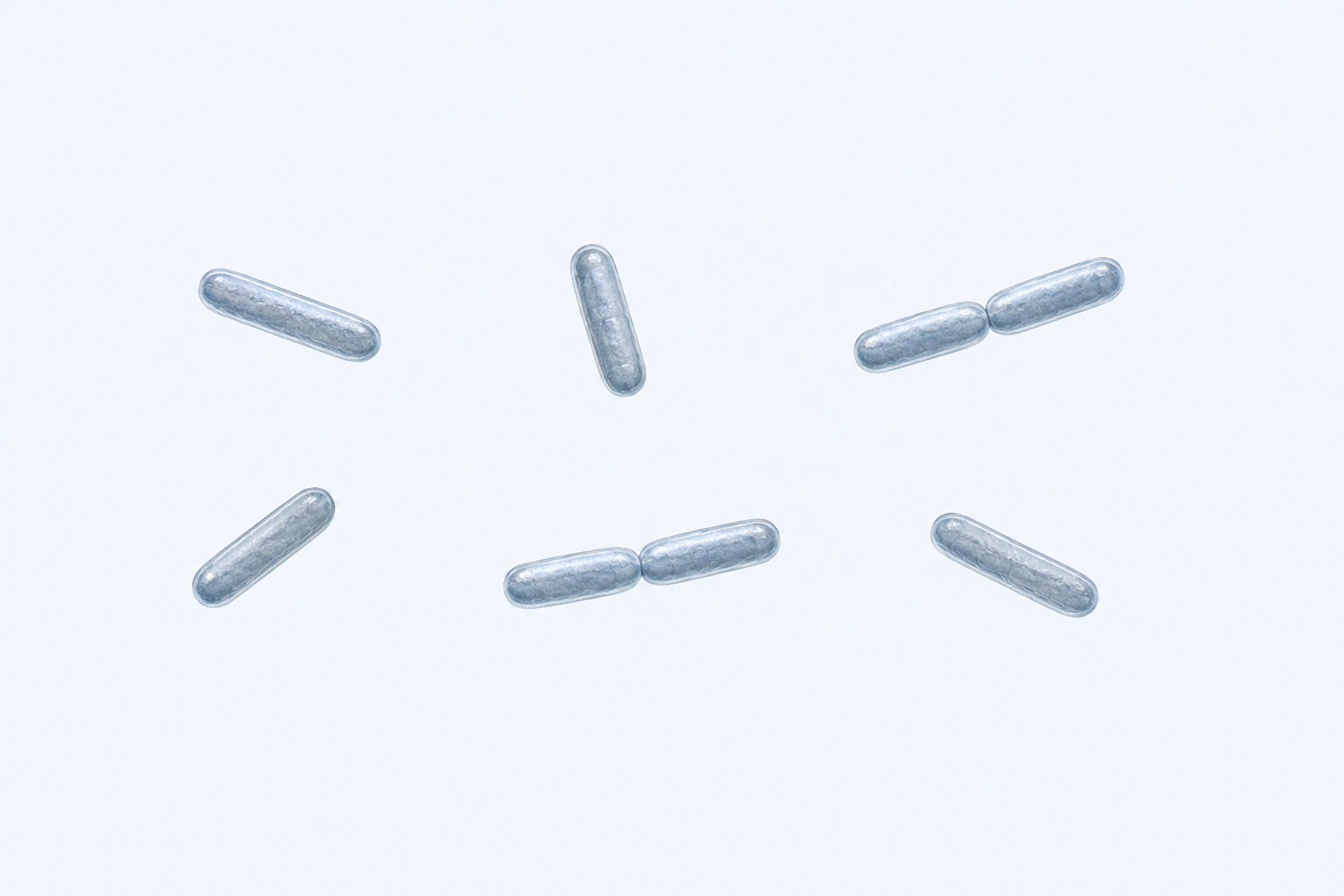
An opportunistic Gram-negative pathogen with a unique dual-use siderophore system: its pyoverdine and pyochelin serve not only as iron scavengers but as extracellular chelators of toxic metals including nickel, copper, and cadmium. This makes P. aeruginosa unusually wel…
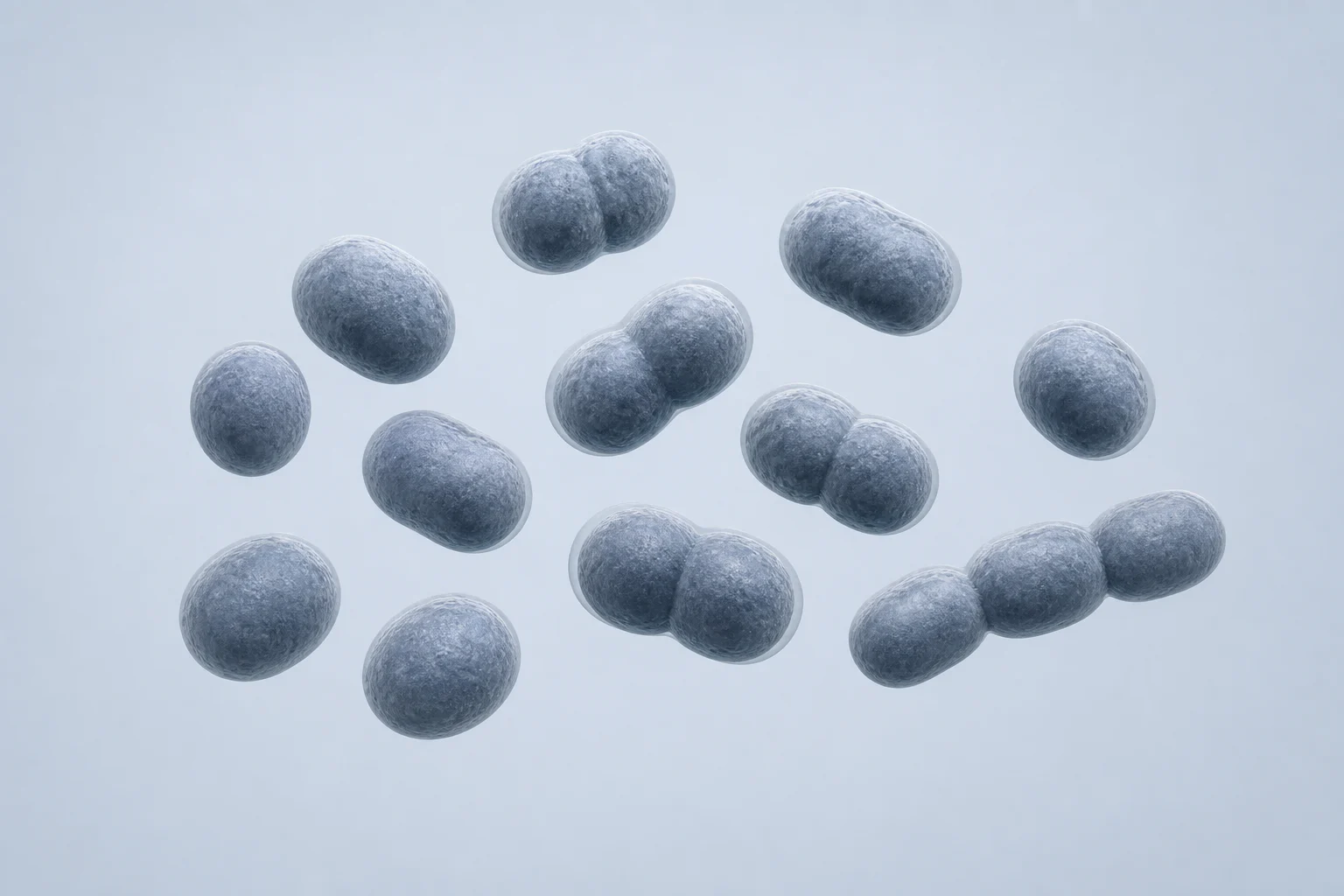
A Gram-negative, aerobic, non-fermenting coccobacillus and a member of the ESKAPE group of priority pathogens (Enterococcus, Staphylococcus, Klebsiella, Acinetobacter, Pseudomonas, Enterobacter). Acinetobacter baumannii is among the most problematic nosocomial pathogens…
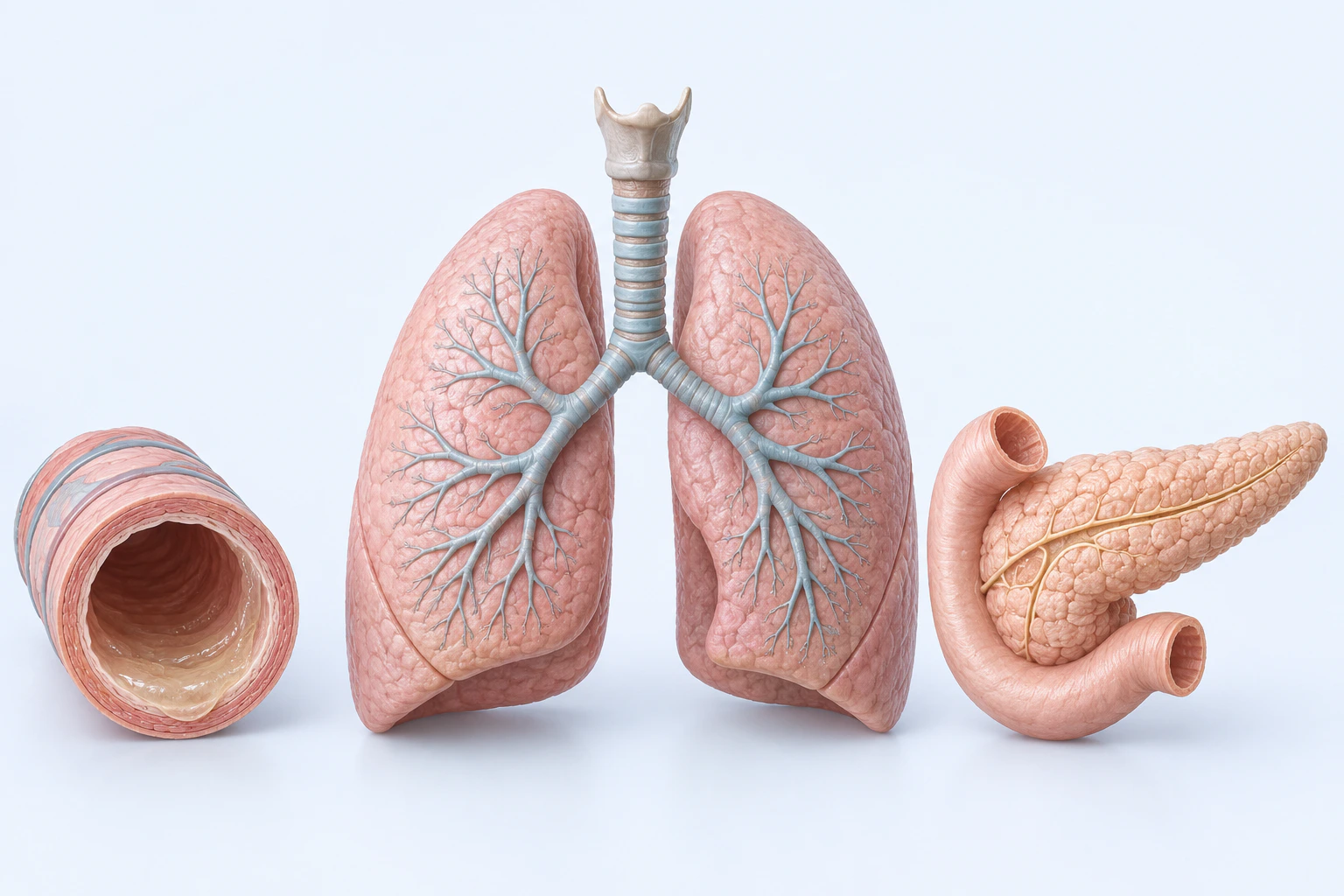
Cystic fibrosis (CF) is an autosomal recessive disorder caused by mutations in the CFTR gene, producing defective chloride and bicarbonate transport across epithelial membranes. While the genetic defect affects multiple organ systems, chronic lung infection is the prima…
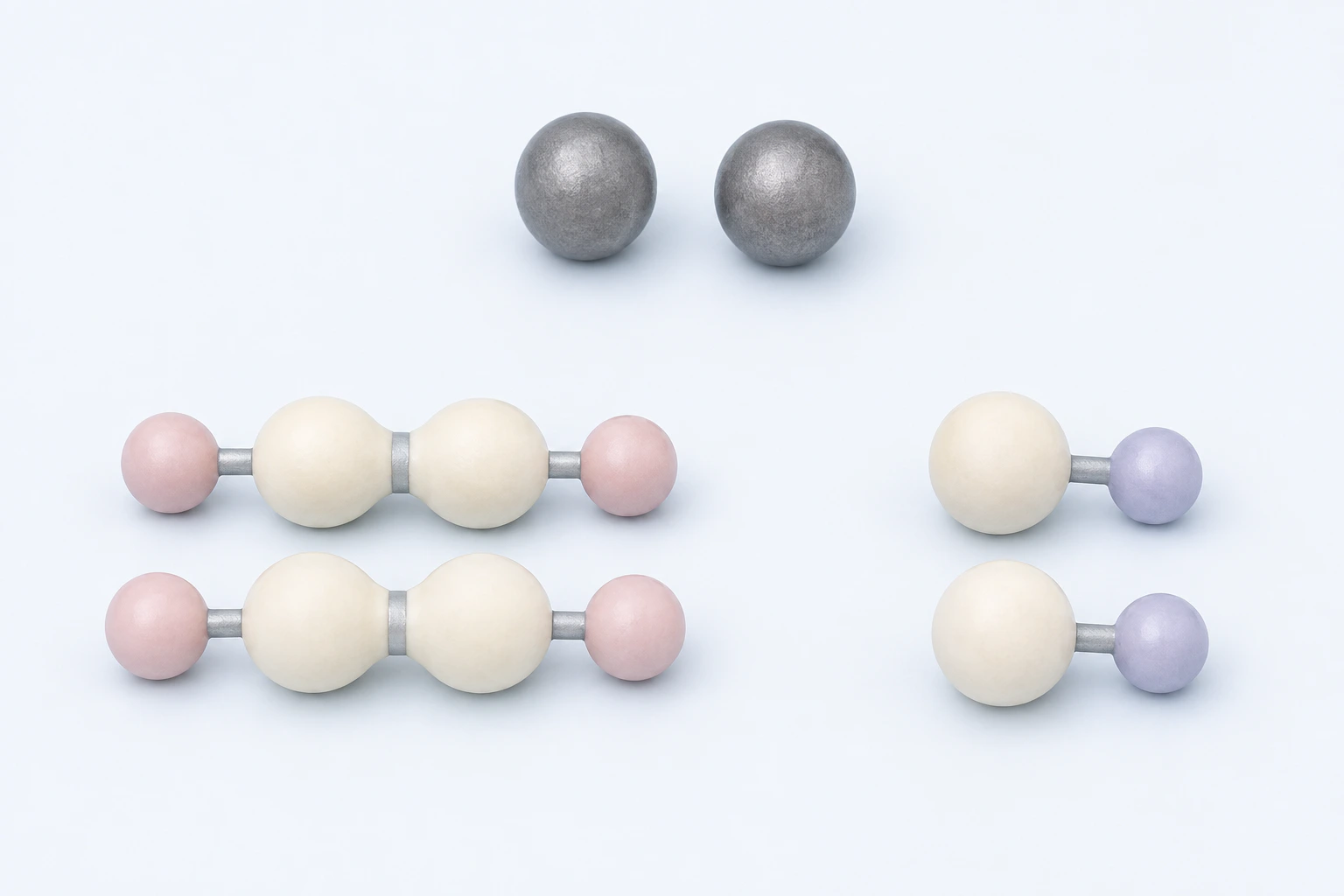
The Fenton reaction is the iron-catalyzed generation of hydroxyl radicals (OH.) from hydrogen peroxide -- the most reactive oxygen species in biology. Discovered by H.J.H. Fenton in 1894, this reaction is the mechanistic bridge between metal accumulation and oxidative t…
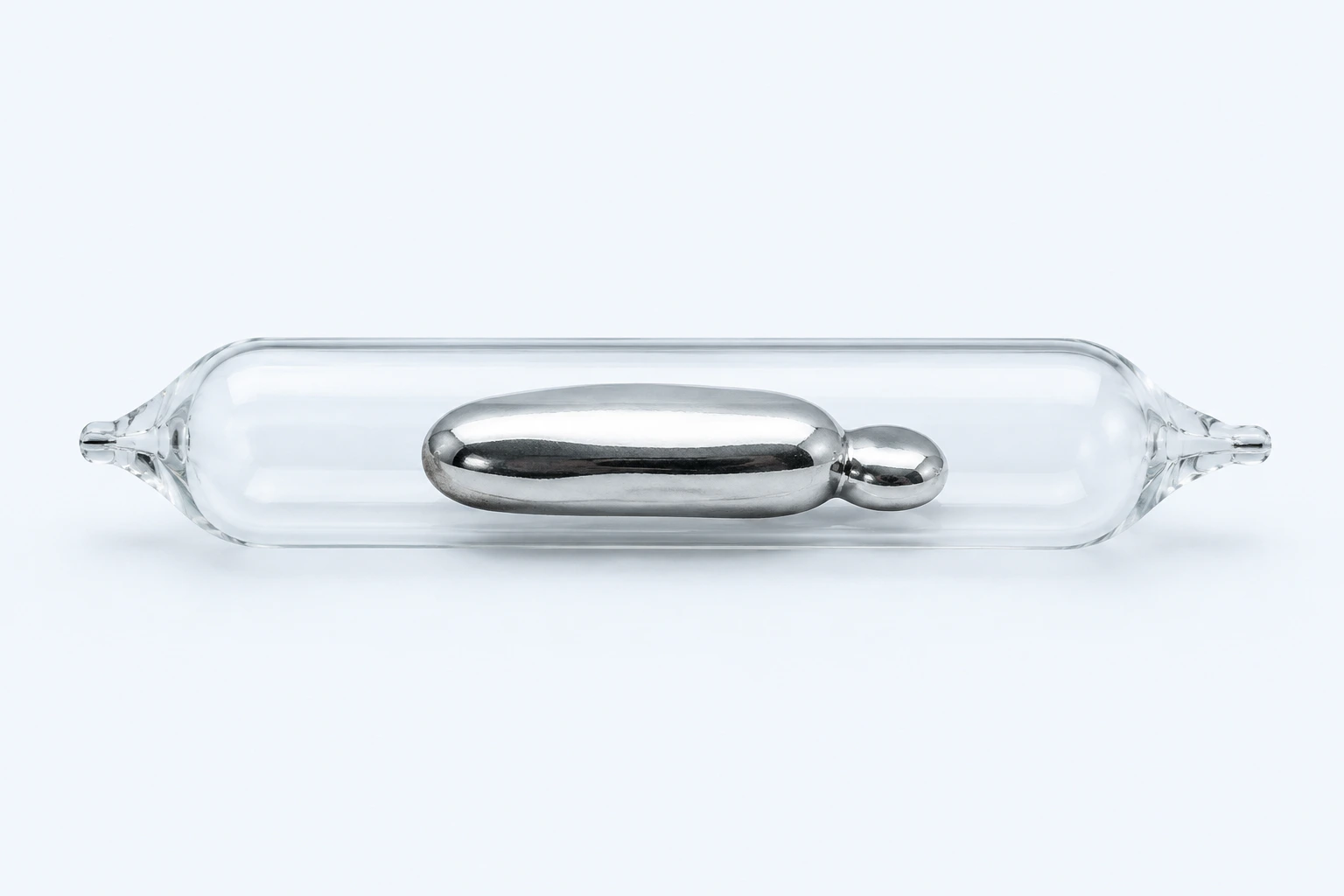
A group 13 post-transition metal (atomic number 31) with no known biological function in any organism — yet one of the most promising antimicrobial metals precisely because of what it cannot do. Ga3+ is nearly identical to Fe3+ in ionic radius (0.62 Å vs 0.645 Å) and co…
Alphabetical definitions of specialist terms used throughout this wiki. Where a full concept page exists, the term links to it. --- AhR (aryl hydrocarbon receptor) -- A ligand-activated transcription factor that senses microbial metabolites (especially indoles from tryp…
The third nickel-dependent enzyme class in human pathogens, after urease and hydrogenase. Glyoxalase I detoxifies methylglyoxal, a reactive and toxic byproduct of glycolysis. While less well-known than urease or hydrogenase as a virulence factor, GloI is emerging as a s…
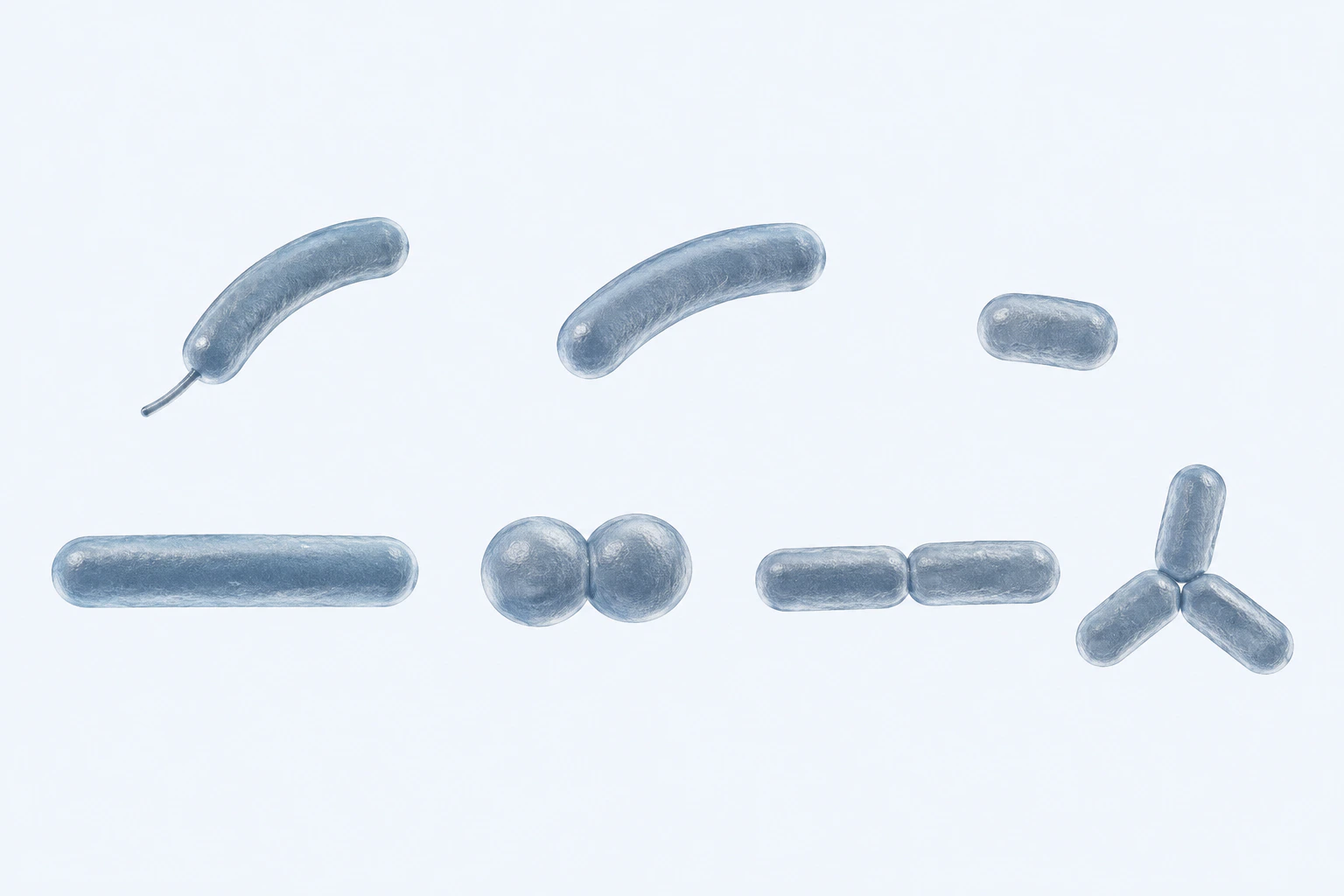
Proteobacteria (recently reclassified as Pseudomonadota) is the phylum that signals trouble. In a healthy adult gut, Proteobacteria comprise less than 1% of the community. When they bloom to 10-50% of the microbiome, it marks a fundamental ecological shift -- the collap…
Small regulatory RNAs (sRNAs) are non-coding RNA molecules, typically 50-500 nucleotides long, that regulate gene expression post-transcriptionally in bacteria. In the context of metal biology and microbial pathogenesis, sRNAs serve as rapid-response coordinators that h…