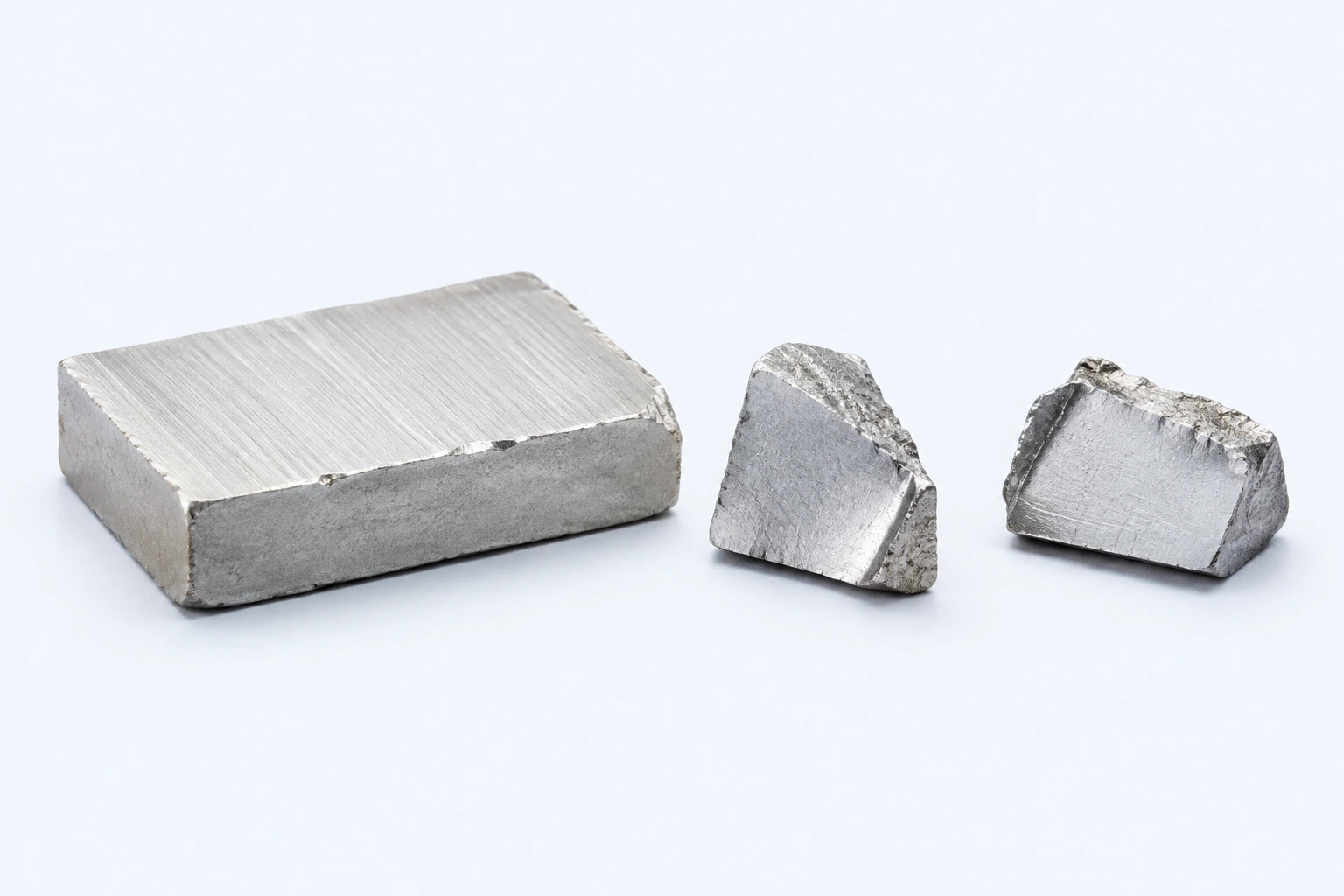
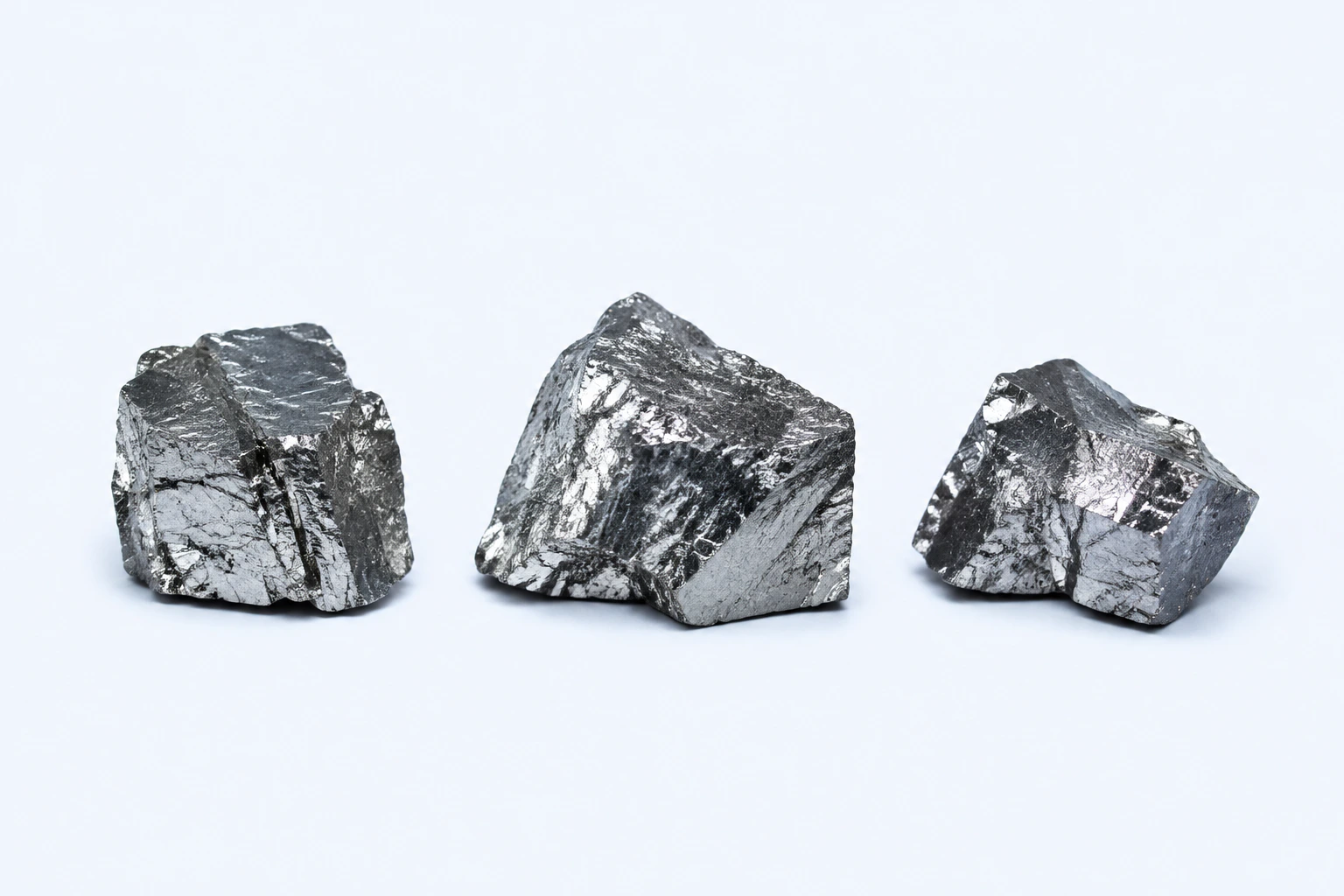
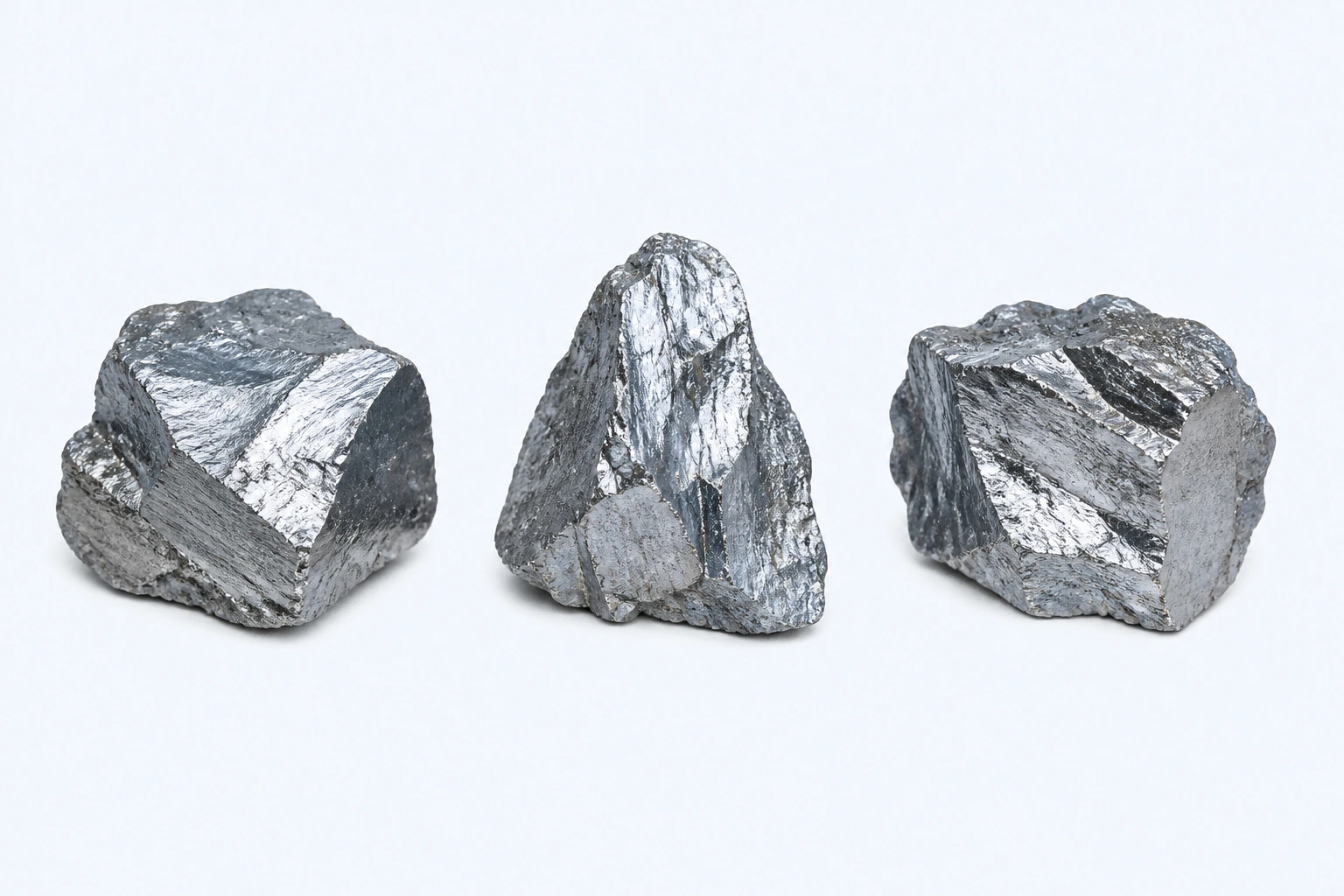
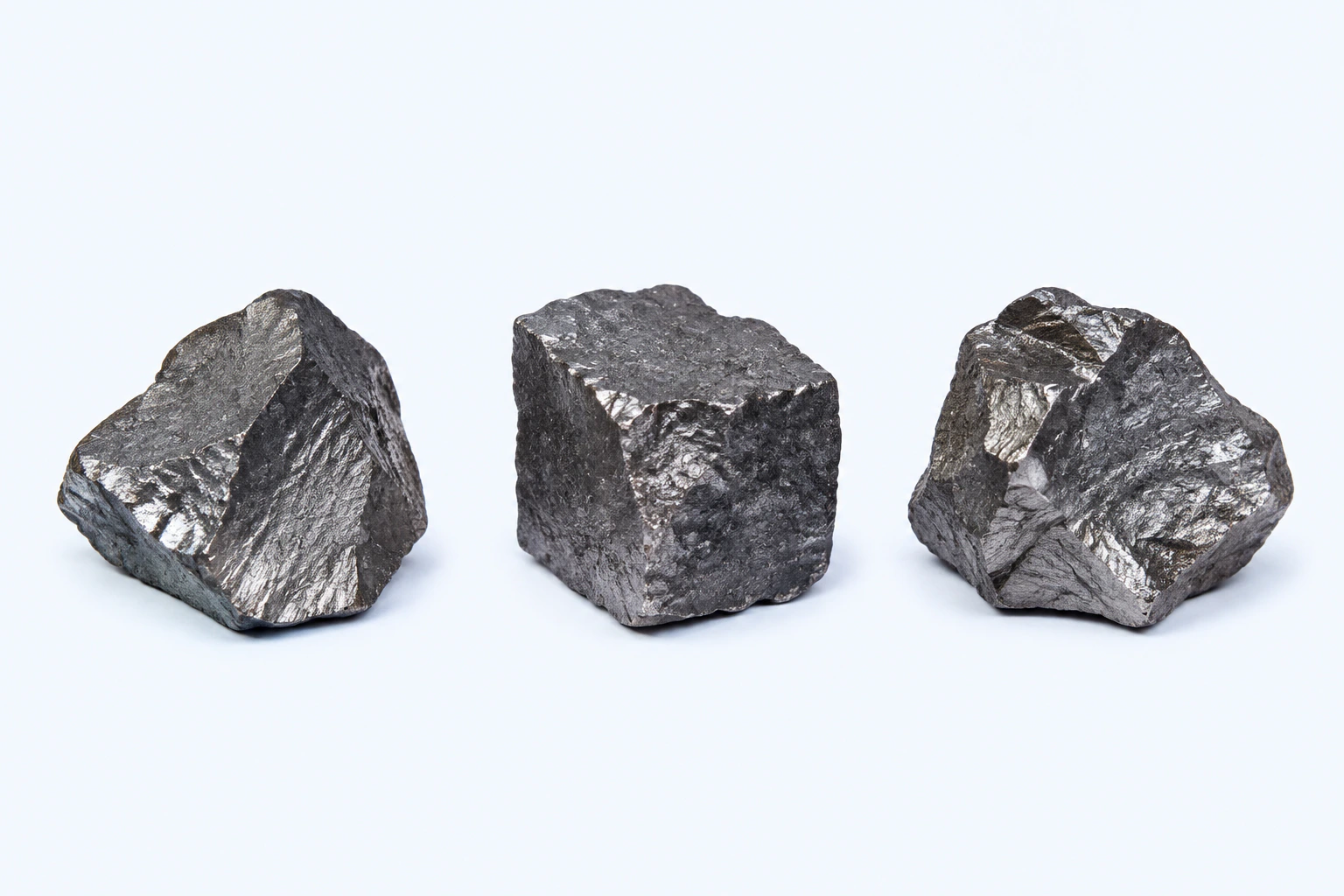
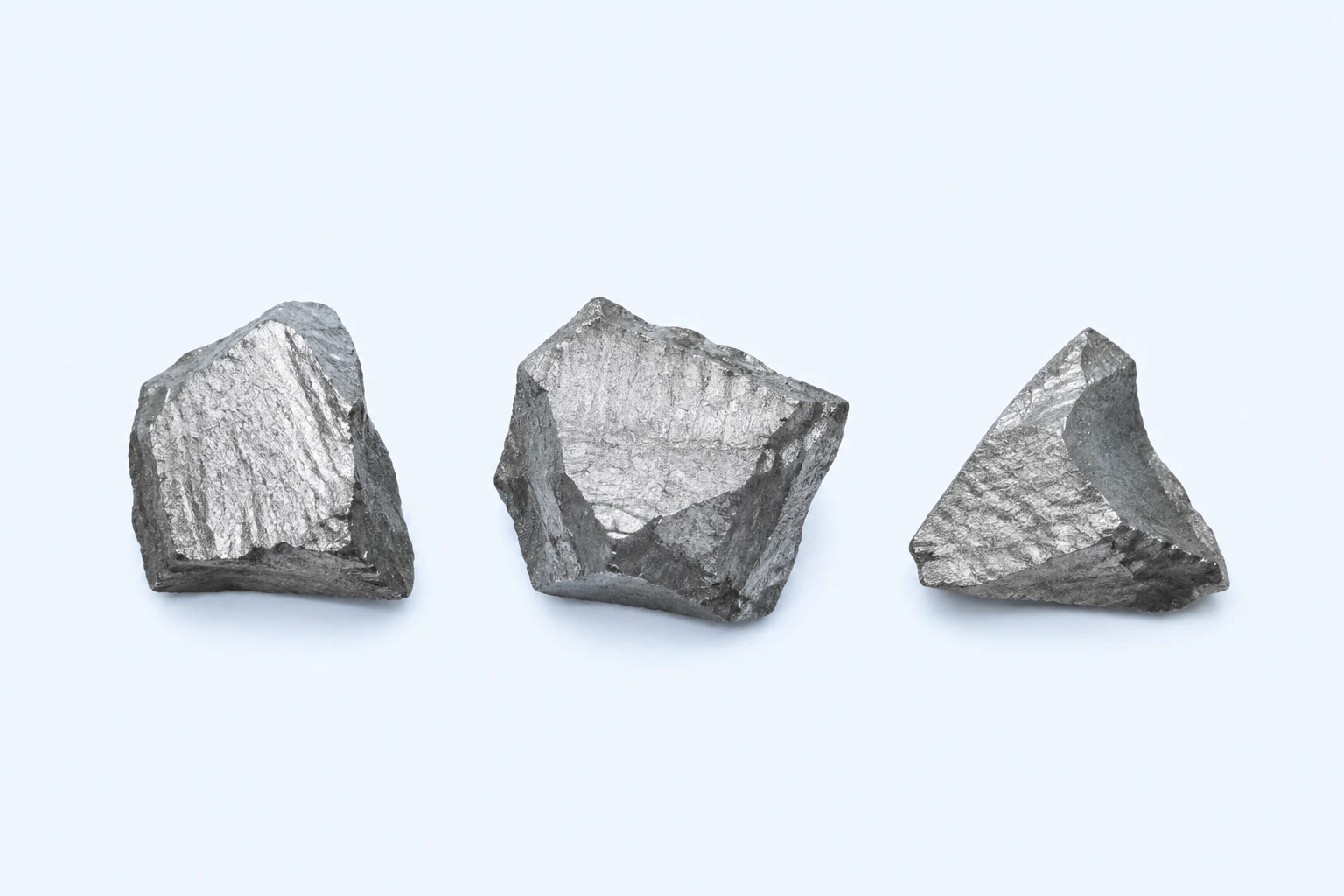
A non-essential metal and the most abundant metallic element in the Earth's crust. Unlike manganese, iron, or selenium, aluminum has no known biological function in humans. Its significance in metal toxicology stems from two major concerns: proven neurotoxicity at eleva…
Chromium is a transition metal (atomic number 24) whose toxicology is defined by a stark oxidation-state divide. Hexavalent chromium, Cr(VI), is an IARC Group 1 human carcinogen that causes DNA damage through a unique mechanism of intracellular reduction and ternary add…
A transition metal that is essential to human health exclusively as a component of cobalamin (vitamin B12), but toxic at higher levels of exposure. Cobalt occupies a distinctive position in metal biology: it is the only metal whose essential biological function in mamma…
The most abundant transition metal in the human body and arguably the most consequential metal in biology. Iron sits at the center of a paradox that drives pathology across virtually every disease domain: organisms need it for oxygen transport, energy metabolism, DNA sy…
Manganese is an essential trace element with a narrow therapeutic window: required as a cofactor for critical enzymes including Mn-SOD (SOD2), pyruvate carboxylase, arginase, and ribonucleotide reductase, yet profoundly neurotoxic at elevated levels martin 2022 manganes…
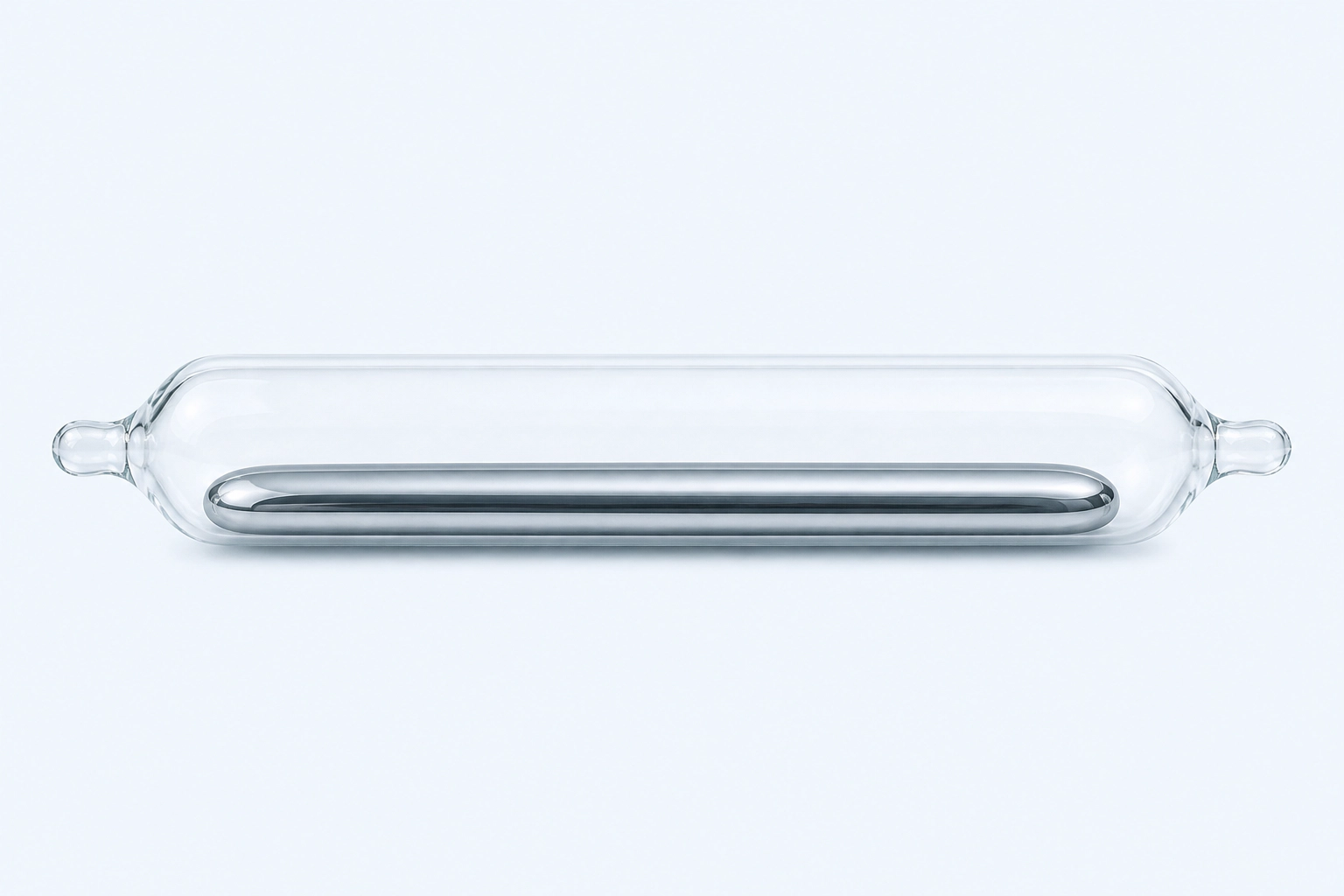
Mercury is the most toxic heavy metal with no known biological function. Its organic form -- methylmercury (MeHg) -- is the primary concern for dietary exposure via fish consumption. Mercury's toxicity centers on thiol group binding, glutathione depletion, and blood-bra…
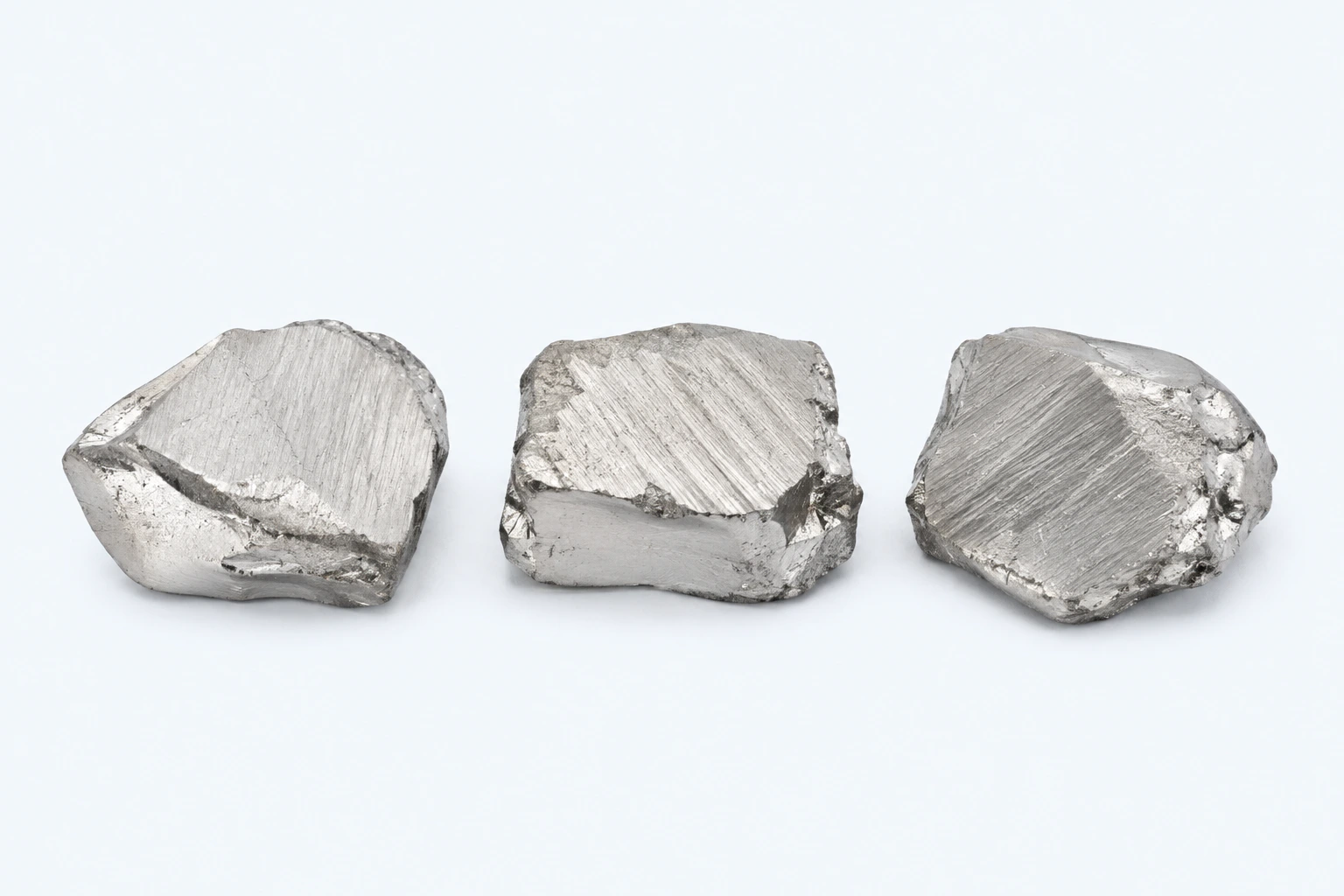
A non-essential metal with a dual toxicological profile: inorganic tin (from canned foods) causes primarily gastric irritation at high concentrations, while organotin compounds (tributyltin, trimethyltin) are far more toxic, acting as endocrine disruptors and neurotoxin…