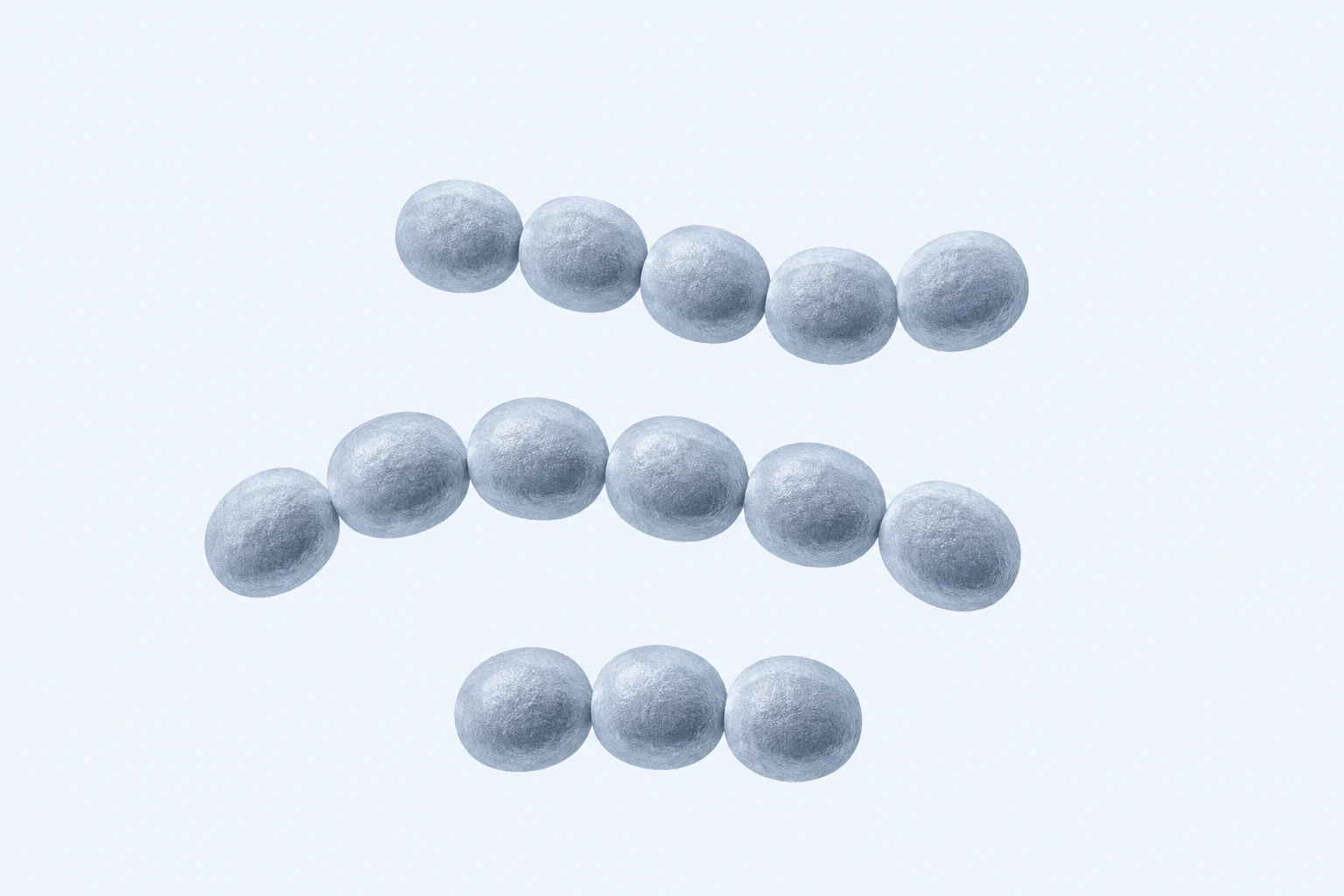
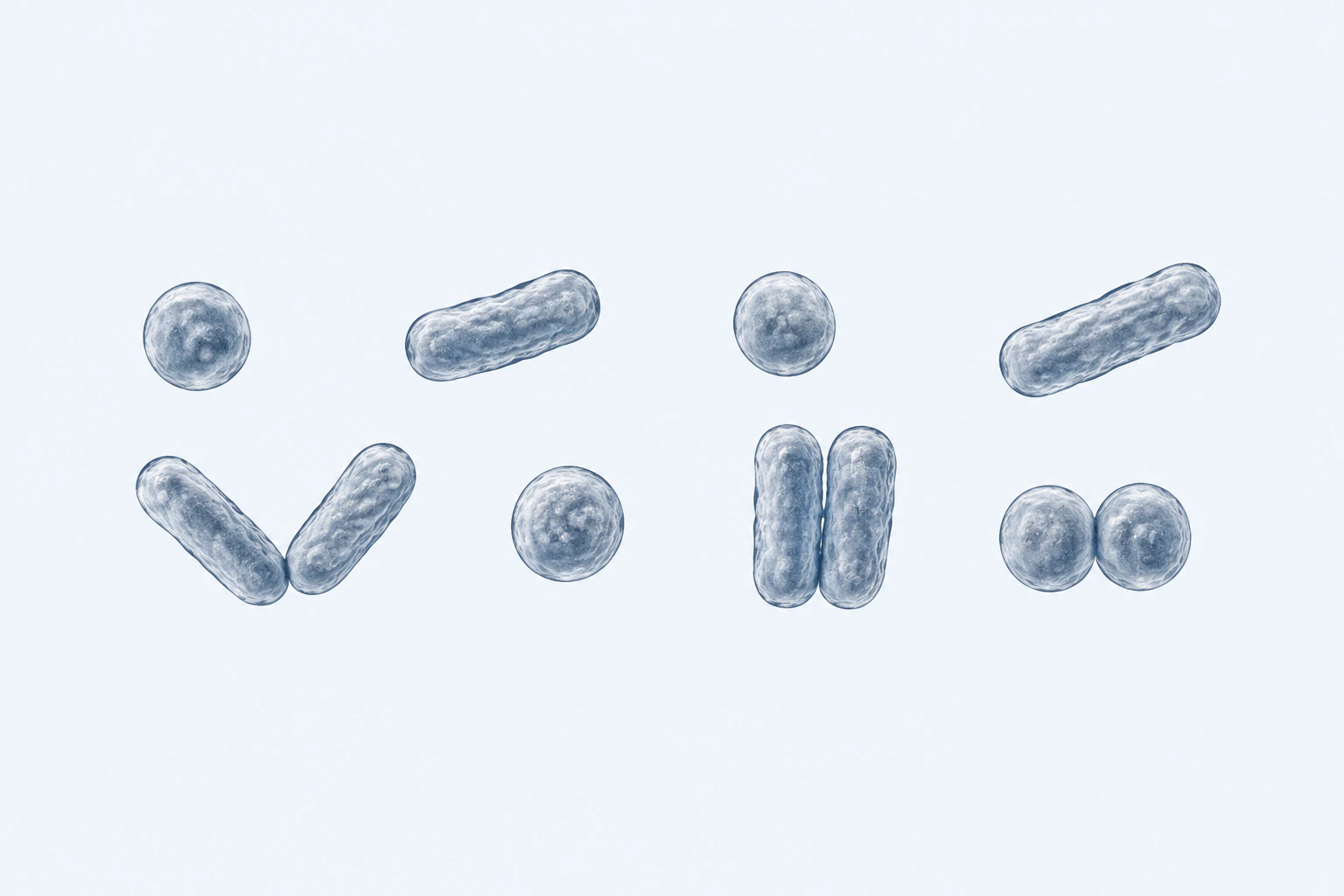
Streptococcus salivarius is a Gram-positive, facultatively anaerobic bacterium and one of the earliest colonizers of the human oral cavity. It dominates the tongue dorsum and saliva, representing up to 10% of the cultivable oral flora. S. salivarius occupies a paradoxic…
The oral microbiome is the second most complex microbial community in the human body after the gut, harboring ~700 species across distinct niches (tongue, buccal mucosa, gingival crevice, saliva, dental plaque). While traditionally studied in the context of dental disea…
Rothia is a genus of Gram-positive, facultatively anaerobic bacteria in the family Micrococcaceae (phylum Actinobacteria). The most commonly identified species in microbiome studies are Rothia dentocariosa and Rothia mucilaginosa, both of which are primary inhabitants o…
A severe neuropsychiatric disorder affecting approximately 1% of the global population, characterized by positive symptoms (hallucinations, delusions), negative symptoms (anhedonia, social withdrawal, flat affect), and cognitive deficits. Life expectancy is reduced by 1…