A pathotype of escherichia coli that adheres to and invades intestinal epithelial cells, survives and replicates within macrophages, and is strongly associated with ileal Crohn's disease. Unlike classical diarrheagenic E. coli pathotypes (EPEC, ETEC, EHEC), AIEC does no…
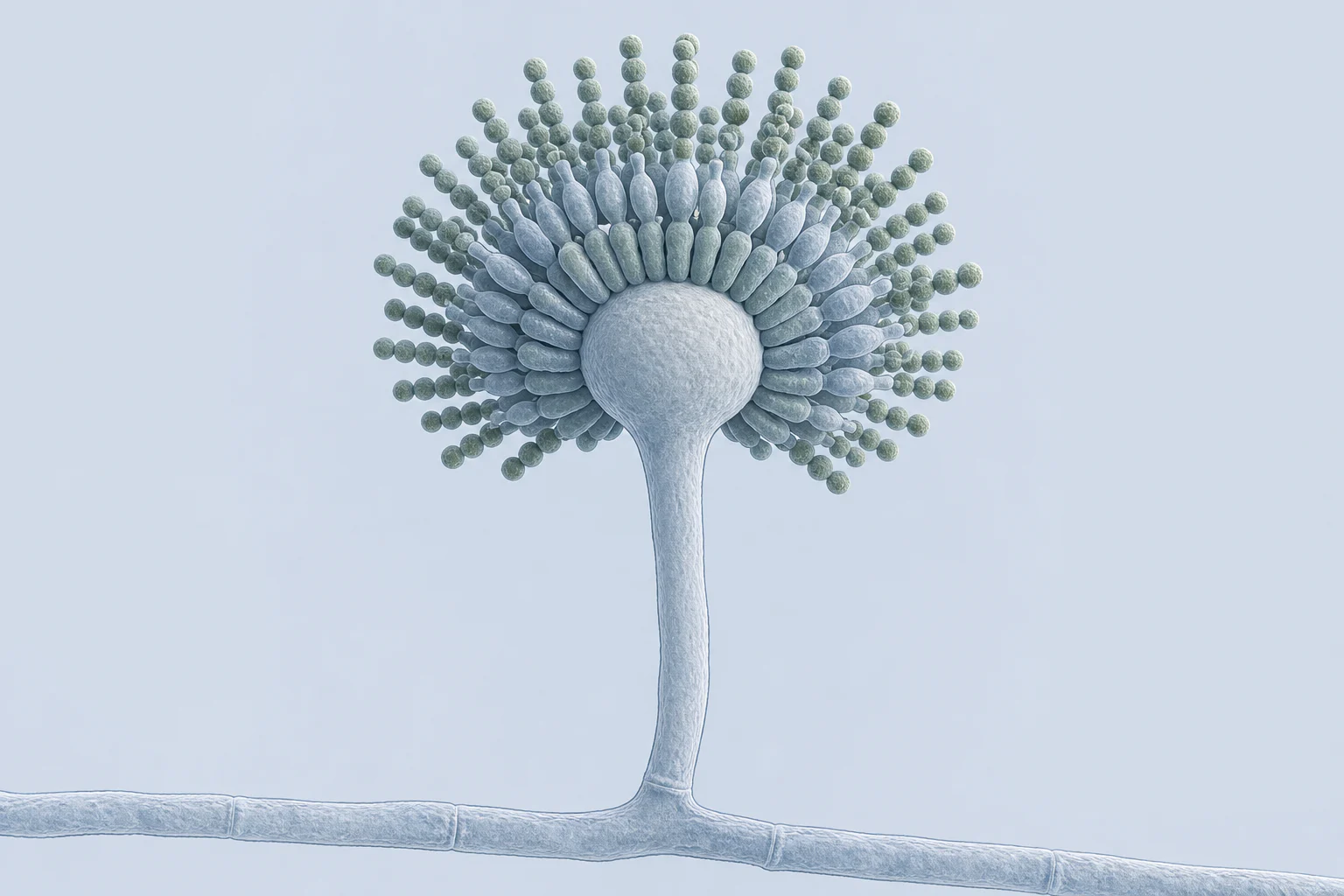
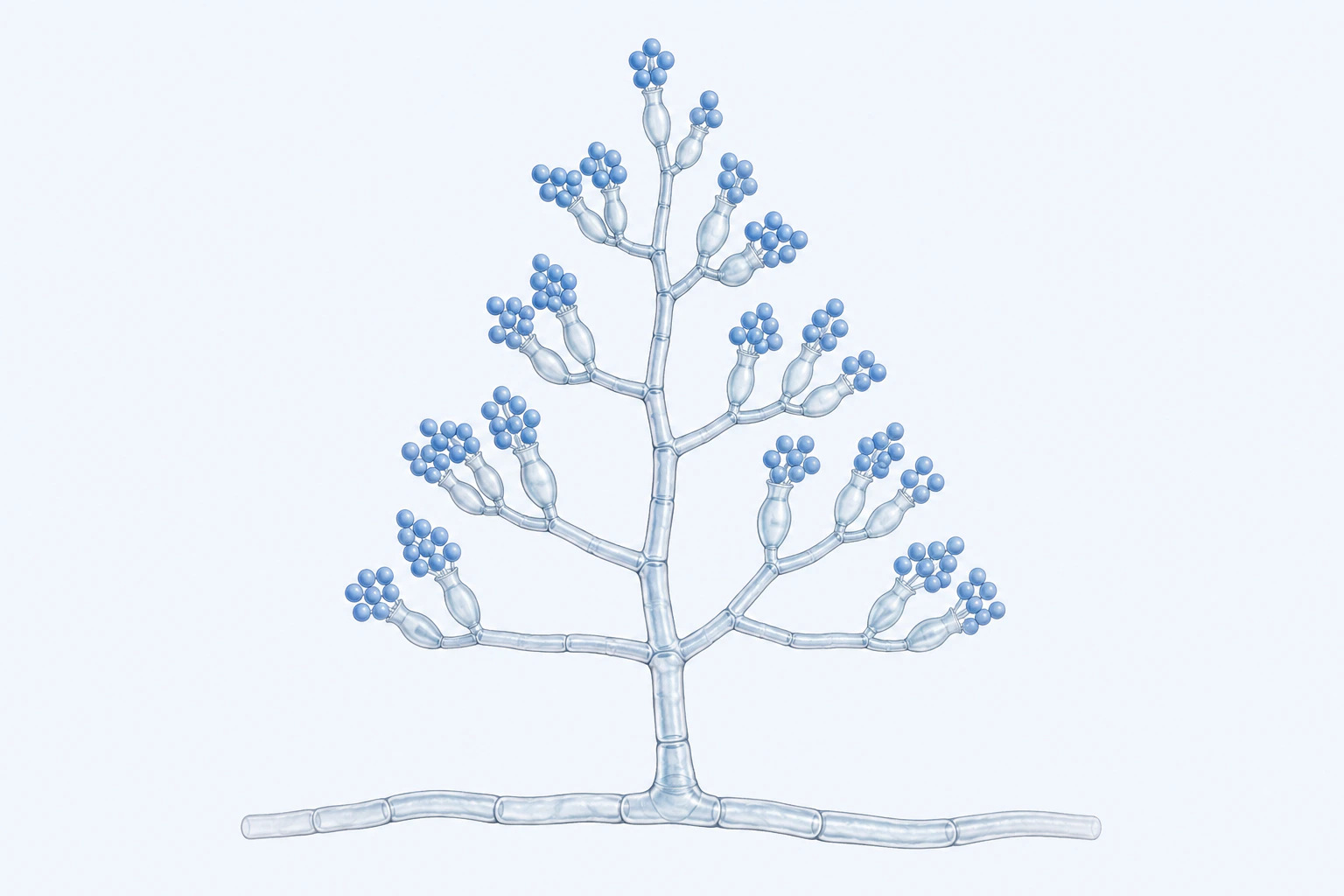
A ubiquitous filamentous fungal genus that is both an environmental saprophyte and an opportunistic human pathogen. A. fumigatus is the primary cause of invasive aspergillosis in immunocompromised patients, while A. niger is relevant to food contamination. The genus is …
Candida tropicalis is an opportunistic fungal pathogen and occasional gut commensal, increasingly recognized as one of the most clinically significant non-albicans Candida (NAC) species. Once considered a distant runner-up to C. albicans, it has emerged as a major drive…
Escherichia is a genus of Gram-negative, facultatively anaerobic bacteria in the Enterobacteriaceae family. The primary species E. coli is simultaneously the most studied bacterium in biology and one of the most consistently enriched organisms in disease-associated micr…
A Gram-negative obligate anaerobe that occupies a paradoxical niche in the gut microbiota: as a weak butyrate producer (short-chain fatty acid), it has anti-inflammatory potential; as a virulent invasive pathobiont in inflammatory bowel disease (particularly ulcerative …
Shigella is a genus of Gram-negative, facultatively anaerobic bacteria in the family Enterobacteriaceae, closely related to Escherichia coli — so closely that many 16S rRNA-based studies report them as the Escherichia/Shigella complex, unable to distinguish the two gene…
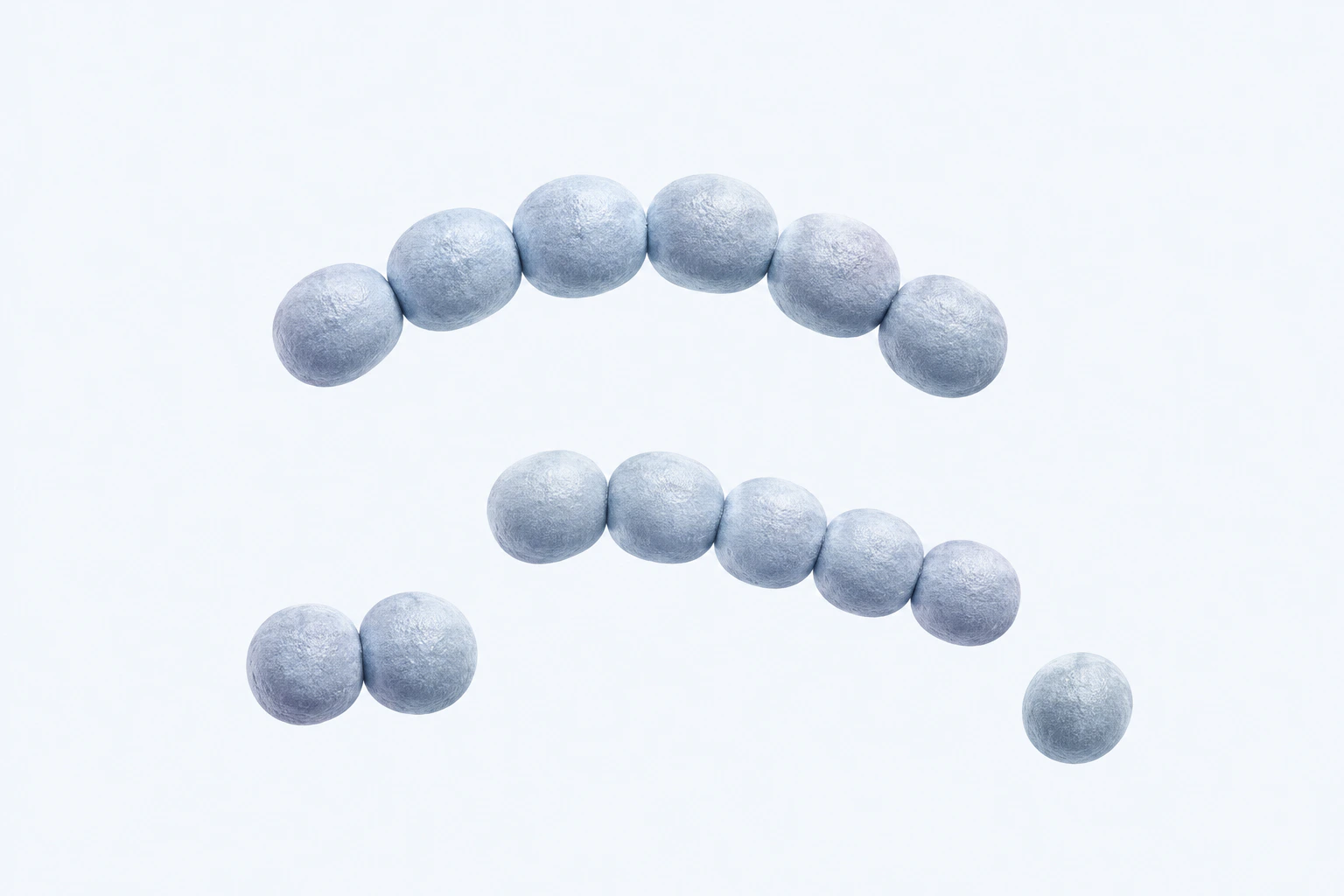
A genus of Gram-positive facultative anaerobes that occupy niches ranging from benign commensals (dental plaque, skin) to acute pathogens (pharyngitis, impetigo, invasive disease). Streptococci are uniquely manganese-dependent for catalytic scavenging of reactive oxygen…
Trichoderma is a genus of filamentous ascomycete fungi ubiquitous in soil and plant root ecosystems. Best known as a biological control agent against plant pathogens, Trichoderma species produce an arsenal of hydrolytic enzymes and antimicrobial compounds. Rarely, they …
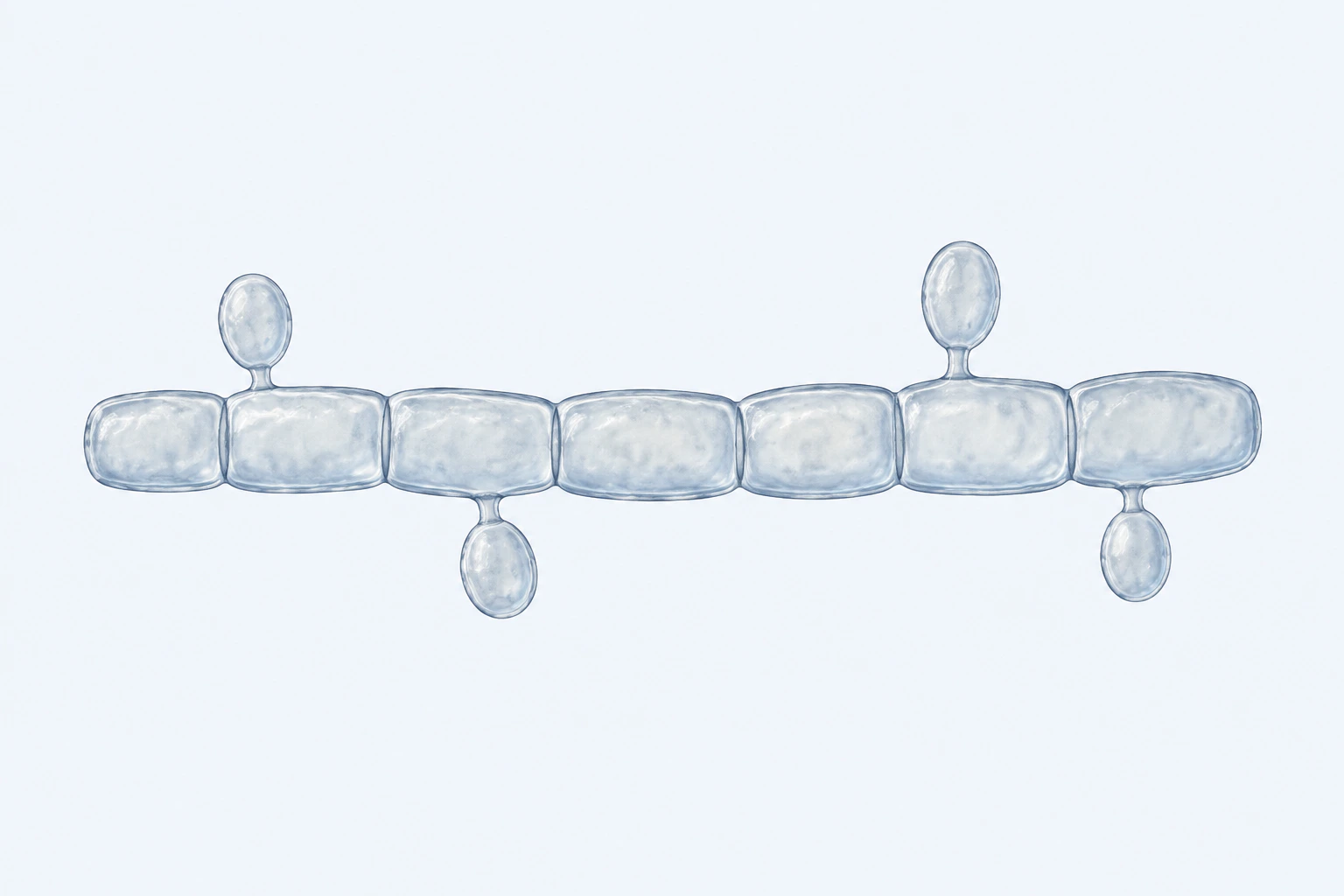
Trichosporon asahii is a basidiomycetous yeast found in soil, water, and on human skin. It is the primary cause of invasive trichosporonosis in immunocompromised patients, particularly those with neutropenia or hematologic malignancies. It is inherently resistant to ech…