Chelation Therapy
This knowledge-base record is being expanded from WikiBiome’s evidence graph.
WikiBiomeThe human microbiome encyclopediaRanked matches across titles, topics, categories, and article introductions, filtered to mechanism.
This knowledge-base record is being expanded from WikiBiome’s evidence graph.
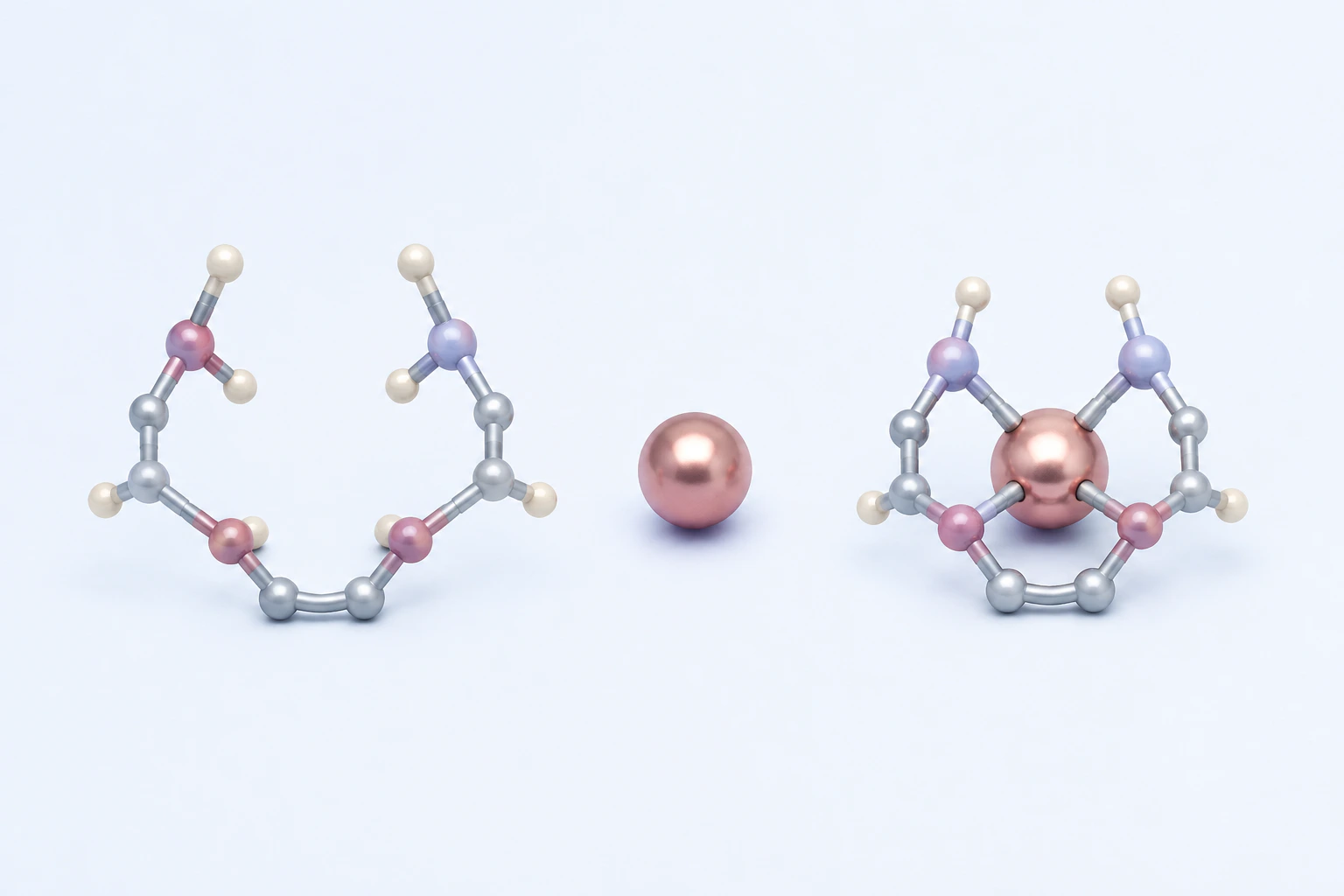
Chelation therapy uses molecules with high affinity for specific metal ions to form stable, excretable complexes, removing toxic metals from the body. The word derives from Greek "chele" (claw) -- the chelator grips the metal ion at multiple coordination sites. While ch…
This knowledge-base record is being expanded from WikiBiome’s evidence graph.
Oxalate (ethanedioic acid, C2O4^2-) is a small dicarboxylic acid found in many plant foods that has outsized significance for mineral metabolism and kidney health. In the gut, oxalate's fate is determined by a single specialist bacterium -- Oxalobacter formigenes -- who…
Oxidative stress is the imbalance between the production of reactive oxygen and nitrogen species (ROS/RNS) and the capacity of biological antioxidant defense systems to detoxify them. It is the single most commonly invoked mechanism across metal toxicology in this wiki,…
Polyphenols are a diverse class of plant-derived compounds characterized by multiple phenol structural units. They are among the most abundant antioxidants in the human diet, found in fruits, vegetables, tea, coffee, wine, chocolate, and spices. What makes polyphenols p…
Taurine (2-aminoethanesulfonic acid) is a sulfur-containing amino acid abundant in bile, heart, brain, and retina. Its primary metabolic role is bile acid conjugation — taurocholate and taurochenodeoxycholate are the taurine-conjugated primary bile acids that BSH-produc…