Anxiety disorders are the most prevalent mental health conditions globally, affecting ~280 million people (~4.8% of the world population). They encompass generalized anxiety disorder (GAD), social anxiety, panic disorder, and phobias. In the WikiBiome context, anxiety f…
Bipolar disorder is a chronic neuropsychiatric condition characterized by recurrent episodes of mania (or hypomania) and depression, affecting approximately 1-2.4% of the global population. It carries significant morbidity -- reduced life expectancy by 10-15 years, high…
Depression is the most prevalent mental health disorder globally, affecting over 280 million people zhu 2025 microbiota gut brain axis depression review, and one of the most metal-sensitive conditions in this wiki. It sits at the convergence of nearly every pathway cata…
Epilepsy is a chronic neurological disorder characterized by recurrent unprovoked seizures, affecting ~50 million people worldwide. Approximately 30% of patients have drug-resistant epilepsy -- a population where microbiome-targeted interventions (particularly the ketog…
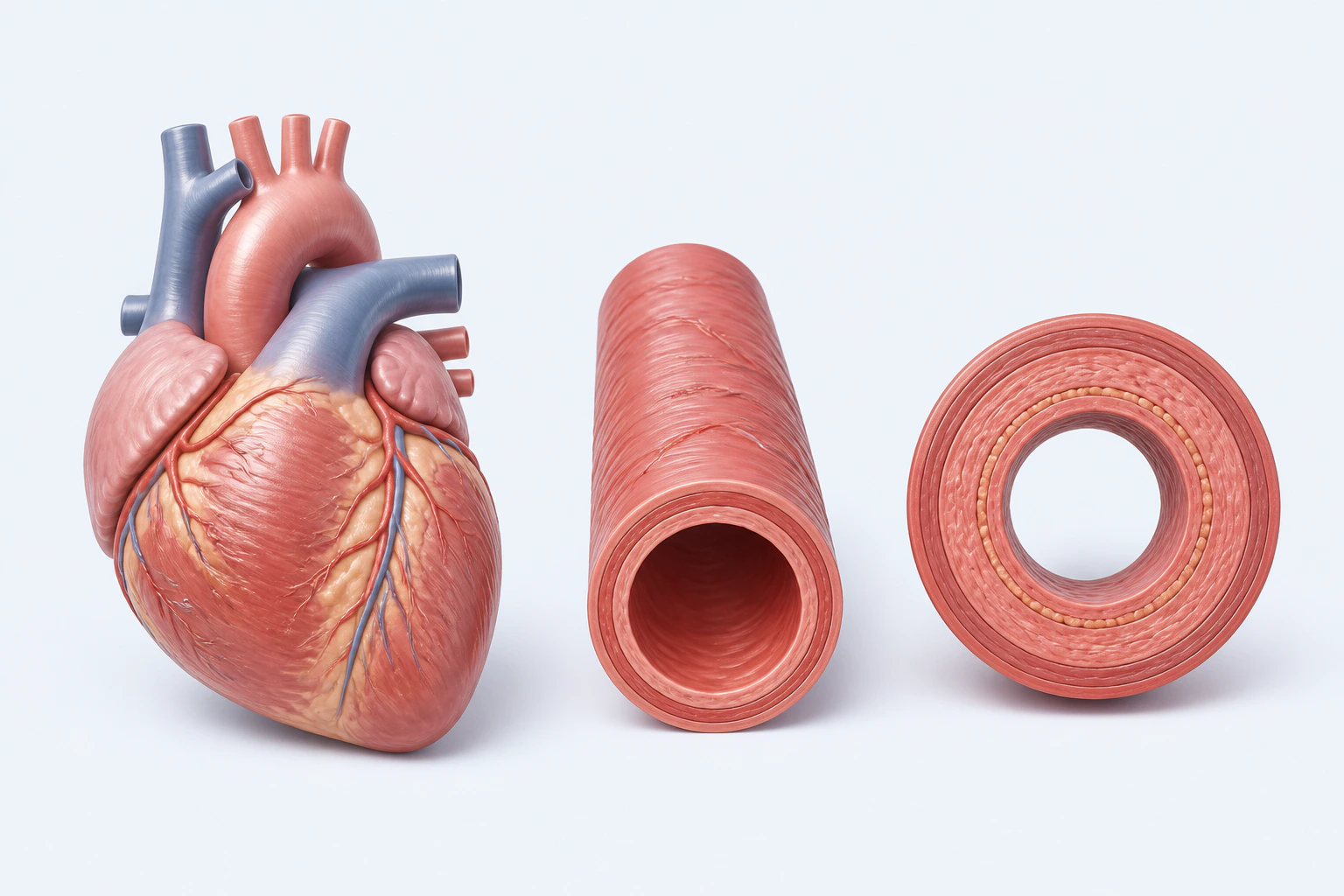
Sustained elevation of systemic blood pressure, affecting an estimated 1.3 billion adults worldwide and the leading modifiable risk factor for cardiovascular disease, stroke, and chronic kidney disease. The gut microbiome-blood pressure axis has emerged as a major resea…
An umbrella term for chronic relapsing-remitting inflammatory conditions of the gastrointestinal tract, principally crohns disease (CD; transmural, any GI segment) and ulcerative colitis (UC; mucosal, colon only). Approximately 6 million patients worldwide. IBD represen…
Premenstrual Dysphoric Disorder (PMDD) affects 3-8% of menstruating individuals Epperson et al. 2012, causing severe mood disturbances, irritability, anxiety, and physical symptoms during the luteal phase of the menstrual cycle. Distinguished from premenstrual syndrome …