Alloprevotella is a genus of Gram-negative, obligate anaerobic bacteria within the family Prevotellaceae that represents a distinct clade from prevotella with specific protective roles in type 2 diabetes prevention and metabolic health. Alloprevotella depletion is one o…
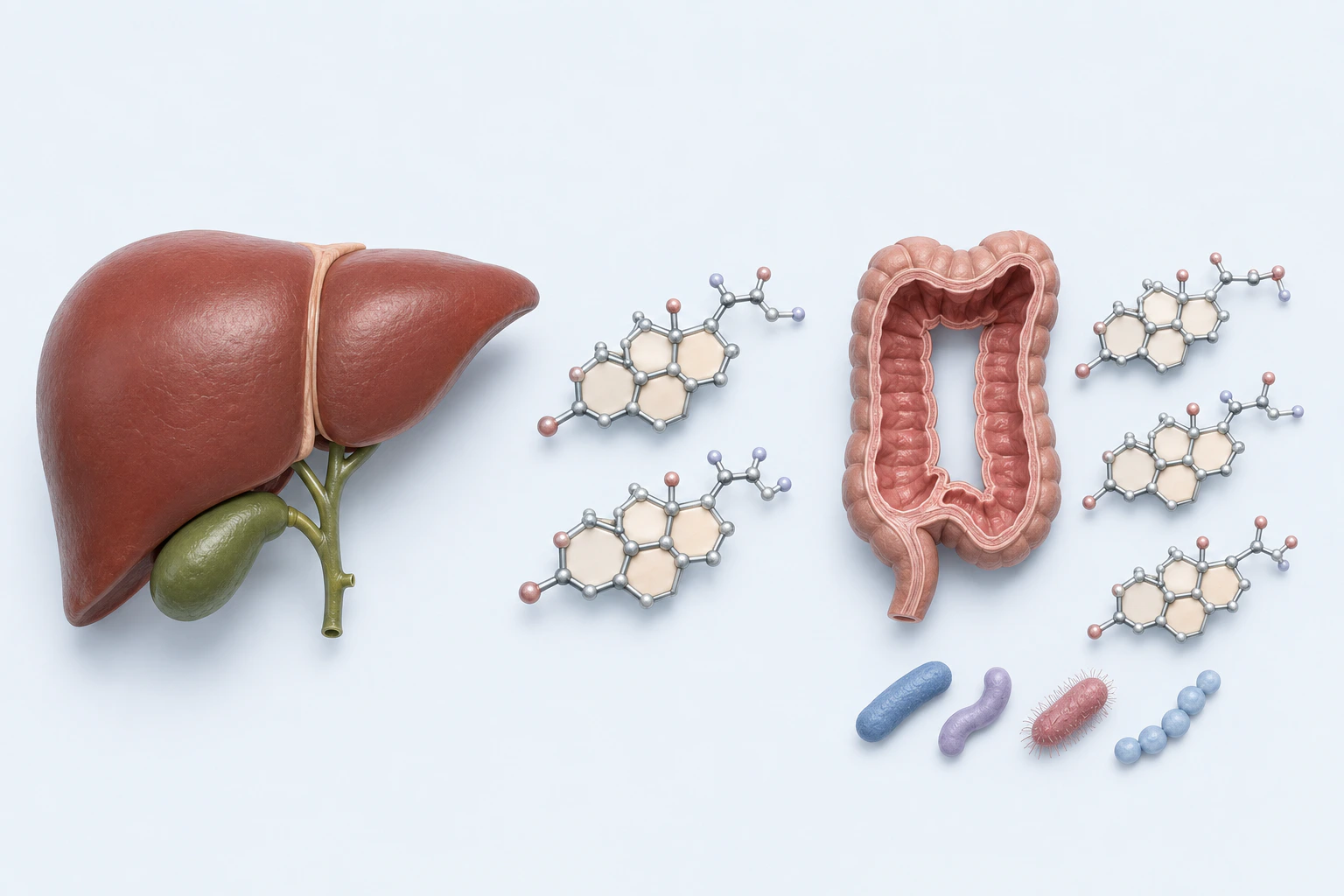
Bile acids are cholesterol-derived amphipathic molecules synthesized in the liver, secreted into the duodenum, and extensively modified by gut bacteria. The host-microbe co-metabolism of bile acids creates a signaling network with profound effects on lipid metabolism, g…
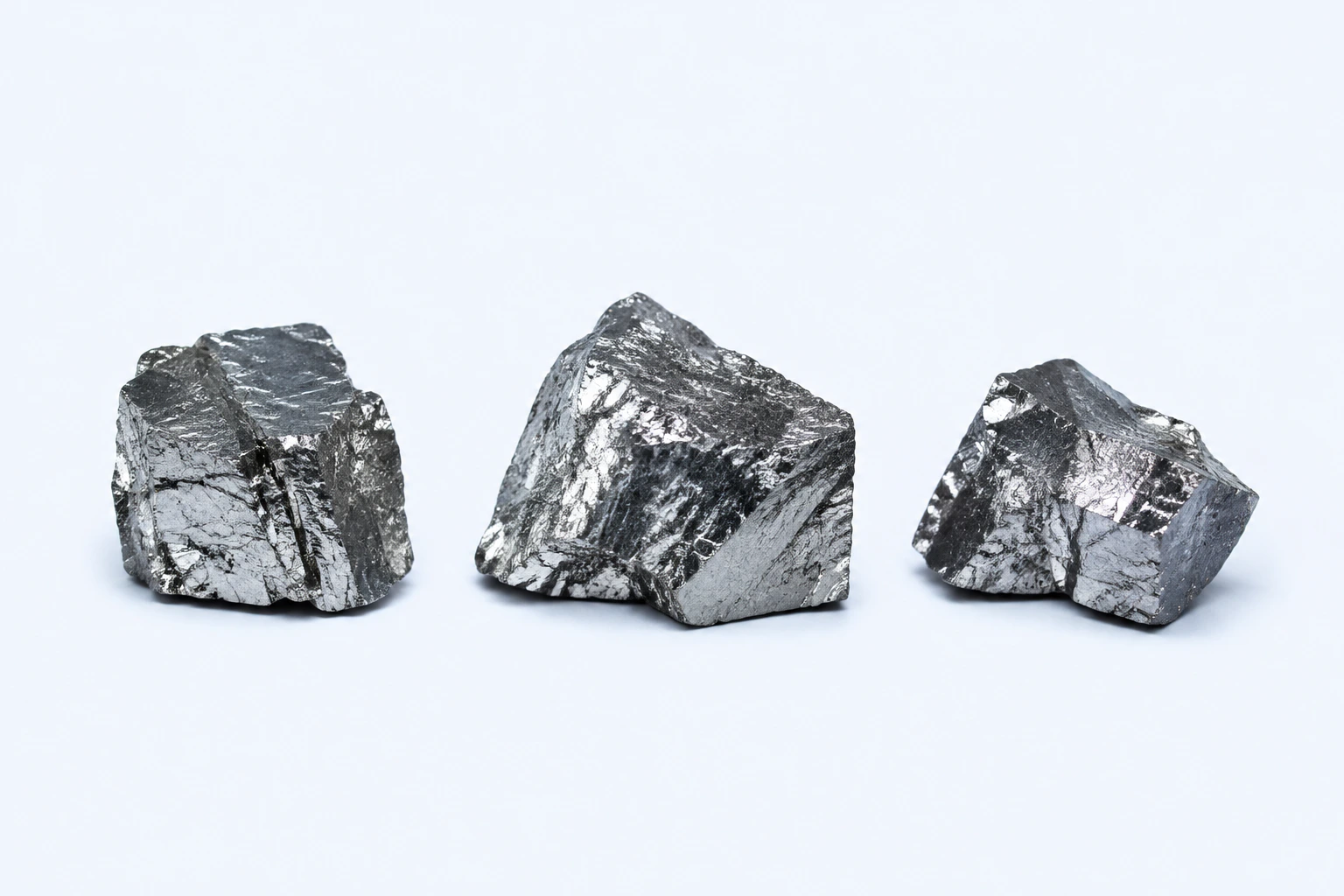
Chromium is a transition metal (atomic number 24) whose toxicology is defined by a stark oxidation-state divide. Hexavalent chromium, Cr(VI), is an IARC Group 1 human carcinogen that causes DNA damage through a unique mechanism of intracellular reduction and ternary add…
The farnesoid X receptor (FXR), also known as NR1H4, is a nuclear receptor that functions as the primary bile acid sensor in the body. Activated by bile acids — especially chenodeoxycholic acid (CDCA) — FXR regulates bile acid synthesis, cholesterol metabolism, glucose …
Gestational diabetes mellitus (GDM) is a condition of glucose intolerance first recognized during pregnancy, affecting approximately 14% of pregnancies worldwide. It carries risks for both mother and offspring, including increased likelihood of developing type 2 diabete…
A condition in which cells fail to respond normally to insulin, requiring progressively higher insulin levels to maintain glucose homeostasis. Insulin resistance is central to PCOS, type 2 diabetes, and metabolic syndrome, and has extensive but complex connections to me…
A cluster of conditions — high blood pressure, impaired fasting glucose, insulin resistance, abdominal obesity (BMI ≥25), high triglycerides, low HDL-C — defined by the presence of ≥3 components. Emerging evidence links MetS to environmental nickel exposure, though find…
Nickel-glyoxalase (Ni-GlxI) is a bacterial variant of the glyoxalase I enzyme system that depends on nickel as its essential metal cofactor. This enzyme detoxifies methylglyoxal (MG), a toxic glycolysis byproduct that accumulates under glucose fermentation. Unlike the h…
While Cr(III) deficiency may contribute to glucose intolerance, supplementation trials have produced inconsistent results. The disconnect between mechanistic plausibility and clinical trial evidence suggests that Cr supplementation may only benefit the subset of patient…
Type 2 diabetes (T2D) is a metabolic disease characterized by insulin resistance and progressive beta-cell dysfunction, affecting over 500 million people worldwide (IDF Diabetes Atlas 2021). The conventional framing centers on caloric excess and sedentary behavior. The …