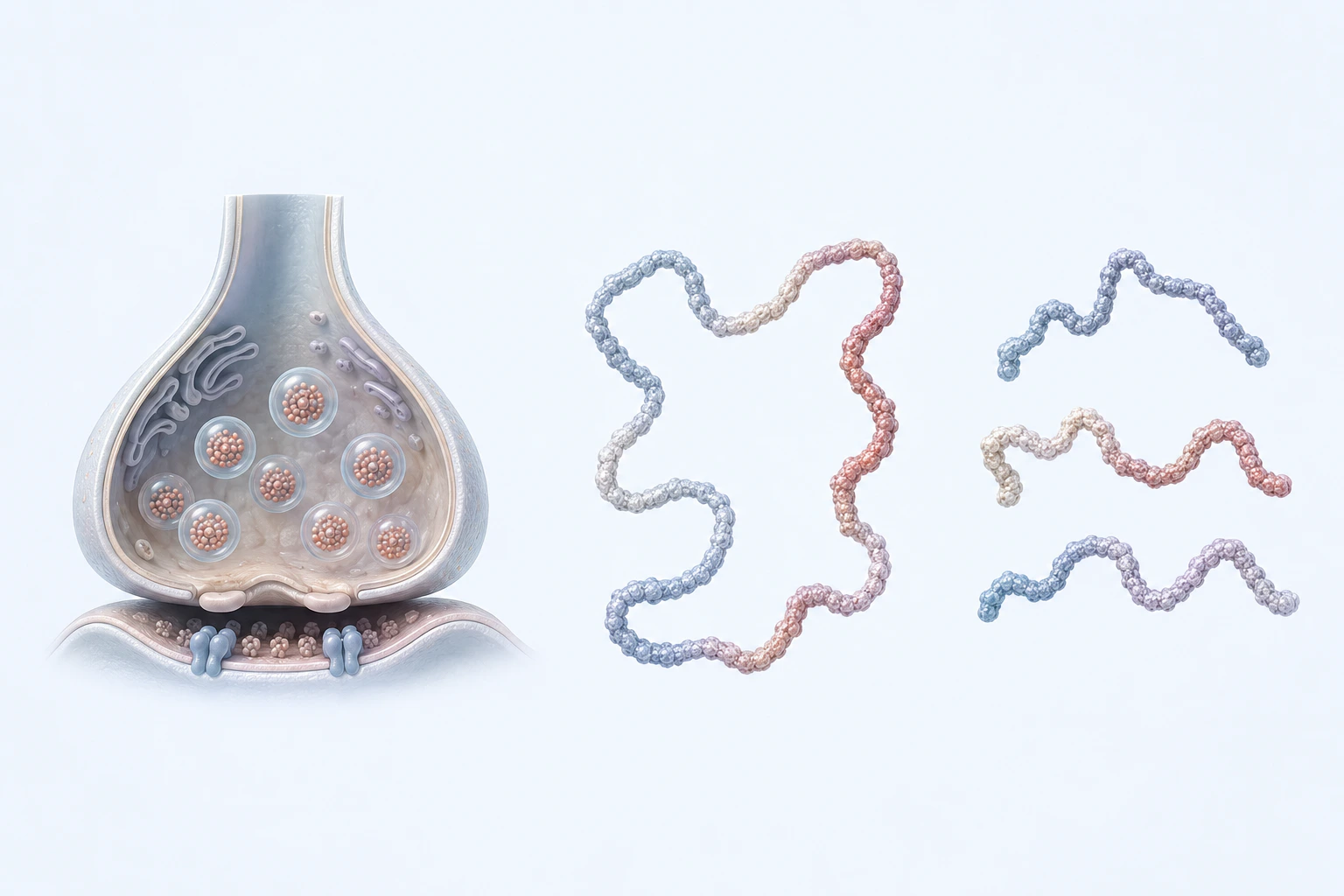
A 140-amino-acid presynaptic protein whose misfolding into insoluble fibrils and their deposition in Lewy bodies is the defining neuropathological hallmark of parkinsons disease and the broader family of synucleinopathies (including Lewy body dementia and multiple syste…
Aspirin (acetylsalicylic acid) is a non-steroidal anti-inflammatory drug (NSAID) that irreversibly inhibits cyclooxygenase (COX) enzymes, suppressing prostaglandin synthesis. While widely used as an antiplatelet and anti-inflammatory agent, aspirin carries significant i…
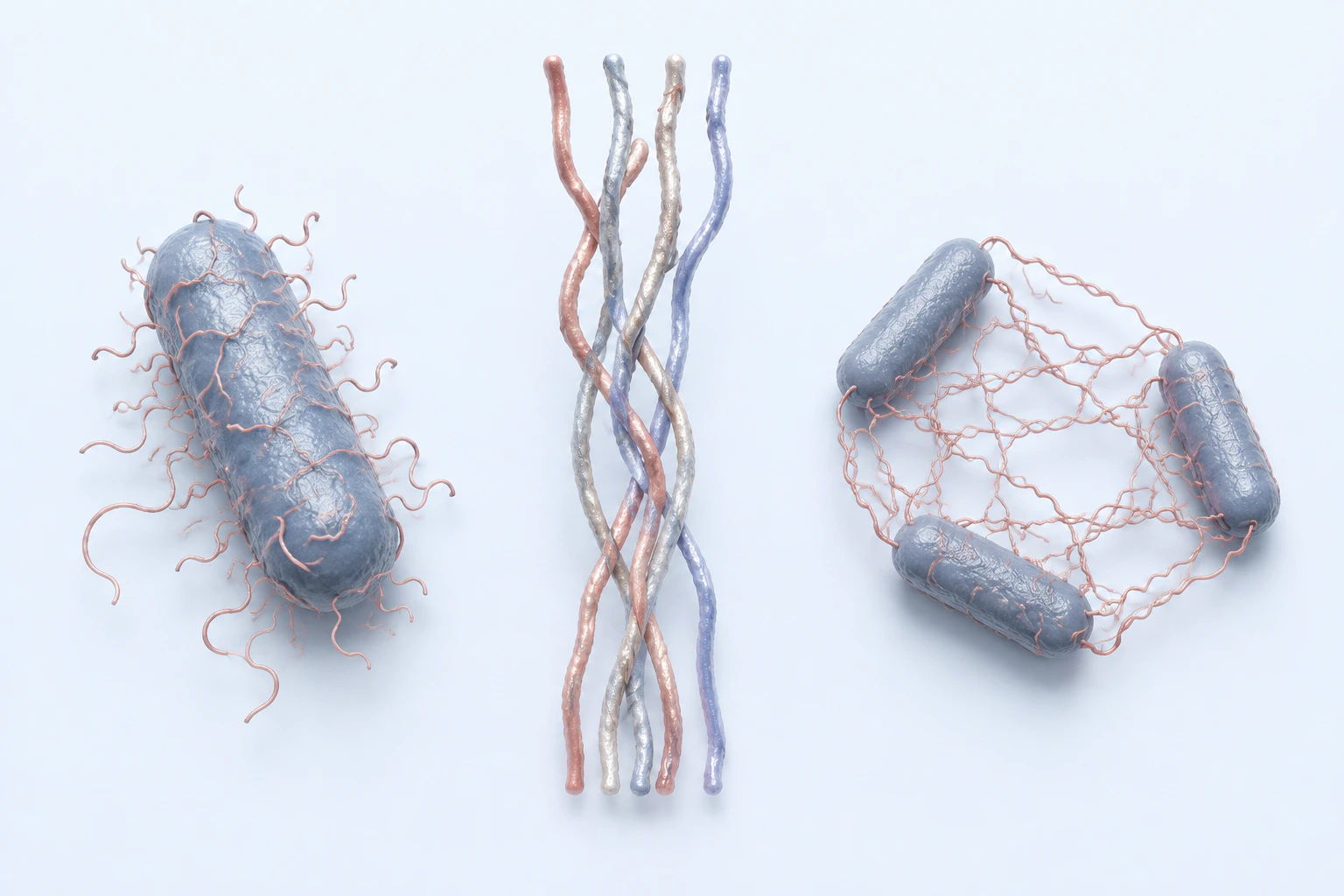
Curli are functional amyloid fibers produced by escherichia coli, salmonella, and other Enterobacteriaceae as the primary protein component of their extracellular biofilm matrix. The curli subunit CsgA polymerizes into cross-beta-sheet amyloid fibrils that are structura…
The Fenton reaction is the iron-catalyzed generation of hydroxyl radicals (OH.) from hydrogen peroxide -- the most reactive oxygen species in biology. Discovered by H.J.H. Fenton in 1894, this reaction is the mechanistic bridge between metal accumulation and oxidative t…
Ferroptosis is a form of iron-dependent regulated cell death driven by the accumulation of lipid peroxides on cellular membranes pendergrass 2026 microbial metallomics parkinsons ferroptosis, riederer 2021 iron concert master parkinsons. Unlike apoptosis or necrosis, fe…
An umbrella concept encompassing the metallomic dimensions of Alzheimer's disease, Parkinson's disease, and other neurodegenerative conditions. The brain is uniquely vulnerable to metal toxicity: it has high metabolic demand, limited regenerative capacity, region-specif…
Statins (HMG-CoA reductase inhibitors) are the most widely prescribed drug class globally, used primarily for cholesterol lowering and cardiovascular risk reduction. Over 200 million people take statins worldwide. Beyond their canonical mechanism of inhibiting cholester…