Fenton Chemistry
This knowledge-base record is being expanded from WikiBiome’s evidence graph.
WikiBiomeThe human microbiome encyclopediaRanked matches across titles, topics, categories, and article introductions, filtered to mechanism.
This knowledge-base record is being expanded from WikiBiome’s evidence graph.
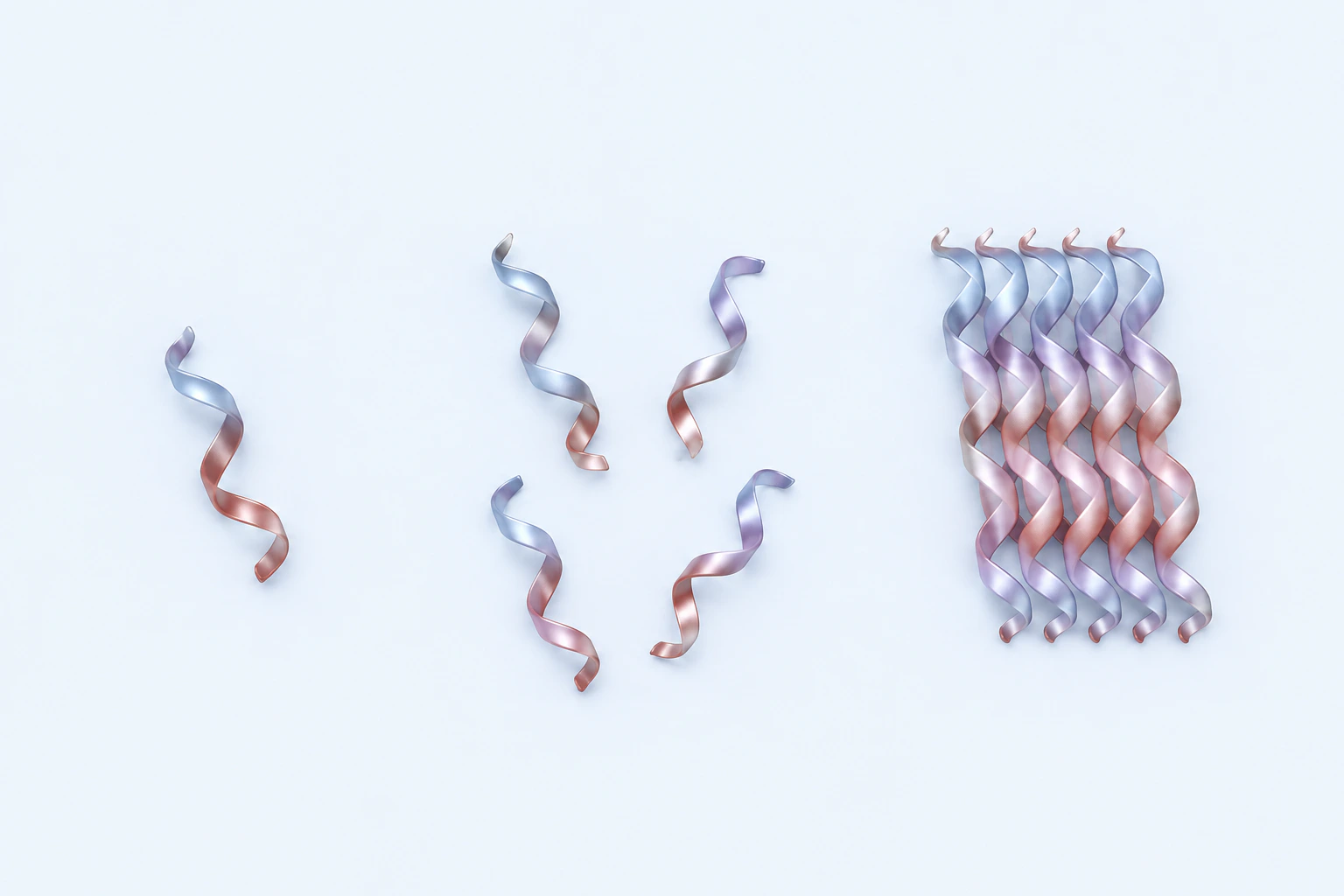
The process by which soluble amyloid-beta (Aβ) monomers assemble into neurotoxic oligomers and insoluble fibrillar plaques in the brain -- the defining neuropathological event of alzheimers disease. What distinguishes WikiBiome's treatment of this process from conventio…
This knowledge-base record is being expanded from WikiBiome’s evidence graph.
The third nickel-dependent enzyme class in human pathogens, after urease and hydrogenase. Glyoxalase I detoxifies methylglyoxal, a reactive and toxic byproduct of glycolysis. While less well-known than urease or hydrogenase as a virulence factor, GloI is emerging as a s…
[NiFe] hydrogenases are the second major nickel-dependent virulence factor class in human pathogens. Less widespread than urease but critical for energy metabolism in gastric, enteric, and intracellular pathogens. The discovery that H. pylori hydrogenase powers CagA tra…
This knowledge-base record is being expanded from WikiBiome’s evidence graph.
Oxidative stress is the imbalance between the production of reactive oxygen and nitrogen species (ROS/RNS) and the capacity of biological antioxidant defense systems to detoxify them. It is the single most commonly invoked mechanism across metal toxicology in this wiki,…
The most widespread nickel-dependent virulence factor across human pathogens. Urease is found in at least 40 prokaryotic and 9 eukaryotic pathogenic species, making it the single most important enzyme linking dietary/environmental nickel to infectious disease.