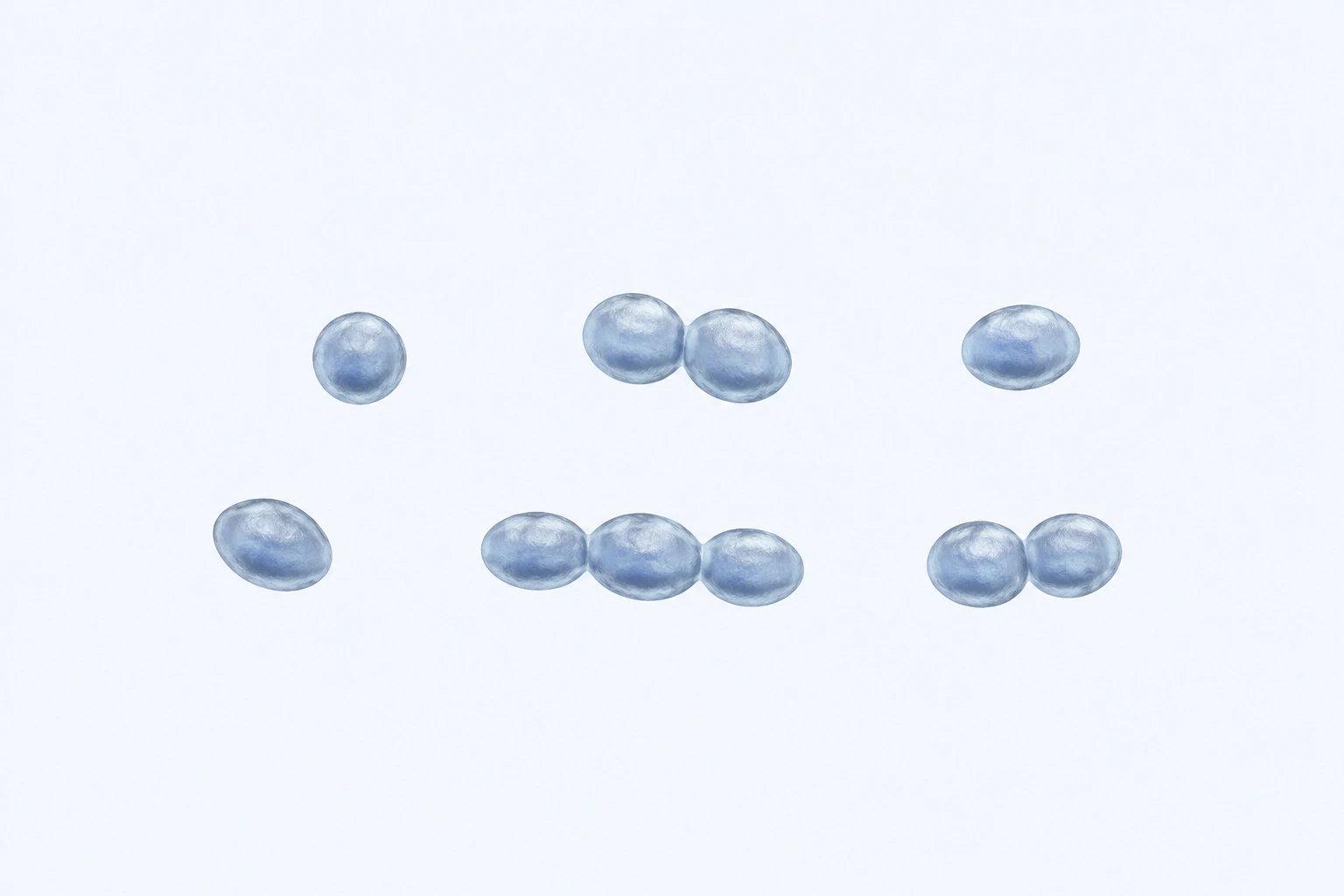

Bacteroides thetaiotaomicron
This knowledge-base record is being expanded from WikiBiome’s evidence graph.
WikiBiomeThe human microbiome encyclopediaRanked matches across titles, topics, categories, and article introductions, filtered to microbe.
This knowledge-base record is being expanded from WikiBiome’s evidence graph.
Bifidobacterium breve is a Gram-positive, obligate anaerobic species within the phylum Actinobacteria, predominantly found in the infant gut and breast milk. It is among the earliest colonizers of the neonatal intestine and plays a key role in human milk oligosaccharide…
Butyrivibrio is a genus of Gram-positive, obligate anaerobic bacteria within the family Lachnospiraceae (phylum Firmicutes). Originally characterized as a dominant fiber-fermenting genus in the rumen, Butyrivibrio species are also found in the human colon where they con…
Clostridium symbiosum is a Gram-positive, obligately anaerobic bacterium within the Clostridium cluster XIVa — a taxonomic group enriched for short-chain fatty acid (SCFA) producers and specialized bile acid metabolizers. Despite its ambiguous name (suggesting symbiotic…
A Gram-negative, obligate anaerobic bacterium that has emerged as the most consistently CRC-associated microorganism in human gut microbiome studies. F. nucleatum is the primary species of concern, originally a commensal of the oral cavity that translocates to colorecta…
A Gram-positive, obligate anaerobic bacterium within the Firmicutes phylum (family Peptostreptococcaceae) that has emerged as a consistently enriched organism in the colorectal cancer tumor microenvironment. While fusobacterium nucleatum receives the most attention as a…