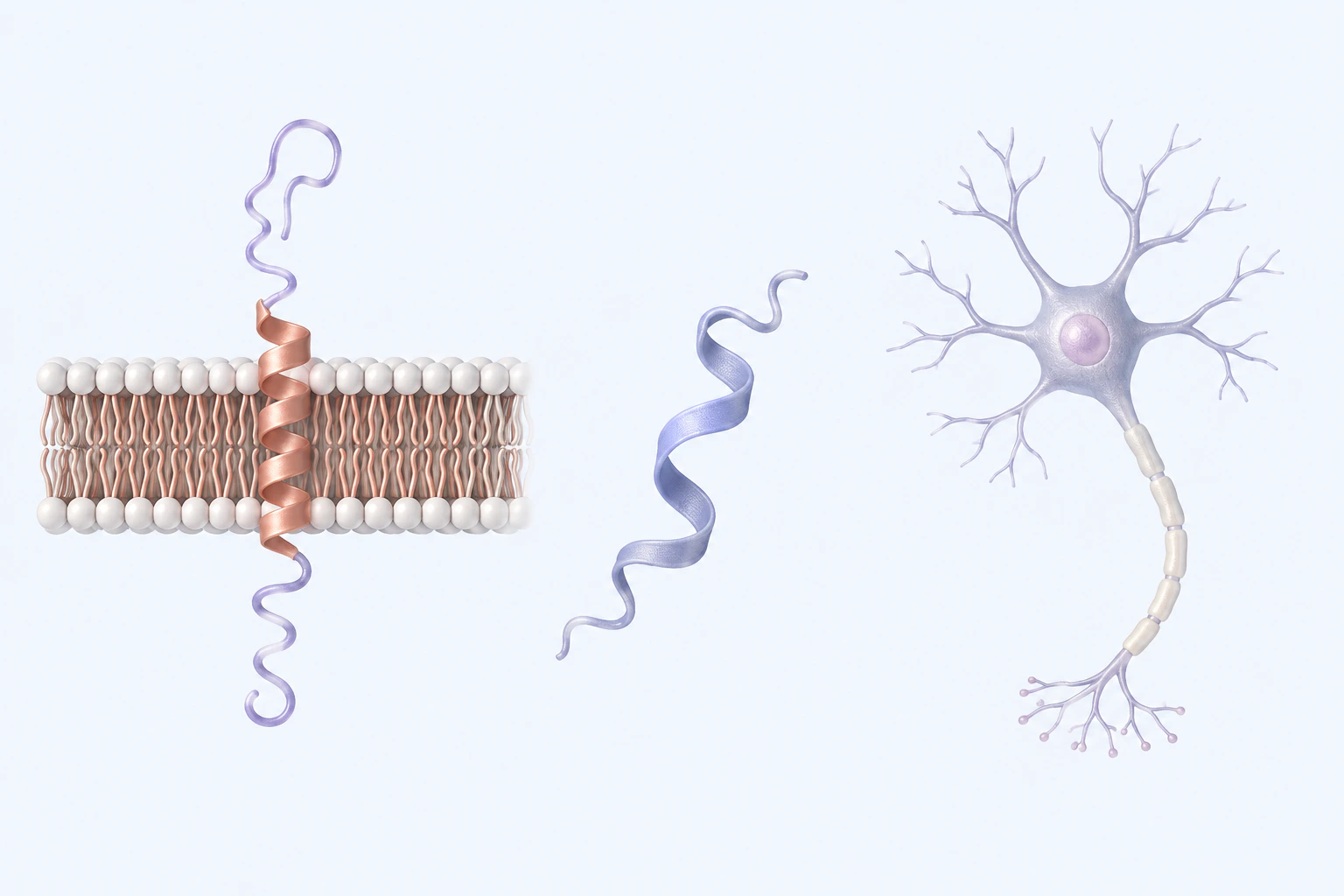
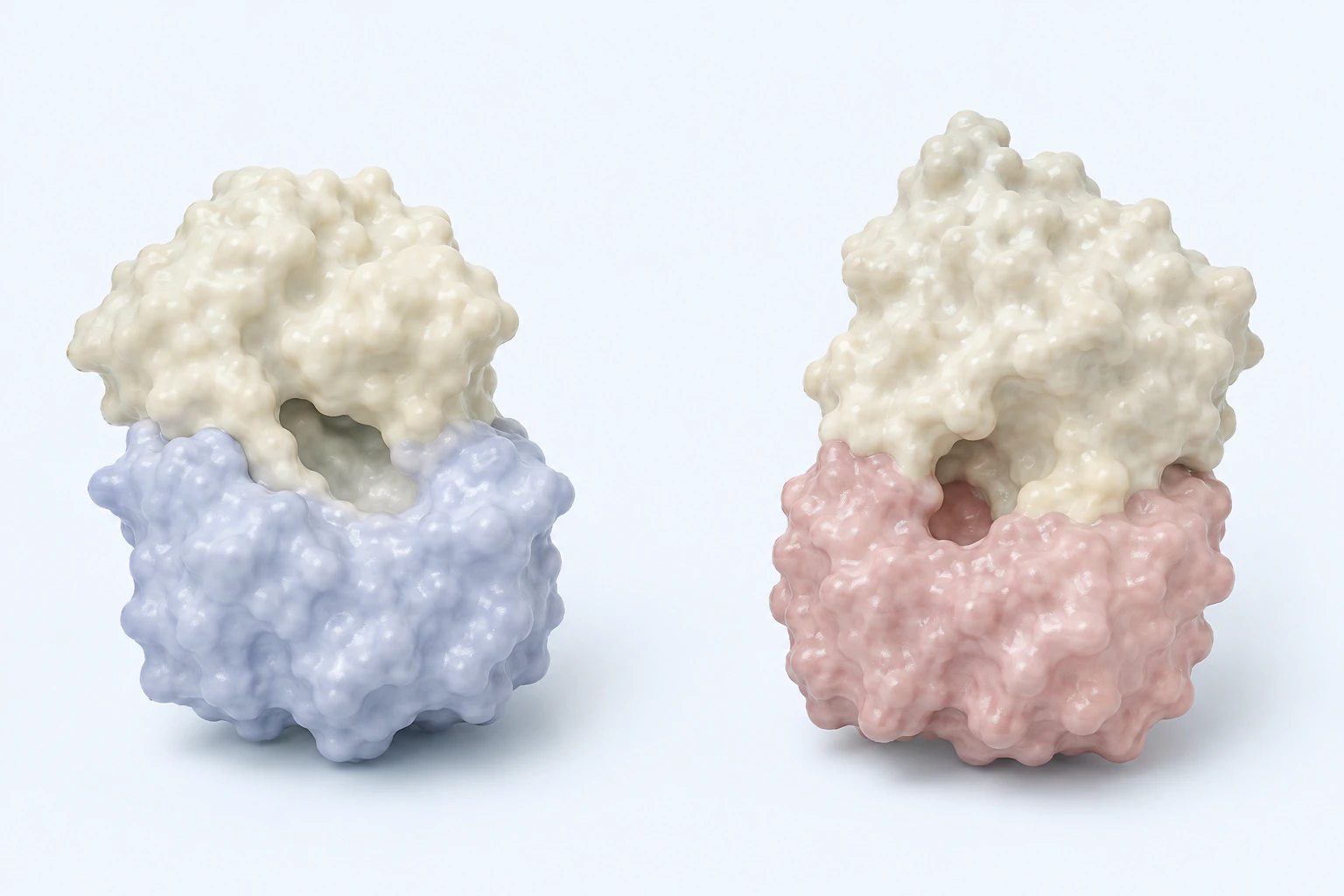
Amyloid-beta (Aβ) is a 36–43 amino acid peptide derived from the proteolytic cleavage of amyloid precursor protein (APP) by beta-secretase (BACE1) and gamma-secretase. Its aggregation from soluble monomers into insoluble fibrillar plaques in the brain is the defining ne…
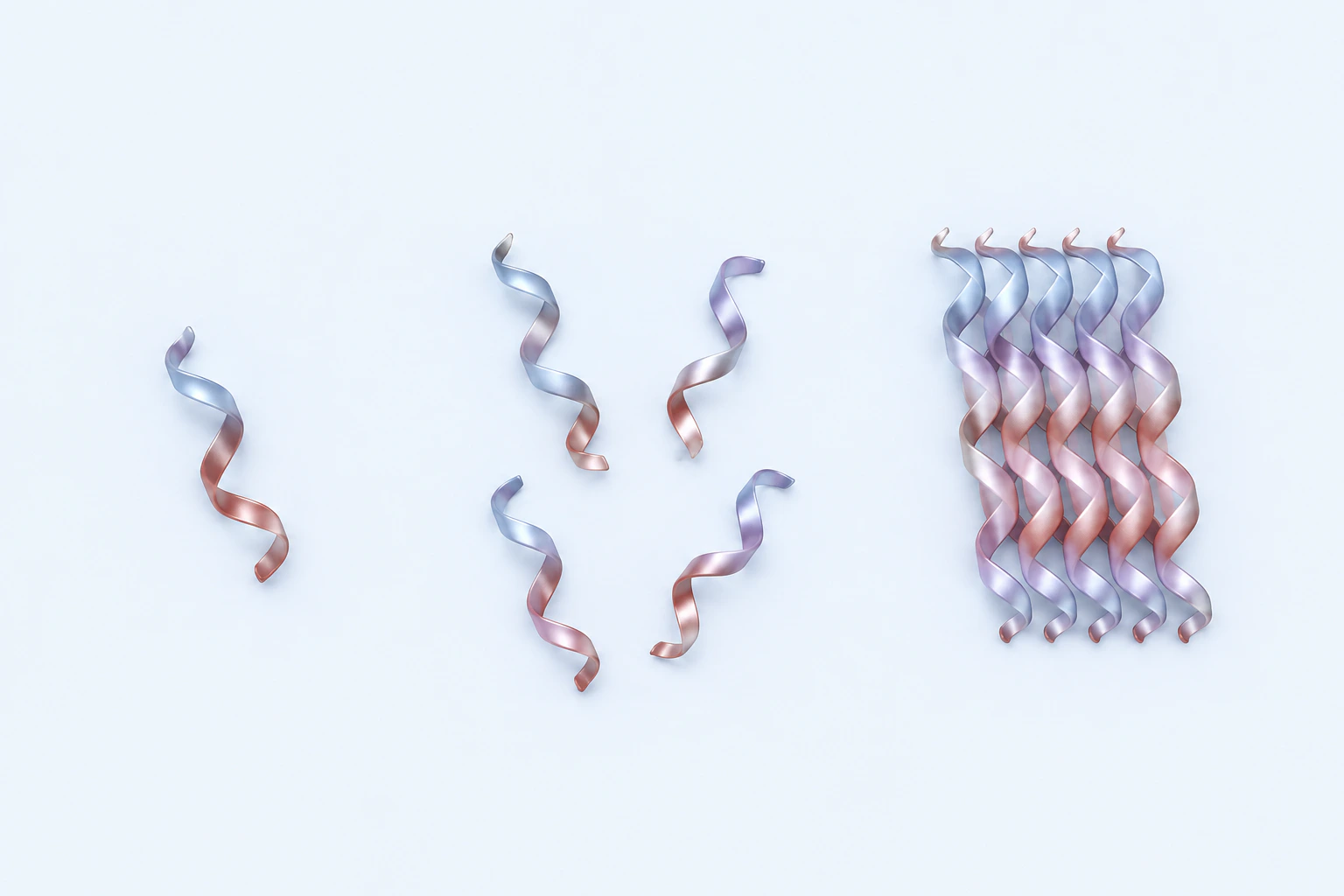
The process by which soluble amyloid-beta (Aβ) monomers assemble into neurotoxic oligomers and insoluble fibrillar plaques in the brain -- the defining neuropathological event of alzheimers disease. What distinguishes WikiBiome's treatment of this process from conventio…
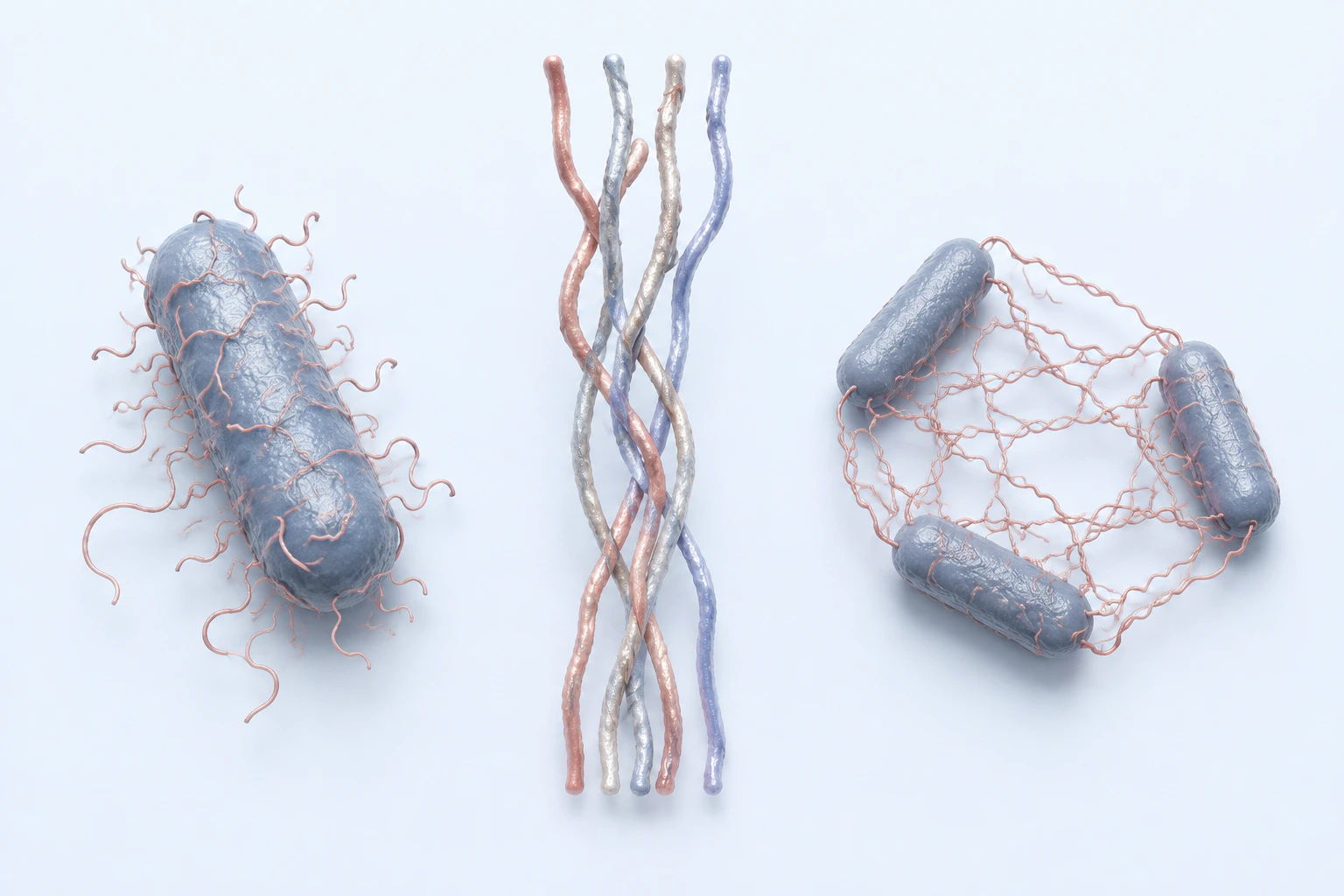
Curli are functional amyloid fibers produced by escherichia coli, salmonella, and other Enterobacteriaceae as the primary protein component of their extracellular biofilm matrix. The curli subunit CsgA polymerizes into cross-beta-sheet amyloid fibrils that are structura…
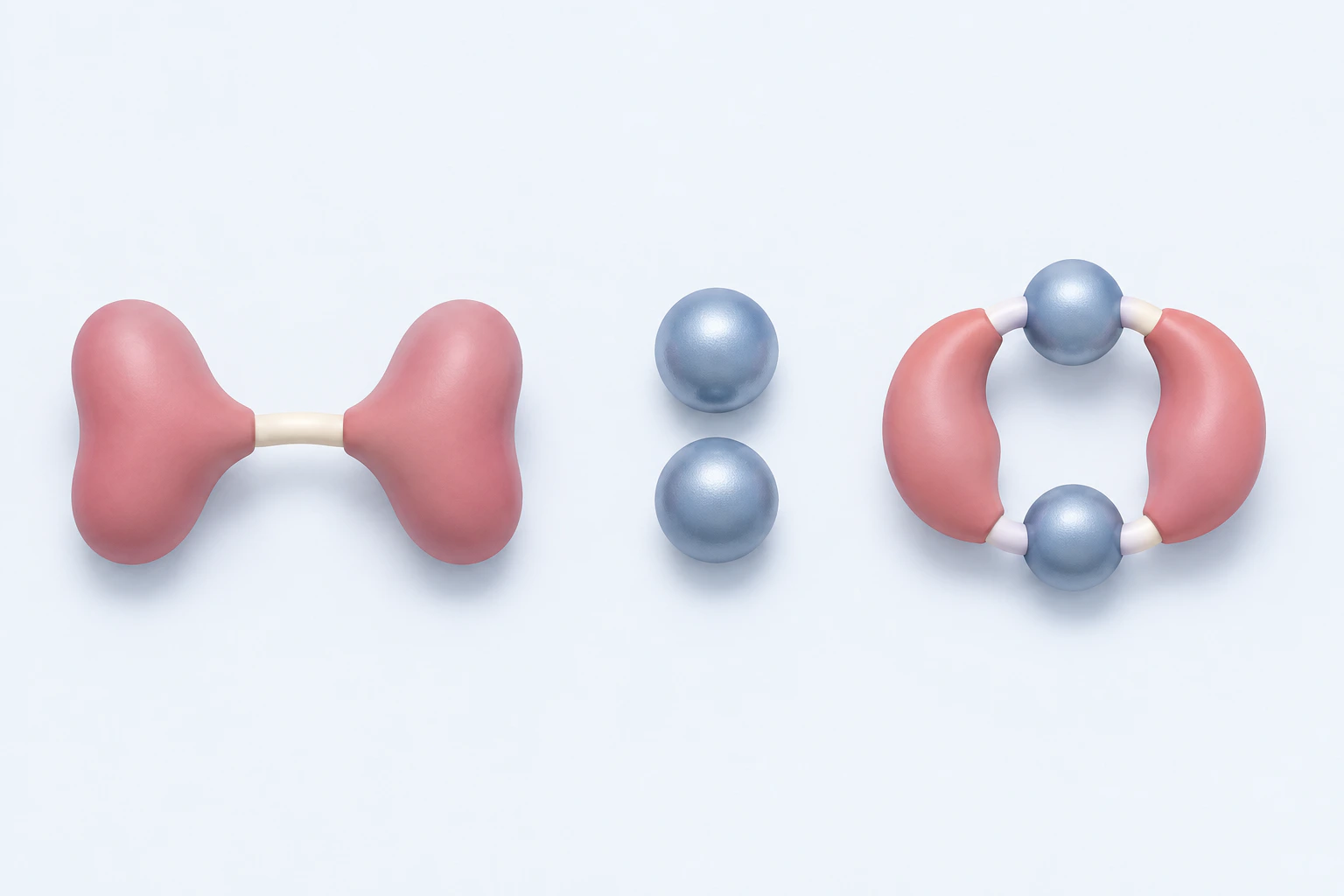
Dimethylglyoxime (DMG) is a high-affinity, nickel-specific chelator — two DMG molecules coordinate one Ni²⁺ ion to form a characteristic red complex (Tschugaeff reaction). Unlike broad-spectrum chelation agents (EDTA, DMSA) that bind multiple divalent cations indiscrimi…
Gingipains are the zinc-dependent cysteine proteases that serve as the master virulence factors of porphyromonas gingivalis. Three gingipains exist: RgpA and RgpB (arginine-specific) and Kgp (lysine-specific). They require zinc as a catalytic cofactor, making gingipain …
Tau is a microtubule-associated protein essential for maintaining the structural integrity of neuronal axons. In health, tau binds to and stabilizes microtubules, enabling axonal transport of organelles, vesicles, and signaling molecules. When tau becomes hyperphosphory…