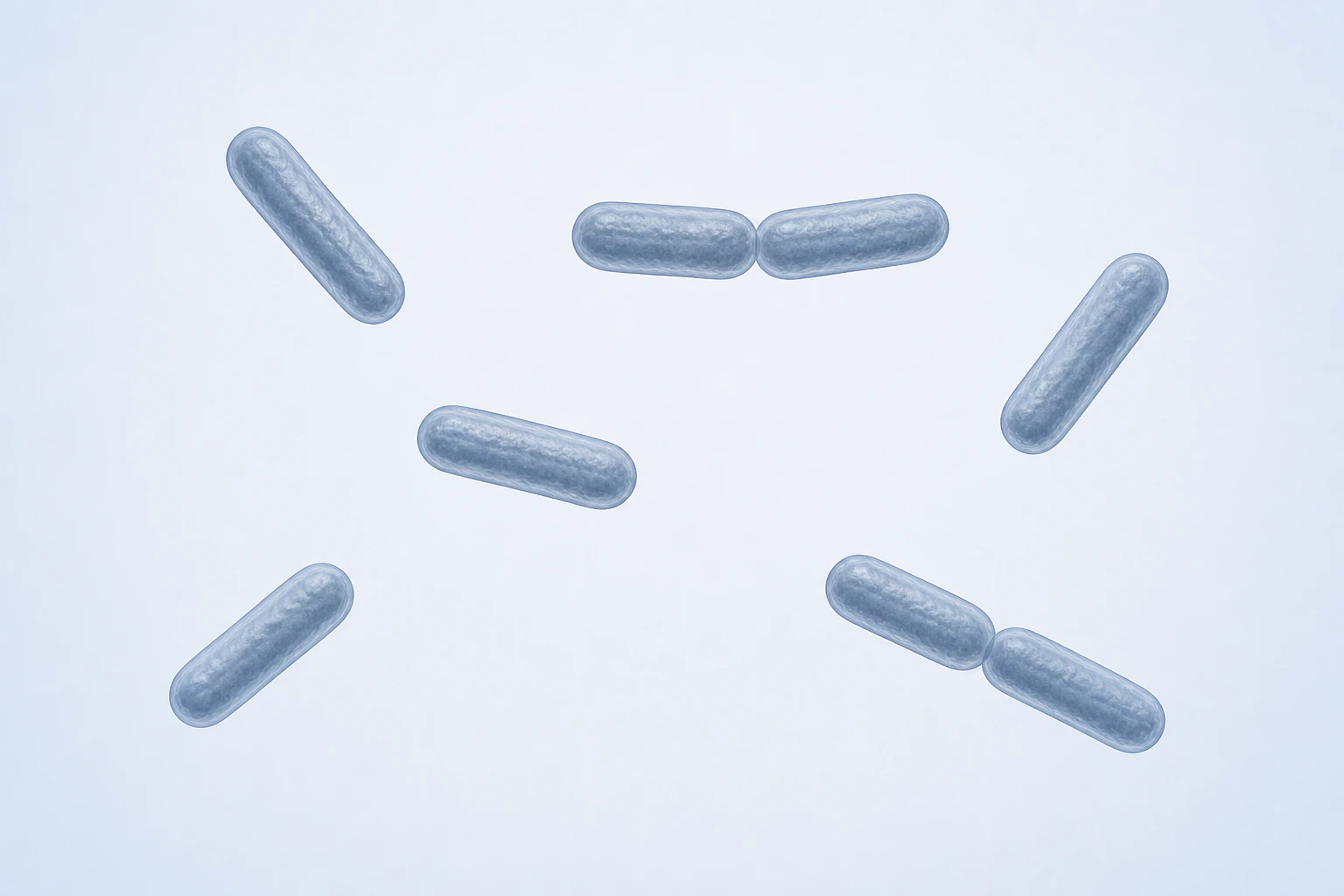
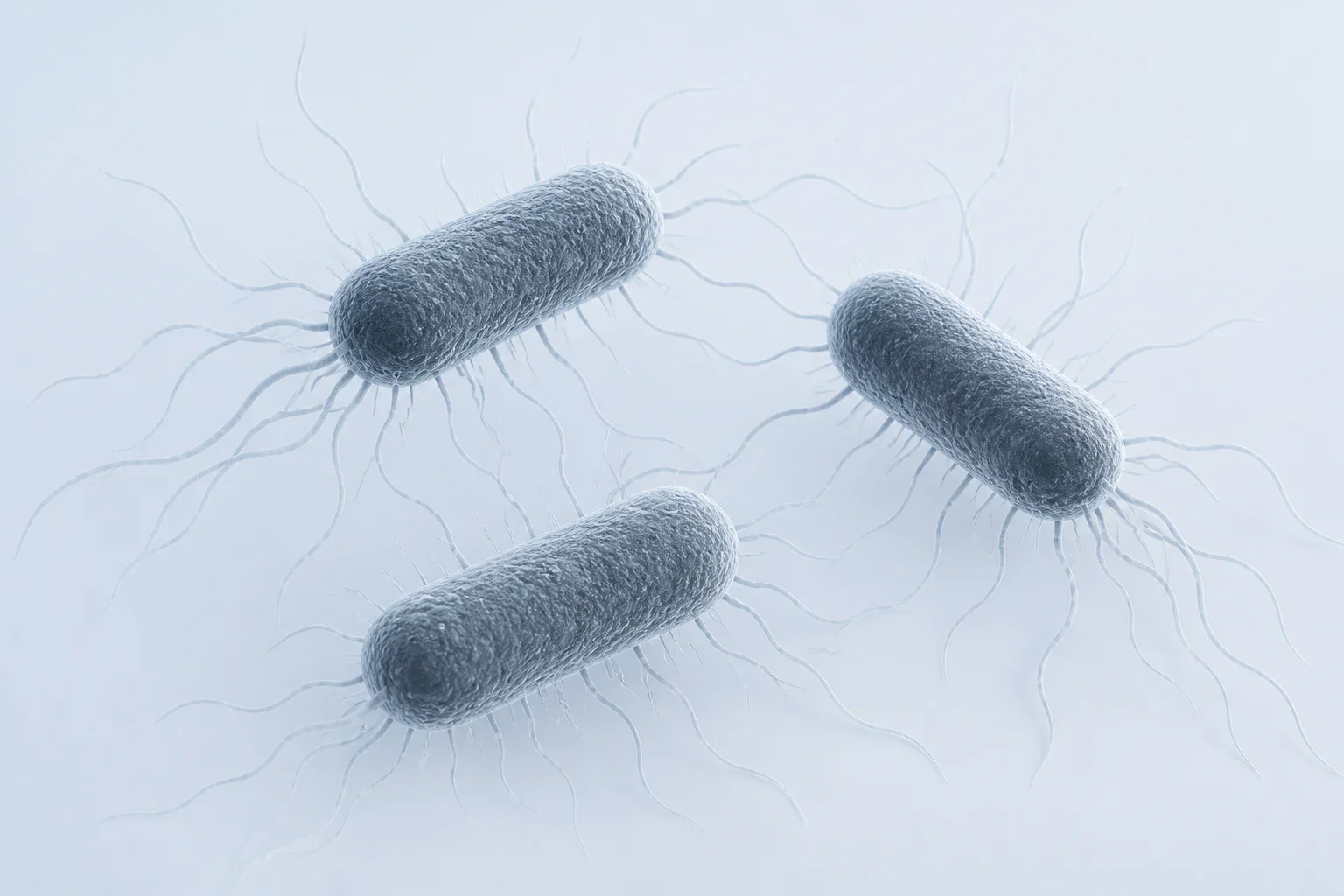
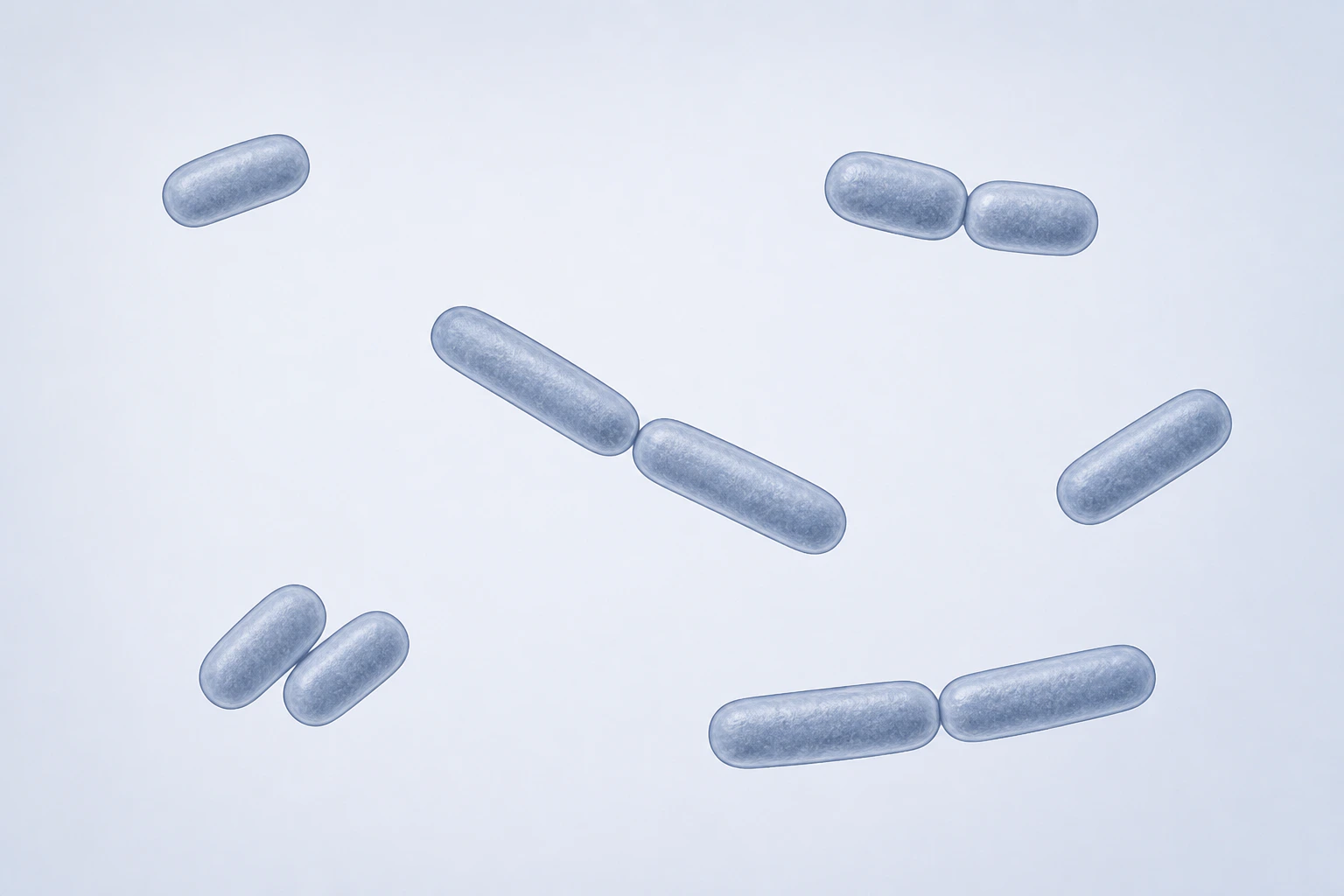
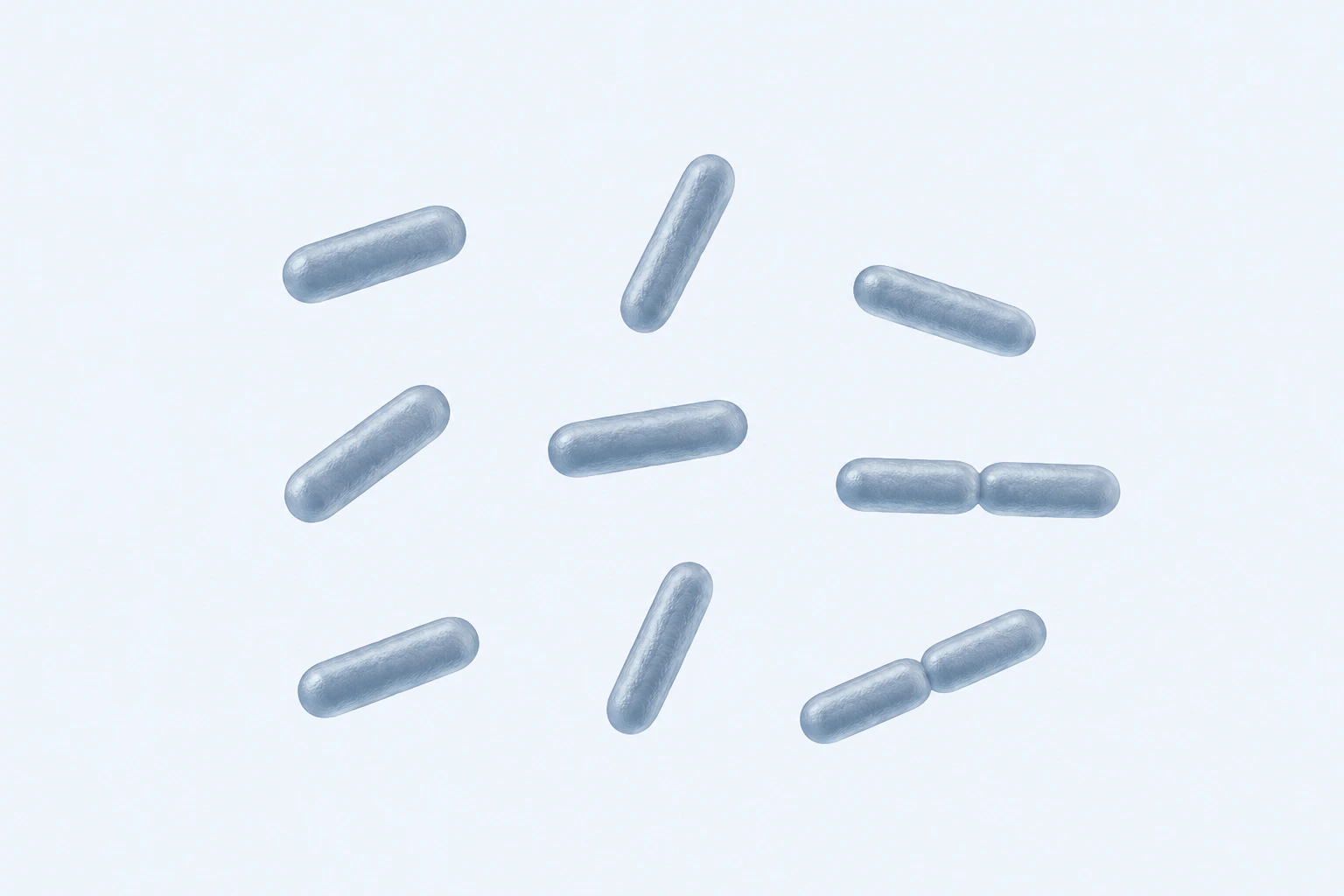
Escherichia is a genus of Gram-negative, facultatively anaerobic bacteria in the Enterobacteriaceae family. The primary species E. coli is simultaneously the most studied bacterium in biology and one of the most consistently enriched organisms in disease-associated micr…
A Gram-negative bacterium that spans the commensal-pathogen spectrum, with pathogenic variants (UPEC, STEC, EHEC) deploying nickel-dependent enzymes as virulence factors. E. coli is the model organism for nickel transport biology -- the NikABCDE system was first charact…
A pathotype of escherichia coli that adheres to and invades intestinal epithelial cells, survives and replicates within macrophages, and is strongly associated with ileal Crohn's disease. Unlike classical diarrheagenic E. coli pathotypes (EPEC, ETEC, EHEC), AIEC does no…
A family of Gram-negative, facultative anaerobic Gammaproteobacteria that includes many of the most important human pathogens: escherichia coli, klebsiella pneumoniae, salmonella typhimurium, shigella flexneri, yersinia pestis, proteus mirabilis, Morganella, and Serrati…
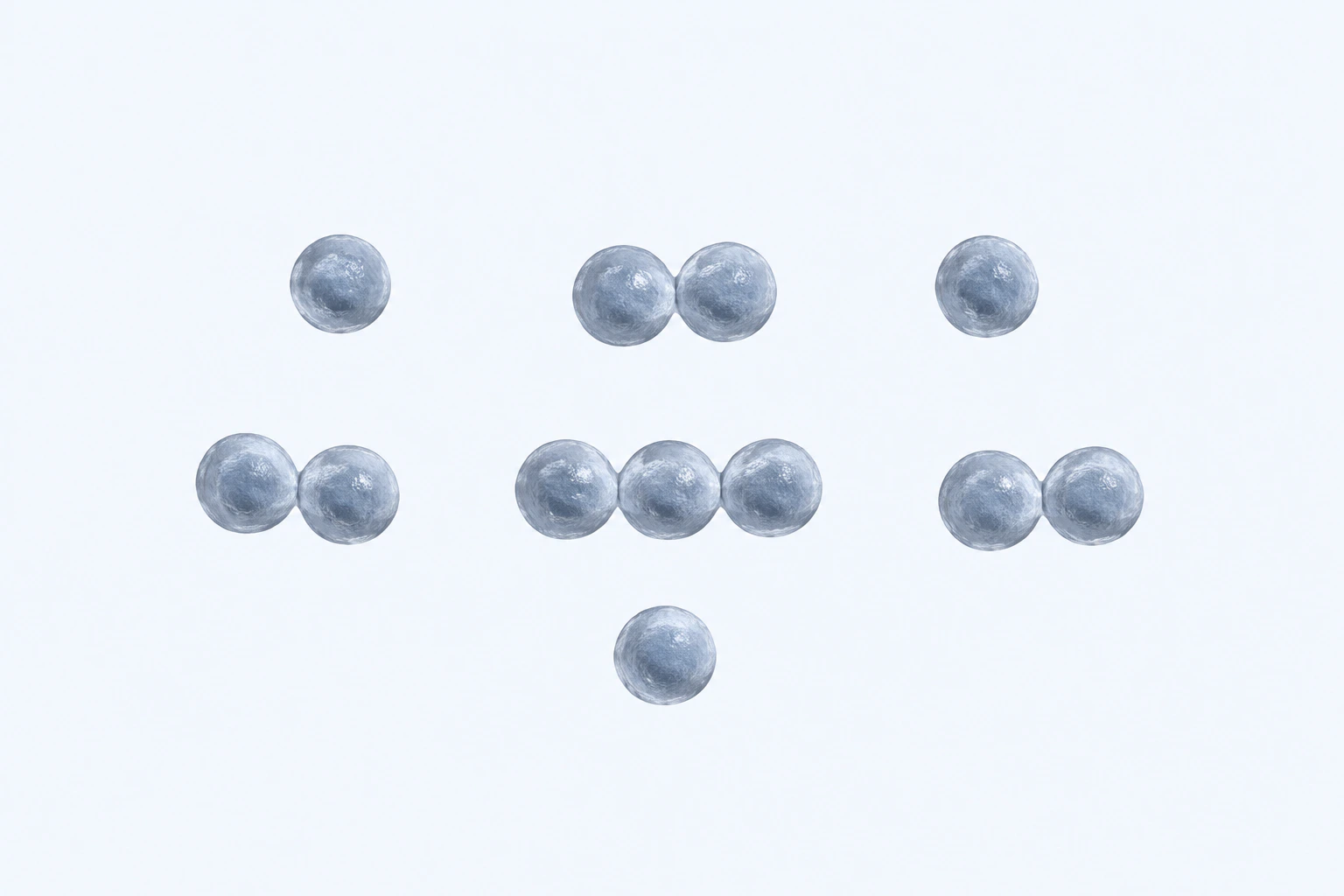
Peptostreptococcus stomatis is a Gram-positive, obligately anaerobic coccus originally isolated from the human oral cavity (oral streptococcal species) that has emerged as a carcinogenic oral pathobiont enriched in colorectal cancer, particularly in advanced stages. Unl…
Shigella is a genus of Gram-negative, facultatively anaerobic bacteria in the family Enterobacteriaceae, closely related to Escherichia coli — so closely that many 16S rRNA-based studies report them as the Escherichia/Shigella complex, unable to distinguish the two gene…