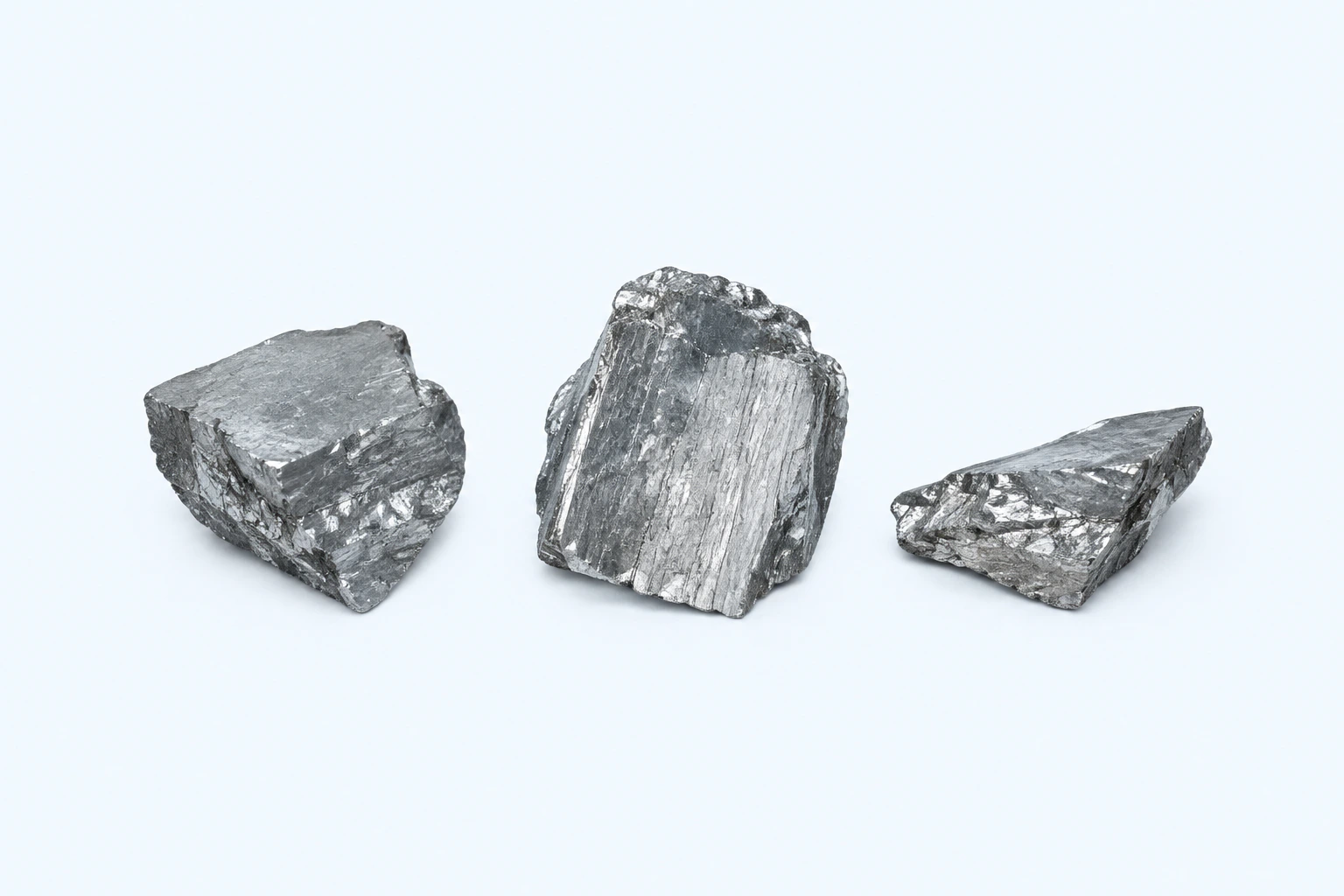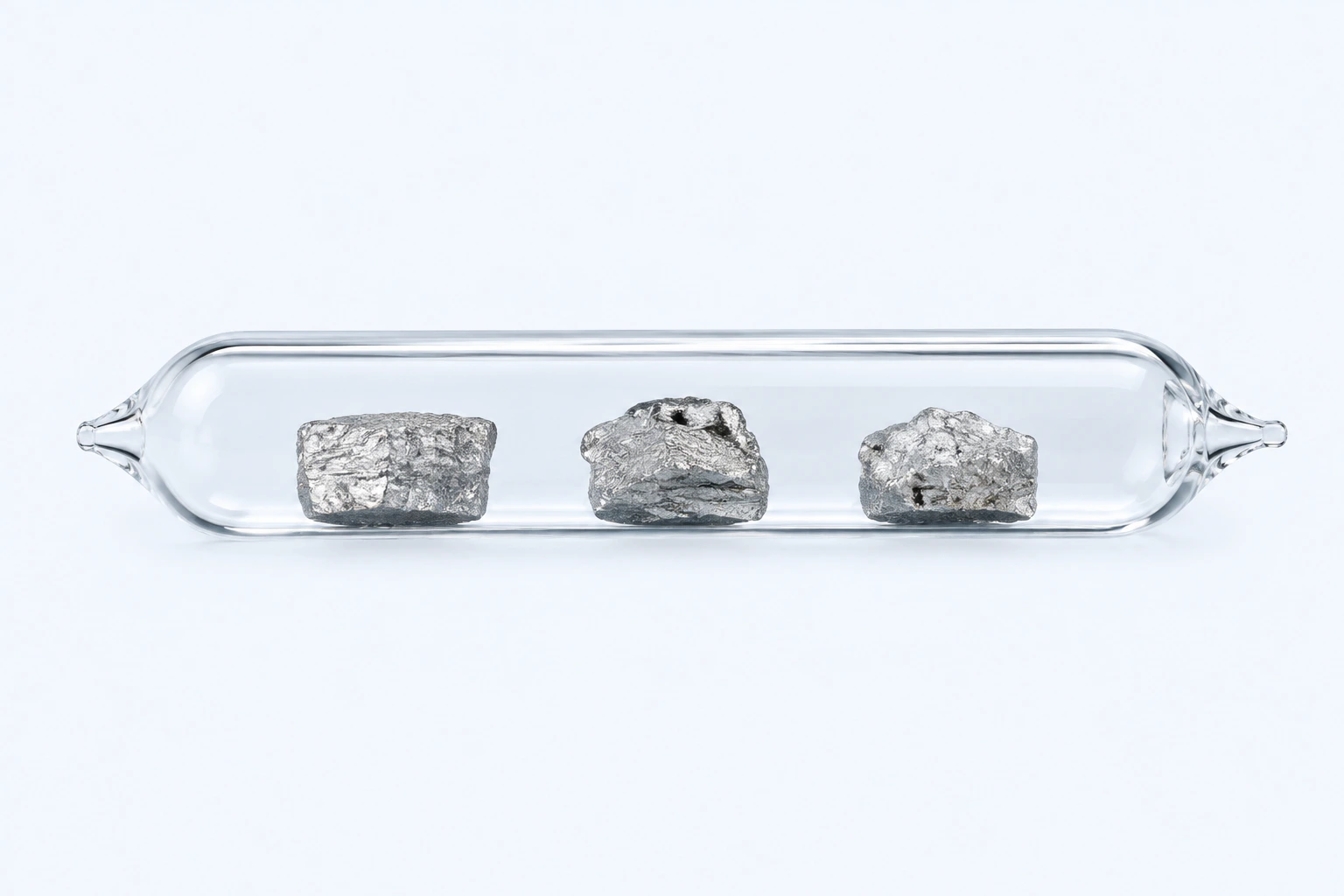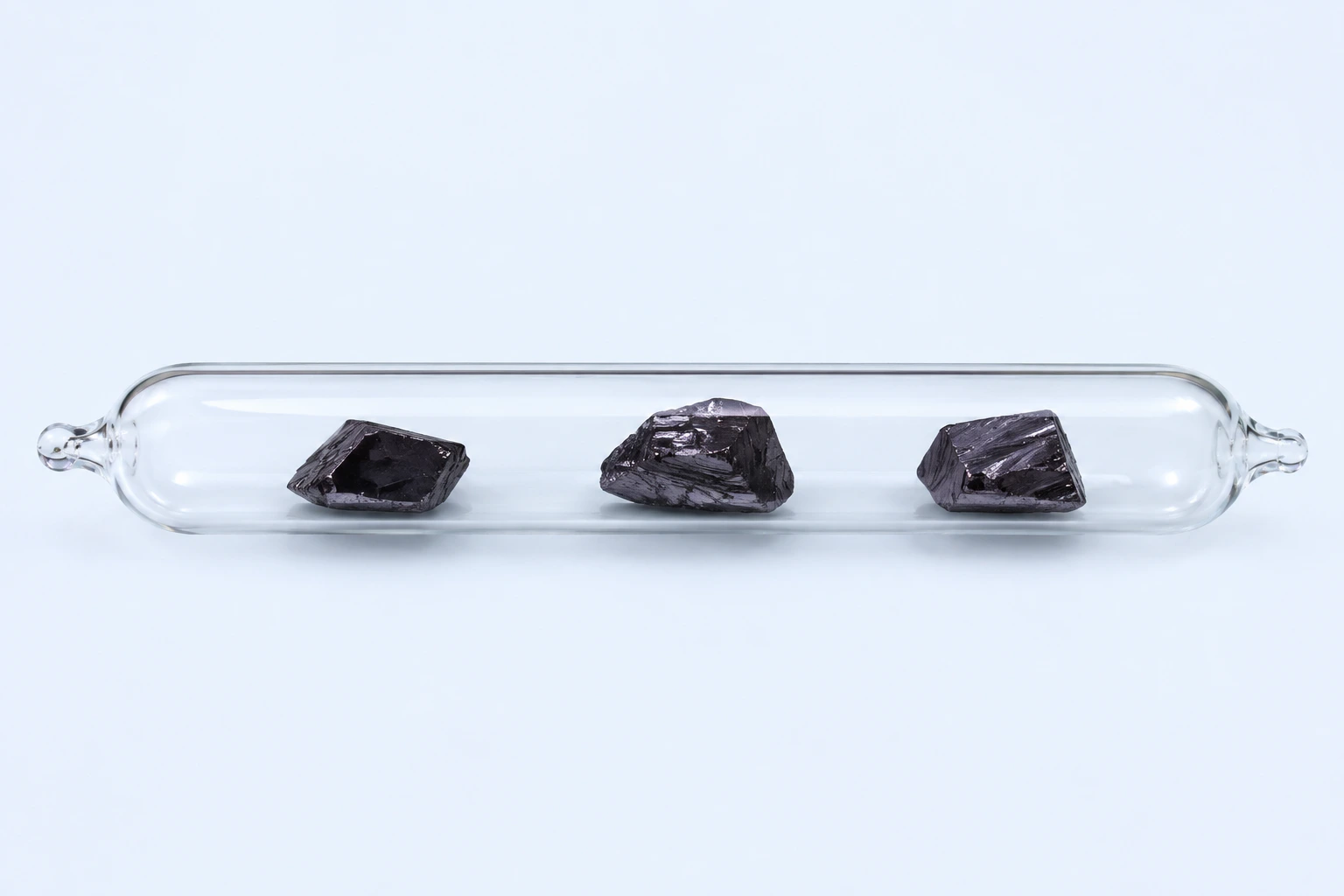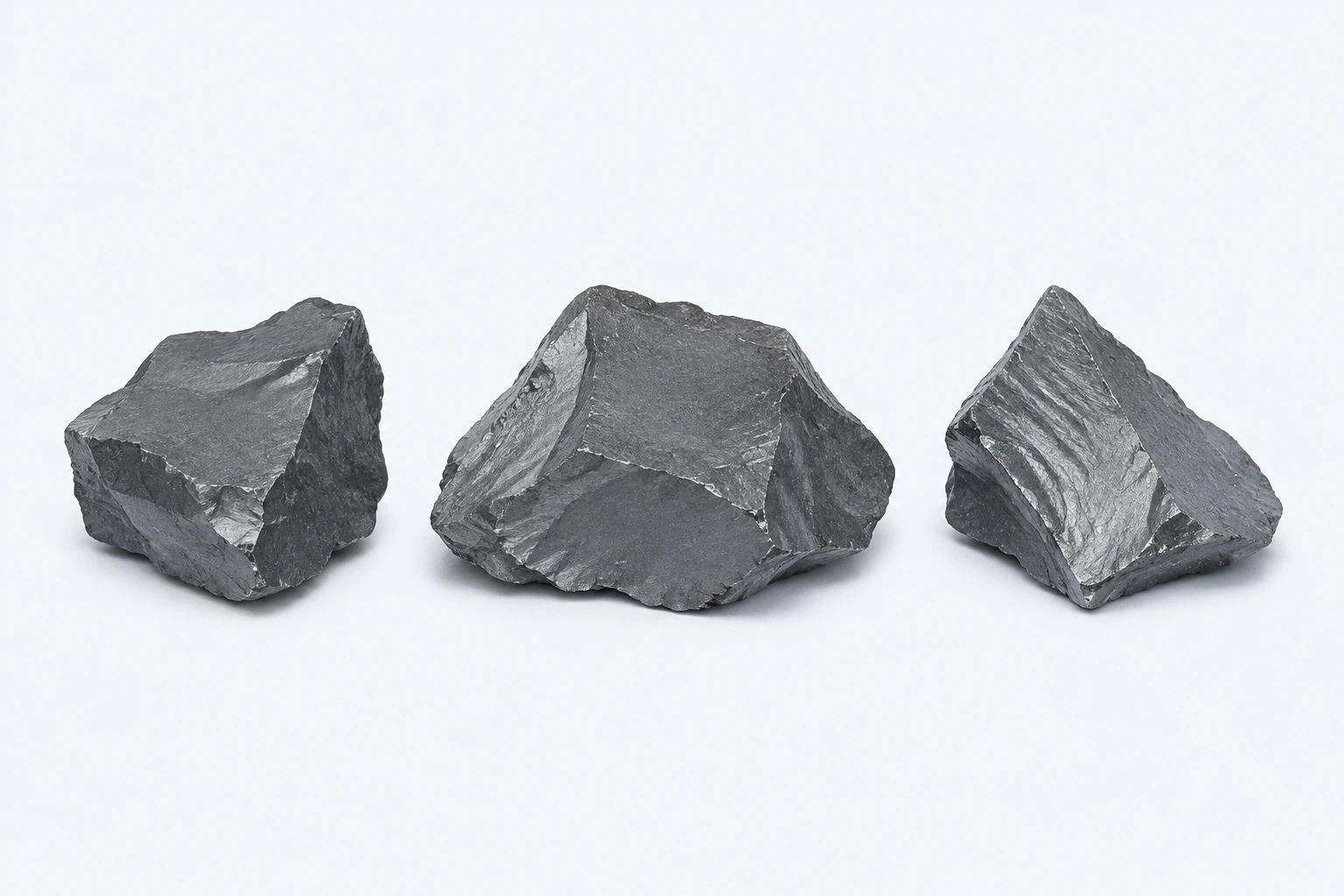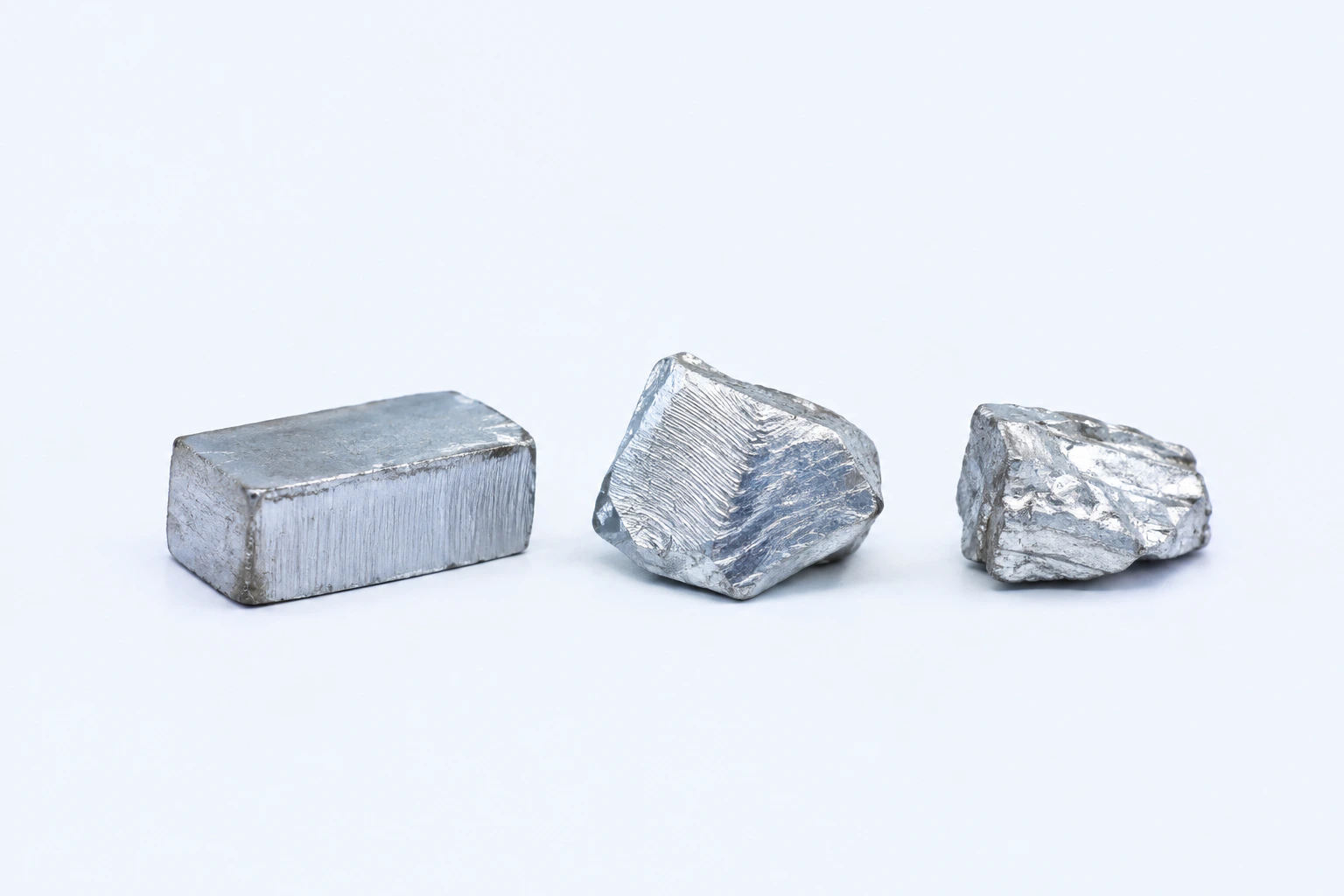
Cadmium
This knowledge-base record is being expanded from WikiBiome’s evidence graph.
WikiBiomeThe human microbiome encyclopediaRanked matches across titles, topics, categories, and article introductions, filtered to metal.
This knowledge-base record is being expanded from WikiBiome’s evidence graph.
A metalloid that sits in the shadows of better-studied toxic metals like lead, cadmium, and mercury, yet appears with surprising consistency in metallomic studies of endocrine and inflammatory conditions. Antimony (symbol Sb, from Latin stibium; atomic number 51) exists…
The most abundant mineral in the human body, with ~99% stored in bones and teeth. Calcium's biological significance extends far beyond structural support -- it is the universal second messenger in cell signaling, controlling neurotransmitter release, muscle contraction,…
An essential halogen required for thyroid hormone synthesis (T3 and T4). The thyroid gland is the primary iodine-concentrating organ, containing 70-80% of total body iodine. Iodine occupies a unique position in the metallomics landscape: it is not a metal, but its inter…
An essential trace element that is primarily protective in its biological roles. Unlike most metals in this wiki, selenium's toxicological significance lies more in the consequences of its deficiency than its excess. Selenium is the backbone of the selenoproteome -- a f…