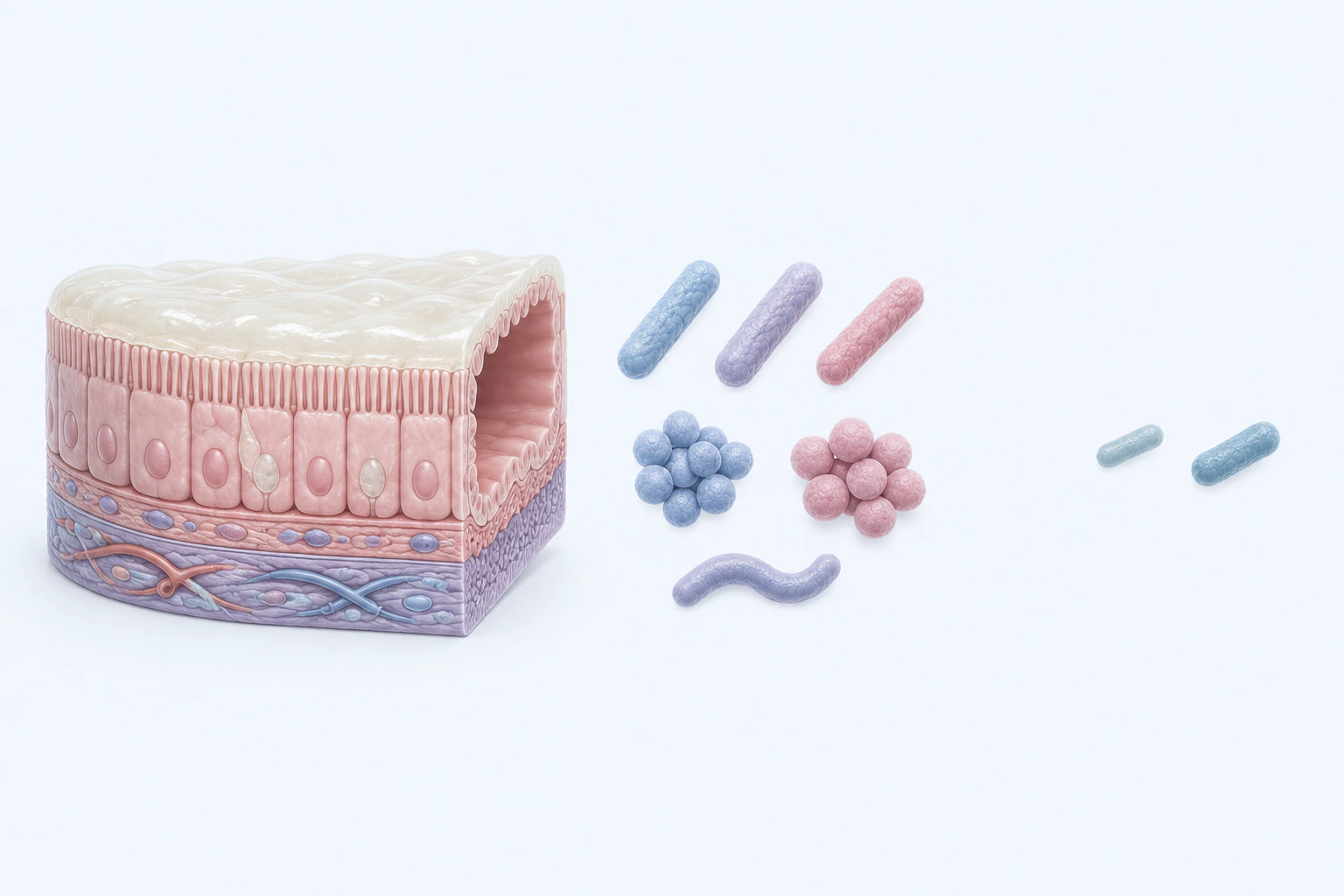
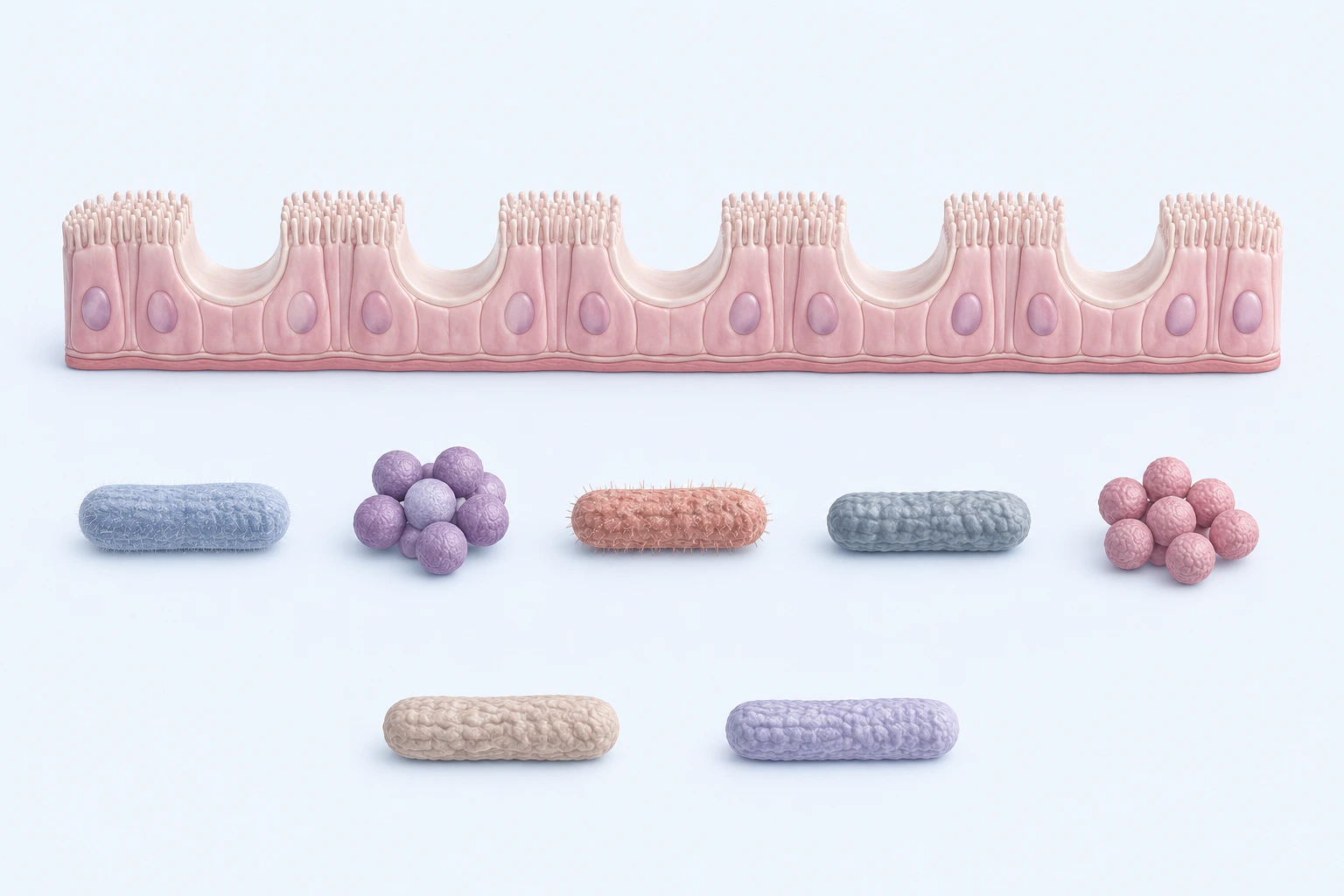
The collective ability of the resident gut microbiome to prevent colonization by exogenous pathogens and suppress expansion of resident pathobionts. Colonization resistance is not a property of any single organism but an emergent function of the whole microbial communit…
Competitive exclusion is the ecological principle that two species competing for the same limiting resource cannot coexist indefinitely — one will outcompete the other. In the gut microbiome, competitive exclusion is the primary mechanism by which commensal bacteria pre…
Food is the primary source of nickel exposure for the general (non-occupational) population. While food nickel poses minimal risk to most adults, children and nickel-sensitized individuals are high-risk groups.
This page addresses the practical question: how do toxic metals get into people? Metal toxicology research identifies the mechanisms of harm, but understanding exposure routes -- dietary, occupational, environmental, and consumer product-mediated -- is essential for pre…
A cluster of conditions — high blood pressure, impaired fasting glucose, insulin resistance, abdominal obesity (BMI ≥25), high triglycerides, low HDL-C — defined by the presence of ≥3 components. Emerging evidence links MetS to environmental nickel exposure, though find…
The exposome is the totality of environmental exposures an individual experiences from conception to death. Coined by Christopher Wild in 2005, it complements the genome by capturing the environmental side of the gene-environment equation. Metals are among the most quan…